
TL;DR:
- Improving hair texture requires consistent conditioning, pH management, heat protection, and tailored routines based on individual hair type.
- Simple steps like deep conditioning twice weekly, using an acidic rinse, and switching to microfiber towels produce noticeable results within weeks.
Hair texture improvement is defined as the process of smoothing, strengthening, and enhancing the natural surface quality of your hair through targeted conditioning, heat protection, nutrition, and styling techniques. The most effective ways to improve hair texture work by repairing the cuticle layer, sealing in moisture, and reinforcing the hair fiber from within. Products like deep conditioners, heat protectants, and microfiber towels are the core tools in any serious texture enhancement routine. Whether your goal is silkier strands, softer waves, or more defined curls, the methods below are grounded in how hair actually behaves at a structural level.
1. Deep condition twice weekly for faster results
Deep conditioning twice weekly for 10 to 20 minutes with a protein-enriched conditioner produces noticeably silkier hair in 4 to 6 weeks. That timeline matters because it sets a realistic expectation. Most people quit before the cuticle has had enough time to respond to consistent treatment.
The difference between a basic rinse-out conditioner and a repair-focused mask is significant. Protein-enriched masks like those from Olaplex, Redken, or Briogeo temporarily fill gaps in the hair shaft, which is where roughness and frizz originate. A standard conditioner adds surface softness. A mask rebuilds structure.
- Apply the mask from mid-length to ends, not the scalp
- Cover with a shower cap and add gentle heat from a hooded dryer for better absorption
- Rinse with cool water to lock the cuticle shut after treatment
- Follow with a leave-in conditioner to maintain moisture between wash days
Pro Tip: Finish every wash with a diluted apple cider vinegar rinse at a 1:4 ratio. Hair's natural pH sits between 4.5 and 5.5, but most shampoos are alkaline, which lifts the cuticle and causes roughness. The acidic rinse reseals it immediately.
2. Use heat protectants rated to 450°F before every tool
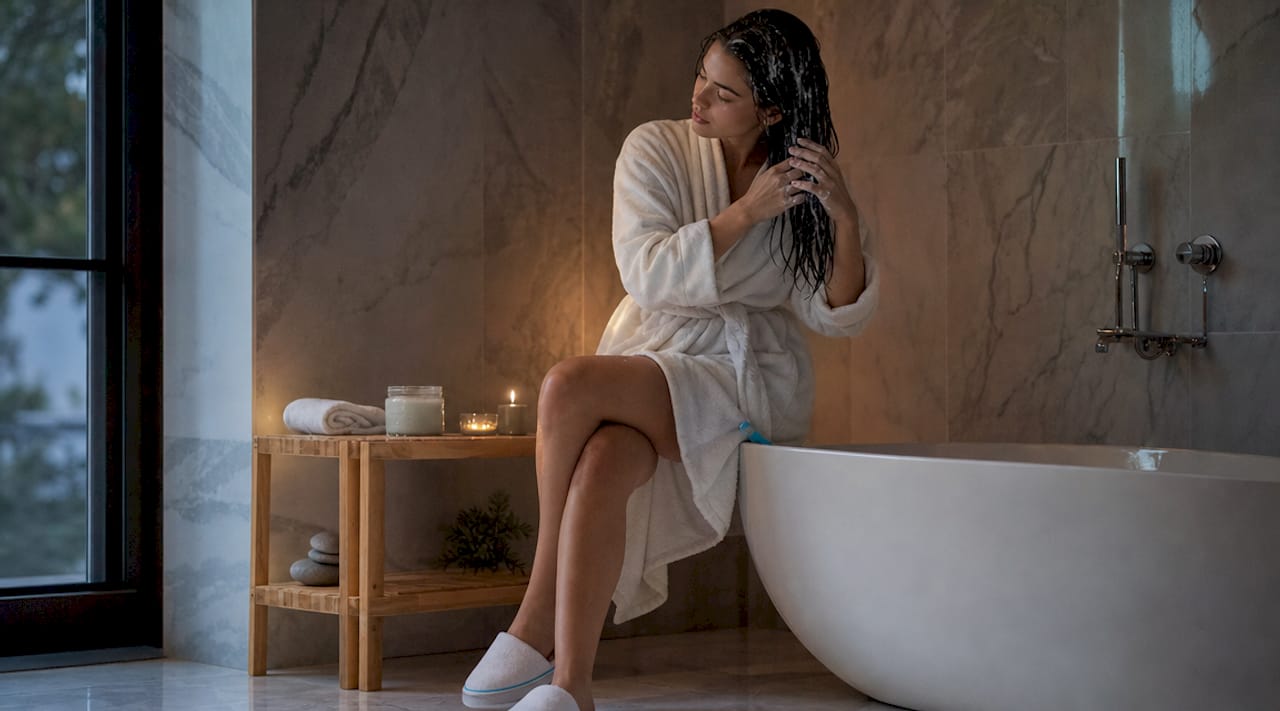
Heat protectants rated up to 450°F prevent permanent cuticle damage and frizz from flat irons and blow-dryers. Skipping this step even once can cause structural damage that takes weeks of conditioning to partially reverse.
Temperature settings matter as much as the product itself. Fine hair performs best at 300 to 350°F. Medium to thick hair handles 380 to 420°F without significant damage. Going above those ranges for any hair type causes protein bonds to break, which leads to the brittle, rough texture most people are trying to fix.
- Apply heat protectant to damp, not soaking wet, hair for even distribution
- Use a comb to spread the product from root to tip before blow-drying
- Never pass a flat iron over the same section more than twice in one session
- Allow hair to cool completely before touching or brushing after heat styling
Pro Tip: Ionic blow-dryers reduce drying time and frizz by breaking water molecules into smaller particles. Brands like Dyson, Shark, and BaByliss offer ionic models at different price points. Faster drying means less total heat exposure, which directly protects texture.
3. Switch to a microfiber towel immediately
Microfiber towels reduce cuticle damage by up to 30 to 40% compared to regular cotton towels. That single swap costs very little and produces results from the very first wash. It is one of the fastest wins available in any hair texture enhancement routine.
Regular towels create friction against the cuticle as you rub and scrunch. That friction lifts and chips the cuticle surface, which is the primary cause of frizz and rough texture in otherwise healthy hair. Microfiber absorbs water through capillary action rather than friction, so the cuticle stays flat and smooth.
Wrap hair in the microfiber towel and leave it for 10 to 15 minutes rather than rubbing. This gentle drying method works for all hair types, from straight to coily, and pairs well with every other technique on this list.
4. Adjust your washing frequency by hair type
Coily hair benefits from washing once weekly to preserve natural oils, while straight hair can be washed every one to two days. Over-washing strips sebum from the scalp and shaft, which leads directly to brittle, dull texture. Getting this frequency right is one of the most overlooked hair texture enhancement techniques.
Hair porosity also affects how often you should wash. High-porosity hair loses moisture quickly and needs more frequent conditioning but not necessarily more frequent shampooing. Low-porosity hair holds moisture well but can build up product faster, which calls for a clarifying shampoo once or twice a month.
Personalized, pattern-specific routines consistently outperform generic wash schedules because they respect the hair's natural sebum production and structural needs. If you are unsure of your porosity, the float test works well. Drop a clean strand into a glass of water. If it sinks quickly, porosity is high. If it floats, porosity is low.
5. Apply texturizing products with the right technique
Applying too much texturizing product or spraying too close to the roots causes a greasy, flat appearance. Hold the bottle at least 8 inches from your hair and use short, light bursts for even coverage. This single technique adjustment prevents the most common complaint about texturizing sprays and mousses.
Salt sprays, mousses, and lightweight styling creams each serve a different purpose. Salt sprays add grit and definition to waves. Mousses add volume and hold without weight. Styling creams smooth frizz and define curls without stiffness. Matching the product to your goal is more important than brand loyalty.
- Start with clean, damp hair for best product absorption
- Apply mousse or cream from mid-length to ends only
- Scrunch upward toward the scalp to encourage natural wave or curl formation
- Use a diffuser on medium heat and low airspeed, holding each section for 20 to 30 seconds
- Do not touch hair until it is fully dry to avoid disrupting the pattern
For wavy hair specifically, the wavy hair routine products you choose should be lightweight enough to enhance texture without collapsing natural movement.
6. Try protein treatments for damaged or over-processed hair
Protein treatments temporarily fill gaps in damaged hair cuticles, creating smoothness and strength that lasts 4 to 6 weeks. Hair treated monthly feels 40 to 50% smoother and shinier. That is a measurable outcome, not a marketing claim.
Over-processed hair from bleaching, coloring, or excessive heat loses keratin bonds, which creates the porous, rough surface that resists every other treatment. Protein treatments like Aphogee Two-Step or Joico K-PAK temporarily restore those bonds. They are not a permanent fix, but they buy time while your natural hair grows in healthier.
Weekly light protein conditioners provide cumulative benefits for moderately damaged hair. Reserve intensive treatments for hair that snaps easily when wet or feels gummy after washing. Those are signs of severe protein loss that require a stronger intervention.
7. Use acidic rinses to seal the cuticle
Hair's natural pH is 4.5 to 5.5, but most shampoos sit at an alkaline pH of 6 to 8. That alkalinity lifts the cuticle scales, which is the direct cause of roughness and frizz after washing. An acidic rinse corrects this immediately.
Apple cider vinegar diluted at a 1:4 ratio for weekly use or 1:8 for monthly use restores the scalp and shaft to their natural pH range. The effect is visible after the first use. Hair feels smoother, looks shinier, and combs through with less resistance. This is one of the most cost-effective natural remedies for hair texture available.
Citric acid rinses from lemon juice work similarly but can lighten hair with repeated use. Stick to apple cider vinegar if you want to improve dry hair without altering your color.
8. Build a diet that supports hair structure
Protein, omega-3 fatty acids, and zinc are the three nutrients most directly linked to hair fiber strength and surface quality. Protein provides the amino acids that build keratin, which is the structural protein that makes up 95% of each hair strand. Without adequate dietary protein, new growth comes in weaker and more prone to rough texture.
Omega-3s from salmon, walnuts, and flaxseed reduce scalp inflammation and support sebum production, which naturally conditions the hair shaft from the root. Zinc from pumpkin seeds, beef, and chickpeas supports cell turnover in the follicle, which affects the quality of new growth. These are not supplements you need to buy. They come from food.
Biotin gets most of the attention in hair care marketing, but deficiency is rare in people who eat a varied diet. Focus on protein and omega-3s first. Those two nutrients produce the most direct improvement in texture for the majority of people.
9. Adapt your routine seasonally
Winter air pulls moisture from the hair shaft, which causes dryness and rough texture even in people who have healthy hair in summer. A humidifier in your bedroom during winter months adds ambient moisture that directly benefits hair. This is one of the most underused tips for silky hair during cold months.
Summer sun exposure degrades the protein bonds in hair, similar to how UV rays damage skin. UV-protective hair sprays from brands like Sun Bum or Kenra Platinum create a barrier that reduces this breakdown. Wearing a hat during peak sun hours provides the same protection without product.
Adjust your conditioning frequency seasonally. Add an extra deep conditioning session per week in winter. Shift to lighter, water-based conditioners in summer to avoid buildup from humidity and sweat. Your hair's needs change with the environment, and your routine should reflect that.
10. Build a consistent, personalized routine over time
Conditioners enhance elasticity and smooth cuticles most effectively when the formula matches your hair's porosity and type. Generic routines produce generic results. The biggest texture improvements come from understanding your specific hair pattern and building a routine around it.
For curly hair, the curly hair routine products you use should prioritize moisture retention and curl definition over shine or smoothness. For straight hair, lightweight serums and pH-balanced shampoos do more than heavy masks. Matching the approach to the hair type is what separates real improvement from temporary fixes.
Consistency matters more than any single product. A simple routine done correctly every week produces better results than an elaborate routine done sporadically. Pick three to four techniques from this list, apply them consistently for six weeks, and assess the change before adding more steps.
Key takeaways
The most effective ways to improve hair texture combine cuticle repair through conditioning, pH management, heat protection, and routine consistency tailored to your specific hair type.
| Point | Details |
|---|---|
| Deep condition twice weekly | Protein-enriched masks produce silkier hair in 4 to 6 weeks with consistent use. |
| Protect from heat every time | Use a heat protectant rated to 450°F and stay within the correct temperature range for your hair type. |
| Match routine to hair type | Wash frequency, product weight, and conditioning intensity should reflect your porosity and texture pattern. |
| Seal the cuticle with acidic rinses | A diluted apple cider vinegar rinse corrects alkaline shampoo damage and restores smoothness immediately. |
| Switch to microfiber towels | This single swap reduces cuticle damage by up to 30 to 40% from the very first use. |
What I've learned from watching people fix their hair texture
Most people come to hair texture improvement expecting a product to do all the work. They buy a $40 serum, use it twice, and wonder why nothing changed. The real answer is almost always technique and consistency, not the product itself.
The single most impactful change I have seen people make is switching to a microfiber towel and rinsing with cool water. Those two steps cost almost nothing and produce visible results within two weeks. They work because they stop the damage that is happening every wash day, before any treatment has a chance to work.
The second thing I have noticed is that people overcomplicate their routines too fast. They add five new products at once and cannot tell what is helping. A better approach is to add one change per week, give it two weeks to show results, and then decide whether to keep it. That method also builds the habit more reliably than a complete overhaul.
The hardest truth about hair texture is that most of the damage is cumulative. It built up over months or years of heat, alkaline shampoos, and rough towel drying. It will not reverse in a week. But with the right natural hair routine, the improvement is steady and real. Focus on stopping the damage first. The texture improvement follows.
— Cyriac
Get a personalized hair texture plan from Myhair
Generic advice only goes so far. The texture improvements that last come from understanding your specific hair condition, not following a one-size-fits-all routine.
Myhair uses AI-powered analysis to assess your hair health from a scan and generate a personalized care plan based on your actual condition. The hair score tool identifies your texture type, damage level, and moisture needs, then recommends targeted products and routines. You stop guessing and start seeing results. Download the Myhair app, complete your scan, and get a hair score that tells you exactly where to focus your effort first.
FAQ
How long does it take to improve hair texture?
Most people see noticeable improvement in 4 to 6 weeks with consistent deep conditioning and heat protection. Severely damaged hair may take 3 to 4 months of sustained care to show significant change.
What is the best oil for hair texture?
Argan oil and jojoba oil are the most widely recommended for smoothing and softening hair texture. Apply a few drops to damp ends after washing to seal moisture without weighing hair down.
Does diet affect hair texture?
Dietary protein and omega-3 fatty acids directly affect the strength and surface quality of new hair growth. Deficiencies in zinc and protein are among the most common nutritional causes of rough, brittle texture.
How often should I use a protein treatment?
Monthly intensive protein treatments work best for damaged or over-processed hair. For moderately healthy hair, a weekly light protein conditioner provides cumulative benefits without the risk of protein overload.
Can I improve hair texture without heat tools?
Yes. Deep conditioning, acidic rinses, microfiber towels, and air-drying with a diffuser all improve texture without direct heat styling. Reducing heat tool use is itself one of the fastest ways to soften hair and restore smoothness.