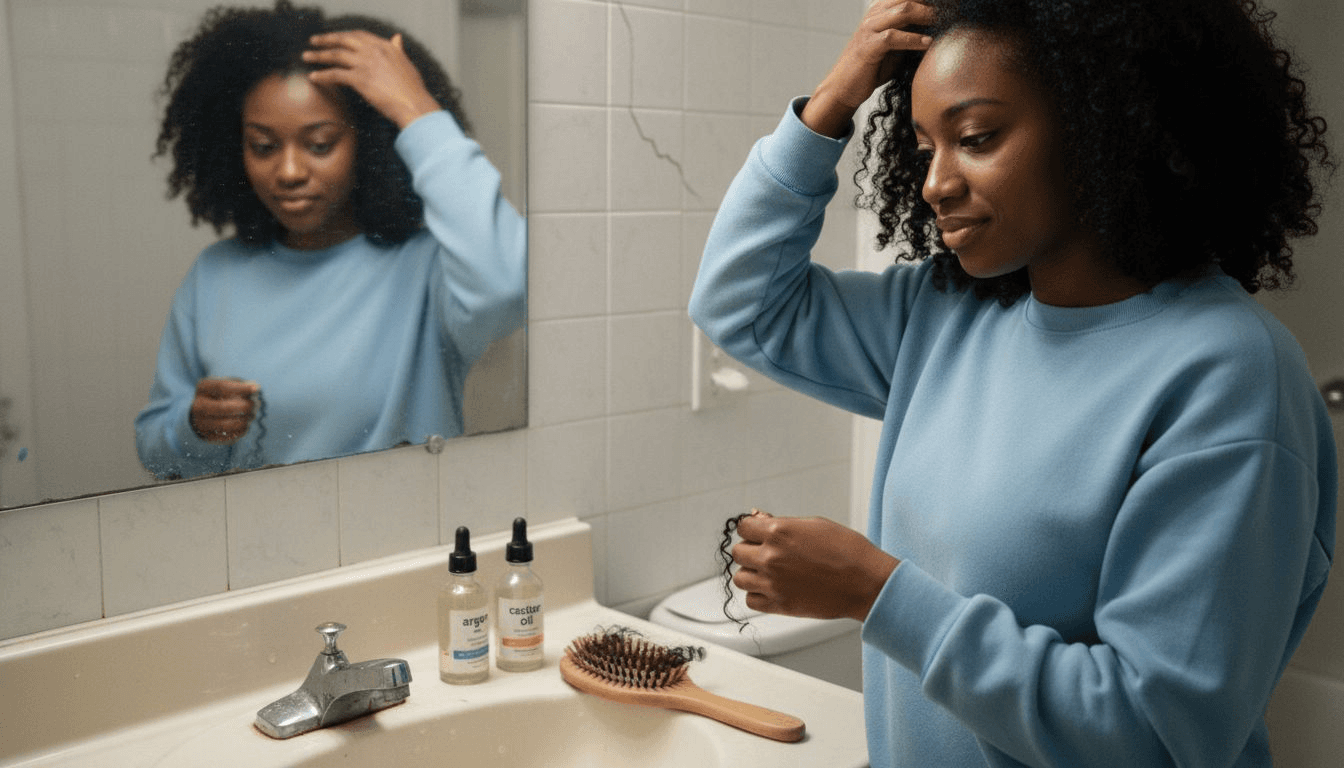
Choosing the right natural hair products can feel overwhelming when faced with hundreds of options promising healthier growth and vibrant strands. Natural formulations offer a safer path to hair care, reducing exposure to harsh chemicals while nourishing your scalp and follicles with plant-derived ingredients. This guide walks you through clear selection criteria, reviews top oils and treatments, compares organic shampoos and conditioners, and presents a detailed analysis of standout products to help you make confident, informed decisions tailored to your unique hair needs.
Table of Contents
- Criteria For Selecting Effective Natural Hair Products
- Top Natural Oils And Treatments For Hair Growth
- Recommended Natural Shampoos And Conditioners With Organic Ingredients
- Comparing 100 Natural Hair Products: Features And Benefits
- Explore Personalized Hair Analysis With MyHair
- FAQs About 100 Natural Hair Products
Key takeaways
| Point | Details |
|---|---|
| Selection criteria matter | Understanding your hair type and ingredient benefits guides you to products that actually work. |
| Natural oils boost growth | Plant-derived oils like castor, rosemary, and argan stimulate follicles and reduce breakage. |
| Organic shampoos protect | Sulfate-free formulas with certified organic ingredients maintain scalp health without stripping natural oils. |
| Comparison tables simplify choices | Side-by-side product reviews highlight features, benefits, and price points for informed decisions. |
| Personalized analysis optimizes results | AI-powered hair scanning identifies your specific needs for targeted product recommendations. |
Criteria for selecting effective natural hair products
Before diving into specific products, you need a solid framework for evaluation. Identifying your natural hair type is the first critical step, whether you have straight, wavy, curly, or coily strands. Each texture responds differently to ingredients, and selecting products formulated for your specific pattern prevents wasted money and frustration.
Look for formulations featuring plant-derived ingredients with proven benefits. Ingredients like biotin, saw palmetto, and caffeine stimulate hair follicles and support growth cycles. Check labels for botanical extracts such as aloe vera, chamomile, and green tea, which soothe the scalp and reduce inflammation that can inhibit healthy growth.
Avoid products containing sulfates, parabens, phthalates, and synthetic fragrances. These chemicals strip natural oils, disrupt hormone balance, and cause scalp irritation. Understanding certifications like USDA Organic, Non-GMO Project Verified, and Leaping Bunny helps you identify genuinely healthy natural hair products that align with your wellness goals.
Consider your scalp condition alongside hair texture. Dry, flaky scalps benefit from moisturizing ingredients like shea butter and coconut oil, while oily scalps need lighter formulations with tea tree oil or witch hazel. Seasonal changes also affect hair needs, requiring adjustments in product weight and hydration levels throughout the year.
Pro Tip: Always patch test new natural products on a small scalp area for 24 hours before full application to check for allergic reactions or sensitivity, even with organic ingredients.
Top natural oils and treatments for hair growth
Natural oils provide concentrated nourishment that penetrates hair shafts and stimulates scalp circulation. Castor oil stands out for its ricinoleic acid content, which promotes hair thickness by increasing blood flow to follicles. Apply it twice weekly to your scalp, massaging gently for five minutes before leaving it on for at least two hours or overnight.
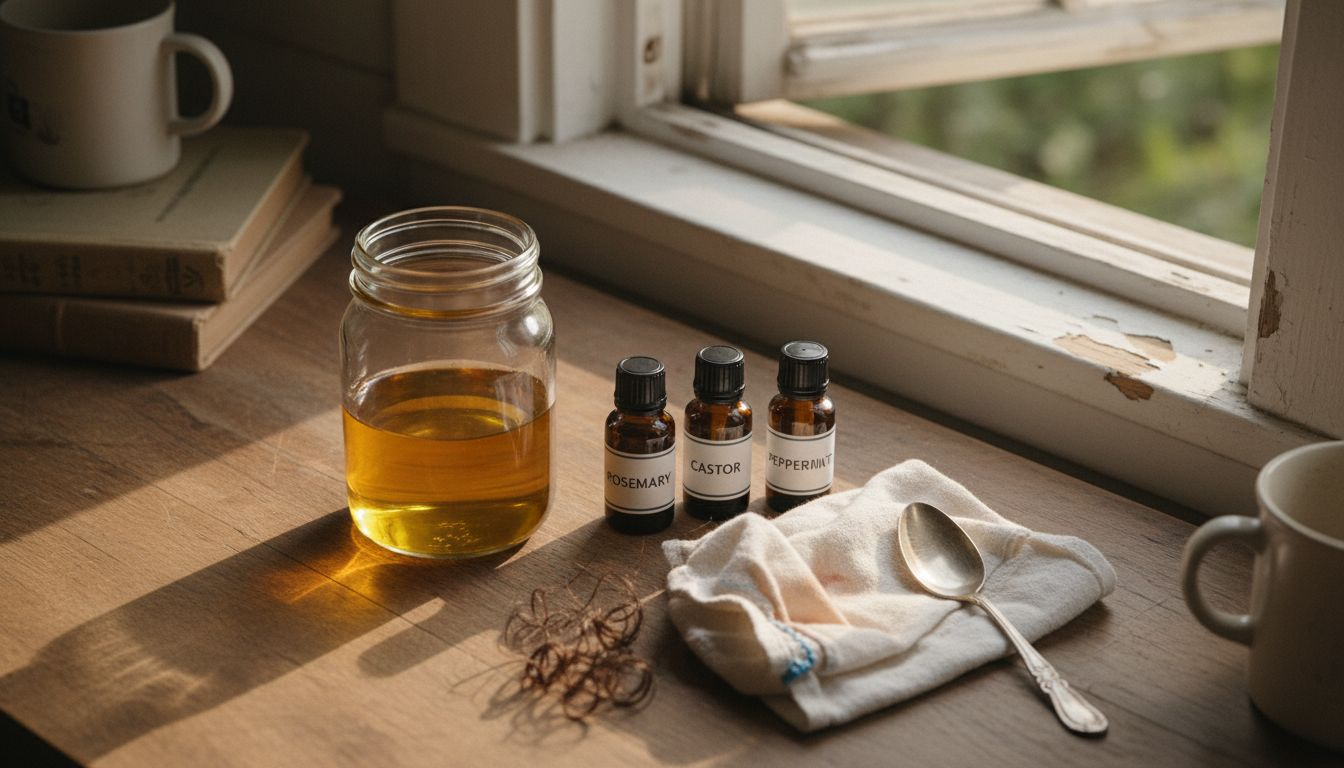
Rosemary oil rivals minoxidil in effectiveness for hair growth without the side effects. This herb improves cellular metabolism and dilates blood vessels, delivering more nutrients to hair roots. Mix three to five drops with a carrier oil like jojoba or sweet almond, then massage into your scalp three times per week. You should notice reduced shedding within six to eight weeks of consistent use.
Argan oil, rich in vitamin E and fatty acids, excels at moisturizing and preventing breakage. It smooths the hair cuticle, reducing split ends and making strands more resilient to styling damage. Apply a few drops to damp hair ends daily, or use it as a pre-shampoo treatment once weekly for deep conditioning.
Peppermint oil creates a cooling sensation that increases scalp circulation dramatically. Studies show it can increase follicle depth and number during the growth phase. Dilute it properly (never apply undiluted) and combine with a carrier oil for a stimulating scalp massage that energizes dormant follicles.
For best absorption, warm oils slightly between your palms before application. Section your hair to ensure even distribution across your entire scalp. Leave treatments on for minimum two hours, though overnight applications maximize penetration and results.
Recommended natural shampoos and conditioners with organic ingredients
Switching to natural shampoos requires understanding that sulfate-free formulas create less lather but clean just as effectively. These gentler cleansers preserve your scalp's natural sebum balance, preventing the dryness and overcompensation oil production that conventional shampoos trigger. Look for coconut-derived cleansers like coco-glucoside and decyl glucoside that lift dirt without stripping.
Organic hair conditioners with certified ingredients provide non-toxic hydration that strengthens hair from within. Formulations featuring organic argan, avocado, and jojoba oils penetrate the hair shaft to repair damage and seal the cuticle. These conditioners work particularly well for medium to coarse hair types that need substantial moisture without synthetic silicones.
When comparing products, examine ingredient lists for the concentration of beneficial components. The first five ingredients make up the bulk of any formula, so prioritize products listing organic oils, plant extracts, and natural proteins early in the list. Price points vary widely, from $12 to $40 per bottle, with mid-range options often delivering excellent results without luxury markup.
Transitioning to organic products may cause a brief adjustment period as your scalp recalibrates oil production. Expect two to four weeks of slightly different texture before your hair adapts. During this phase, use a clarifying treatment once to remove conventional product buildup, then commit to your new routine consistently.
Key features to compare:
- Sulfate and silicone content (aim for zero)
- Organic certification level and standards
- Hair type compatibility and targeted benefits
- Scent profile from essential oils versus synthetic fragrances
- Price per ounce for true value assessment
- Packaging sustainability and refill options
For curly and coily hair, seek essential natural hair care products with higher oil content and cream-based formulas. Straight and fine hair types benefit from lighter, liquid formulations that won't weigh down strands.
Comparing 100 natural hair products: features and benefits
Navigating the natural hair product landscape requires systematic comparison of key attributes. The following analysis highlights standout products across categories, examining ingredient purity, application ease, price accessibility, and results timeline to help you match products with your specific needs and budget constraints.
| Product Category | Key Ingredients | Best For | Price Range | Application Frequency |
|---|---|---|---|---|
| Castor Oil Treatments | Ricinoleic acid, omega fatty acids | Thinning hair, brow growth | $8-$25 | 2-3 times weekly |
| Rosemary Oil Blends | Rosemary extract, carrier oils | Circulation boost, shedding | $12-$30 | 3 times weekly |
| Organic Shampoos | Coconut cleansers, botanical extracts | All hair types, gentle cleansing | $15-$35 | 2-3 times weekly |
| Natural Conditioners | Plant oils, proteins, aloe | Moisture, strength, detangling | $15-$40 | After each shampoo |
| Growth Serums | Biotin, caffeine, peptides | Targeted follicle stimulation | $25-$60 | Daily application |
| Leave-In Treatments | Lightweight oils, vitamins | Protection, ongoing nourishment | $18-$45 | Daily or as needed |
When evaluating products, ingredient purity trumps brand recognition. A $15 cold-pressed castor oil from a small producer often outperforms a $40 designer blend diluted with fillers. Check for third-party testing certifications and transparent sourcing practices that verify quality claims.
Scent preferences matter for products you'll use regularly. Natural fragrances from essential oils fade quickly compared to synthetic versions, which some users prefer. Others appreciate the authentic botanical aroma that confirms genuine natural ingredients. Sample smaller sizes first when scent is a deciding factor.
Budget-conscious shoppers can achieve excellent results by investing in a few high-quality base products rather than numerous specialty items. A pure castor oil, organic shampoo, and natural conditioner form a solid foundation, with targeted treatments added as budget allows. DIY oil blends using single-ingredient oils cost less than pre-mixed formulations while offering customization.
Pro Tip: Products labeled cruelty-free and vegan align with ethical values, but verify certifications through organizations like Leaping Bunny or PETA rather than trusting front-label claims alone.
Understanding your hair's porosity level (how well it absorbs moisture) helps predict which product textures work best. Low porosity hair needs lighter oils like argan and grapeseed, while high porosity hair benefits from heavier options like shea butter and coconut oil that seal the cuticle effectively.
Explore personalized hair analysis with MyHair
While understanding natural products is essential, identifying which specific formulations match your unique hair condition takes your care routine to the next level. AI-powered hair analysis uses advanced scanning technology to assess your hair density, scalp health, and growth patterns with precision impossible through visual inspection alone.

The hair analysis onboarding process takes minutes and provides detailed insights into your hair's current state and future trajectory. You receive personalized product recommendations based on your specific needs rather than generic suggestions, ensuring every product you purchase addresses your actual concerns. This targeted approach saves money by eliminating trial and error with products that don't suit your hair type. For professional guidance, the clinic onboarding connects you with specialists who interpret your results and create comprehensive care plans integrating the most effective natural products for your situation.
FAQs about 100 natural hair products
What defines a natural hair product?
A natural hair product contains ingredients derived from plants, minerals, or other naturally occurring sources rather than synthetic laboratory-created compounds. True natural products avoid parabens, sulfates, phthalates, and artificial fragrances, though regulations allow some flexibility in labeling. Look for USDA Organic or similar certifications for the strictest natural standards.
How often should I switch to natural hair products?
Transition gradually over two to four weeks by replacing one conventional product at a time, starting with shampoo. This allows your scalp to adjust its oil production without shock. Once fully transitioned, stick with your natural routine for at least eight weeks before evaluating results, as hair growth cycles require time to show improvement.
Can natural products work on all hair types?
Yes, natural products work across all hair types when properly matched to specific needs. Straight hair benefits from lightweight oils, curly hair needs heavier moisture, and coily hair thrives with rich butters and creams. The key is selecting formulations designed for your texture rather than assuming one natural product suits everyone.
Are there any risks with natural hair products?
Natural ingredients can still cause allergic reactions or sensitivities in some individuals. Essential oils, tree nut oils, and botanical extracts may trigger reactions despite being natural. Always patch test new products and discontinue use if you experience itching, redness, or unusual hair shedding.
How to maximize benefits from natural hair oils?
Warm oils slightly before application to improve absorption, massage them into your scalp for five minutes to boost circulation, and leave them on for minimum two hours or overnight. Consistency matters more than quantity, so regular twice-weekly applications outperform occasional heavy treatments. Combine oils with a healthy diet rich in proteins and vitamins for synergistic hair growth support.
Recommended
- Healthy Natural Hair Products: Better Growth and Safety | MyHair
- 7 Essential Natural Hair Care Products for Healthier Hair | MyHair
- Natural Products for Hair Growth and Thickness: A Complete Guide | MyHair
- Good Natural Hair Products for Growth and Hair Loss (2025) | MyHair
- Love Your Hair: Products to Maintain Healthy Hair at Home