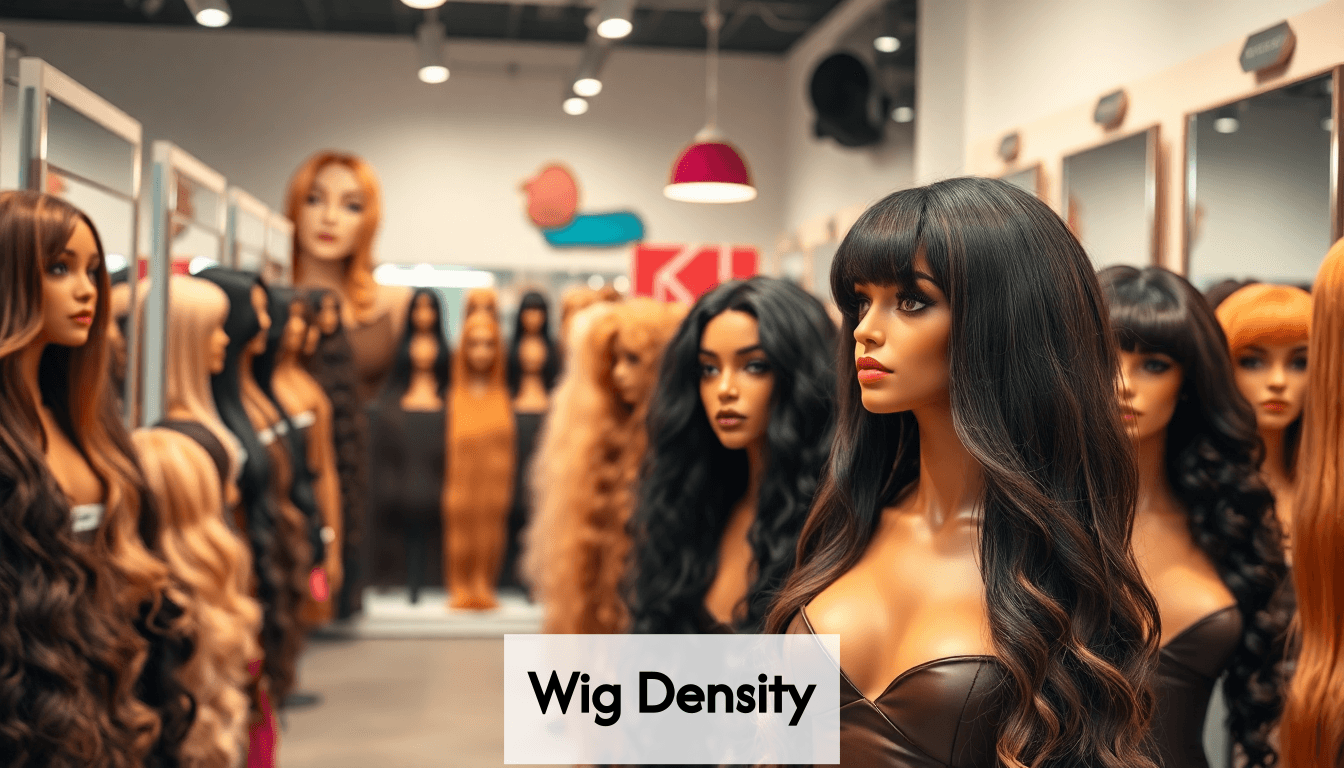
Wigs can transform your look in minutes, but not all wigs are created equal—especially when it comes to density. A 250 density wig boasts a whopping 2.5 times more hair than what most consider normal. This might sound extravagant, but guess what? The real magic lies not just in the volume; it's in how that fullness allows for more versatile styling. Understanding the benefits of wig density can help you make the right choice for your style and comfort. Are you ready to unlock the potential of your next hairpiece?
Understanding 250 Density Wig Meaning: A Simple Guide
Wig density represents how much hair is attached to the wig cap, expressed as a percentage. When you see "250 density wig" mentioned in product descriptions, this indicates the wig has 2.5 times the amount of hair compared to what's considered average for a natural human head. Understanding wig density is crucial for selecting the perfect hairpiece that meets your style preferences and comfort needs.
What Does Density Mean in Wigs?
Density in wigs refers to the concentration of hair strands on the wig cap. Think of it as how closely packed the hair follicles are. A higher density percentage translates to more hair fibers per square inch, resulting in a fuller, more voluminous appearance.
Wig density typically ranges from 80% (very light) to 250% (extremely full). According to UNice Hair, most commercial wigs fall between 130% and 200% density, with 150% being the most popular choice for a natural appearance.
The 250 Density Wig Explained
A 250 density wig represents the highest end of the density spectrum for commercially available wigs. These wigs feature:
- Maximum volume and fullness
- Dramatic, luxurious appearance
- Substantial weight compared to lower density options
- Rich, thick hairline and crown area
- Versatility for elaborate styling options
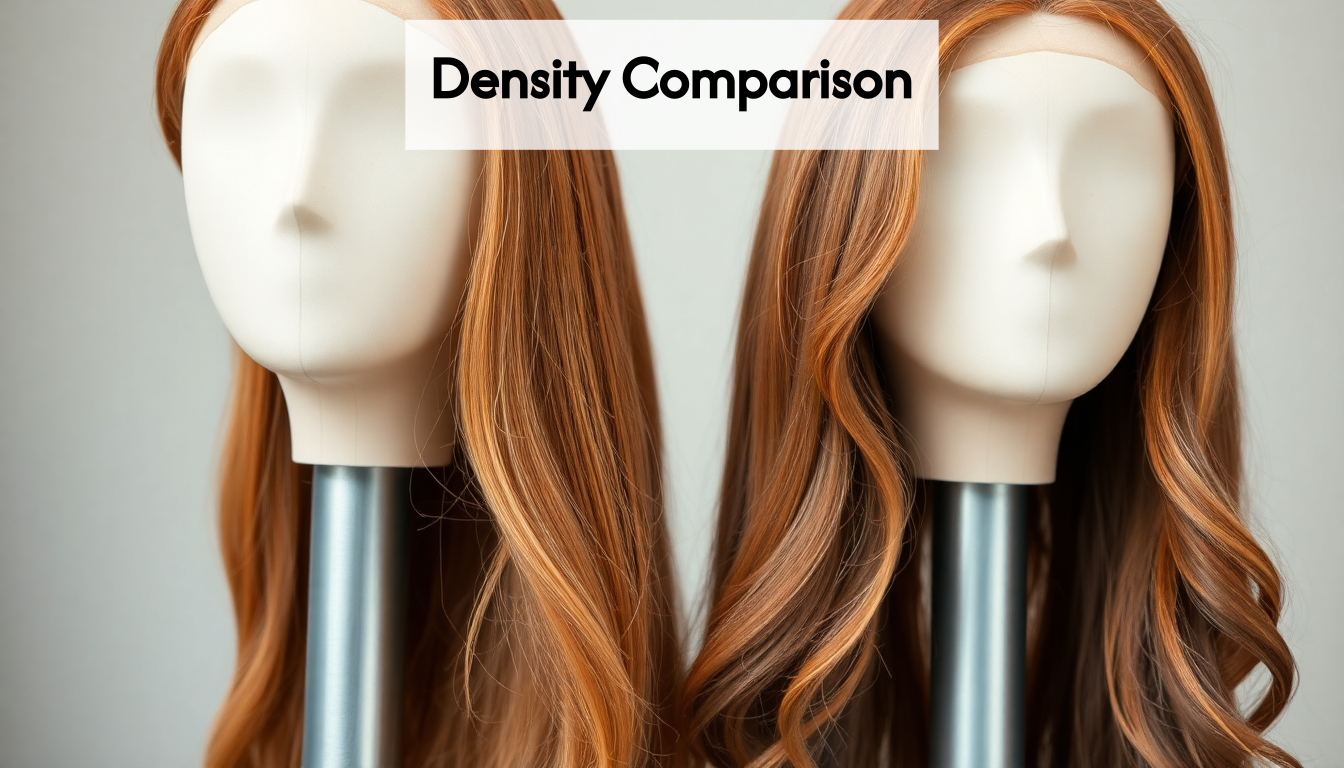
250 density wigs are ideal for those seeking a bold, glamorous look that makes a statement. They're particularly popular for special occasions, photoshoots, and performance situations where maximizing visual impact matters.
Comparing Wig Densities
To better understand what 250 density means, it helps to compare it with other common wig densities:
| Density | Description | Best For |
|---|---|---|
| 130% | Light to medium fullness; most natural appearance | Everyday wear, realistic look, lightweight comfort |
| 150% | Medium fullness; balanced natural look | Versatile styles, everyday wear, natural volume |
| 180% | Medium-high fullness; noticeably thicker | Added volume, styling flexibility, fuller appearance |
| 200% | High fullness; significantly thicker | Dramatic styles, voluminous looks, special occasions |
| 250% | Maximum fullness; extremely thick | Ultimate volume, glamorous styles, statement looks |
Is 250 Density Right For You?
Choosing the best wig density depends on several factors:
-
Desired look and style goals
- Natural appearance vs. dramatic statement
- Everyday wear vs. special occasions
-
Comfort considerations
- Higher density means more weight and potentially more heat
- Your tolerance for heavier wigs during extended wear
-
Styling preferences
- Will you regularly style the wig?
- Do you prefer voluminous styles that hold their shape?
-
Face shape and proportions
- Fuller wigs can balance certain facial features
- Some face shapes are complemented by different hair volumes
-
Seasonal factors
- Consider climate and temperature where you'll wear the wig
- Higher densities may be less comfortable in hot weather
If you're new to wigs, starting with a medium density (150-180%) might be preferable before investing in a maximum density option like 250%. This allows you to adjust to wearing wigs while determining your comfort preferences.
Beyond the Numbers: What 250 Density Feels Like
Beyond technical specifications, it's helpful to understand the practical experience of wearing a 250 density wig. These wigs deliver a substantial presence - there's no mistaking the luxurious volume they provide. The hair feels rich and abundant between your fingers, with significant body and movement.
The trade-off comes in weight and breathability. A 250 density wig contains significantly more hair fibers than lower density options, making it heavier on your head and potentially warmer during extended wear. For many wig enthusiasts, this trade-off is worthwhile for the dramatic aesthetic benefits, especially for special occasions or photoshoots where maximum impact matters more than all-day comfort.
Understanding the 250 density wig meaning empowers you to make informed decisions about which wig density best suits your unique needs, style preferences, and wearing occasions.
Key Takeaways
| Takeaway | Explanation |
|---|---|
| Understand Wig Density | Wig density, ranging from 80% to 250%, indicates how much hair is attached to a wig cap; higher density results in fuller, voluminous wigs. |
| Choose Density for Style and Comfort | Select wig density based on your desired look (natural vs. dramatic) and comfort needs; 250% density wigs offer maximum volume but can be heavier and warmer. |
| Test Before You Commit | If unsure about wig density, it's advisable to start with 150-180% density and gradually move to higher densities as you gain experience. |
| Consider Climate and Lifestyle | Your local climate and daily activities should influence density choice; lower densities are more comfortable in hot weather while higher densities work better for special occasions. |
| Match Density to Hair Length | Different hair lengths pair better with specific densities; for example, 250 density looks more balanced on longer styles than on very short ones. |
Measuring Wig Density Accurately
Understanding how wig density is measured helps you make informed purchasing decisions and ensures you get exactly what you're looking for in terms of hair fullness. Let's explore how manufacturers determine wig density and how you can assess it yourself.
How Manufacturers Calculate Wig Density
Wig density represents the amount of hair on a wig cap compared to an average human head. Manufacturers calculate this by measuring the concentration of hair strands per square inch on the wig cap. For example, a 250 density wig contains approximately 2.5 times the amount of hair found on a typical human scalp.
The industry uses percentage ratings to standardize density measurements across different wig types and brands. These percentages typically range from 80% (very sparse) to 250% (extremely full), with specific increments offering different levels of fullness.
According to Perfect Line Swiss, standard density measurements follow this pattern:
| Density % | Classification | Hair Concentration |
|---|---|---|
| 80-100% | Light | Sparse, very natural |
| 120-130% | Medium-Light | Natural-looking fullness |
| 150% | Medium | Standard commercial fullness |
| 180% | Medium-Heavy | Fuller than average |
| 200% | Heavy | Very full appearance |
| 250% | Extra Heavy | Maximum fullness available |
Visualizing Density Differences
To better understand what these percentages mean visually:
- Light density (80-100%) - Resembles thinning hair or a very natural look; you can easily see the wig cap in some areas
- Medium density (130-150%) - Provides natural-looking coverage; the wig cap isn't visible but the hair isn't overly thick
- Heavy density (180-200%) - Offers a full, voluminous look with substantial body
- Extra heavy density (250%) - Creates dramatic volume with maximum fullness; significantly thicker than natural human hair

How to Assess Wig Density Yourself
When examining a wig, you can get a sense of its density through these practical methods:
Visual Inspection Technique
- Hold the wig up to a light source
- Look through the hair to the cap
- The more difficult it is to see the cap, the higher the density
- Compare the visibility of the cap at different sections (front hairline, crown, sides)
Physical Assessment Method
- Gently pinch a small section of hair between your fingers
- Notice how much resistance you feel
- Higher density wigs will have more hair between your fingers
- Compare this feeling across different wigs to calibrate your sense of density
Weight Comparison
A practical indicator of density is the wig's weight. Higher density wigs contain more hair fibers and are noticeably heavier. While this isn't a precise measurement, comparing the weight of different wigs can give you a general sense of their relative densities.
Common Misconceptions About Wig Density
Many wig buyers confuse density with other hair characteristics:
- Density vs. Hair Thickness - Density refers to the number of hair strands, while thickness refers to the diameter of individual strands
- Density vs. Volume - Volume can be created through styling and texturing, even with lower density wigs
- Density vs. Heaviness - While higher density often means a heavier wig, factors like cap construction and hair type also affect weight
Regional Density Variations
Quality wigs don't have uniform density throughout. They mimic natural hair distribution with variations across different regions of the cap:
- Hairline - Often slightly less dense for a natural appearance
- Crown - Typically the fullest area with maximum density
- Temples - Medium density for a balanced look
- Nape area - Often less dense than the crown
These variations create a more realistic appearance than wigs with uniform density throughout.
Testing 250 Density Specifically
A 250 density wig will have these distinguishing characteristics:
- Extremely full appearance from all angles
- Substantial weight compared to lower density options
- Almost no visibility of the wig cap even when parted
- Rich, thick hair at the crown that holds voluminous styles well
- Significant body and movement when styled
Understanding how to measure and assess wig density empowers you to select the perfect wig for your needs and verify that you're getting the density you're paying for.
Comparing Wig Densities and Effects
While a 250 density wig represents the fullest option available, it's important to understand how it compares to other popular density options. This comparison will help you determine which density best suits your specific needs, style preferences, and comfort requirements.
Visual Comparison of Popular Wig Densities
Let's examine how different wig densities appear when worn:
| Density | Appearance | Best For | Styling Properties |
|---|---|---|---|
| 130% | Natural, lighter coverage | Everyday wear, beginners, hot climates | Easy to style, lightweight, most natural-looking |
| 150% | Medium fullness, balanced look | Versatile styling, everyday wear | Good balance of natural look and styling options |
| 180% | Noticeably fuller than average | Statement styles, more styling options | Holds styles well, substantial presence |
| 200% | Very full, dramatic volume | Special occasions, performance | Dramatic styles, considerable volume |
| 250% | Maximum fullness, luxurious thickness | High-fashion looks, photography, special events | Ultimate volume, dramatic styling potential |
Density Effects on Different Hair Lengths
The impact of wig density varies significantly depending on hair length:
-
Short Styles (Pixie, Bob)
- Lower densities (130-150%) often look more natural
- 250% density can appear unnaturally thick on very short styles
- Medium densities create the most realistic short haircuts
-
Medium Lengths (Shoulder-length)
- 150-180% densities provide natural-looking volume
- 200-250% densities create dramatic, full styles
- Higher densities work well for layered, textured medium cuts
-
Long Styles (Below shoulder)
- Higher densities (180-250%) prevent the "stringy" look common in longer wigs
- 250% density creates luxurious, full long styles
- Weight becomes a significant factor in comfort with longer styles
Density Impact on Different Hair Types and Textures
According to Milano Wigs, hair texture interacts with density to create different effects:
Straight Hair:
- Lower densities look sleek and natural
- Higher densities (200-250%) create dramatic, thick straight styles
- Weight is more noticeable in straight hair than in textured styles
Wavy Hair:
- Medium densities (150-180%) provide natural-looking waves
- 250% density creates dramatic, voluminous wavy styles
- Waves can help disguise higher densities for a more natural appearance
Curly Hair:
- Curly textures appear fuller even at lower densities
- 180-200% density creates full, voluminous curly styles
- 250% density curly wigs offer maximum volume and dramatic presence
Coily/Kinky Hair:
- Lower densities can still appear full due to texture volume
- 150-180% often provides sufficient fullness
- 250% density creates extremely full, statement-making styles
Density Effects on Face Shapes
Wig density can significantly impact how your face shape appears:
- Round Faces - Higher densities (200-250%) can add volume at the crown, creating a lengthening effect
- Square Faces - Medium to high densities with layers soften angular features
- Heart-Shaped Faces - Balanced densities (150-180%) typically complement this face shape
- Oval Faces - Can generally wear any density successfully
- Long Faces - Lower to medium densities with side volume create balance
Density and Comfort Considerations
When comparing wig densities, comfort factors significantly into the decision:
Weight Differences:
- A 250% density wig weighs considerably more than a 130% density wig
- The weight difference becomes more pronounced with longer styles
- Weight can cause fatigue during extended wear periods
Heat Retention:
- Higher density wigs trap more heat against the scalp
- 250% density wigs may be uncomfortable in hot weather or during physical activity
- Consider climate and activity level when selecting density
Breathability:
- Lower density wigs allow more airflow to the scalp
- 250% density wigs have minimal airflow to the scalp
- Wig cap construction can partially offset density-related breathability issues
Lifestyle Considerations When Choosing Density
Your daily activities should influence your density choice:
- Professional Settings - 130-180% densities typically appear most natural in work environments
- Active Lifestyles - Lower to medium densities offer greater comfort during physical activities
- Special Occasions - 200-250% densities create dramatic impact for events and photography
- Daily Wear - Most wearers find 150-180% most comfortable for everyday use
Styling Versatility Across Densities
Density affects your styling options:
- Low to Medium Densities (130-150%) - Easier to achieve sleek, natural styles; limited volume potential
- Medium to High Densities (180-200%) - Good balance of styling options; can be worn sleek or voluminous
- Maximum Density (250%) - Exceptional volume potential; may be challenging to create very sleek styles
By understanding how different densities compare, you can make an informed decision about whether a 250 density wig suits your specific needs or if another density option might better align with your lifestyle, comfort preferences, and styling goals.
Choosing Your Ideal Wig Density
Selecting the perfect wig density is a personal decision that should align with your specific needs, preferences, and lifestyle. While a 250 density wig offers maximum fullness, it may not be the ideal choice for everyone. This section will guide you through the factors to consider when determining your ideal wig density.
Assess Your Natural Hair Density
A good starting point is to consider your natural hair density. Most people feel most comfortable and confident in wigs that somewhat resemble their natural hair volume:
- If you naturally have very thick hair, you might prefer higher density wigs (180-250%)
- If your natural hair is of medium thickness, medium densities (150-180%) may feel most familiar
- If you have naturally fine or thin hair, lighter densities (130-150%) might feel more like "you"
However, many wig wearers specifically choose densities that differ from their natural hair to achieve looks they can't with their bio hair. There's no right or wrong choice—only what makes you feel most confident.
Consider Your Lifestyle Requirements
Your daily activities significantly impact which density will work best for you:
-
Professional environment
- Conservative workplaces may favor more natural-looking densities (130-150%)
- Creative fields often welcome the dramatic look of higher densities (180-250%)
-
Activity level
- Very active lifestyles may benefit from lower to medium densities for comfort
- Higher densities can become hot and heavy during physical activities
-
Maintenance time available
- Higher density wigs require more time for styling and maintenance
- 250% density wigs need more thorough washing and conditioning
-
Frequency of wear
- Daily wear might call for more comfortable, moderate densities
- Occasional wear allows for higher densities without comfort concerns
Match Density to Your Desired Styles
The styles you plan to create should influence your density choice:
| Desired Style | Recommended Density | Reasoning |
|---|---|---|
| Sleek, flat styles | 130-150% | Lower densities lie flatter and look more natural |
| Natural, everyday looks | 150-180% | Balanced density for versatility |
| Voluminous, glamorous styles | 200-250% | Maximum density for dramatic volume |
| Updos and complex styles | 180-250% | Higher densities hold elaborate styles better |
| Layered, textured looks | 150-200% | Medium-high density enhances layers and texture |
Climate and Seasonal Considerations
Your local climate plays a significant role in comfort:
- Hot, humid environments – Lower densities (130-150%) provide better airflow and comfort
- Moderate climates – Medium densities (150-180%) offer versatility year-round
- Cold environments – Higher densities (180-250%) provide additional warmth
Many wig wearers own multiple wigs with different densities for seasonal rotation.
Budget Factors
Wig density directly impacts price:
- Higher density wigs contain more hair fibers, increasing material costs
- 250% density wigs typically cost 20-40% more than 130% density wigs of the same length and quality
- Consider whether the additional fullness justifies the higher investment
Decision-Making Framework
Use this step-by-step approach to determine your ideal density:
-
Identify your primary purpose
- Everyday wear favors natural densities (130-180%)
- Special occasions can support maximum densities (200-250%)
-
Evaluate your comfort priorities
- If lightweight comfort is essential, choose lower densities
- If maximum volume is paramount, higher densities make sense
-
Consider your styling abilities and routine
- Be realistic about your styling skills and time available
- Higher densities require more styling expertise and time
-
Try before committing
- If possible, try on wigs of different densities
- Many retailers offer density sample swatches
-
Start conservative if uncertain
- Beginning with a 150-180% density provides versatility
- You can always move to higher densities later
Special Considerations for 250 Density
If you're specifically considering a 250 density wig, ask yourself:
- Do you prioritize maximum volume over lightweight comfort?
- Are you prepared for the additional styling and maintenance requirements?
- Will the dramatic appearance suit your lifestyle and environments?
- Do you have experience wearing wigs and managing higher densities?
250 density wigs excel in creating statement looks but require more experience to manage effectively. Many wig enthusiasts work their way up to maximum density as they become more experienced with wig wear and care.
By carefully considering these factors, you'll be well-equipped to choose the wig density that best aligns with your unique needs, whether that's the maximum fullness of a 250 density wig or a more moderate option better suited to your specific circumstances.
Frequently Asked Questions
What does a 250 density wig mean?
A 250 density wig has 2.5 times more hair than what is considered average for a human head. This results in maximum volume and fullness, offering a dramatic look.
How does wig density affect the look and feel of a wig?
Wig density directly impacts the volume and weight of the wig. Higher density wigs, like 250%, provide a fuller appearance but can be heavier and warmer to wear.
Who should consider wearing a 250 density wig?
A 250 density wig is ideal for those who want a bold, glamorous look for special occasions, photoshoots, or performances, where maximum visual impact is desired.
What factors should I consider when choosing a wig density?
When choosing a wig density, consider your desired look, comfort level, styling preferences, face shape, and the climate where the wig will be worn.
Elevate Your Wig Game with AI-Powered Insights!
Are you fascinated by the allure of a 250 density wig but concerned about whether it fits your lifestyle and enhances your look? It's no secret that higher density wigs deliver stunning volume and dramatic presence, but they can also present challenges, like increased weight and heat retention. Many individuals worry about finding the balance between achieving that show-stopping style and maintaining overall hair health. This is where Myhair.ai steps in!
Transform your hair experience with our AI-powered platform, which analyzes your hair's unique characteristics and provides tailored recommendations based on your personal hair health journey. Whether you're looking to assess your hair density, monitor growth, or receive professional product suggestions, we've got you covered. Imagine discovering which wig density suits your needs best while ensuring your natural hair remains in peak condition!
Don't let uncertainty hold you back from embracing a fabulous wig. Visit https://myhair.ai today, unlock your personalized hair evaluation and get ready to strut your stuff with confidence. Your hair deserves the best—act now to join a community dedicated to healthier hair and stunning styles!