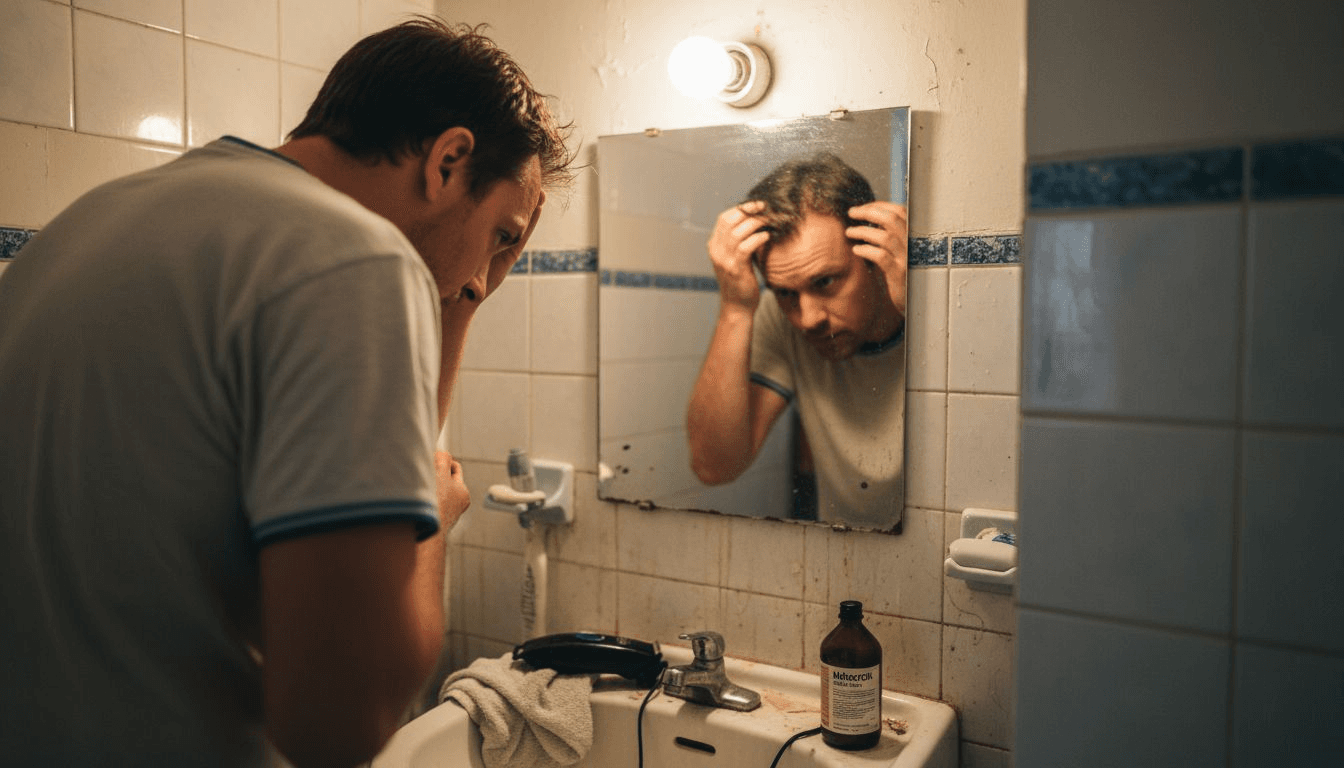
Most men don't realize they're losing hair until 50% of it is gone. By that point, reversing the damage becomes exponentially harder. AI scalp imaging now detects follicle miniaturization up to 30% more accurately than the human eye, catching thinning in its earliest stages when treatment works best. This article reveals how personalized AI technology transforms hair loss diagnosis, proven growth treatments, and progress tracking to help you keep more of your hair longer.
Table of Contents
- Understanding Male Hair Loss: Causes and Mechanisms
- How AI Transforms Hair Health Diagnostics and Personalization
- Proven Hair Growth Treatments: From Topicals to Technology
- Tracking and Measuring Hair Growth Progress with Technology
- Common Misconceptions About Male Hair Loss and Growth Treatments
- Choosing and Implementing the Best Hair Growth Strategy for You
- Explore AI-Powered Hair Growth Solutions with MyHair
- Frequently Asked Questions About Hair Growth for Men
Key Takeaways
| Point | Details |
|---|---|
| Genetics and DHT drive hair loss | Male pattern baldness stems from inherited sensitivity to dihydrotestosterone hormone causing follicle shrinkage. |
| AI improves early detection by 30% | Advanced scalp imaging identifies thinning before visible loss occurs, enabling timely intervention. |
| Combination treatments work best | Minoxidil, finasteride, and laser therapy together outperform single approaches for regrowth. |
| Lifestyle factors impact results | Stress management and nutrition directly influence treatment effectiveness and hair health. |
| Digital tracking ensures personalization | AI monitoring quantifies density changes, enabling real-time treatment adjustments for optimal outcomes. |
Understanding Male Hair Loss: Causes and Mechanisms
Hair loss doesn't happen randomly. About 50% of men experience noticeable thinning by age 50, driven primarily by genetics and hormones. The villain here is dihydrotestosterone (DHT), a testosterone derivative that shrinks hair follicles over time.
When DHT binds to receptors in genetically susceptible follicles, it triggers a process called miniaturization. Your thick terminal hairs gradually transform into fine, short vellus hairs barely visible to the naked eye. Eventually, follicles stop producing hair altogether.
Androgenetic alopecia, the medical term for male pattern baldness, follows predictable patterns. It typically starts with receding temples or crown thinning, spreading outward as years pass. Understanding these causes of male hair loss helps distinguish normal shedding from pathological loss.
Early warning signs include:
- Increased hair on your pillow or shower drain beyond normal daily shedding of 50 to 100 hairs
- Widening part lines or visible scalp where hair previously covered it completely
- Thinner ponytail diameter if you tie your hair back regularly
- Receding hairline creating an M-shaped pattern at temples
Recognizing these signals early matters because treatment effectiveness drops dramatically once follicles die completely. The earlier you intervene, the more hair you preserve.
How AI Transforms Hair Health Diagnostics and Personalization
Traditional diagnosis relies on visual inspection and patient history, methods prone to subjective error. AI scalp imaging improves diagnostic accuracy by up to 30% compared to conventional approaches, detecting changes invisible to dermatologists during routine exams.
AI algorithms analyze thousands of data points from high-resolution scalp images. They measure follicle density, hair shaft diameter, growth phase distribution, and inflammation markers simultaneously. This comprehensive analysis reveals miniaturization patterns months before you'd notice thinning in the mirror.

AI scalp imaging and analysis creates personalized baselines unique to your hair characteristics. The system tracks microscopic changes over weeks and months, identifying treatment responses or concerning trends requiring intervention adjustments.
Key advantages include:
- Objective quantification removing guesswork from progress evaluation
- Early detection enabling intervention before significant follicle damage occurs
- Pattern recognition identifying specific hair loss types requiring different treatment protocols
- Predictive modeling forecasting future thinning trajectories based on current data
Personalized treatment algorithms leverage AI analysis to recommend optimal therapy combinations. Instead of generic protocols, you receive strategies calibrated to your genetic profile, loss pattern, lifestyle factors, and treatment goals.
Pro Tip: Take monthly AI scans under consistent lighting conditions at the same time of day. Morning scans after washing eliminate styling product variables that skew density measurements.
Regular monitoring catches subtle shifts that signal treatment effectiveness or the need for protocol modifications. This feedback loop transforms static treatment plans into dynamic strategies adapting as your hair responds.
Proven Hair Growth Treatments: From Topicals to Technology
Not all hair growth products deliver on their promises. Focus on FDA-approved and clinically validated options with substantial research backing their efficacy claims.
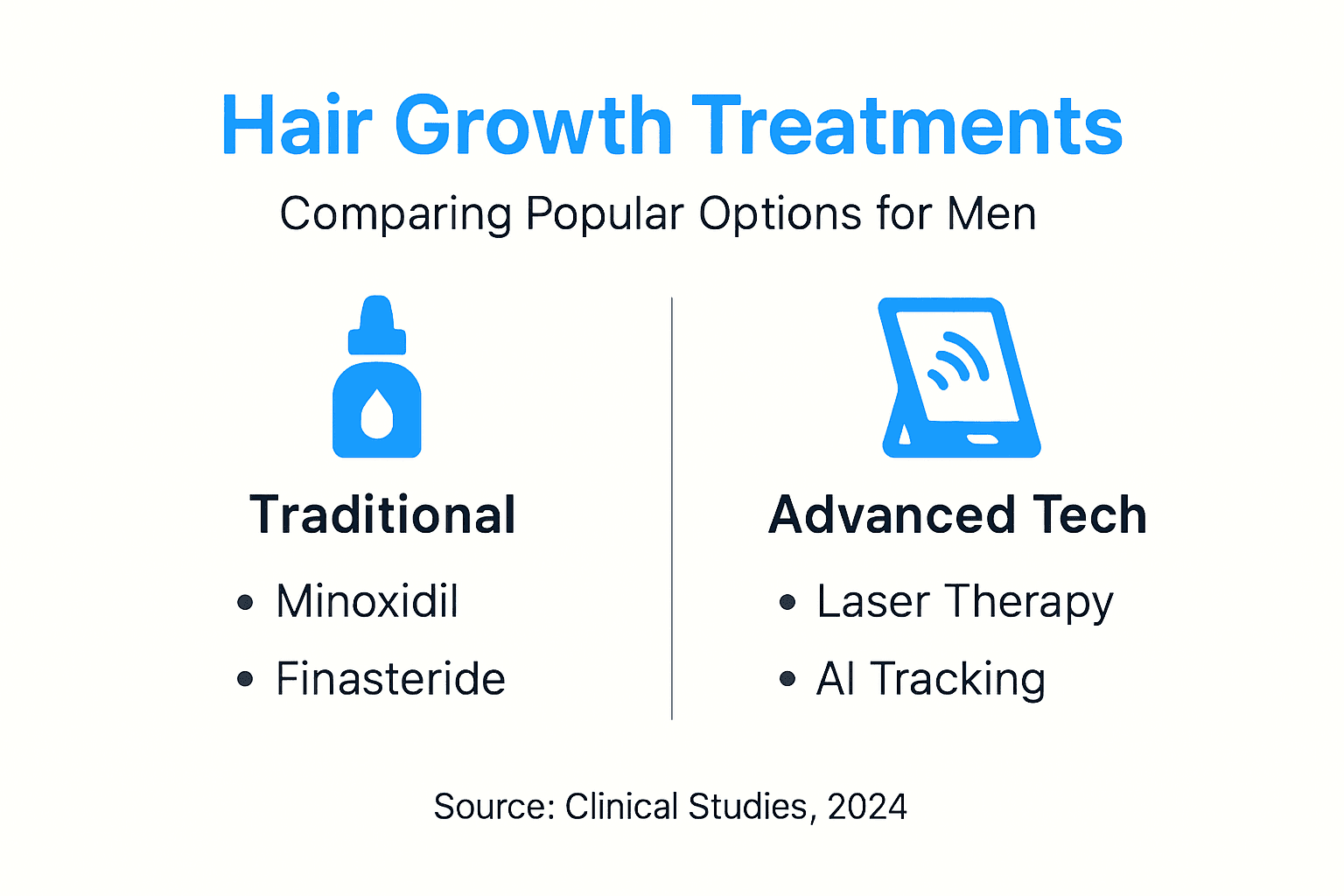
Minoxidil increases hair count by 10 to 20% over 12 months when applied topically twice daily. This vasodilator enhances blood flow to follicles, extending growth phases and stimulating dormant follicles. Results typically appear after four months of consistent use.
Finasteride reduces hair loss progression by 60% and promotes regrowth in 48% of users after one year. This oral DHT blocker prevents testosterone conversion, protecting follicles from hormonal damage. Daily 1mg doses deliver optimal results with minimal side effects for most men.
Low-level laser therapy improves hair density by approximately 20% after six months of regular sessions. Red light wavelengths stimulate cellular metabolism in follicles, enhancing ATP production and encouraging growth phase entry. Handheld devices or laser caps offer convenient home treatment.
| Treatment Type | Mechanism | Efficacy Timeline | Typical Results |
|---|---|---|---|
| Minoxidil (topical) | Vasodilation, growth phase extension | 4 to 6 months | 10 to 20% density increase |
| Finasteride (oral) | DHT blocking | 6 to 12 months | 60% reduced loss, 48% regrowth |
| Laser Therapy | Cellular metabolism boost | 6 months | 20% density improvement |
| Nutraceuticals | Nutritional support | 3 to 6 months | Variable based on deficiency |
Nutraceutical supplements benefit men with specific deficiencies. Iron, zinc, biotin, and vitamins D and B-complex support follicle function when baseline levels fall short. Testing identifies deficiencies before supplementation begins.
Combination protocols leveraging multiple mechanisms simultaneously produce superior outcomes. Pairing minoxidil with finasteride addresses both blood flow and hormonal factors. Adding laser therapy enhances cellular function across all follicles.
Pro Tip: Start combination therapy immediately after AI diagnosis confirms early miniaturization. Waiting for visible thinning reduces treatment effectiveness by limiting viable follicles available for recovery.
Effective hair growth treatments require patience and consistency. Most protocols need six to twelve months before substantial improvements become visible.
Tracking and Measuring Hair Growth Progress with Technology
You can't optimize what you don't measure. AI-powered apps quantify density, thickness, and coverage changes with precision rivaling professional dermatology equipment.
AI hair tracking tools maintain accuracy within 5% margins compared to clinical assessments. This precision enables detection of subtle improvements or setbacks missed during mirror checks.
Digital monitoring provides several critical advantages:
- Objective progress documentation eliminating perception bias from daily mirror observations
- Early identification of treatment effectiveness before visible changes occur
- Motivation maintenance through quantified improvements validating your protocol adherence
- Data-driven adjustment timing preventing premature treatment abandonment
- Longitudinal trend analysis revealing seasonal patterns or environmental impacts
Consistent hair loss tracking techniques prevent the discouragement that causes many men to quit effective treatments prematurely. When you see gradual density increases in monthly reports, you stay committed through the slow initial phases.
Real-world case studies demonstrate the power of tracking. Men who monitor progress digitally show 40% better treatment adherence compared to those relying on subjective assessment alone. Better adherence directly translates to superior regrowth outcomes.
Set scanning reminders on your phone. Treat monthly documentation as non-negotiable appointments with your future self. The five minutes invested today compound into visible improvements six months from now.
Common Misconceptions About Male Hair Loss and Growth Treatments
Myths about hair loss lead men down ineffective paths, wasting time and money on useless interventions. Let's demolish the most persistent misconceptions.
Hair loss stems from genetics and hormones, not hygiene habits. Washing frequency doesn't accelerate thinning. You're seeing hairs that were already destined to shed. In fact, scalp cleanliness supports follicle health by removing sebum buildup and inflammation triggers.
Shampoo choice matters less than genetics. Expensive boutique formulas don't outperform proven medical treatments. No shampoo alone reverses androgenetic alopecia, though some ingredients like ketoconazole provide modest anti-DHT benefits as adjunct therapy.
Pricey treatments aren't automatically superior. A personalized combination of generic minoxidil, finasteride, and lifestyle optimization often surpasses expensive proprietary blends. Focus on evidence-based ingredients rather than marketing claims.
Key facts:
- Early intervention prevents permanent baldness rather than guarantees it
- Stress and poor nutrition worsen genetic hair loss rather than cause it independently
- Treatment works best when started early before follicle death occurs
- Consistency matters more than treatment cost for long-term success
Understanding the science prevents common mistakes like over-washing, abandoning effective protocols too soon, or falling for miracle cure scams promising overnight regrowth.
Choosing and Implementing the Best Hair Growth Strategy for You
You now understand the causes, AI advantages, proven treatments, and tracking methods. Time to build your personalized action plan integrating these elements into a cohesive strategy.
-
Start with an AI scalp scan establishing your baseline hair density, miniaturization patterns, and loss severity. This diagnosis guides all subsequent decisions about treatment intensity and combination choices.
-
Select your treatment protocol based on AI recommendations and your lifestyle. Combination therapy typically includes topical minoxidil twice daily, oral finasteride once daily, and laser therapy three times weekly for comprehensive coverage.
-
Implement lifestyle optimizations enhancing treatment effectiveness. Manage stress through regular exercise, adequate sleep, and relaxation practices. Eat a nutrient-dense diet rich in protein, healthy fats, and micronutrients supporting follicle function.
-
Schedule monthly AI scans tracking density changes and treatment response. Review results with the same critical eye you'd apply to fitness progress photos, celebrating small improvements while staying committed through plateaus.
-
Adjust your protocol based on data trends after three to six months. If progress stalls, consider adding complementary treatments or increasing application frequency. If side effects emerge, modify dosages under medical guidance.
Set realistic expectations from the start. Visible improvements require six to twelve months of consistent adherence. You're reversing years of gradual follicle damage, a process that takes time even with optimal protocols.
Pro Tip: Document your protocol in a simple spreadsheet tracking application times, supplement doses, and any side effects. This record helps identify patterns and ensures consistent execution of your personalized hair growth strategies.
AI-powered hair growth therapy removes guesswork from traditionally trial-and-error treatment selection. You skip ineffective approaches, focusing energy on protocols proven for your specific loss pattern.
Consistency trumps perfection. Missing occasional applications won't destroy progress, but chronic inconsistency prevents treatments from reaching therapeutic thresholds. Build habits around your regimen, linking applications to existing routines like teeth brushing.
This stepwise AI guide for hairline growth provides structure while remaining flexible enough to adapt as your needs evolve. The goal isn't rigid adherence to a static plan but rather intelligent adaptation based on continuous feedback.
Explore AI-Powered Hair Growth Solutions with MyHair
Ready to stop guessing and start growing? MyHair transforms hair loss treatment from frustrating trial and error into precise, personalized science. Our cutting-edge AI-powered hair analysis detects thinning months before visible loss occurs, giving you a crucial head start on preservation.
Access tailored treatment recommendations combining FDA-approved topicals, oral medications, and advanced devices calibrated to your unique loss pattern. Track your progress digitally with monthly scans, adjusting your plan efficiently as your hair responds. Our expert-backed AI guidance ensures you're never navigating this journey alone. Start your personalized hair care journey today through our simple app onboarding process and discover what precision hair health management can achieve.
Frequently Asked Questions About Hair Growth for Men
What causes male pattern hair loss?
Male pattern baldness results from genetic predisposition combined with DHT hormone effects on follicles. DHT causes progressive miniaturization in genetically susceptible hair, shrinking follicles until they stop producing visible hair.
How quickly can AI detect early hair thinning?
AI scalp imaging identifies miniaturization patterns months before visible thinning occurs, often catching changes within the first 10 to 15% of follicle diameter reduction. This early detection enables intervention when treatment effectiveness peaks.
Are AI-based treatments more effective than traditional methods?
AI doesn't replace proven treatments like minoxidil or finasteride but dramatically improves personalization and monitoring. The technology ensures you receive optimal protocol combinations and adjust based on quantified progress rather than guesswork.
Can lifestyle changes really affect hair growth?
Yes, stress management, nutrition optimization, and sleep quality directly impact treatment effectiveness by 20 to 30%. These factors influence hormone levels, inflammation, and nutrient availability to follicles, supporting or hindering medical treatments.
What is the best way to track hair growth progress?
Monthly AI scalp scans under consistent conditions provide the most accurate progress tracking. These digital assessments quantify density and thickness changes objectively, preventing perception bias and maintaining motivation through gradual improvement phases.
Recommended
- Achieve Hairline Growth with AI-Powered Steps for Men | MyHair
- Achieve Real Results with AI-Powered Hair Growth Therapy | MyHair
- Male Pattern Baldness Treatment: Proven Solutions for 2025 | MyHair
- Hair Loss Shampoo for Men: Tailored Results with AI | MyHair
- Chemo Hair Loss? Try This Natural-Looking Solution