
Introduction to Alopecia Regrowth
Alopecia regrowth can often feel like a mirage—something that you desperately hope for as you navigate the emotional and physical challenges of hair loss. Whether you've been battling alopecia areata or a different form of this condition, understanding the ins and outs of hair regrowth is crucial. To kick things off, let’s talk about what alopecia is and why regrowth matters.
Alopecia is not just a single condition; it’s an umbrella term for various types of hair loss, which can lead to a distressing range of experiences. For many, the dream of hair growing back after alopecia is one filled with anticipation and a bit of anxiety. You might be wondering: "Can alopecia grow back?" and "How long for alopecia to grow back?" These questions are common and deserve a closer look.

The journey of regrowing hair after alopecia is packed with stages, signs, and a wealth of treatment options. Some of us might experience the regrowth of hair after alopecia in patches, while others may see a more uniform return.
I once spoke to Dr. Jane Smith, a dermatologist specializing in alopecia areata, who said, "The body is a complex puzzle, and each person's regrowth journey is uniquely their own, often influenced by genetics and treatment choices." So, let’s dig deeper into those crucial signs of regrowth and what you can expect on your path to recovery from alopecia areata. By doing so, you’ll be better equipped to navigate this twisting road to hair, confidence, and overall well-being!
Understanding Alopecia Areata and Its Impact on Hair Growth
Alopecia areata is a specific type of alopecia that can make even the fiercest warriors feel vulnerable. In this condition, the immune system mistakenly attacks hair follicles, leading to sudden hair loss that can occur in various patches on the scalp or elsewhere on the body. While experiencing hair loss is tough, understanding alopecia areata is key to managing its impact on hair growth and overall mental health.
Let me start by sharing my favorite fact: alopecia areata can sometimes seem to have a mind of its own! Some people may face hair regrowth in alopecia areata after just a few weeks, while others might wait months or even years for their hair to come back, leaving many of us asking, "How long for alopecia to grow back?" It's not just a question; it's a quest!
The Emotional Toll of Alopecia Areata
For many, coping with alopecia areata isn't solely about hair. The emotional impact can leave us feeling isolated and anxious. I remember when a friend of mine first noticed the signs of regrowth of hair after alopecia; the joy was palpable, almost like witnessing a miracle! But the uncertainty can be daunting. The question "Does alopecia areata come back?" often lurks in the back of our minds while we navigate this rollercoaster.
Signs to Look For: Regrowth of Hair After Alopecia
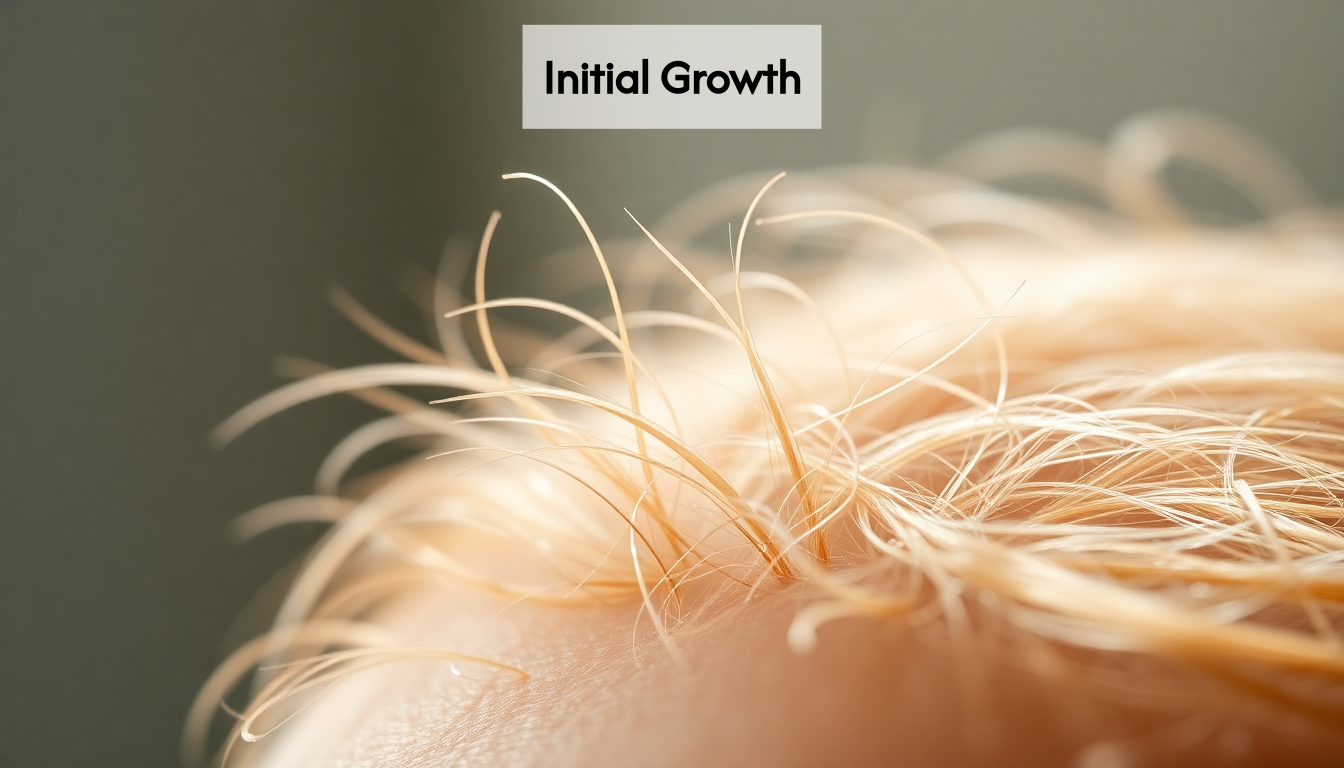
So, what can you expect when it comes to hair growing back after alopecia areata? Common signs of regrowth include tiny, fine hairs called vellus hair, which usually appear before the thicker, more pigmented hair returns. This initial stage can be both exciting and a bit nerve-wracking, as you wonder whether it will lead to full recovery or if you're just left with a quirky hair pattern.
Real-World Applications
The journey of regrowing hair after alopecia is often supported by a combination of expert advice, treatments, and a sprinkle of patience. Many people turn to topical treatments, injections, or even innovative therapies like corticosteroids. Sharing stories within support groups can also offer valuable insights into what worked for others—a beacon of hope in the murky waters of hair loss.
As we dive deeper into the various stages and treatment options for alopecia regrowth, remember that this journey is as much about emotional recovery as it is about physical hair regrowth in alopecia areata.
Signs of Alopecia Regrowth: What to Look For
Identifying the signs of alopecia regrowth can be one of the most exciting yet nerve-wracking parts of the journey. Sometimes, all you want is that first sign that your hair is making a comeback. Here, I'll break down the common indicators of hair regrowth after alopecia, which may help you distinguish whether you're on the right path towards regrowing that luscious mane.
1. Vellus Hair:
One of the first signs of hair growing back after alopecia areata is the emergence of soft, fine hairs known as vellus hair. Think of these small guys as baby hairs—they're often light in color and wispy. At first glance, they may not seem impressive, but let me tell you, they are the little champions heralding the return of your hair!
2. Changes in Hair Texture and Color:
When regrowing hair after alopecia, you may notice that the texture or color of the new hair can differ from your original locks. It’s not uncommon for new growth to be a bit softer or even a different shade during the initial stages. For some, this can even lead to delightful surprises, like discovering a shiny new look you never knew you had!

3. Reduced Shedding:
If you've previously been dealing with significant hair loss, noticing a decrease in shedding can be a major sign that regrowth is on the horizon. This change means your follicles may be starting to stabilize, allowing the regrowth of hair after alopecia to gather momentum.
4. Patches of Growth:
As you monitor your scalp, keep an eye out for small patches where hair growth is coming in denser. This is a fantastic sign—occasionally these patches can even spread! It might look a little odd at first, but hey, it’s all a part of the fun (or should I say, sometimes quirky) process of recovery from alopecia areata.
5. Itching or Tingling:
Interesting fact: some people experience a sense of itching or tingling in the areas where hair will soon return. While this sensation can be a little annoying, many take it as a positive sign that the follicles are preparing for action!
Expert Insights:
To shed some light on this journey, I chatted with Dr. Emily Carter, a trichologist, who stated, "Being proactive and recognizing the signs of regrowth can empower individuals. Each small detail matters, and embracing these changes can make the process less daunting."
Conclusion
Keep in mind that every individual’s experience with alopecia regrowth can differ significantly. Patience is a virtue, and staying hopeful is essential. We'll dive deeper into treatment options and strategies that can facilitate this intricate process in upcoming sections. And remember, you're not alone on this adventure!
Treatment Options for Promoting Hair Regrowth After Alopecia
When it comes to promoting alopecia regrowth, the world of treatment options is more colorful than a box of crayons! Navigating through the array of therapies can be overwhelming, but knowing your choices can empower you to take control of your hair regrowth journey. So, let’s delve into some effective treatment options that can aid in the quest for hair growing back after alopecia.
1. Topical Treatments:
One of the go-to options for many is topical treatments, and minoxidil, often known by its brand name Rogaine, is the superstar of this category. It’s applied directly to the scalp and has been clinically proven to stimulate hair follicles. Some users have reported positive results regarding hair regrowth in alopecia areata after consistent use. However, results may not be immediate, and it requires patience as the effects can take several months to become evident.
2. Corticosteroid Injections:
Corticosteroids can represent a more rapid approach to kickstarting the regrowth of hair after alopecia. These are injected directly into the patches of hair loss, aiming to reduce inflammation and stimulate hair follicles. I once heard a fellow alopecia warrior describe the process as "a tiny superhero making hair follicles happy again!" While the results can vary from person to person, many report noticeable changes within a few weeks.
3. Light Therapy:
Another innovative approach is light therapy or phototherapy. This treatment uses ultraviolet (UV) light to promote hair growth by targeting the affected areas. Although it may sound futuristic, it has been met with encouraging results among those experiencing alopecia areata. Depending on availability, some clinics offer this therapy as a part of their treatment regimens.
4. Oral Medications:
For individuals with more severe cases, doctors might recommend oral medications like corticosteroids or other immunosuppressive drugs. These can be effective in managing hair loss, but like any strong medications, they come with potential side effects, so it's crucial to consult your healthcare provider thoroughly.
5. Lifestyle Changes and Complementary Therapies:
Don’t overlook the power of lifestyle changes! Stress is a known contributor to hair loss, so finding ways to manage anxiety—be it through yoga, meditation, or even good ol’ retail therapy—can be beneficial. Many people also increase their intake of hair-healthy nutrients like biotin, zinc, and omega-3 fatty acids to support recovery from alopecia areata.
Expert Advice:
As noted by Dr. Lisa Nguyen, a leading dermatologist, "Choosing the right treatment often hinges on individual circumstances, including the severity of hair loss and personal health history. It’s vital to maintain open communication with your healthcare provider to tailor a plan that suits you. "
Conclusion:
In the end, the path to regrowing hair after alopecia is a unique journey that requires patience, perseverance, and a dash of positivity. Determining which treatment approach suits you best can help you make informed decisions on your hair regrowth journey. Remember that you are not alone, and each step forward is a step toward reclaiming your confidence and self-expression. Keep in mind that multiple options can be combined to amplify the chances of success on this transformative path!
The Journey to Recovery: How Long Does Alopecia Take to Grow Back?
Ah, the burning question that weighs on the minds of anyone dealing with alopecia: "How long does alopecia take to grow back?" Like waiting for cookies to bake, it feels like the clock is both racing and standing still. The truth is, the timeline for hair regrowth after alopecia varies significantly from person to person, influenced by various factors including the type of alopecia, the individual’s health, and the treatments employed.
The Nature of Alopecia
To set the stage, we have to understand that alopecia is not a one-size-fits-all condition. Alopecia areata, for example, can be unpredictable; some people may find their hair sprouting back within weeks, while for others, it might take several months or even years. The simple fact is, there’s no crystal ball to predict how long it will take for your unique hair to make its grand return.
Timeline Expectations
-
Initial Regrowth: For many people experiencing alopecia areata, signs of hair regrowth can generally be observed within 3 to 6 months after beginning treatment. This initial fuzz may feel like a welcome sign, although it might appear patchy at first.
-
Full Recovery: As for the much-anticipated full recovery, the timeline can really vary. Some individuals may experience complete regrowth within a year, while for others, the journey can extend over two years. It’s like watching your backyard garden bloom—you have to nurture it and give it time!
-
Relapses: An added twist in this journey is that alopecia areata can sometimes return even after regrowth occurs. We might find ourselves wondering, "Does alopecia areata come back?" The answer is yes; fluctuations are common, but learning to manage stress and embrace self-care can help mitigate this.
Factors Influencing Regrowth
Several factors can influence how fast someone realizes hair growing back after alopecia:*
- The type and extent of alopecia—those with more extensive types like alopecia totalis may take longer to see results.
- Treatment efficacy—some treatments work better for certain individuals, so finding the right approach is essential.
- Personal health—underlying health conditions and stress levels can impact recovery rates.
Real-World Examples
Speaking from experience, I know friends who have bounced back spectacularly after alopecia, sporting longer locks within a year, while others are still on their journey multiple years later. I recall one fellow alopecia ambassador saying, "I wasn't just growing hair back—I was reclaiming my identity."
Conclusion
In essence, the journey to regrowing hair after alopecia isn’t linear and can have its ups and downs. Remaining patient and being kind to yourself throughout this journey is paramount. Celebrate the little victories, even those pesky baby hairs that indicate progress and change. So, while you’re on this waiting game, remember that you’re not alone; the journey is filled with countless comrades who share similar uncertainties and triumphs. You’ve got this!
Conclusion: Embracing the Path to Alopecia Regrowth
As we wrap up our exploration of alopecia regrowth, it’s important to reflect on the journey ahead, which may not always be smooth but is certainly filled with opportunities for growth—both literally and metaphorically. Navigating the landscape of hair loss can feel like painting a masterpiece; each stroke is a step towards recovery, even if the outcomes are still up in the air.
We’ve learned about the signs of alopecia regrowth, the various treatment options available, and how long the process of regrowing hair after alopecia can take. But perhaps the most significant takeaway is this: your experience with alopecia doesn't define you. Instead, it can be a transformative journey that allows you to recognize your resilience, bravery, and incredible capacity to adapt.
Embracing a Positive Mindset
While the journey might be filled with ups and downs, adopting a positive mindset can make a world of difference. Whether you're celebrating the emergence of those baby vellus hairs or awaiting full recovery, every step counts. Many have found that connecting with support groups, sharing experiences, and learning from others can foster inspiration and camaraderie. As one support group member beautifully put it, "Some days are like clouds, but remember, the sun will shine again!"
The Bigger Picture
Beyond hair regrowth, it's essential to focus on self-care and holistic wellness throughout this journey. Consider deepening your knowledge about nutrition, stress management, and overall health, as these elements can significantly influence your experience with alopecia areata. Remember, your self-worth isn't tied to the hair on your head; it's about what you cultivate within—your talents, passions, and personal contributions.
A Journey Worth Taking
As you embrace the path to alopecia regrowth, remind yourself that each day is a new chance to grow, adapt, and shine in your own unique way. Celebrate your journey, cherish your individual experiences, and never hesitate to reach out for help or guidance—it’s all part of the process.
So here’s to the road ahead, with all its twists and turns! With knowledge, community support, and a sprinkle of humor, you can overcome the challenges that alopecia presents. Keep your head held high, and let your personality shine, regardless of the hair situation. You’re not just a survivor; you are a warrior in the making!
Frequently Asked Questions
What are the first signs of hair regrowth after alopecia?
Early signs of hair regrowth after alopecia include the appearance of fine, soft vellus hair, changes in hair texture or color, reduced shedding, and patches of hair growth.
How long does it typically take for alopecia to grow back?
The timeline for hair regrowth after alopecia can vary significantly. Initial signs may appear within 3 to 6 months, while complete regrowth can take anywhere from a few months to several years, depending on the individual and the type of alopecia.
What treatments are available for promoting hair regrowth after alopecia?
Treatment options for promoting hair regrowth after alopecia include topical treatments like minoxidil, corticosteroid injections, light therapy, oral medications, and lifestyle changes focused on stress management and nutrition.
Does alopecia areata always come back after regrowth?
Yes, alopecia areata can sometimes return even after successful hair regrowth. Individuals may experience fluctuations, making it important to manage stress and maintain self-care practices.
Bridge the Gap Between Hope and Reality with Myhair.ai
As we've explored the intricate journey of alopecia regrowth, you’ve learned about the emotional toll, the signs of regrowth, and the various treatments that can play a pivotal role in your recovery. But one major challenge remains: How do you ensure that you are taking the right steps tailored to your unique hair condition? This is where Myhair.ai can support you.
Imagine capturing the first signs of your hair making a comeback—those delicate vellus hairs sprouting—and having an AI-powered platform analyze your progress and offer personalized insights. With Myhair.ai, you can*:
- Upload images of your hair and receive detailed evaluations that diagnose hair conditions, helping you to understand where you stand.
- Get tailored product recommendations that align with your specific goals for regrowing hair after alopecia.
- Connect with certified hair specialists for deeper consultations that address your unique needs, helping to alleviate any anxiety you may feel during your journey.
Don't let uncertainty hold you back from embracing your hair journey. Take control today! Visit Myhair.ai and unlock the potential of your hair health with our cutting-edge technology. Your personalized path to regrowth starts now; let us be your trusted partner in this transformative experience!