Did you know that over 50 million Americans experience hair loss every year? Searching for natural ways to support hair health is more popular than ever. Argan oil has become a favorite for its nutrient rich properties, but getting real results starts with a smart approach. Understanding every step from your scalp’s condition to product choice can help you see stronger, healthier hair over time.
Quick Summary
| Key Point | Explanation |
|---|---|
| 1. Assess scalp and hair condition | Examine your scalp for signs of shedding or disorders that affect hair health before starting treatments. |
| 2. Choose pure, organic argan oil | Look for 100% pure Argania Spinosa Kernel Oil with certifications to ensure quality and efficacy. |
| 3. Apply oil using the right technique | Use just 1-2 drops, focusing on the mid lengths and ends, and consider warming the oil first for better absorption. |
| 4. Integrate argan oil into your routine | Determine a consistent application schedule based on your hair type and lifestyle to maintain hair health effectively. |
| 5. Track progress over time | Document your hair's condition and changes to evaluate the effectiveness of your argan oil treatment accurately. |
Table of Contents
- Step 1: Assess Your Hair and Scalp Condition
- Step 2: Select High-Quality Argan Oil Products
- Step 3: Apply Argan Oil for Maximum Absorption
- Step 4: Incorporate Treatment into Your Routine
- Step 5: Track Hair Changes and Evaluate Results
Step 1: Assess Your Hair and Scalp Condition
Before applying argan oil for hair loss, understanding your current scalp and hair health is critical. This initial assessment helps you customize your treatment strategy and track potential improvements.
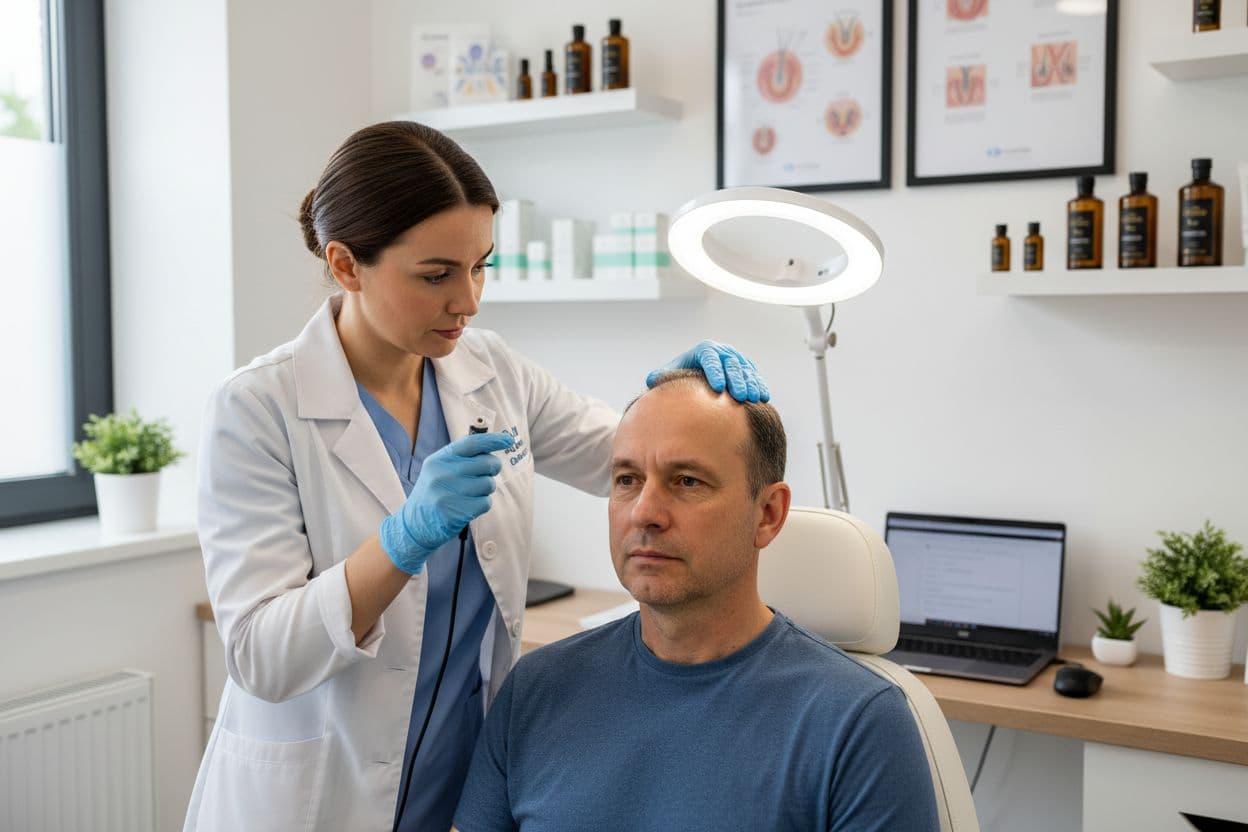
Start by carefully examining your scalp and hair in good lighting. Look for key indicators like excessive shedding, dry or flaky skin, unusual redness, or areas of thinning. According to research from Healthline, argan oil's anti inflammatory properties can help address underlying scalp conditions that might contribute to hair loss.
Gently part your hair in multiple sections to inspect your scalp closely. Check for signs of scalp disorders such as seborrheic dermatitis or psoriasis which can impact hair growth. These conditions create an unhealthy environment that disrupts normal hair follicle function.
To conduct a simple hair strand test, gently pull a small section of hair. Healthy hair should have minimal breakage. If you notice more than 5 6 strands coming out easily, this might indicate potential hair loss concerns. Our guide on understanding hair health can provide more detailed insights into interpreting these signs.
Document your findings by taking clear photographs of your scalp and measuring hair thickness in different areas. This baseline documentation will help you track progress as you begin using argan oil treatments.
Pro Tip: Always assess your hair and scalp when hair is clean and free from styling products for the most accurate evaluation.
Your next step will involve selecting the right argan oil and preparing a targeted treatment plan based on these initial observations.
Step 2: Select High-Quality Argan Oil Products
Choosing the right argan oil is crucial for effectively addressing hair loss and supporting scalp health. Not all argan oils are created equal, and understanding what makes a high quality product can dramatically improve your hair care results.
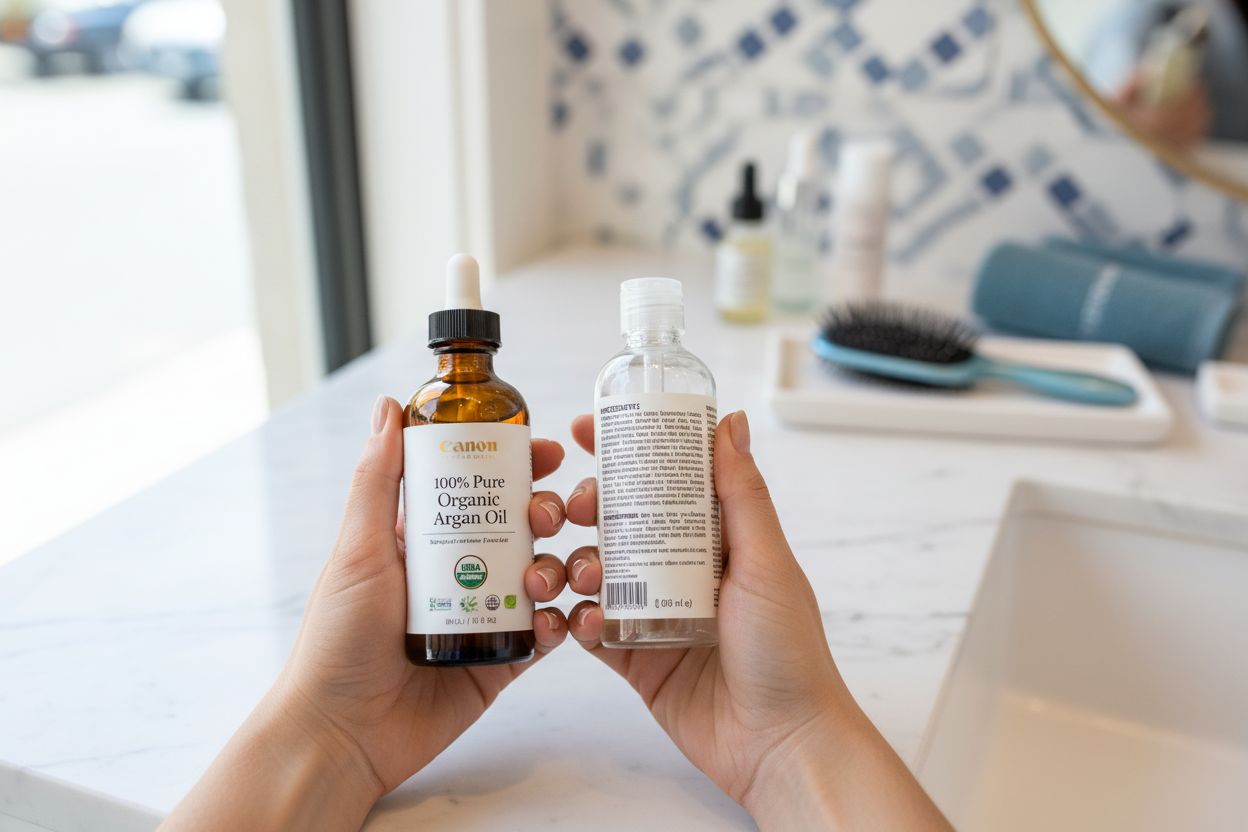
According to research from Clinic Advisor, the first thing to look for is a pure and organic product. Seek out labels that specifically state 100% pure Argania Spinosa Kernel Oil with certifications like USDA Organic, Ecocert, or Fair Trade. These indicators suggest the oil has been responsibly sourced and minimally processed.
Examine the packaging carefully. As recommended by argan oil experts, the oil should be stored in dark glass bottles which protect the delicate nutrients from light degradation. When you open the bottle, a subtle nutty aroma should greet you. The texture should feel lightweight and absorb quickly without leaving a greasy residue on your hands or hair.
Read our comprehensive guide on understanding argan oil hair care to dive deeper into product selection nuances. Pay close attention to the ingredient list. Authentic argan oil should contain only one ingredient Argania Spinosa Kernel Oil. Any additional chemicals or additives can reduce the oil's effectiveness and potentially irritate your scalp.
Pro Tip: Purchase smaller quantities initially to test the oil's quality and your personal scalp response before committing to a larger bottle.
Your next step will involve understanding the proper application techniques to maximize argan oil's potential for supporting hair health and minimizing loss.
Step 3: Apply Argan Oil for Maximum Absorption
Properly applying argan oil can transform your hair care routine and support hair health. Learning the right technique ensures you maximize the oil's nourishing potential and minimize potential waste.
According to experts from WhoWhatWear, start by using a minimal amount typically 1 to 2 drops of pure argan oil. If your hair is dry, slightly dampen it first to help the oil spread more evenly. Focus your application on the mid lengths and ends of your hair where damage and breakage are most common.
To create a deep conditioning treatment, gently massage the oil into your scalp and hair roots. Check out our comprehensive guide on argan oil for dry scalp for additional insights into scalp massage techniques. For an intensive moisture boost, cover your hair with a shower cap after application and let the oil penetrate for approximately 30 minutes before washing thoroughly with a mild shampoo.
Pay attention to your hair type and adjust the quantity accordingly. Fine hair requires less oil to prevent weighing down, while thick or curly hair can typically handle more generous application. Always start with a small amount and gradually increase based on how your hair responds.
Pro Tip: Warm the argan oil between your palms before application to help it distribute more smoothly and enhance absorption.
Your next step will involve monitoring your hair's response and adjusting your treatment plan for optimal results.
Step 4: Incorporate Treatment into Your Routine
Transforming argan oil from a random treatment into a consistent hair care strategy requires thoughtful integration. Your goal is to create a sustainable approach that supports hair health without overwhelming your existing routine.
According to experts from WhoWhatWear, argan oil offers incredible versatility. You can use it as a daily styling finish, a leave in conditioner, or a periodic deep treatment. For daily use, apply a tiny drop to damp hair ends to tame frizz and add shine. This light application prevents product buildup while delivering consistent nourishment.
Explore our comprehensive hair care oil guide to understand how different application methods suit various hair types. Consider your lifestyle and hair needs when planning frequency. People with dry or damaged hair might benefit from deeper weekly treatments, while those with oily hair should opt for more minimal applications.
Establish a consistent schedule. Some individuals prefer applying argan oil after washing hair, while others find midweek touch ups most effective. Track how your hair responds and adjust accordingly. Remember that consistency matters more than perfection.
Pro Tip: Keep a small bottle of argan oil in your bathroom and another in your travel bag to maintain your routine even when traveling.
Your next step involves monitoring your hair's progress and being prepared to adjust your treatment strategy based on observable results.
Step 5: Track Hair Changes and Evaluate Results
Successful hair loss management requires consistent monitoring and strategic assessment. Your goal is to create a systematic approach that helps you understand how argan oil impacts your unique hair health journey.
Start by establishing a baseline through detailed documentation. Take clear photographs of your scalp and hair from multiple angles under consistent lighting. Measure and record hair thickness in specific sections every two to four weeks. Learn more about tracking hair follicle growth to understand the nuanced changes happening beneath the surface.
Consider creating a digital or physical journal to track your observations. Note important details like hair shedding quantity, scalp condition, overall hair texture, and any changes in volume or thickness. Pay attention to subtle improvements that might not be immediately visible. Sometimes hair health transforms gradually, with strengthening happening at the root level before becoming visually apparent.
Be patient and objective in your evaluation. Argan oil treatments typically show noticeable results after consistent use for 8 to 12 weeks. If you do not see desired improvements after this period, consider consulting a hair care professional who can provide personalized insights.
Pro Tip: Take monthly progress photos from the same angle and in similar lighting to create an accurate visual record of your hair transformation.
Your final step involves interpreting these results and making informed decisions about continuing or adjusting your hair care strategy.
Here's a summary comparing each step of the argan oil hair loss routine:
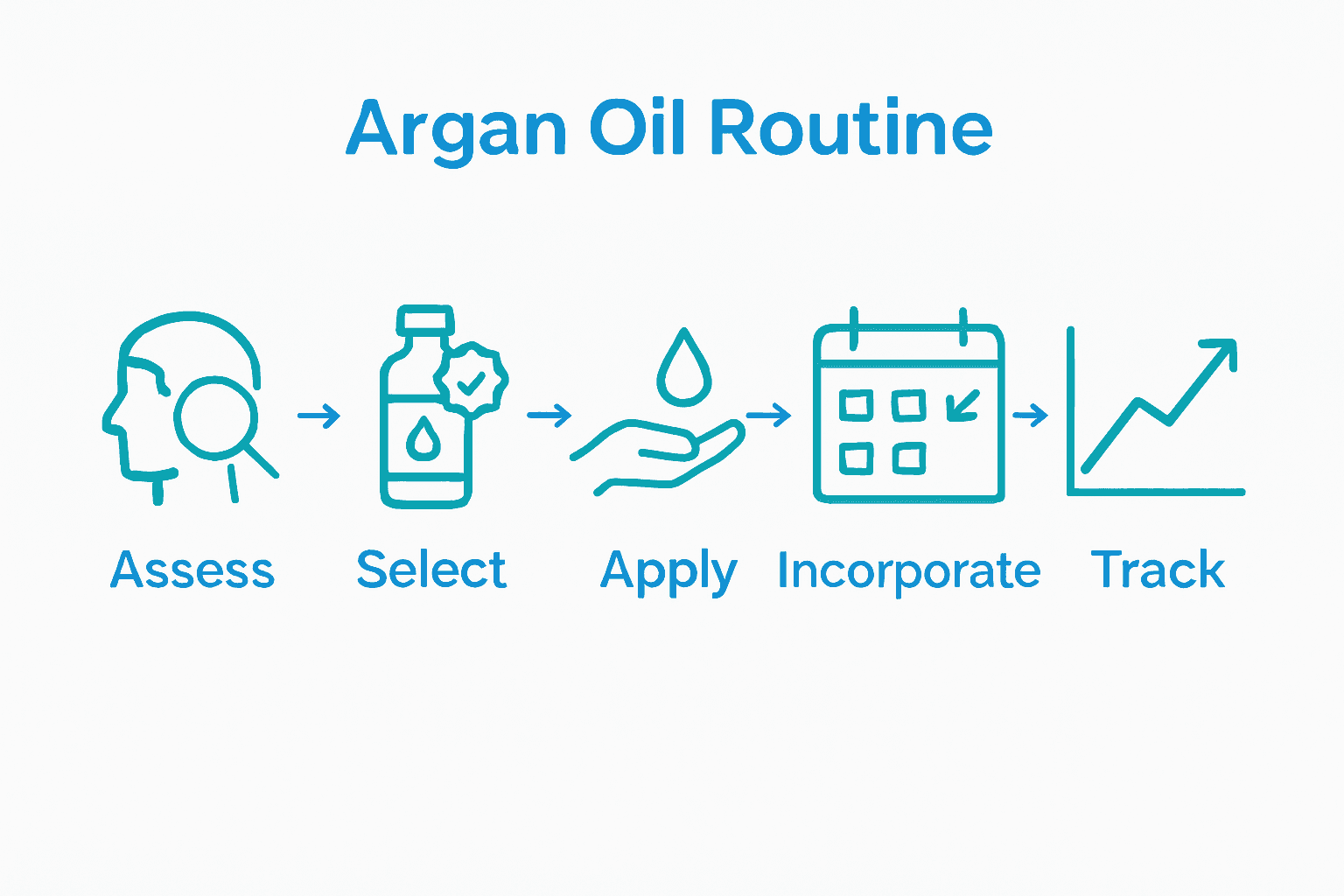
| Step | Focus Area | Key Actions | Pro Tips |
|---|---|---|---|
| 1: Assess | Hair & Scalp Condition | Check shedding<br>Inspect scalp<br>Document findings | Use clean hair for assessment |
| 2: Select | Product Quality | Choose pure, organic oil<br>Check bottle & scent | Test small bottle first |
| 3: Apply | Application Technique | Use minimal drops<br>Massage thoroughly<br>Deep treatment optional | Warm oil for absorption |
| 4: Incorporate | Routine Integration | Choose frequency<br>Adjust for hair type<br>Stay consistent | Keep oil in travel kit |
| 5: Track & Evaluate | Results Monitoring | Take photos<br>Measure thickness<br>Keep a journal | Photograph monthly progress |
Ready for Real Change in Your Hair Loss Journey?
If you have tried natural solutions like argan oil but still worry about ongoing hair shedding or slow growth, you are not alone. Many readers face the challenge of identifying true scalp or follicle problems as described in our article. It can be frustrating to track progress and never be certain if your hair is actually improving. Now you can take the guesswork out of your hair routine with a smart, science-backed solution tailored just for you.
Experience the difference with MyHair.ai. Upload your hair scans and receive a personalized analysis powered by advanced AI technology. Track subtle changes, gain product recommendations for your unique needs, and understand your hair’s progress just like the documentation tips in our article. If you want more control over your results, start your journey today by visiting MyHair.ai or explore our guide on understanding hair health for deeper insights. Take action now to discover what your hair really needs and see lasting natural improvement.
Frequently Asked Questions
How can I assess my hair and scalp condition before using argan oil?
To assess your hair and scalp condition, examine your scalp for signs of excessive shedding, dry skin, or any redness. Take photos and make notes about any areas that seem thinner or unhealthy to track changes as you start using argan oil treatments.
What type of argan oil should I choose for hair loss?
Select 100% pure, organic argan oil labeled with certifications such as USDA Organic or Fair Trade. Check the ingredient list; it should only contain Argania Spinosa Kernel Oil with no additives for the best results.
How do I properly apply argan oil to my hair and scalp?
Begin with 1 to 2 drops of argan oil and massage it into your scalp and the ends of your hair. Warm the oil between your palms to help it absorb better, and consider using it on slightly damp hair to maximize spread and effectiveness.
How often should I incorporate argan oil into my hair care routine?
Incorporate argan oil into your routine based on your hair type; for instance, use it daily for dry hair or weekly for oily hair. Establish a consistent schedule that fits your needs, and adjust the frequency based on how your hair responds.
How can I track my hair's progress while using argan oil?
To track your hair's progress, take clear photographs and measure hair thickness every 2 to 4 weeks. Keep a journal noting changes in shedding, scalp condition, and overall texture to compare your results over time.
When should I expect to see results from using argan oil for hair loss?
You may start noticing results from argan oil treatments after consistent use for 8 to 12 weeks. Monitor your hair health closely and be patient, as improvements can gradually unfold at the root level before they become visible.