
Most hair masks promise transformation but deliver disappointment. The reason? They rely on synthetic coatings that create temporary shine without addressing underlying damage. Meanwhile, argan oil increases hair count through Vitamin E and essential fatty acids that penetrate the hair shaft. This guide cuts through marketing claims to show you how argan oil of Morocco hair masks genuinely restore damaged hair, backed by scientific evidence and practical application strategies for visible results.
Table of Contents
- What Is Argan Oil And Why Does It Matter For Hair Health?
- How Argan Oil Of Morocco Hair Masks Work To Repair And Strengthen Damaged Hair
- Choosing A High-Quality Argan Oil Hair Mask: What To Look For And What To Avoid
- How To Use Argan Oil Of Morocco Hair Masks Correctly For Optimal Hair Restoration
- Discover Personalized Hair Care With MyHair Solutions
- FAQ
Key takeaways
| Point | Details |
|---|---|
| Vitamin E boosts hair count | Argan oil's Vitamin E content supports new hair growth and protects existing strands from oxidative damage. |
| Nanoemulsion technology matters | Advanced formulations deliver nutrients deeper into hair and scalp for sustained restoration effects. |
| Purity determines effectiveness | Choose 100% pure, cold-pressed argan oil without synthetic additives for maximum benefits. |
| Weekly application optimal | Using masks once or twice weekly balances moisture restoration without product buildup. |
| Works for most hair types | Effective on dry, damaged, and color-treated hair when applied correctly. |
What is argan oil and why does it matter for hair health?
Argan oil comes from kernels of the Argania spinosa tree, found exclusively in Morocco's southwestern regions. This scarcity contributes to its value, but the real power lies in its unique biochemical composition. The oil contains tocopherols (Vitamin E compounds), oleic acid, linoleic acid, and polyphenols that work synergistically to support hair follicle health.
Vitamin E functions as a potent antioxidant, neutralizing free radicals that damage hair cells. Research demonstrates that Vitamin E supplementation increases hair count in individuals experiencing thinning. When applied topically through hair masks, these tocopherols protect the scalp environment where new growth originates. The antioxidant shield prevents oxidative stress that weakens follicles and accelerates hair aging.
The fatty acid profile sets argan oil apart from other hair treatments. Oleic acid (omega-9) comprises roughly 45% of the oil's content, penetrating the hair shaft to deliver moisture deep within the cortex. Linoleic acid (omega-6) makes up about 35%, strengthening the hair's lipid barrier and reducing moisture loss. Together, these fatty acids improve elasticity, allowing hair to stretch without breaking during styling or environmental stress.
Argan oil's molecular structure allows it to absorb quickly without leaving heavy residue. Unlike mineral oils that coat the surface, argan oil integrates with hair's natural sebum, reinforcing the protective layer while maintaining breathability. This integration explains why argan oil hair oil benefits extend beyond temporary cosmetic improvement to actual structural repair.
Pro Tip: Cold-pressed, unrefined argan oil retains maximum nutrient density because heat processing degrades Vitamin E and alters fatty acid structures. Look for golden yellow color and a subtle nutty aroma as indicators of minimal processing.
How argan oil of Morocco hair masks work to repair and strengthen damaged hair
Damaged hair exhibits raised cuticles, cortex gaps, and depleted lipid content. Argan oil masks address each structural weakness through distinct mechanisms. The fatty acids fill intercellular spaces in the cuticle layer, smoothing the surface and restoring shine. Simultaneously, Vitamin E compounds repair oxidative damage at the cellular level, preventing further degradation.
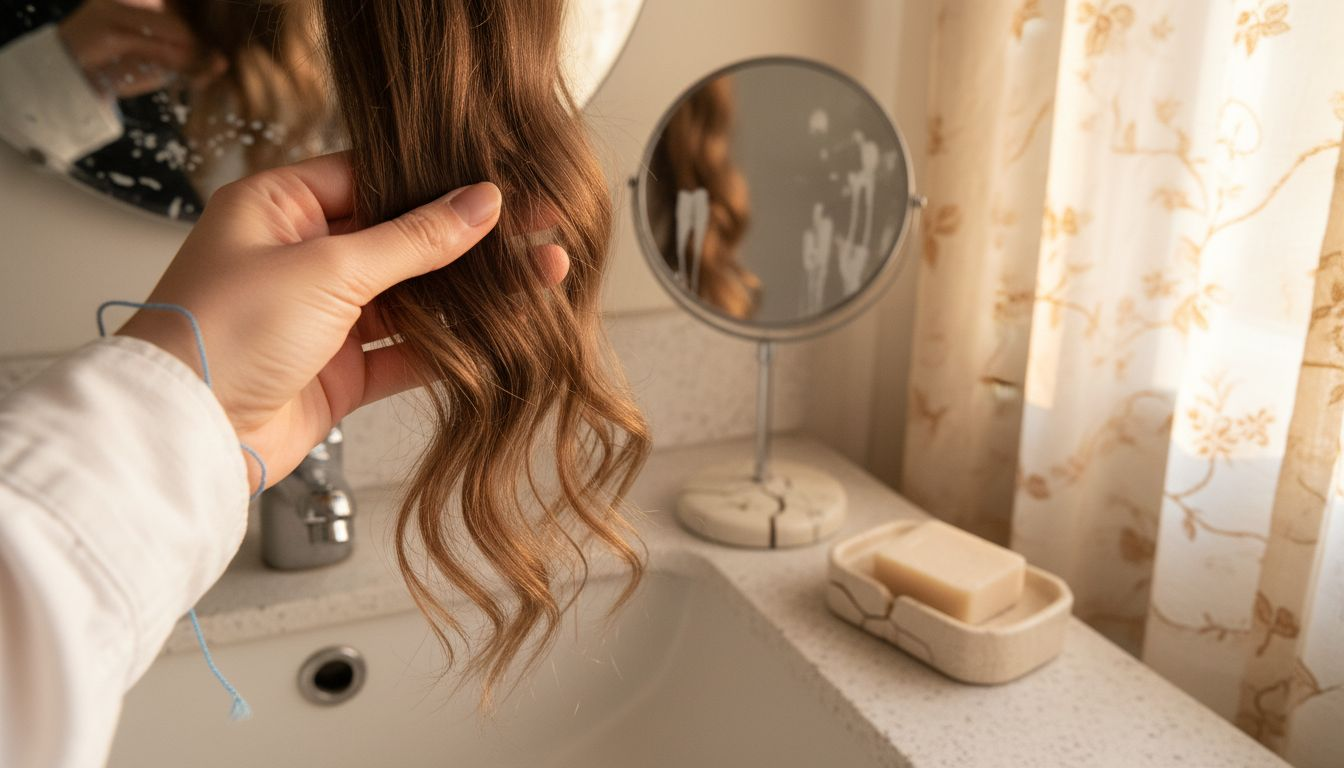
Nanoemulsion technology represents a significant advancement in delivery systems. Traditional oil formulations sit primarily on the hair surface. Chitosan-stabilized argan oil nanoemulsions create microscopic oil droplets that penetrate the cuticle more effectively. The chitosan biopolymer acts as a carrier, adhering to negatively charged hair proteins and releasing argan oil gradually over hours.
This controlled release mechanism provides sustained benefits that outlast single wash cycles. The nanoemulsion particles deposit nutrients into the cortex, where they reinforce keratin bonds and improve tensile strength. Studies on these formulations show enhanced stability and prolonged ingredient activity compared to conventional oil treatments.
Using chitosan-stabilized argan oil nanoemulsions leads to controlled, sustained ingredient release for optimized hair and scalp health.
The repair process unfolds in stages:
- Deep hydration occurs as water-binding compounds in argan oil attract moisture into dehydrated hair shafts.
- Cuticle repair happens when fatty acids smooth raised scales and seal gaps in the protective outer layer.
- Nutrient delivery transports Vitamin E and polyphenols to follicles and cortex cells requiring antioxidant support.
- Antioxidant protection establishes a defensive barrier against UV radiation, pollution, and chemical treatments.
- Strengthening hair fibers results from improved lipid content and keratin cross-linking within the cortex structure.
Environmental stressors constantly challenge hair integrity. UV exposure generates free radicals that break disulfide bonds holding keratin together. Chemical treatments like coloring and relaxing strip natural oils and weaken protein structures. Argan treatment hair benefits include forming a protective film that absorbs UV rays and prevents chemical penetration during future treatments.
The antioxidant capacity of argan oil extends to the scalp microenvironment. Healthy follicles require proper blood flow and minimal inflammation to produce strong hair shafts. Vitamin E supports microcirculation and reduces inflammatory markers that impair follicle function. This dual action on existing hair and growth environment explains why consistent use shows cumulative improvements. For comprehensive strategies, explore understanding argan oil hair care naturally.
Choosing a high-quality argan oil hair mask: what to look for and what to avoid
Product quality varies dramatically in the argan oil market. Authentic, therapeutic-grade oil costs more to produce, leading some manufacturers to dilute products or use refined oils with diminished benefits. Pure, cold-pressed argan oil without added chemicals delivers optimal results, but identifying genuine products requires scrutiny.
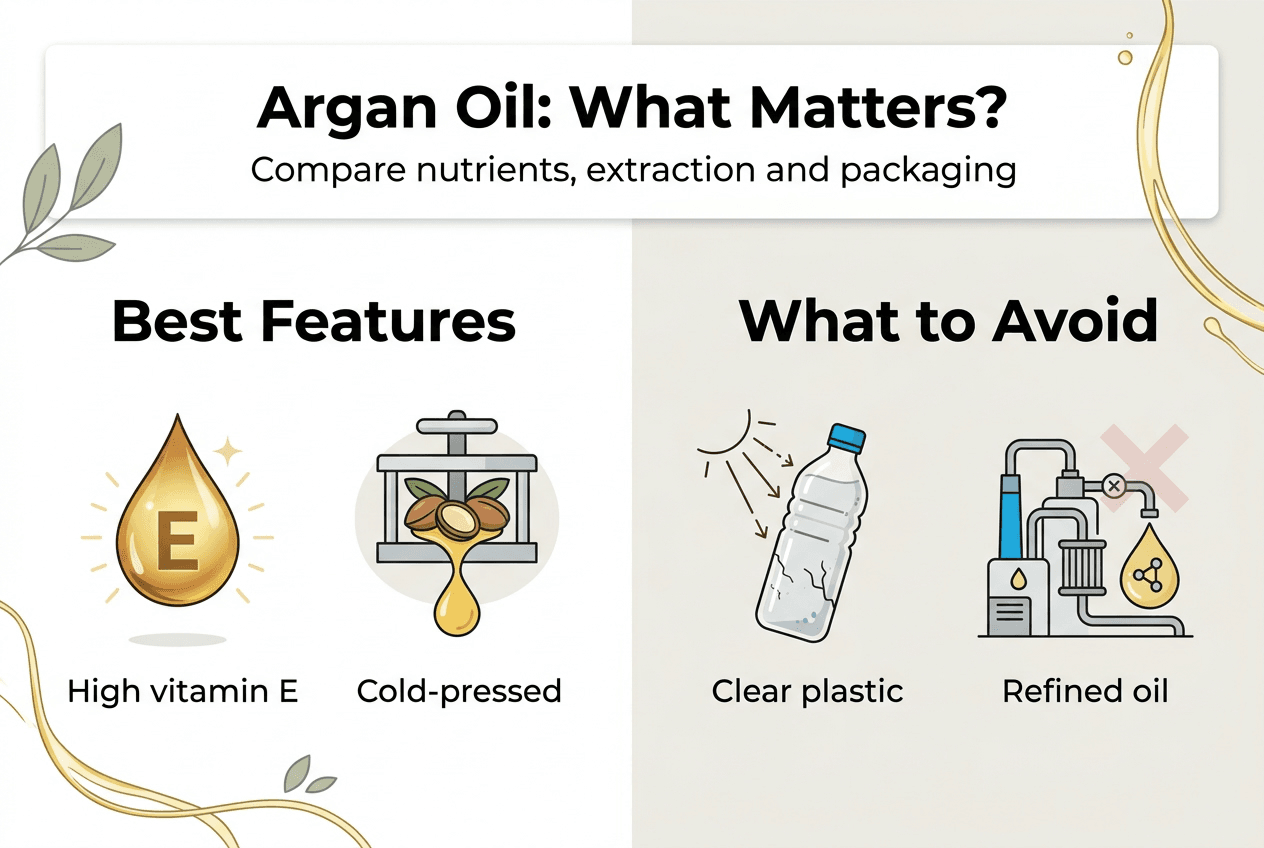
Cold-pressed extraction preserves heat-sensitive nutrients. Mechanical pressing at temperatures below 120°F maintains Vitamin E integrity and prevents fatty acid oxidation. Refined argan oil undergoes chemical processing or high-heat treatment that strips beneficial compounds. The refining process creates a clear, odorless product that appeals cosmetically but lacks therapeutic potency.
| Feature | Cold-Pressed Argan Oil | Refined Argan Oil |
|---|---|---|
| Nutrient retention | High Vitamin E and polyphenols intact | Reduced antioxidants, degraded vitamins |
| Color and aroma | Golden yellow, subtle nutty scent | Clear, odorless |
| Price point | $25-$45 per ounce | $10-$20 per ounce |
| Shelf stability | 12-18 months with proper storage | 18-24 months due to preservatives |
| Therapeutic value | Maximum hair and scalp benefits | Limited structural repair capacity |
Ingredient transparency separates quality products from misleading formulations. Labels should list "Argania spinosa kernel oil" as the first or only ingredient in pure masks. Additional beneficial ingredients include natural proteins, plant extracts, or essential oils, but synthetic fragrances, parabens, and sulfates dilute effectiveness and may cause scalp irritation.
Recognize low-quality argan oil through these indicators:
- Vague labeling like "contains argan oil" without percentage disclosure
- Presence of silicones (dimethicone, cyclomethicone) that create artificial smoothness
- Artificial fragrances listed as "parfum" or "fragrance" without specific compounds
- Unusually low price points suggesting dilution or synthetic substitutes
- Bright yellow or orange color indicating added dyes
Authentic sourcing matters for both efficacy and ethics. Moroccan women's cooperatives traditionally produce argan oil through labor-intensive manual processing. Fair trade certification ensures producers receive equitable compensation and maintains quality standards. Brands with transparent supply chains typically provide harvest dates, cooperative names, and third-party testing results.
Pro Tip: Request certificates of analysis from manufacturers. Legitimate producers test for fatty acid profiles, Vitamin E content, and contaminants. These documents verify purity claims and reveal whether products meet therapeutic thresholds.
Packaging affects oil stability. Dark glass bottles protect against light-induced oxidation that degrades nutrients. Plastic containers and clear glass allow UV penetration, shortening shelf life and reducing potency. Check for airtight seals and consider products with pump dispensers that minimize air exposure. For broader guidance on safe ingredients, review ingredients to avoid in skincare naturally. If addressing specific concerns, explore argan oil for dry scalp solutions.
How to use argan oil of Morocco hair masks correctly for optimal hair restoration
Application technique significantly impacts absorption and results. Many users apply masks incorrectly, limiting nutrient penetration and wasting product. Strategic application maximizes contact with damaged areas while preventing scalp buildup.
Follow these steps for effective mask application:
- Wet hair thoroughly with warm water to open cuticles and prepare strands for absorption.
- Apply mask from mid-length to ends, focusing on visibly damaged sections and avoiding roots to prevent greasiness.
- Leave mask on for 20 to 30 minutes, allowing fatty acids time to penetrate the cortex.
- Rinse with cool water to seal cuticles and lock in moisture, finishing with a final cold rinse for maximum shine.
Enhance results with these practical tips:
- Use weekly for moderate damage, twice weekly for severe breakage or chemical processing aftermath
- Avoid heat styling for 24 hours post-mask to allow nutrients to fully integrate with hair structure
- Combine application with scalp massage using fingertips to stimulate blood flow and distribute oils evenly
- Use sulfate-free shampoo after masking to preserve the lipid layer without stripping natural oils
Argan oil masks complement broader natural oil strategies. While argan oil excels at cuticle repair and antioxidant protection, other oils target different needs. Castor oil stimulates follicles through ricinoleic acid, while coconut oil provides deep conditioning for extremely dry hair. Rotating treatments based on seasonal needs or styling damage creates comprehensive care. Discover more in top hair growth oil recommendations and learn how natural oils promote hair growth.
Pro Tip: Wrap hair in a warm towel or wear a shower cap during the 20 to 30 minute treatment period. Gentle heat opens cuticles further, allowing fatty acids to penetrate deeper into the cortex for enhanced repair.
Consistent use over four to eight weeks produces visible improvements. Initial changes include increased softness and reduced frizz as the cuticle layer smooths. By week three, you'll notice decreased breakage as cortex strength improves. After two months, many users observe new baby hairs along the hairline as follicles respond to improved scalp health and reduced oxidative stress.
Track progress through weekly photos in consistent lighting. Document texture changes, breakage rates, and new growth patterns. This objective assessment reveals whether your current routine delivers results or requires adjustment. Some hair types respond faster to argan oil, while others need complementary treatments for optimal outcomes.
Discover personalized hair care with MyHair solutions
While argan oil masks provide powerful restoration, understanding your unique hair health profile amplifies results. MyHair offers AI-powered hair analysis that assesses hair density, scalp condition, and damage patterns through smartphone scanning technology. The system identifies specific areas requiring targeted treatment, helping you apply argan oil masks more strategically.
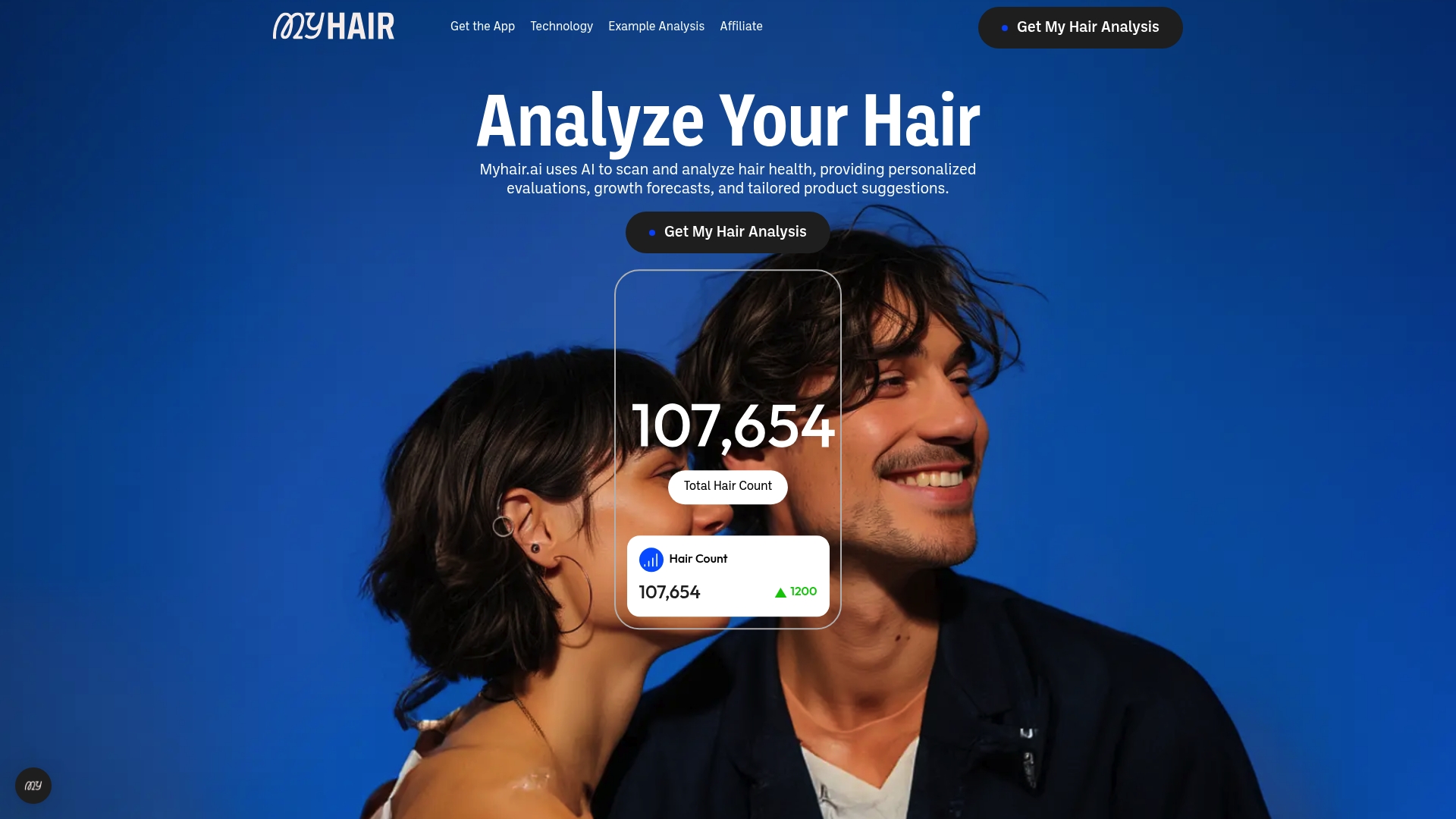
The platform tracks improvements over weeks and months, quantifying changes in hair count, thickness, and overall health. This data-driven approach removes guesswork from your routine, showing exactly how argan oil treatments affect your hair. Detailed reports through the hair analysis onboarding process guide product selection and application frequency based on your progress. Explore the science behind these assessments in MyHair research, where studies validate the technology's accuracy. Integrating AI insights with natural solutions like argan oil creates a comprehensive strategy that accelerates restoration and maintains long-term hair health.
FAQ
Is argan oil hair mask suitable for all hair types?
Argan oil masks work effectively for most hair types, including dry, damaged, color-treated, and chemically processed hair. The lightweight molecular structure absorbs well without weighing down fine hair, while the rich fatty acid content provides enough moisture for thick, coarse textures. Individuals with sensitive scalps should perform a patch test on the inner arm 24 hours before full application to identify potential allergic reactions, though these occur rarely. For oily hair, focus application on mid-lengths and ends rather than roots to avoid excess sebum production and maintain volume.
How often should I use an argan oil of Morocco hair mask for best results?
Using an argan oil hair mask once to twice weekly optimizes moisture restoration and damage repair for most people. This frequency allows adequate nutrient absorption without causing product buildup that weighs hair down or creates a greasy appearance. Severely damaged hair from bleaching or heat styling may benefit from twice-weekly applications initially, then reducing to weekly maintenance once improvements stabilize. Adjust based on your hair's response, watching for signs of over-moisturizing like limpness or greasiness that indicate you should reduce frequency.
Can argan oil hair masks help with scalp conditions like psoriasis?
Emerging research explores chitosan-stabilized argan oil nanoemulsions for psoriasis treatment due to controlled delivery capabilities. Argan oil's anti-inflammatory properties and rich fatty acid content may soothe dry, irritated scalps and reduce flaking associated with psoriasis and seborrheic dermatitis. However, these conditions require medical supervision, so consult dermatologists or healthcare providers for personalized treatment plans that may combine natural solutions like argan oil with prescription therapies. For ongoing research into hair and scalp health, visit MyHair research for evidence-based insights.
Does argan oil hair mask work on color-treated hair?
Argan oil masks are particularly beneficial for color-treated hair because chemical dyes strip natural oils and damage the cuticle layer. The fatty acids in argan oil replenish lost lipids, sealing the cuticle to lock in color molecules and prevent premature fading. Vitamin E protects against oxidative damage from coloring chemicals, extending the vibrancy of your shade. Apply masks 48 hours after coloring to avoid interfering with dye setting, then use weekly to maintain moisture balance and color intensity throughout the growth cycle.
Recommended
- Argan Oil Hair Oil: Benefits and Proven Results | MyHair
- Argan Treatment Hair – Transforming Growth and Strength | MyHair
- Argan Oil for Dry Scalp: Restore Moisture and Growth | MyHair
- Understanding Argan Oil Hair Care for Healthier Hair | MyHair
- Egg Yolk Oil Infused Beard & Hair Balm – Moose's Tallow