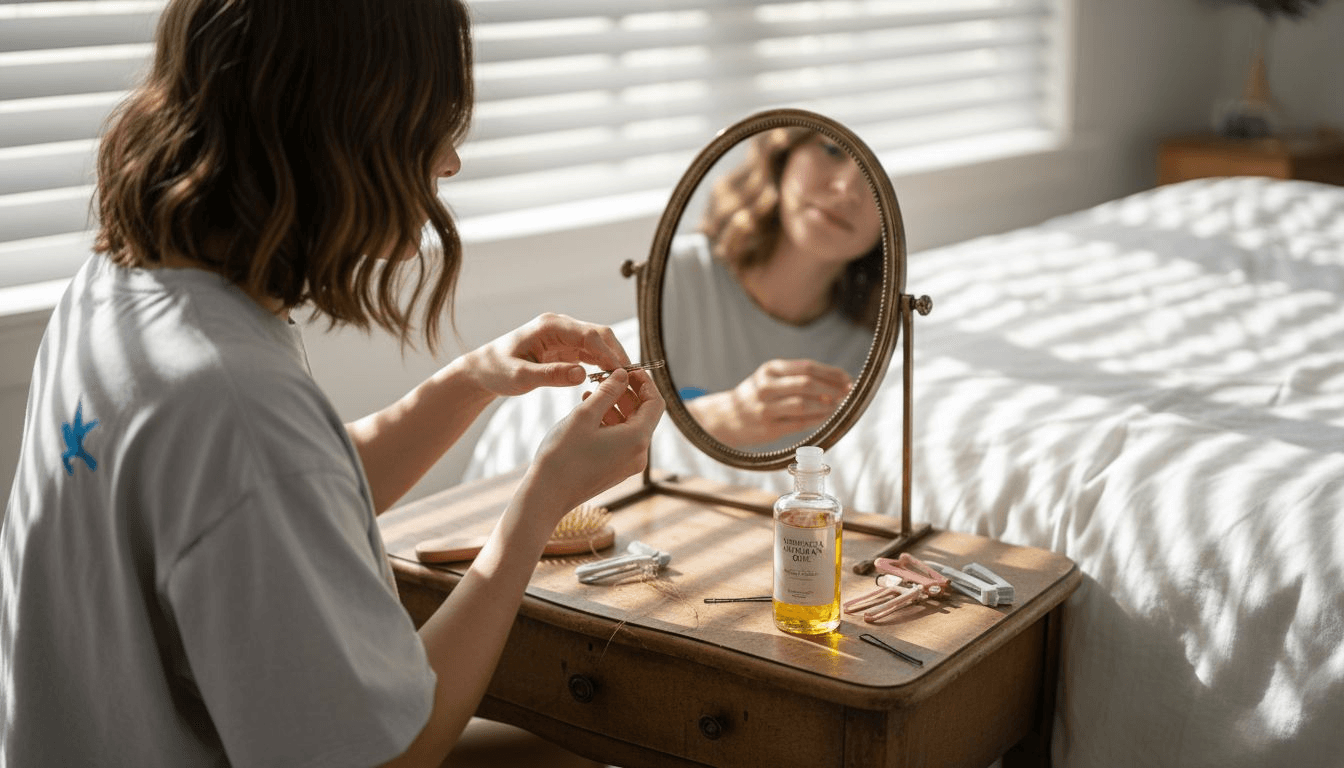
Finding a hair loss solution that truly works remains a universal challenge, with over 35 million American men and women experiencing noticeable thinning. The search for gentle, effective treatments has drawn people worldwide to natural remedies like argan oil, a Moroccan treasure now beloved by American consumers. This guide explores how argan oil treatment stands apart, offering practical steps for anyone who values stronger hair and smart self-care.
Table of Contents
- What Is Argan Oil Treatment?
- Types Of Argan Oil And Key Differences
- How Argan Oil Works For Hair Health
- Real Benefits For Hair Loss And Growth
- Common Mistakes And Safety Risks
- Comparing Argan Oil To Other Hair Treatments
Key Takeaways
| Point | Details |
|---|---|
| Natural Hair Care Solution | Argan oil treatment offers a natural approach to enhance hair health by providing intense moisture and reducing breakage. |
| Types of Argan Oil | Understand the differences between cosmetic-grade and food-grade argan oil to ensure appropriate usage for hair care or culinary purposes. |
| Mechanism of Action | Argan oil works through deep penetration, delivering essential nutrients that enhance hair elasticity and protect against damage. |
| Maximizing Benefits | For optimal results, apply argan oil to damp hair, focus on ends, and perform patch tests to avoid potential irritation. |
What Is Argan Oil Treatment?
Argan oil treatment represents a natural hair care approach leveraging the potent properties of oil extracted from the kernels of the Argan tree, native to Morocco. Composed of unique fatty acids and polyphenols, this botanical extract offers comprehensive hair strengthening benefits that go beyond traditional conditioning methods.
The treatment involves applying pure argan oil directly to hair strands, targeting specific concerns like damage, breakage, and overall hair health. Research indicates the oil's rich composition of mono- and saturated fatty acids provides therapeutic potential for hair restoration and protection. Its molecular structure allows deep penetration into hair cuticles, delivering essential nutrients that rebuild and fortify hair from within.
Key characteristics of argan oil treatment include its ability to provide intense moisture, reduce protein loss, and create a protective barrier against environmental damage. The oil works by:
- Sealing hair cuticles to prevent moisture loss
- Reducing oxidative stress with powerful antioxidants
- Promoting scalp health through anti-inflammatory properties
- Enhancing hair elasticity and reducing breakage
Pro tip: For optimal absorption, warm a small amount of argan oil between your palms before applying to damp hair, focusing on ends and mid-lengths to maximize treatment effectiveness.
Types Of Argan Oil And Key Differences
Chemical analyses reveal distinct variations in argan oil types, with two primary classifications defining their unique characteristics and applications. Cosmetic-grade and food-grade argan oils represent specialized categories that serve different purposes based on their extraction and processing methods.
Cosmetic-Grade Argan Oil is specifically designed for hair and skin treatments. Extracted from unroasted kernels, this variant offers higher vitamin content and a neutral scent, making it ideal for direct topical application. Its refined processing ensures maximum purity and concentration of beneficial compounds like vitamin E, essential fatty acids, and antioxidants that support hair health and regeneration.
In contrast, Food-Grade Argan Oil is produced through cold-pressing roasted kernels, resulting in a distinctly nutty flavor profile. This type is primarily used in culinary applications and contains slightly different nutritional properties compared to its cosmetic counterpart. The key differences between these oil types include:
Here's a quick overview of the main differences between cosmetic-grade and food-grade argan oil:
| Attribute | Cosmetic-Grade Argan Oil | Food-Grade Argan Oil |
|---|---|---|
| Kernel Preparation | Unroasted for higher purity | Roasted for rich flavor |
| Main Application | Hair and skin treatments | Culinary and nutritional use |
| Vitamin Content | Higher vitamin E concentration | Slightly lower vitamin levels |
| Scent and Flavor | Neutral scent, non-greasy feel | Distinct nutty aroma and taste |
| Processing Method | Refined for topical use | Cold-pressed, minimal refining |
- Kernel preparation method
- Extraction process
- Vitamin and nutrient concentration
- Intended application
- Sensory characteristics like scent and flavor
Pro tip: Always verify the specific grade of argan oil before purchasing, checking product labels to ensure you select the appropriate type for your intended hair or culinary use.
How Argan Oil Works For Hair Health
Argan oil's bioactive compounds create a powerful mechanism for supporting hair health, functioning through multiple protective and regenerative pathways. The oil's complex molecular structure enables deep penetration into hair follicles, delivering essential nutrients that transform hair from the inside out.
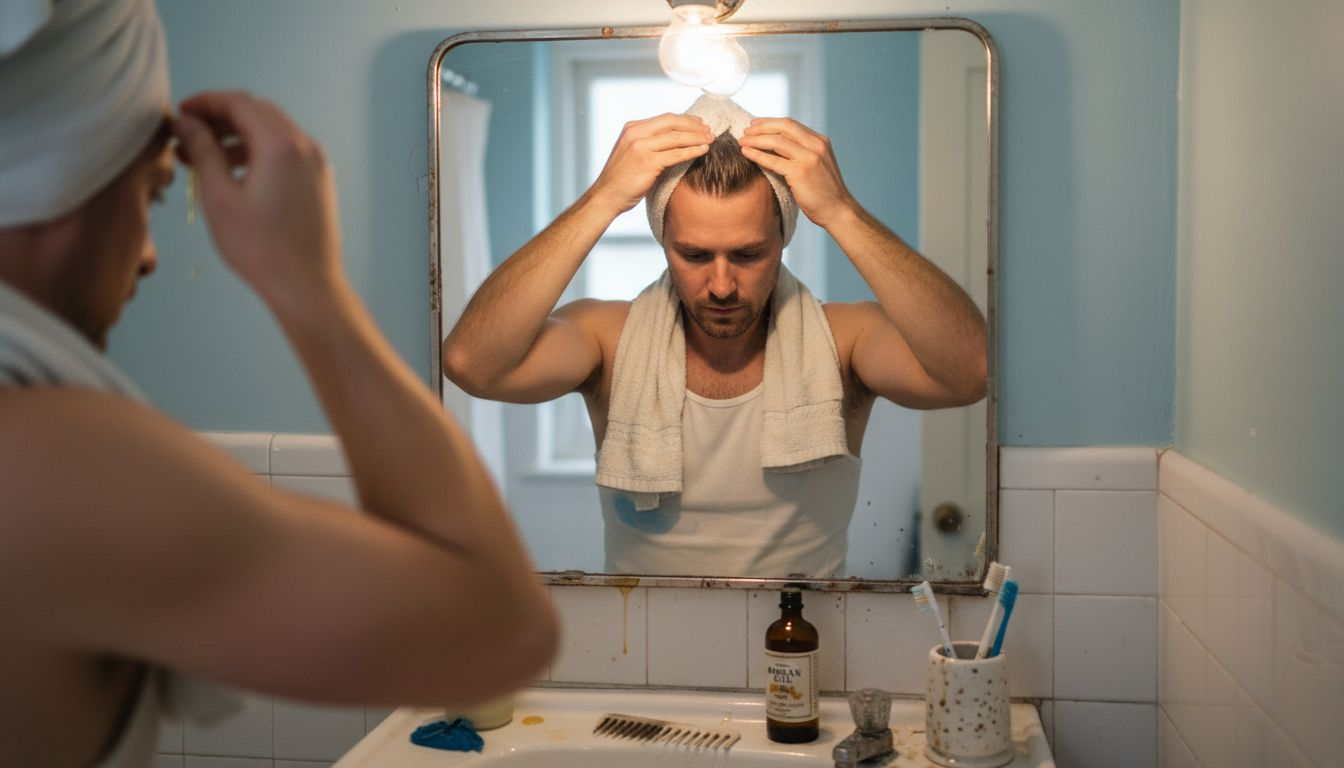
Fatty acid composition plays a critical role in argan oil's effectiveness. Specific compounds like oleic and linoleic acids work to deeply hydrate the hair shaft and scalp, reducing protein loss and minimizing breakage. These fatty acids create a protective barrier that locks in moisture while simultaneously strengthening hair's internal structure, preventing environmental damage and promoting resilience.
The hair health benefits of argan oil extend beyond basic hydration, encompassing several key mechanisms:
- Neutralizing free radical damage through powerful antioxidants
- Reducing scalp inflammation
- Balancing natural oil production
- Protecting hair protein structures
- Supporting healthy hair follicle function
Pro tip: Apply argan oil to damp hair and focus on damaged ends, using circular massaging motions to enhance absorption and stimulate blood circulation in the scalp.
Real Benefits For Hair Loss And Growth
Argan oil offers a multifaceted approach to addressing hair loss and promoting robust hair growth through its unique combination of nutrients and protective compounds. Understanding hair growth strategies requires recognizing how targeted natural interventions can support follicular health and stimulate hair regeneration.
Hair Follicle Restoration emerges as a primary benefit of consistent argan oil treatment. The oil's rich composition of vitamin E, essential fatty acids, and antioxidants works synergistically to strengthen existing hair strands while creating an optimal scalp environment that encourages new hair growth. By reducing inflammation, minimizing oxidative stress, and providing deep hydration, argan oil helps counteract the primary mechanisms that contribute to hair thinning and loss.
The comprehensive benefits of argan oil for hair growth include:
- Reducing scalp inflammation
- Strengthening hair follicle roots
- Preventing breakage and split ends
- Improving overall hair elasticity
- Balancing natural scalp oil production
- Supporting cellular repair and regeneration
- Protecting against environmental damage
Pro tip: Massage argan oil into your scalp using gentle circular motions for 5-10 minutes, allowing the nutrients to penetrate deeply and stimulate blood circulation.
Common Mistakes And Safety Risks
Argan oil treatments, while generally beneficial, require careful and informed application to avoid potential complications. Understanding potential side effects is crucial for safe and effective use, ensuring that users maximize the oil's benefits while minimizing risks.
Improper Application Techniques can significantly undermine the effectiveness of argan oil and potentially cause scalp and hair damage. Common mistakes include using excessive quantities, applying to unwashed hair, or neglecting individual skin sensitivities. Individuals with oily or acne-prone scalps must be particularly cautious, as uncontrolled application can lead to clogged pores, increased sebum production, and unexpected skin irritations.
Key risks and mistakes to avoid with argan oil include:
- Skipping patch tests before full application
- Using low-quality or adulterated oil products
- Applying oil to dirty or product-laden hair
- Overusing the treatment frequency
- Ignoring individual scalp and hair type variations
- Failing to dilute pure argan oil when necessary
- Storing oil improperly, causing rapid oxidation
Pro tip: Conduct a small skin patch test on your inner forearm 24 hours before full application, watching for any signs of redness, itching, or allergic reaction.
Comparing Argan Oil To Other Hair Treatments
Comparative studies reveal nuanced differences between various natural hair oils, highlighting the unique characteristics of argan oil within the broader landscape of hair treatment solutions. While each oil offers distinct benefits, understanding their specific interactions with hair structures becomes crucial for targeted hair care strategies.
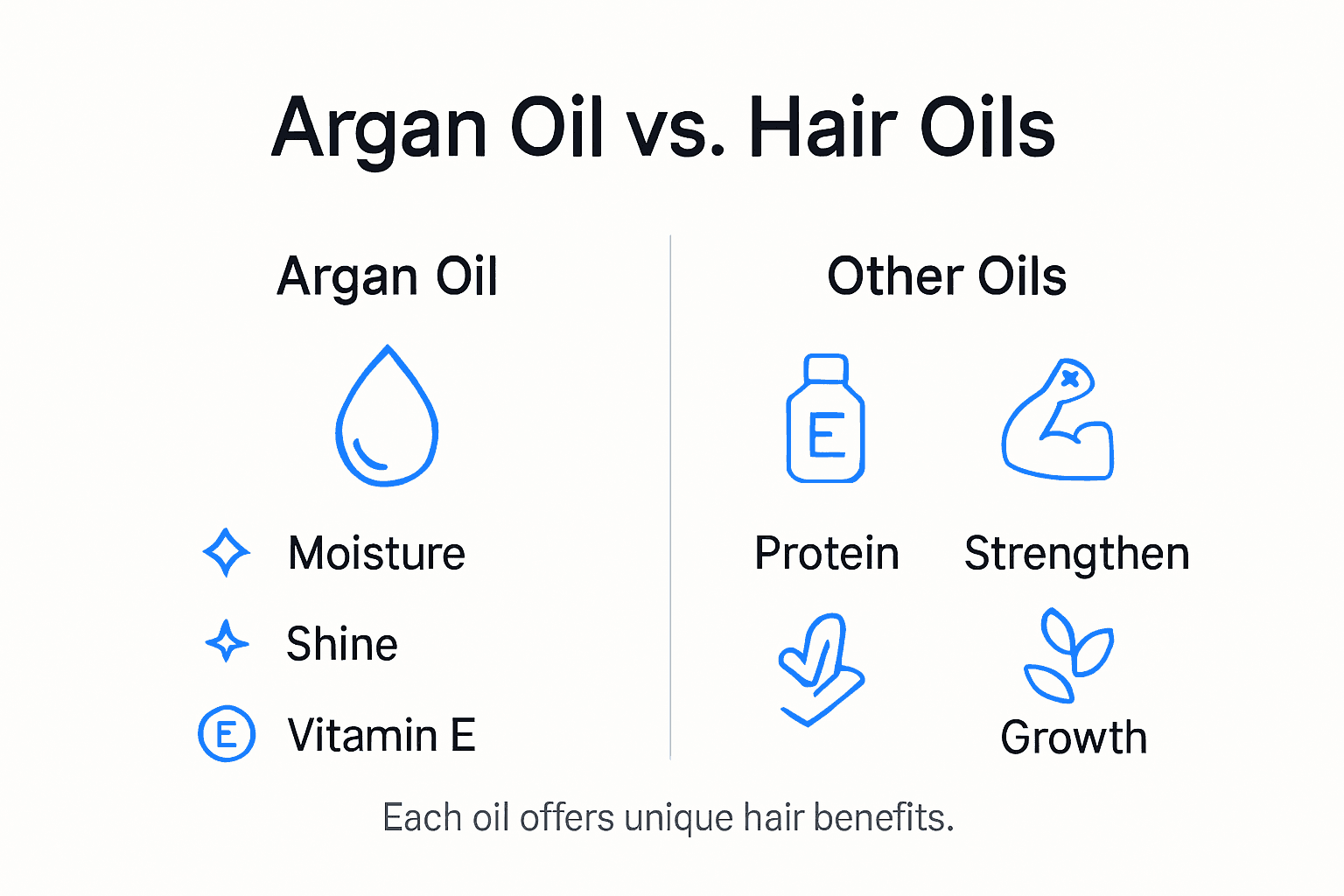
Argan oil demonstrates a different approach compared to more extensively researched oils like coconut and castor. Systematic reviews indicate that while coconut oil shows consistent improvements in hair quality and treatment of brittle hair, argan oil's clinical evidence remains more supportive than transformative. Its primary strength lies in conditioning and protective properties rather than dramatic hair restoration.
Key comparative characteristics of different hair oils include:
See how argan oil compares with other popular natural hair oils for treatment features:
| Feature | Argan Oil | Coconut Oil | Castor Oil |
|---|---|---|---|
| Primary Benefit | Moisturizing and repair | Strengthening, shine | Hair growth support |
| Penetration Ability | Moderate, deep cuticle | Deep cortex penetration | Surface coating action |
| Antioxidants | High vitamin E levels | Medium, lauric acid | Ricinoleic acid rich |
| Scalp Irritation Risk | Low with patch testing | Potential for buildup | May irritate some scalps |
| Texture After Use | Lightweight, non-greasy | Heavier, can feel oily | Thick, sticky feeling |
- Penetration depth into hair cortex
- Lipid barrier reinforcement capabilities
- Mechanical property enhancement
- Antioxidant concentration
- Moisture retention potential
- Scalp health support
- Long-term hair strength improvement
Pro tip: Experiment with mixing different natural oils to create a personalized hair treatment that combines the unique benefits of argan, coconut, and other botanical extracts.
Unlock Your Hair's True Potential with Personalized AI Insights
Struggling with hair damage, breakage, or hair loss despite trying natural treatments like argan oil? The unique fatty acids and antioxidants in argan oil offer great benefits, but understanding how your hair responds and what it truly needs is key to real progress. If you want to go beyond generic advice and address specific challenges such as scalp inflammation, moisture loss, or follicle health, personalized insights can make all the difference.
Discover how MyHair.ai harnesses AI-based hair health analysis to decode your unique hair condition and provide tailored product recommendations that complement treatments like argan oil. With detailed growth projections and scan tracking, you gain clarity on what works best for your hair type and goals. Take control today and transform your hair care routine by combining nature's power with smart, data-driven solutions. Start your personalized hair health journey now at https://myhair.ai and experience visible improvements sooner.
Frequently Asked Questions
What is argan oil treatment and how does it benefit hair health?
Argan oil treatment uses oil extracted from the Argan tree to strengthen hair, providing moisture, reducing breakage, and promoting overall hair health through its unique fatty acids and antioxidants.
How do I properly apply argan oil to my hair for best results?
For optimal results, warm a small amount of argan oil between your palms and apply it to damp hair, focusing on ends and mid-lengths. Use circular motions to enhance absorption and stimulate blood circulation.
What are the differences between cosmetic-grade and food-grade argan oil?
Cosmetic-grade argan oil is extracted from unroasted kernels for hair and skin care, offering higher vitamin E content and a neutral scent. Food-grade argan oil, made from roasted kernels, is used in cooking and has a distinct nutty flavor and slightly lower vitamin levels.
Can argan oil help with hair loss and promote hair growth?
Yes, argan oil can help with hair loss by providing deep hydration, reducing inflammation, and creating a conducive environment for hair follicle health, which can stimulate hair growth and strengthen existing strands.
Recommended
- Argan Treatment Hair – Transforming Growth and Strength | MyHair
- Understanding Argan Oil Hair Care for Healthier Hair | MyHair
- Argan Oil Hair Oil: Benefits and Proven Results | MyHair
- Argan Oil for Dry Scalp: Restore Moisture and Growth | MyHair
- Holistic Oral Care: Natural Solutions for Optimal Health – Stop Oral Care