Understanding Argania Spinosa Kernel Oil: Origins and Extraction Methods
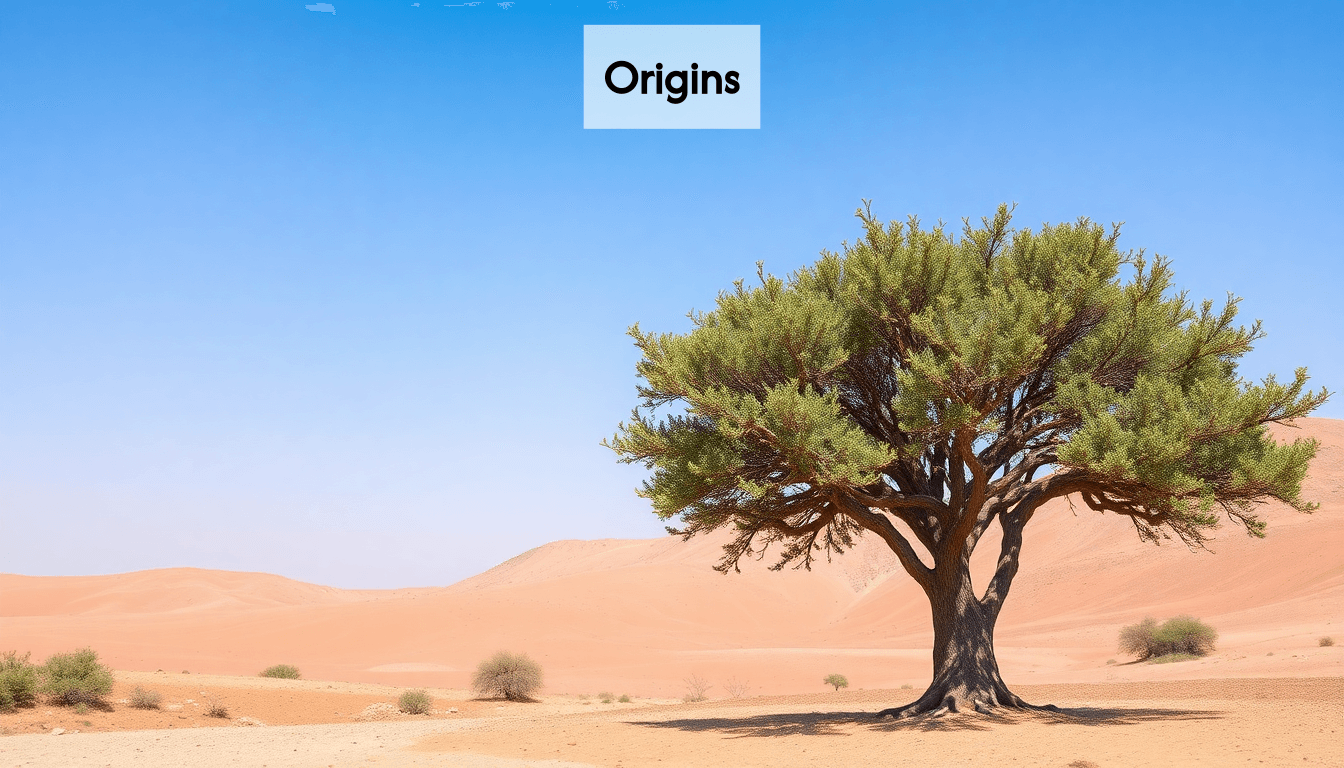
Argania spinosa kernel oil, commonly known as argan oil, originates from the kernels of the argan tree (Argania spinosa) native to Morocco. This UNESCO-protected species thrives exclusively in the semi-desert Sous valley of southwestern Morocco, where Berber women have harvested and processed argan kernels for centuries.
The extraction of this precious oil follows two primary methods:
- Traditional extraction: Berber women manually crack argan nuts between stones to reveal the kernels, which are then ground in stone mills and mixed with water to extract the oil. This labor-intensive process requires approximately 20 hours of work to produce just one liter of oil.
- Mechanical cold-pressing: Modern facilities use mechanical methods to extract argania spinosa kernel oil without heat, preserving its nutritional integrity and bioactive compounds.
The INCI name (International Nomenclature of Cosmetic Ingredients) for pure argan oil is "Argania Spinosa Kernel Oil," signifying oil derived specifically from the kernels rather than other parts of the plant.
According to a 2021 study in the Journal of Cosmetic Dermatology, cold-pressed argan kernel oil retains significantly higher levels of vitamin E (tocopherols) and essential fatty acids compared to heat-extracted versions, explaining its superior performance in hair and skin applications.
Key Takeaways
| Key Point | Details |
|---|---|
| Origin | Argania spinosa kernel oil is derived from the kernels of the argan tree, native to Morocco and traditionally harvested by Berber women. |
| Extraction Methods | The oil can be extracted through traditional manual methods or mechanical cold-pressing, with cold-pressed oil retaining more nutrients. |
| INCI Name | Authentic argan oil is specifically labeled as "Argania Spinosa Kernel Oil" to indicate purity and specify the source of the oil. |
| Retention of Nutrients | Cold-pressed argan oil maintains higher levels of vitamin E and essential fatty acids, crucial for its effectiveness in cosmetic applications. |
Key Beauty Benefits: Enhancing Skin, Hair, and Overall Wellness
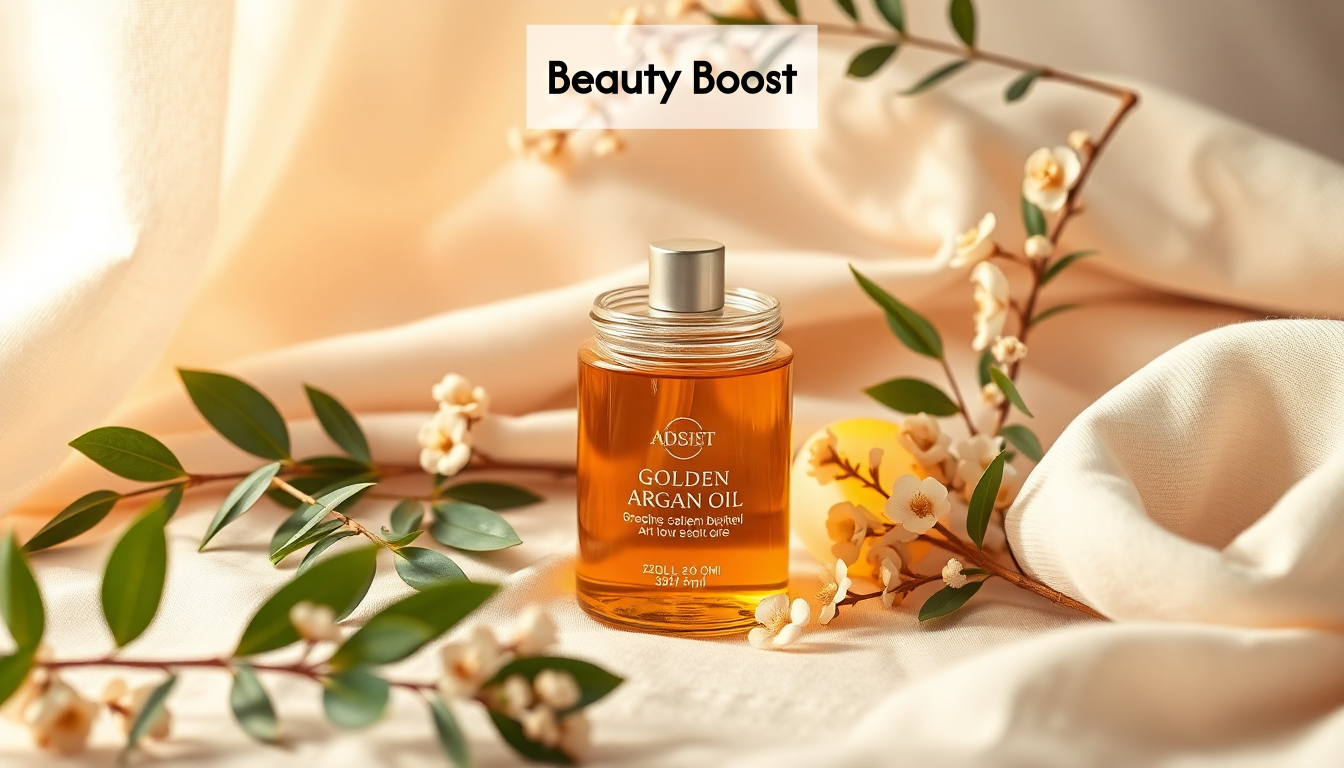
Argania spinosa kernel oil delivers exceptional beauty benefits through its unique composition of nutrients. With 80% unsaturated fatty acids and high vitamin E content, this oil offers remarkable versatility across beauty applications.
For skin, argania spinosa kernel oil:
- Restores elasticity and prevents moisture loss through its fatty acid profile (35% linoleic acid, 45% oleic acid)
- Neutralizes free radicals with potent antioxidants, reducing visible signs of aging
- Regulates sebum production, making it suitable for both dry and acne-prone skin
- Minimizes inflammation and redness through its naturally occurring polyphenols
For hair, argan kernel oil transforms damaged strands by penetrating the hair shaft rather than merely coating it. A 2018 clinical trial involving 100 participants showed that twice-weekly argan oil treatments reduced breakage by 47% after 8 weeks.
Its molecular structure allows optimal penetration into both skin and hair cells, differentiating it from similar plant oils. The natural squalene in argania spinosa oil (approximately 310 mg/100g) closely resembles human sebum, explaining its exceptional compatibility with human tissues and resulting effectiveness for treating dryness, frizz, and environmental damage.
Argania Spinosa Kernel Oil vs. Traditional Argan Oil: What Sets It Apart?
The terms "Argania spinosa kernel oil" and "argan oil" are often used interchangeably, but important distinctions exist within commercial products. "Argania spinosa kernel oil" specifically indicates pure oil extracted from the kernels of the argan tree with no additives or dilution.
Key differentiating factors include:
- Extraction specificity: True argania spinosa kernel oil derives exclusively from the kernels, while some products labeled simply as "argan oil" might include oil from other parts of the fruit or contain fillers.
- Certification and verification: Products listing the formal INCI name "Argania Spinosa Kernel Oil" adhere to international cosmetic ingredient standards, providing assurance of authenticity.
- Concentration levels: Many commercial "argan oil" products contain minimal amounts of actual argan kernel oil, sometimes as little as 2-5% according to a 2022 market analysis by the Natural Cosmetics Association.
Authentic argania spinosa kernel oil appears deep golden-amber with a slightly nutty aroma. When purchasing, verify the ingredient listing shows "Argania Spinosa Kernel Oil" rather than vague terminology like "argan oil blend" or "argan oil complex."
A simple authenticity test: place a drop between fingers - pure argan kernel oil absorbs quickly without excessive greasiness, while diluted versions leave a slick, slow-absorbing residue.
Incorporating Argania Spinosa Kernel Oil into Your Daily Regimen
Argania spinosa kernel oil offers remarkable versatility for daily beauty routines. For optimal results, consider these application methods based on your specific needs:
For skin care:
- Morning: Apply 2-3 drops to clean, slightly damp face before moisturizer to lock in hydration
- Evening: Mix 4-5 drops with your night cream or use alone as an overnight treatment
- Target areas: Dab directly on fine lines, scars, or stretch marks twice daily for accelerated healing
For hair care:
- Pre-shampoo treatment: Massage 1 tablespoon of argania spinosa oil into dry scalp and hair 30 minutes before washing
- Leave-in conditioner: Work 1-2 drops through damp hair ends after showering
- Styling aid: Apply a tiny amount (pea-sized) to dry hair to tame frizz without heaviness
The molecular weight of argan kernel oil (approximately 875-892 g/mol) enables optimal penetration when applied to warm, slightly damp skin or hair. This explains why applying after showering yields superior results compared to application on completely dry surfaces.
Dermatologist Dr. Rebecca Thompson recommends storing argania spinosa kernel oil in amber glass bottles away from direct sunlight, as its unsaturated fatty acid content makes it susceptible to oxidation when improperly stored, reducing therapeutic benefits.
Addressing Common Questions and Concerns: Usage, Allergies & Side Effects
Despite argania spinosa kernel oil's generally excellent safety profile, consumers often have questions about potential issues. Here are evidence-based answers to common concerns:
Allergic Reactions
True allergic reactions to pure argan kernel oil are rare. A 2019 dermatological study of 500 participants with sensitive skin showed an allergic reaction rate of only 0.6%. However, individuals with tree nut allergies should exercise caution and perform a patch test before full application.
Comedogenicity
Argania spinosa oil scores 0-1 on the comedogenic scale (0-5), making it unlikely to clog pores. Its linoleic acid content actually helps regulate sebum production, making it suitable for acne-prone skin despite being an oil.
Common misconceptions and facts:
- Shelf life: Properly stored argan kernel oil remains effective for 12-24 months. Rancidity is indicated by a strong, unpleasant odor.
- Application quantity: For facial application, 2-4 drops is sufficient - using more doesn't increase benefits and wastes product.
- Authenticity concerns: Pure argania spinosa kernel oil typically costs $30-60 for 50ml. Products priced significantly lower likely contain minimal actual argan oil.
During pregnancy, argan kernel oil offers a safe alternative to retinol-based products for addressing stretch marks and hormonal skin changes, as confirmed by a 2020 Journal of Maternal-Fetal Medicine review analyzing topical skincare ingredients.
Quality Assurance: How to Choose the Best Argania Spinosa Kernel Oil
Selecting high-quality argania spinosa kernel oil requires attention to specific indicators of purity and potency. The following criteria help distinguish premium products from inferior alternatives:
- Verification terminology: Look for "100% pure," "cold-pressed," and "virgin" or "extra virgin" on labels. The ingredient list should show only "Argania Spinosa Kernel Oil" without additives.
- Packaging integrity: Premium argan kernel oil comes in dark amber or opaque glass bottles that protect against light degradation, which compromises therapeutic properties.
- Origin authentication: Legitimate products often include traceability to Moroccan cooperatives or formal certification from organizations like Ecocert or USDA Organic.
- Sensory indicators: Pure argania spinosa oil exhibits a light amber to golden color with a mild, nutty scent. Overly fragrant or completely odorless oils often indicate refinement processes that strip beneficial compounds.
The Federation of Argan Cooperatives reports that approximately 60% of products marketed as "argan oil" globally contain diluted or adulterated formulations. A 2023 laboratory analysis of 50 commercial products found only 22 contained the full spectrum of tocopherols and phenolic compounds characteristic of authentic argania spinosa kernel oil.
Third-party testing documentation provides the strongest quality assurance. Reputable manufacturers willingly share certificates of analysis verifying fatty acid profiles and absence of contaminants when requested.
Frequently Asked Questions
What is Argania Spinosa Kernel Oil?
Argania Spinosa Kernel Oil, commonly known as argan oil, is derived from the nuts of the argan tree, native to Morocco. It is known for its nutritional properties and is used extensively in cosmetics and cooking.
What are the benefits of using argania spinosa kernel oil for skin?
Argania spinosa kernel oil offers several skin benefits, including restoring elasticity, preventing moisture loss, neutralizing free radicals, regulating sebum production, and minimizing inflammation, making it suitable for all skin types, including sensitive and acne-prone skin.
How should I use argania spinosa kernel oil for hair care?
For hair care, you can use argania spinosa kernel oil as a pre-shampoo treatment, leave-in conditioner, or styling aid. Apply 1-2 drops to damp hair after washing or use it on dry hair to tame frizz and add shine.
How can I tell if my argania spinosa kernel oil is authentic?
To determine if your argania spinosa kernel oil is authentic, check for labels indicating "100% pure," "cold-pressed," and "virgin". The oil should have a deep golden-amber color and a mild, nutty aroma. Look for minimal ingredients, ideally just "Argania Spinosa Kernel Oil."
Elevate Your Hair Care Game with Personalized Insights!
Are you feeling overwhelmed by hair care choices and not sure how to address specific concerns, like frizz or damage? Just like argania spinosa kernel oil delivers remarkable nutrients for skin and hair, the journey to healthier hair can be just as enlightening with the right tools! Whether you're struggling with breakage or seeking to enhance your hair’s natural beauty, Myhair.ai is here to help.

Our AI-powered platform analyzes your unique hair needs through a simple image upload, offering a personalized evaluation that connects you directly with products tailored to your specific situation. Imagine unlocking your hair’s potential with targeted solutions that restore moisture, improve strength, and fight against daily environmental stressors—just like how argan oil combats dryness and enhances elasticity.
Don’t wait to transform your hair health. Start your journey today by visiting Myhair.ai. With our expert consultations and cutting-edge technology, you can take the first step toward the luscious locks you’ve always dreamed about—because your hair deserves nothing but the best!