Hair loss can be a distressing experience, impacting self-esteem and confidence. Did you know that up to 50 percent of men and nearly 40 percent of women will experience some form of hair loss in their lifetime? Many believe that hair thinning is inevitable, but here's the surprising part: effective remedies and lifestyle tips can significantly combat this issue. By understanding the root causes and exploring natural solutions, you can take control of your hair health and reclaim your confidence.
Table of Contents
- Understanding Natural Hair Loss Causes
- Effective Natural Remedies For Regrowth
- Nutrition And Hair Health Tips
- Lifestyle Changes To Prevent Loss
Quick Summary
| Takeaway | Explanation |
|---|---|
| Understand the Causes of Hair Loss | Recognizing genetic, nutritional, and environmental factors is crucial for addressing hair loss effectively. Hormonal influences, such as DHT, play a significant role, alongside stress and nutritional deficiencies. |
| Incorporate Effective Natural Remedies | Utilize botanical oils like rosemary and pumpkin seed oil, along with scalp massages and microneedling, to stimulate hair regrowth and enhance scalp health. |
| Focus on Nutrition for Hair Health | A balanced diet rich in protein, iron, zinc, and omega-3 fatty acids supports hair growth. Maintain hydration and consider supplementation for deficiencies to combat hair thinning. |
| Implement Stress Management Techniques | Engage in regular exercise, mindfulness practices, and ensure adequate sleep to lower stress levels, which can otherwise hinder hair growth. |
| Adopt Protective Lifestyle Changes | Protect your hair from environmental damage with sun protection, gentle cleansing, and mindful styling practices to prevent traction alopecia and maintain overall hair health. |
Understanding Natural Hair Loss Causes
Hair loss is a natural process that affects millions of people worldwide. In fact, male pattern baldness alone affects up to 50 percent of men globally, making it one of the most prevalent health conditions. Before exploring natural remedies, it's essential to understand why hair loss occurs in the first place.
Genetic Factors and Hormonal Influences
The most common cause of hair loss is androgenetic alopecia - a hereditary condition better known as male or female pattern baldness. This condition is characterized by gradual thinning in a predictable pattern and is primarily influenced by genetics and hormones. Despite what many believe, hair loss isn't simply inherited from your mother's side of the family; genetic factors from both parents contribute to your likelihood of experiencing it.
Dihydrotestosterone (DHT), a hormone derived from testosterone, plays a significant role in this process. For genetically susceptible individuals, DHT causes hair follicles to shrink over time, resulting in progressively thinner hair until the follicles eventually stop producing hair altogether.
One common misconception is that hair loss results from poor hygiene or frequent shampooing. However, scientific research shows that pattern hair loss is primarily due to hormonal and genetic factors, not directly linked to washing habits.
Age-Related and Nutritional Factors
Aging naturally affects hair growth cycles. As we get older, hair growth slows down, and individual strands become finer. This natural process begins for many people in their 30s or 40s, though it can start earlier.
Nutritional deficiencies can significantly impact hair health and contribute to excessive shedding. Key nutrients for hair growth include:
- Iron (crucial for oxygen delivery to hair follicles)
- Vitamin D (regulates follicle cycling)
- Zinc (supports protein synthesis for hair structure)
- Biotin (helps produce keratin, the protein that makes up hair)
A diet lacking these essential nutrients can lead to increased hair shedding and reduced growth. This explains why sudden weight loss, extreme dieting, or eating disorders often manifest with noticeable hair thinning.
Stress and Environmental Triggers
Physical and emotional stress can trigger a condition called telogen effluvium, where hair prematurely enters the shedding phase of its growth cycle. This type of hair loss typically occurs 2-3 months after a stressful event such as:
- Major surgery or illness
- Significant weight loss
- Childbirth
- Severe emotional trauma
Unlike pattern baldness, this form of hair loss is usually temporary, with regrowth occurring naturally once the body recovers from the stressful event.
Environmental factors, including pollution, harsh styling practices, and exposure to UV radiation, can damage hair and exacerbate loss. Chemical treatments, excessive heat styling, and tight hairstyles create physical stress on hair follicles that can lead to traction alopecia, a form of hair loss resulting from repeated pulling forces.
Understanding these causes is the first step in addressing natural hair loss. As Professor Sheila MacNeil, Emeritus Professor of Tissue Engineering at the University of Sheffield notes, "Our research suggests that the answer to treating hair loss might be as simple as using a naturally occurring deoxy ribose sugar to boost the blood supply to the hair follicles to encourage hair growth." This research represents just one of the promising natural approaches being investigated for hair loss management.
Effective Natural Remedies For Regrowth
Finding effective natural solutions for hair loss can feel overwhelming with so many options available. The good news is that research continues to uncover promising natural approaches that support hair regrowth. Let's explore evidence-based remedies that can help restore your hair naturally.
Botanical Oils and Extracts
Certain plant-based oils have shown remarkable potential for stimulating hair follicles and improving scalp health. Rosemary oil stands out as particularly effective. A clinical study comparing rosemary oil to minoxidil (a leading FDA-approved treatment) found comparable results after six months of use, but with fewer scalp irritation side effects.
Pumpkin seed oil contains phytosterols and essential fatty acids that may help block DHT production, the hormone linked to pattern hair loss. In one study, men taking pumpkin seed oil supplements showed a 40% increase in hair count compared to just 10% in the placebo group after 24 weeks.
Saw palmetto extract works similarly by inhibiting 5-alpha-reductase, the enzyme that converts testosterone to DHT. This natural DHT blocker can be applied topically or taken as a supplement, providing a gentler alternative to prescription medications.
"The research we have done is very much early stage, but the results are promising and warrant further investigation," states Professor Sheila MacNeil from the University of Sheffield, regarding emerging natural treatments. One such breakthrough involves 2-deoxy-D-ribose (2dDR), a naturally occurring sugar that has demonstrated effectiveness in boosting blood flow and stimulating new blood vessel formation around hair follicles. In animal studies, this natural compound was 80-90% as effective as minoxidil in promoting hair regrowth.
Scalp Massage and Microneedling
Scalp massage offers a completely natural, cost-free approach to stimulating hair growth. Regular gentle massage increases blood circulation to hair follicles, delivering more nutrients and oxygen. A small but notable study found that just 4 minutes of daily scalp massage for 24 weeks resulted in increased hair thickness.
Microneedling takes this concept further by creating tiny, controlled injuries to the scalp that stimulate the body's healing response. This natural regeneration process can reactivate dormant hair follicles. When combined with topical treatments, microneedling significantly enhances absorption and effectiveness of natural remedies.
These mechanical stimulation techniques work by activating angiogenesis—the formation of new blood vessels—which is fundamental to hair follicle health. This principle aligns with research showing rapid hair regrowth at wound healing sites, supporting the theory that enhanced blood supply directly impacts hair follicle recovery.
Nutrition and Supplementation
What you eat significantly impacts hair growth. A diet rich in these nutrients can naturally combat hair thinning:
- Protein: The building block of hair, essential for maintaining growth cycles
- Omega-3 fatty acids: Reduce inflammation and support hair follicle health
- Antioxidants: Protect follicles from oxidative stress and environmental damage
- Iron and zinc: Critical minerals that support the hair growth cycle
For those with identified deficiencies, targeted supplementation can help. Biotin, also known as vitamin B7, is popular for hair growth, though it works best for those with an existing deficiency. Similarly, vitamin D supplementation can benefit the approximately 40% of adults with insufficient levels, as vitamin D receptors play a key role in hair follicle cycling.
Adaptogenic herbs like ashwagandha and ginseng help the body manage stress—a significant contributor to hair loss. By regulating cortisol levels and supporting adrenal function, these herbs address the underlying stress that can trigger telogen effluvium.
While exploring these natural remedies, it's important to maintain realistic expectations. As noted by researchers, most medically validated treatments, including emerging therapies, require sustained use and may not work for everyone. Consistency is key, and results typically become visible after 3-6 months of regular application or consumption.
Combining multiple natural approaches often yields the best results, creating a comprehensive strategy that addresses hair loss from different angles. For example, using rosemary oil treatments while improving diet and practicing regular scalp massage creates a synergistic effect superior to any single method alone.
Nutrition And Hair Health Tips
What you eat plays a crucial role in hair health. Your hair follicles require specific nutrients to function optimally, and dietary choices can either support or hinder hair growth. Let's explore practical nutrition strategies to naturally combat hair loss and promote stronger, healthier hair.
Essential Nutrients for Hair Growth
Your hair is primarily made of protein, specifically a protein called keratin. Without adequate protein intake, your body simply lacks the building blocks necessary for hair production. Include quality protein sources in your daily diet - eggs, fish, poultry, beans, and lentils all provide the amino acids your hair needs.
Beyond protein, several key micronutrients directly impact hair growth:
- Iron carries oxygen to hair follicles, preventing the common hair-thinning condition associated with iron deficiency anemia. Spinach, lentils, and grass-fed beef are excellent iron sources.
- Zinc regulates hormone levels and supports protein synthesis for hair structure. Seeds, nuts, and oysters contain significant amounts.
- Vitamin C enhances iron absorption and produces collagen, which strengthens hair shafts. Citrus fruits, bell peppers, and strawberries boost your vitamin C levels.
- B vitamins, particularly biotin (B7), are vital for keratin production. Find them in eggs, whole grains, and nuts.
The typical Western diet, high in processed foods and refined carbohydrates, can contribute to inflammation that may exacerbate hair thinning. An anti-inflammatory eating pattern rich in colorful vegetables, omega-3 fatty acids, and antioxidants creates an internal environment that supports optimal hair growth cycles.
Hydration and Hair Health
Water might seem like a simple factor, but it's fundamentally important for hair health. Adequate hydration ensures that nutrients are efficiently transported to hair follicles. Dehydration can lead to dry, brittle hair that breaks easily, giving the appearance of thinning.
Aim for at least 8 glasses of water daily, adjusting upward if you're active or live in a hot climate. Herbal teas count toward your fluid intake and can provide additional benefits - nettle tea, for instance, contains silica and various minerals that support hair strength.
Alcohol and caffeine consumption warrant consideration, as both can contribute to dehydration. Moderate your intake of these beverages, and balance them with additional water to minimize their dehydrating effects on your hair and body.
Strategic Eating Patterns for Hair Health
Beyond specific nutrients, your overall eating pattern impacts hair growth. Intermittent fasting and severe calorie restriction can temporarily shut down hair growth as your body diverts resources to more essential functions. If you're experiencing unexplained hair loss, consider whether recent diet changes might be contributing.
Blood sugar stability also plays a key role in hair health. Wild swings in blood glucose levels can increase stress hormones and inflammation, potentially disrupting the hair growth cycle. Focus on balanced meals containing protein, healthy fats, and complex carbohydrates to maintain steady blood sugar levels throughout the day.
A common misconception is that all hair loss treatments offer immediate results. However, as researchers have noted, even medically validated treatments require sustained use and results vary significantly between individuals. The same principle applies to nutritional interventions - consistency over time yields the best results.
Incorporating specific hair-supporting foods into your daily routine can create cumulative benefits:
- Fatty fish like salmon provide omega-3 fatty acids that support scalp health and reduce inflammation
- Eggs deliver biotin, vitamin D, and complete protein in one convenient package
- Berries offer antioxidants that protect hair follicles from oxidative stress and damage
- Nuts and seeds contain zinc, selenium, and healthy fats that support hair structure
Research from the University of Sheffield points to the importance of proper blood supply to hair follicles for optimal growth. Foods that improve circulation, like cayenne pepper, ginger, and dark chocolate, may help ensure your follicles receive adequate nutrients.
When addressing hair health through nutrition, patience is essential. Hair grows approximately half an inch per month, and the growth cycle spans years. Dietary improvements typically show visible results after 3-6 months of consistent implementation. View nutrition as a long-term investment in your hair's future, rather than a quick fix for current concerns.
Lifestyle Changes To Prevent Loss

Preventing hair loss is often more effective than treating it after it occurs. Simple but meaningful lifestyle modifications can significantly impact your hair's health and longevity. Let's explore practical changes you can implement today to maintain your natural hair and prevent future thinning.
Stress Management for Healthier Hair
Chronic stress directly impacts hair growth by elevating cortisol levels, which can push hair follicles prematurely into the resting phase. This stress-induced hair loss, known as telogen effluvium, can be effectively managed through lifestyle interventions.
Regular exercise stands out as a powerful stress reducer that simultaneously improves circulation to the scalp. Just 30 minutes of moderate activity most days of the week can significantly lower stress hormones while increasing blood flow to hair follicles. Activities like walking, swimming, and yoga are particularly beneficial as they combine physical movement with mental relaxation.
Mindfulness practices deserve special attention in any hair preservation strategy. Meditation, deep breathing exercises, and progressive muscle relaxation techniques have been shown to reduce cortisol levels. Even dedicating just 10 minutes daily to these practices can create a measurable difference in your stress response and, consequently, your hair's growth cycle.
Adequate sleep is non-negotiable for hair health. During deep sleep, your body repairs tissues and balances hormones critical for hair growth. Aim for 7-9 hours of quality sleep nightly, establishing a consistent sleep schedule and creating a relaxing bedtime routine to improve sleep quality.
Physical Hair Care Practices
The way you physically treat your hair can significantly impact its health and retention. Heat styling, chemical treatments, and even your choice of hairstyle can contribute to hair loss or preserve your natural locks.
Minimize heat exposure by limiting the use of blow dryers, flat irons, and curling wands. When heat styling is necessary, always use a heat protectant product and the lowest effective temperature setting. Allow hair to air dry whenever possible, and consider embracing your natural texture to reduce styling damage.
Chemical processing, including coloring, perming, and relaxing, can weaken hair structure over time. If you choose to color your hair, opt for ammonia-free formulations and extend the time between treatments. Consider highlights or balayage techniques that require less frequent root touch-ups than all-over color.
Even your daily styling routine matters. Tight hairstyles like ponytails, buns, and braids create tension that can lead to traction alopecia, a form of hair loss caused by pulling forces on the follicles. Rotate your hairstyles regularly and choose looser styles that don't strain your hairline.
Your choice of hair tools makes a difference too. Swap plastic brushes for wide-toothed combs or brushes with natural bristles that distribute scalp oils and cause less breakage. Never brush wet hair, as it's most vulnerable to damage in this state.
Environmental Protection
Environmental factors silently impact your hair's health. UV radiation, pollution, and even the water you use to wash your hair can contribute to damage and loss over time.
Sun protection for your hair and scalp is often overlooked. Prolonged UV exposure damages the hair's cuticle and can sunburn the scalp, potentially harming hair follicles. Wear hats in strong sunlight, or use hair products containing UV filters. For those concerned about thinning hair, specialized scalp sunscreens are available that won't make hair appear greasy.
Pollution particles can settle on the scalp and hair, leading to oxidative stress that damages follicles. Regular but gentle cleansing removes these particles before they can cause harm. Consider using a clarifying shampoo once weekly, followed by a nourishing conditioner to prevent dryness.
Water quality significantly affects hair health. Hard water contains minerals that build up on hair, making it brittle and dull. If you live in a hard water area, consider installing a shower filter or occasionally using a chelating shampoo to remove mineral deposits.
Chlorine in swimming pools can be particularly damaging. Wet your hair with fresh water before swimming (to reduce chlorine absorption), wear a swim cap, and rinse thoroughly afterward with a specialized swimmer's shampoo to prevent chlorine damage.
According to UCLA scientists, understanding the cellular mechanisms behind hair growth has led to breakthroughs in identifying small molecules that can reactivate dormant hair follicles. While we await wider availability of such treatments, maintaining optimal lifestyle conditions for hair growth remains essential.
By implementing these lifestyle changes consistently, you create an environment where your hair can thrive naturally. Remember that hair grows slowly, and improvements from lifestyle modifications typically become visible after 2-3 months of consistent practice. Patience and consistency are your best allies in preventing natural hair loss.
Frequently Asked Questions
What are the main causes of natural hair loss?
Hair loss can be caused by genetic factors, hormonal influences, age-related changes, nutritional deficiencies, stress, and environmental triggers. Understanding these factors is essential to effectively tackle hair loss.
What natural remedies can help stimulate hair regrowth?
Effective natural remedies include using botanical oils like rosemary and pumpkin seed oil, performing scalp massages to increase blood circulation, and microneedling to reactivate dormant hair follicles. Nutritional support through a balanced diet is also crucial.
How important is nutrition for hair health?
Nutrition plays a vital role in hair health. Essential nutrients such as protein, iron, biotin, and omega-3 fatty acids support hair growth. A balanced diet rich in these nutrients can help combat hair thinning and promote stronger hair.
What lifestyle changes can prevent hair loss?
To prevent hair loss, manage stress through regular exercise and mindfulness practices, adopt gentle hair care practices, and protect your hair from environmental stressors like UV radiation and pollution. These changes create an optimal environment for hair growth.
Take Control of Your Hair Health with MyHair.ai
Are you struggling with the emotional weight of hair loss? Understanding the causes of natural hair thinning, from hormonal influences to nutritional deficiencies, is the first step—but it often leaves you feeling overwhelmed. Just like the remedies highlighted in the article, personalized insights can make a real difference in your hair journey.
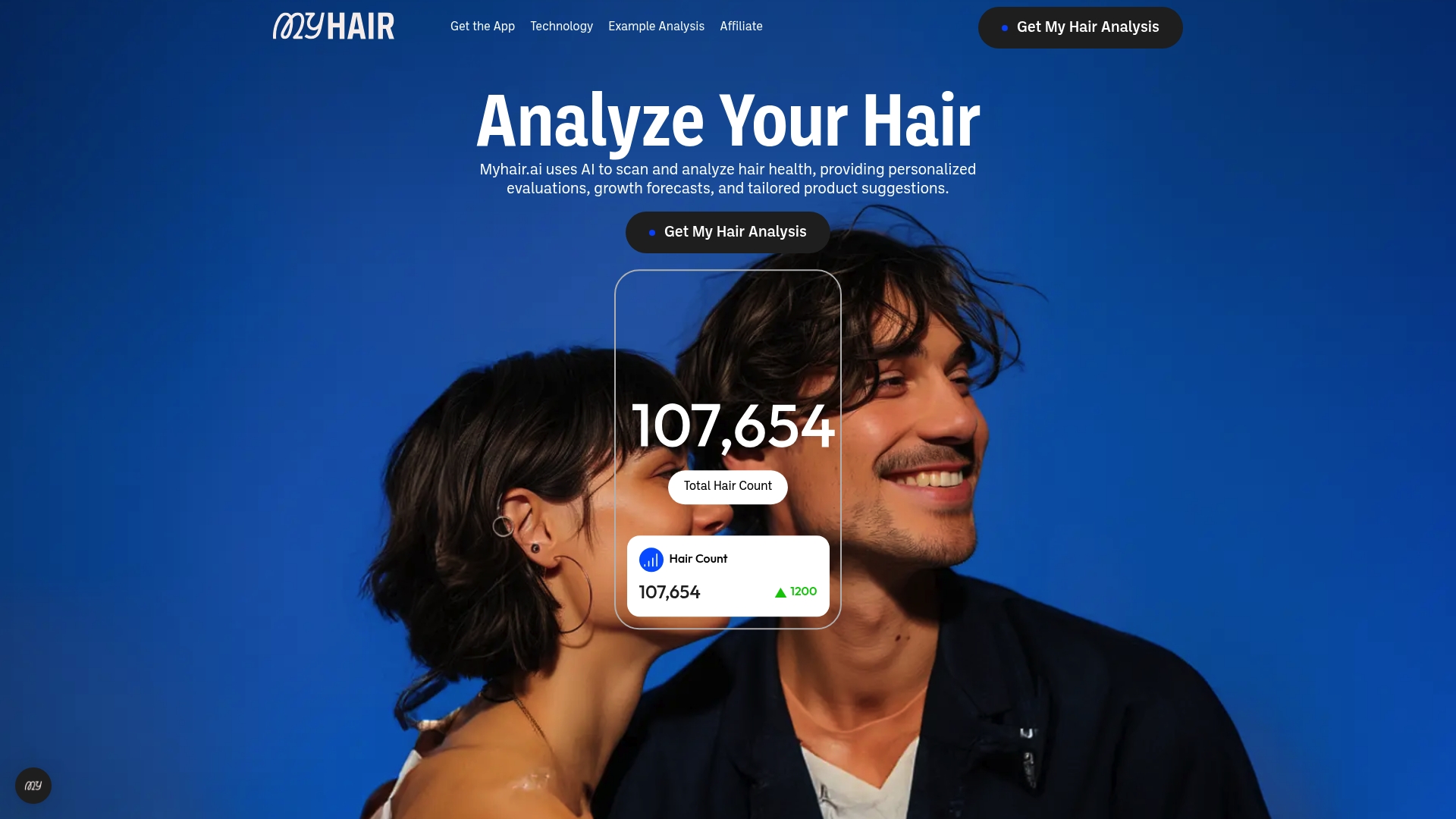
With MyHair.ai, you can dive deeper into your hair health with our AI-based hair analysis. Receive a detailed assessment tailored to your unique hair patterns and challenges. Our advanced algorithms analyze your hair scans and deliver
- Personalized growth projections,
- Tailored product recommendations, and
- Ongoing tracking of your hair's condition.
Don't let hair loss define you! Take confident steps towards reclaiming your luscious locks today—visit https://myhair.ai and start your personalized hair growth journey now. Remember, your hair deserves a future full of potential!