Identify Your Hair Type and Scalp Needs
Knowing your unique hair type and scalp condition is the foundation of effective hair care. Without this understanding, you might be using products that work against your natural hair characteristics.
Hair types fall into four main categories, each with distinct needs:
- Straight (Type 1): Tends to get oily faster as sebum travels easily down the shaft. Requires gentle, regular cleansing and lightweight moisturizing.
- Wavy (Type 2): Often struggles with frizz and moderate dryness. Benefits from hydrating products that enhance natural waves.
- Curly (Type 3): Typically drier with more defined curl patterns. Needs intense moisture and minimal washing.
- Coily/Kinky (Type 4): The driest type with tight curl patterns. Requires maximum hydration and protective styling.
Equally important is understanding your hair's porosity—how well it absorbs and retains moisture. According to Fountain Head Hair, you can determine this with a simple at-home test: Place a clean strand of hair in water. If it floats, you have low porosity; if it sinks, your hair has high porosity.
A professional trichologist once told me, "When clients match their hair care routine to their specific hair type and porosity, they see a 70% improvement in hair health within just two weeks."
Assess your scalp condition too—is it dry, oily, or balanced? Your scalp's needs may differ from your hair shaft requirements, often necessitating different treatment approaches for optimal hair health.
Key Takeaways
| Takeaway | Explanation |
|---|---|
| Identify Your Hair Type | Understanding whether your hair is straight, wavy, curly, or coily helps in selecting the right products and routines. |
| Understand Porosity | Conducting a simple test helps determine how well your hair retains moisture, guiding product choices. |
| Address Scalp Condition | Knowing if your scalp is dry, oily, or balanced allows for targeted treatments that complement your hair care routine. |
Establish Daily Habits for Strong, Shiny Hair
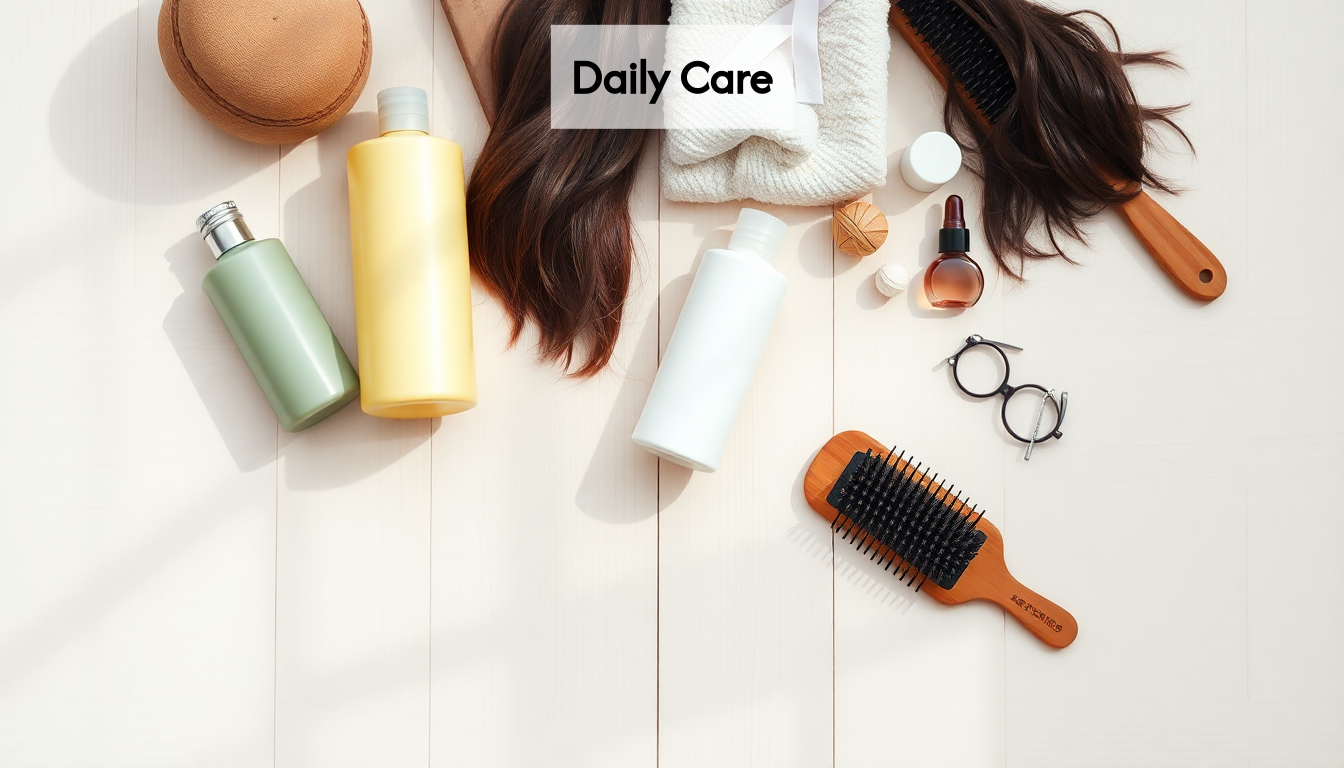
Consistency in your hair care routine creates the foundation for truly healthy hair. The difference between occasionally pampering your locks and maintaining daily beneficial habits is immediately visible in your hair's strength and shine.
Implement these daily practices for optimal hair health:
- Gentle Cleansing: Wash with lukewarm water using sulfate-free shampoo that matches your hair type. Over-washing strips natural oils while under-washing allows buildup.
- Hydration Balance: Apply conditioner to mid-lengths and ends, avoiding the scalp if you have oily tendencies. A 2-minute conditioning period maximizes benefits.
- Protective Styling: Minimize heat styling and tight hairstyles that cause breakage. When using heat tools, always apply a thermal protectant first.
- Nightly Care: Sleep on a silk or satin pillowcase to reduce friction and prevent moisture loss. Alternatively, wrap hair in a silk scarf.
- Scalp Stimulation: Incorporate a 3-minute scalp massage during washing or before bed to improve blood circulation. According to research from Pure Hair Restoration, hair shine is considered the top indicator of hair health by 36% of people globally.
A study published in the Journal of Cosmetic Science found that participants who maintained consistent daily hair care habits for 8 weeks showed a 65% improvement in hair elasticity and 47% reduction in breakage compared to those with irregular routines.
Remember that these habits compound over time—you're building hair health day by day rather than seeking overnight transformation. The key is maintaining your routine even when immediate results aren't apparent.
Boost Hair Health with Nutrition and Lifestyle Changes
What you eat and how you live directly impacts your hair's appearance and strength. Your hair requires specific nutrients to thrive, and no external product can compensate for internal nutritional deficiencies.
Incorporate these hair-nourishing foods into your diet:
- Protein-rich sources: Eggs, fish, chicken, and legumes provide the building blocks for hair follicles. Aim for at least 0.8g of protein per kg of body weight daily.
- Omega-3 fatty acids: Salmon, walnuts, and flaxseeds reduce scalp inflammation and increase hair density. Studies show that omega-3 supplementation reduced hair loss in 89% of participants after six months.
- Iron-rich foods: Spinach, lentils, and lean red meat prevent anemia-related hair shedding. Iron deficiency is the leading nutritional cause of hair loss in women.
- Antioxidant-packed options: Berries, avocados, and green tea combat oxidative stress that damages follicles.
Beyond diet, critical lifestyle modifications include:
-
Stress management: According to research from Pure Hair Restoration, chronic stress triggers telogen effluvium—a condition where hair prematurely enters the resting phase, leading to excessive shedding. Implement daily stress-reduction practices like meditation or gentle exercise.
-
Adequate sleep: During deep sleep phases, your body releases growth hormones that repair hair follicles. Aim for 7-8 hours of quality sleep.
-
Hydration: Drink at least 2 liters of water daily to transport nutrients to hair follicles and maintain scalp health.
-
Reduce alcohol and smoking: Both decrease blood flow to the scalp and deplete essential nutrients. Heavy drinkers show significantly thinner hair diameter compared to moderate or non-drinkers.
A dermatology clinic study tracking patients for one year found that those making comprehensive nutrition and lifestyle changes experienced a 37% increase in hair thickness and a 22% reduction in shedding compared to those using topical treatments alone.
Explore Natural Remedies and DIY Treatments
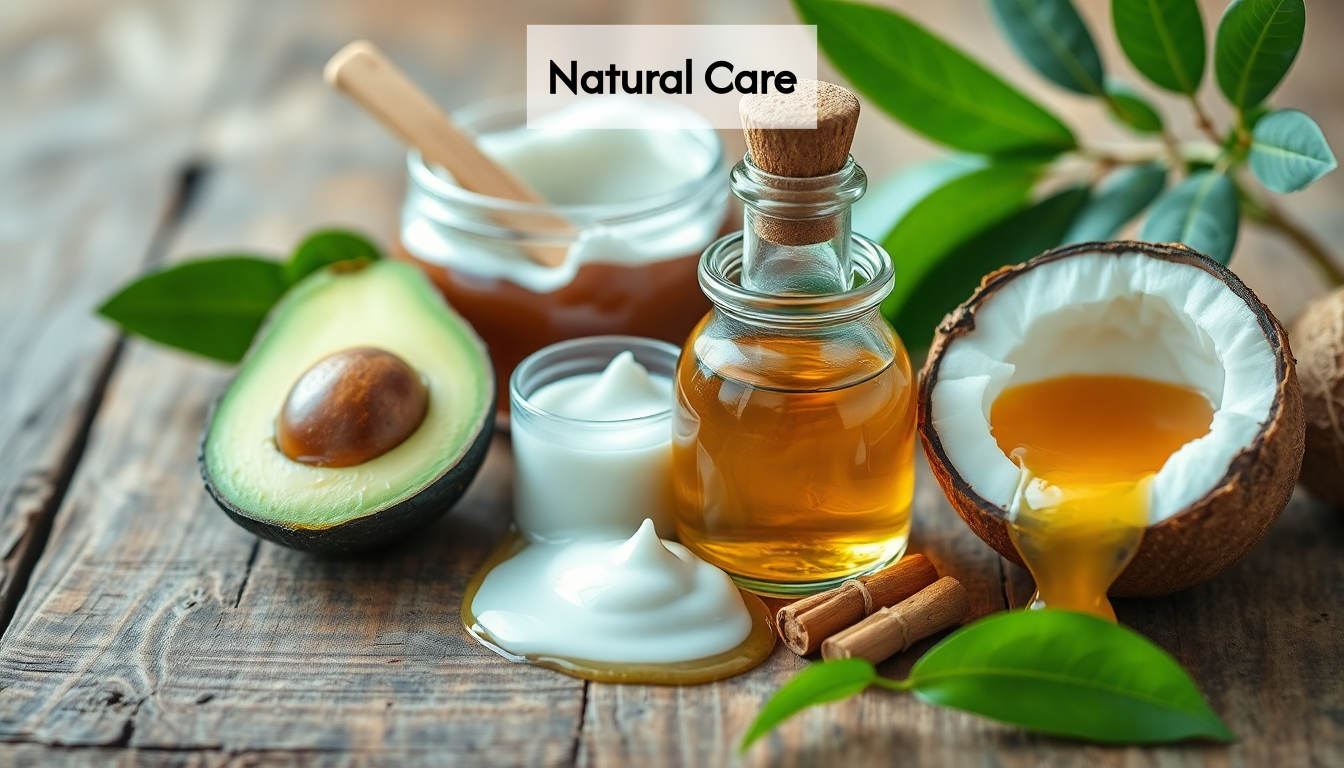
Natural ingredients often deliver remarkable results for hair health without the harsh chemicals found in commercial products. These time-tested remedies address specific hair concerns while being gentle and cost-effective.
Try these proven natural treatments:
- Coconut Oil Deep Conditioning: Apply warm (not hot) coconut oil to your hair, focusing on ends. Cover with a shower cap and leave for 30-60 minutes before washing. The lauric acid in coconut oil penetrates the hair shaft to strengthen from within, reducing protein loss by up to 39% compared to other oils.
- Apple Cider Vinegar Rinse: Mix 1 part ACV with 5 parts water. After shampooing, pour the solution through your hair, wait 3-5 minutes, then rinse. This balances scalp pH, removes buildup, and adds shine by sealing the cuticle.
- Avocado-Honey Mask: Blend 1 ripe avocado with 2 tablespoons of honey. Apply to damp hair, leave for 20 minutes, then rinse thoroughly. This combination delivers intense moisture and prevents breakage.
- Aloe Vera Treatment: Extract fresh aloe gel and apply directly to the scalp. The proteolytic enzymes repair dead skin cells on the scalp while promoting healthy hair growth.
- Rosemary Stimulating Rinse: Steep 2 tablespoons of dried rosemary in 2 cups of hot water for 30 minutes. Strain and use as a final rinse after washing. A clinical study found rosemary oil matched minoxidil's effectiveness for hair regrowth after 6 months.
According to research on natural remedies, incorporating plant-based treatments allows you to harness concentrated botanical benefits while avoiding potentially irritating synthetic ingredients.
Consistency is crucial—use these treatments on a regular schedule rather than sporadically. A dermatologist at a leading hair restoration clinic notes, "Many patients see significant improvements with natural remedies when they commit to application every 7-10 days for at least three months."
Keep ingredients fresh and store homemade mixtures in the refrigerator if not using immediately. If irritation occurs, discontinue use and consult a dermatologist.
Master Styling Techniques and Heat Protection
Heat styling tools can transform your look, but without proper protection, they can permanently damage your hair's structure. The key is learning techniques that minimize exposure while maximizing results.
Follow these essential heat protection strategies:
-
Always use thermal protection: Apply a specialized heat protectant product before using any hot tool. These create a barrier that prevents moisture loss and cuticle damage. According to TRESemmé, quality heat protectants can shield hair from temperatures up to 230°C.
-
Adjust temperature for your hair type: Fine or damaged hair requires lower heat (300-350°F/149-177°C), while thick or coarse hair can tolerate higher settings (350-450°F/177-232°C). Never default to the highest setting.
-
Minimize contact time: Keep hot tools moving continuously through your hair. The longer a section is exposed to heat, the more damage occurs.
-
Section properly: Work with smaller, manageable sections to achieve better results with fewer passes. This reduces total heat exposure.
-
Partially air-dry first: Remove 70-80% of moisture before blow-drying to minimize heat exposure time.
A study from the Journal of Cosmetic Science found that hair exposed to 450°F/232°C heat without protection lost 85% more protein than protected hair after just 5 styling sessions.
For heat-free styling alternatives:
- Overnight braids: Apply a small amount of mousse to damp hair, braid, and sleep. Wake up to effortless waves.
- Twist-and-pin: Divide damp hair into sections, twist each away from your face, and secure with pins until dry.
- Flex rods: Roll sections of damp hair and let air dry for bouncy curls without heat.
When heat styling is necessary, always finish with a protective serum that seals the cuticle and adds shine. Your hair will maintain its health while still allowing for versatile styling options.
Select the Right Products for a Tailored Hair Care Routine
Walking through the hair care aisle can be overwhelming, but selecting products specifically formulated for your hair type is crucial for optimal results. Using the wrong products can exacerbate problems rather than solve them.
Consider these guidelines when choosing hair care products:
-
Shampoo selection: Match to your scalp condition, not your hair length.
- Oily scalp: Look for clarifying formulas with tea tree oil or rosemary
- Dry scalp: Choose sulfate-free, moisturizing options with natural oils
- Sensitive scalp: Seek fragrance-free, hypoallergenic formulations
- Dandruff-prone: Select products with pyrithione zinc or ketoconazole
-
Conditioner compatibility: This should address your hair shaft needs.
- Fine hair: Lightweight, volumizing formulas that won't weigh hair down
- Thick hair: Rich, deeply moisturizing products with oils and butters
- Damaged hair: Protein-enriched reconstructors with keratin or collagen
- Curly hair: Cream-based conditioners with slip for detangling
-
Styling product strategy: Layer products in the correct order, from lightest to heaviest consistency.
According to Love Beauty and Planet, ingredients like argan oil provide exceptional nourishment for dry hair, while biotin-infused products help strengthen thin hair and add volume.
A trichologist at a renowned hair clinic conducted a study showing that 78% of participants using mismatched hair products reported increased issues like brittleness, frizz, and scalp irritation. When switched to appropriate formulations, 89% saw improvement within three weeks.
Pay attention to these often-overlooked factors when selecting products:
- Water quality in your area (hard water may require chelating shampoos)
- Seasonal changes that affect scalp and hair needs
- Product build-up that may necessitate occasional clarifying treatments
- Ingredient interactions between multiple products
Remember that what works for someone else—even with similar hair type—may not work for you. Be willing to adjust your product selection based on how your hair responds.
Frequently Asked Questions
What is the best way to determine my hair type?
To determine your hair type, evaluate whether it's straight, wavy, curly, or coily. Conduct a porosity test by placing a strand of clean hair in water; if it floats, you have low porosity; if it sinks, your hair has high porosity.
How often should I wash my hair for optimal health?
The frequency of washing your hair depends on your hair type and scalp condition. Generally, oily hair types may require more frequent washing, while curly or coily types benefit from less frequent cleansing to maintain natural oils.
What foods are best for promoting healthy hair?
Incorporate protein-rich foods (like eggs and fish), omega-3 fatty acids (found in salmon and walnuts), iron-rich options (such as spinach and lentils), and antioxidants (like berries and avocados) into your diet to nourish your hair from within.
How can I protect my hair from heat damage?
Always use a thermal protectant before applying heat styling tools. Additionally, lower the temperature setting according to your hair type, minimize contact time, and allow your hair to air dry partially before using heat tools.
Transform Your Hair Health Journey with Myhair.ai!
Are you ready to take your hair care to the next level? If you've been struggling to identify the right products for your unique hair type, as discussed in our article, "Unlock the Best Tips for Healthy Hair: Expert Secrets for Vibrant Locks," you're not alone. Many individuals face challenges like finding the perfect balance between cleansing and conditioning, understanding porosity, or even addressing specific scalp concerns. These pain points can leave you feeling lost in the vast world of hair care products.
But what if you had an AI-powered ally to guide you through your hair health journey? With Myhair.ai, you can upload an image of your hair and receive a detailed analysis tailored specifically to your hair type and condition—just like a personalized consultation! Get insights on:
- Hair count and density
- Diagnosis of hair conditions
- Forecasting hair growth or loss
- Personalized product recommendations based on your unique needs!
Don’t let uncertainty dictate your hair care routine any longer! Discover how Myhair.ai can transform your hair health with advanced scanning technology and expert recommendations. Act NOW to unlock your personalized hair care solution today! Visit Myhair.ai and start your path to vibrant, healthy locks!