TL;DR:
- Chemotherapy-induced hair loss is a common, temporary side effect that can cause significant emotional distress. Scalp cooling significantly improves hair retention rates, especially with taxane-based treatments, and gentle scalp care supports recovery. Hair usually begins regrowing within one to two months after treatment, often with altered texture and color that stabilizes over time.
Cancer hair loss, medically known as chemotherapy-induced alopecia (CIA), is one of the most visible and emotionally difficult side effects of cancer treatment. It affects the majority of patients receiving chemotherapy, and hair loss ranks among the most psychologically distressing cancer treatment side effects, with some patients delaying or refusing treatment because of it. The good news is that CIA is usually temporary, and evidence-based options like scalp cooling can significantly reduce its severity. Understanding what causes it, when it starts, and how to manage it puts you back in control.
What causes cancer hair loss and when does it start?
Chemotherapy targets rapidly dividing cells throughout the body. Hair follicle cells divide faster than almost any other cell type, which makes them highly vulnerable to chemo drugs. The result is that chemotherapy commonly causes complete scalp hair loss, while hormone therapies typically cause thinning rather than total loss, and radiotherapy causes hair loss only in the area being treated.
Not all cancer treatments affect hair the same way. Here is a clear breakdown:
- Chemotherapy: Most likely to cause complete hair loss across the scalp and body
- Radiotherapy: Causes localized loss only where radiation is directed; permanent hair loss is rare but more likely with high radiation doses
- Hormone therapies: Usually cause gradual thinning rather than sudden shedding
- Targeted therapies and immunotherapy: Can cause thinning or texture changes, though less predictably
Timing matters too. Hair loss typically begins within 2–3 weeks after starting chemotherapy. Most patients notice significant shedding by week four. The loss is not limited to the scalp. Eyebrows, eyelashes, and body hair are also commonly affected, which can feel even more disorienting than scalp loss alone.
Pro Tip: Ask your oncologist specifically which drugs are in your regimen and whether they are known to cause complete or partial hair loss. Taxane-based drugs like paclitaxel and docetaxel are among the most likely to cause total loss, while some targeted therapies carry much lower risk.
Can you prevent hair loss during chemotherapy?
Scalp cooling is the most clinically supported method for reducing chemo hair loss. The technique works by cooling the scalp before, during, and after each infusion. Cold temperatures constrict blood vessels in the scalp, reducing the amount of chemotherapy that reaches hair follicles. Less drug exposure means less follicle damage.
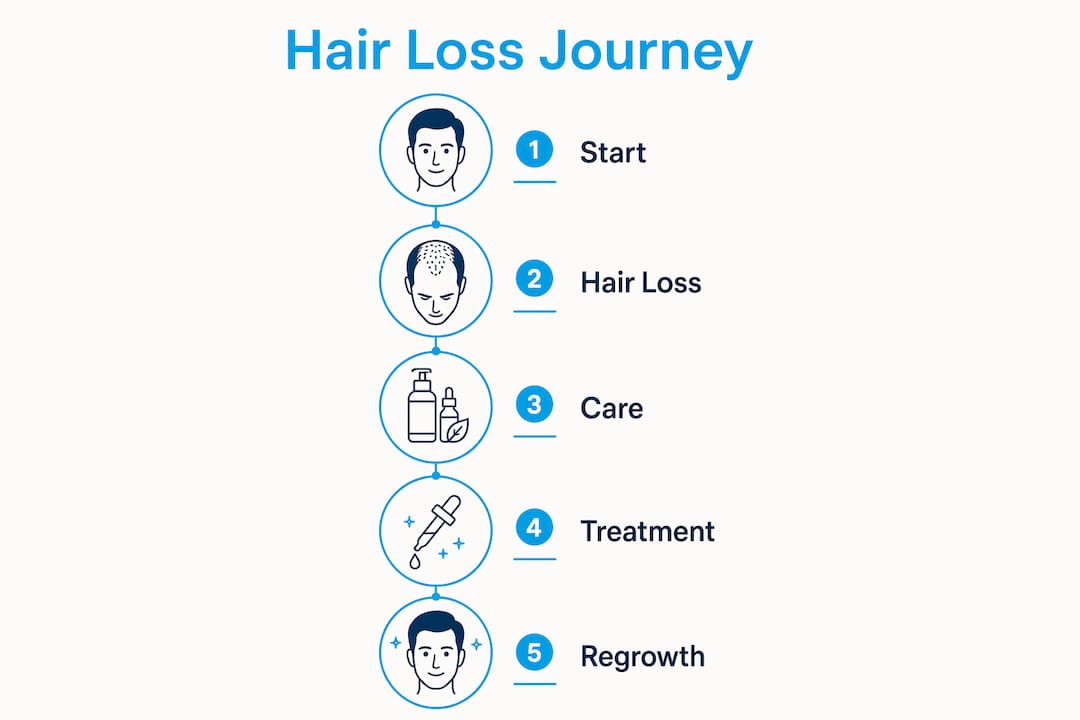
The results from recent research are striking. Studies involving more than 1,200 patients found that scalp cooling raises the odds of cosmetically acceptable hair retention by more than fourteen times compared to no cooling. Hair preservation rates reached 75–95% in treated patients versus just 8–49% in controls. The need for wigs dropped from 45–84% in untreated patients to just 5–33% in those who used scalp cooling.
| Factor | With Scalp Cooling | Without Scalp Cooling |
|---|---|---|
| Hair preservation rate | 75–95% | 8–49% |
| Wig requirement | 5–33% | 45–84% |
| Odds of acceptable hair | 14x higher | Baseline |
| Discontinuation rate | Under 30% | Not applicable |
Scalp cooling works best with taxane-based chemotherapy regimens. It is less effective for anthracycline-based drugs like doxorubicin. Side effects include headaches and chills, and some patients find the cold uncomfortable. However, fewer than 30% of patients stop using it because of discomfort. That means the majority tolerate it well enough to complete the full course.
Other options worth knowing about include the 7 recommended hair loss treatment strategies that cover both prevention and recovery. Wigs, hairpieces, hats, and scarves remain practical and widely used. Organizations like The Little Princess Trust provide free wigs to younger patients, which removes a significant financial and emotional barrier.
Pro Tip: Bring up scalp cooling at your very first oncology appointment, before treatment starts. Many hospitals require advance scheduling for cooling equipment, and starting the conversation early gives you the best chance of accessing it.
How should you care for your hair and scalp during treatment?
Gentle care during treatment protects the follicles that remain active and keeps your scalp comfortable. Gentle washing and wide-tooth comb use are the two most consistently recommended practices by oncology nurses and dermatologists.
Follow these practices to protect your scalp and remaining hair:
- Wash hair no more than two or three times per week using a mild, sulfate-free shampoo
- Use a wide-tooth comb and work from ends to roots to avoid pulling on fragile strands
- Avoid heat styling tools including blow dryers, flat irons, and curling wands
- Skip chemical treatments like coloring, perming, or relaxing while in active treatment
- Wear soft cotton or bamboo head coverings at night to reduce friction and scalp irritation
- Apply a fragrance-free moisturizer or gentle oil to an itchy or dry scalp
One practical step that Cancer Research UK recommends is cutting hair short before treatment begins. Short hair makes the shedding process feel less dramatic and simplifies daily scalp care. Many patients find this step also gives them a sense of agency at a time when much feels out of their control.
For guidance on reducing hair breakage during this sensitive period, gentle routines focused on moisture and minimal manipulation make the biggest difference. The goal during treatment is not growth. It is preservation of comfort and follicle health.
What should you expect when hair grows back after treatment?
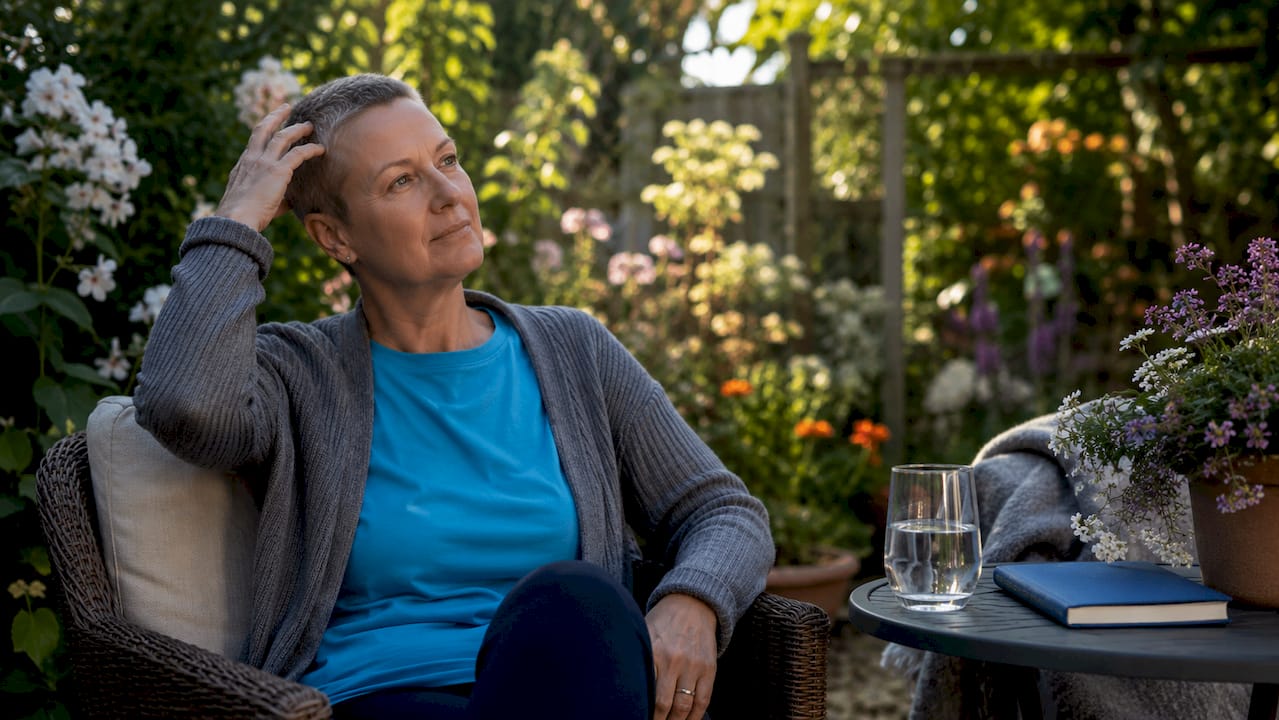
Hair regrowth after cancer treatment follows a fairly predictable timeline, though the texture and color of returning hair often surprise patients. Here is what the research and clinical experience show:
- Weeks 2–4 post-treatment: Follicles begin to reactivate. You may notice fine, soft fuzz on the scalp.
- Months 1–2: Hair regrowth typically starts within one to two months after treatment ends. Growth is slow but visible.
- Months 2–3: Significant regrowth is usually visible by the three-month mark. Most patients have enough coverage to feel comfortable without a head covering.
- Months 6–12: Hair approaches its pre-treatment length for many patients, though density may still be rebuilding.
- Beyond 12 months: Texture and color usually stabilize, though some changes may be permanent.
The texture and color changes are real and worth preparing for. Regrown hair often comes back curlier, finer, or a different shade than before. This phenomenon is sometimes called "chemo curls." It is not a sign of damage. It reflects a temporary shift in how follicles produce the hair shaft during the recovery phase.
Permanent hair loss is rare. It occurs most often in patients who received high-dose radiotherapy directly to the scalp. In those cases, scar tissue can prevent regrowth in specific areas. For the vast majority of chemotherapy patients, full or near-full regrowth is the expected outcome. For a deeper look at what to expect during this phase, Myhair's guide on hair growth after chemo covers regrowth patterns in detail.
The emotional adjustment to new hair is its own process. Many patients feel caught between relief that treatment is over and frustration that their hair looks unfamiliar. Giving yourself time and working with a stylist experienced in post-chemo hair can help you feel like yourself again faster.
Key takeaways
Managing cancer hair loss requires early preparation, realistic expectations, and consistent gentle care throughout treatment and recovery.
| Point | Details |
|---|---|
| CIA timing | Hair loss from chemotherapy typically begins within 2–3 weeks of starting treatment. |
| Scalp cooling efficacy | Scalp cooling raises odds of hair retention by over 14x and cuts wig need significantly. |
| Regrowth timeline | Most patients see visible regrowth 1–2 months after treatment ends, with full recovery by 6–12 months. |
| Gentle care matters | Sulfate-free shampoo, wide-tooth combs, and no heat styling protect follicles during treatment. |
| Texture changes are normal | Regrown hair often returns curlier or a different shade, but usually stabilizes within a year. |
What i've learned about the emotional weight of cancer hair loss
By Cyriac
The clinical facts about cancer hair loss are well documented. What gets less attention is how deeply personal the experience is. Hair is tied to identity in ways that are hard to articulate until it starts coming out in your hands. Patients often describe the first shower after starting chemo as a turning point, not because of the physical change alone, but because it makes the illness undeniable in a new way.
What I have come to believe, after spending years working in hair health, is that the emotional distress around CIA is consistently underestimated by the medical system. Oncologists are focused on survival, which is exactly right. But the psychological cost of hair loss is real, and dismissing it with "it will grow back" does not serve patients well.
The most useful thing you can do before treatment starts is prepare practically and emotionally. Cut your hair short. Research wig options before you need them. Talk to someone who has been through it. Organizations like The Little Princess Trust and local cancer support groups offer peer connections that no clinical appointment can replicate.
I also want to say this clearly: wanting to look like yourself during treatment is not vanity. It is a legitimate part of maintaining your sense of self during one of the hardest experiences of your life. Pursuing scalp cooling, wearing a wig, or investing in a good head scarf are all valid choices. So is shaving your head and owning it. There is no right way to handle this. There is only what works for you.
For anyone struggling with the confidence side of this, the hair fall problem solution resource from Myhair addresses both the practical and emotional dimensions of hair loss in a way that feels grounded rather than generic.
— Cyriac
Track your hair health with Myhair during and after treatment
Monitoring how your hair responds to cancer treatment gives you real data instead of guesswork. Myhair uses AI-powered analysis to assess your hair and scalp condition from a simple scan, tracking changes over time and providing personalized care recommendations based on your specific situation.
For patients managing hair loss during cancer treatment, this kind of objective tracking matters. You can see whether your scalp health is improving, identify the right products for your regrowth phase, and get recommendations tailored to post-chemo hair rather than generic advice. Start with Myhair's AI hair analysis to get a baseline assessment and a care plan built around where your hair actually is right now.
FAQ
What is chemotherapy-induced alopecia?
Chemotherapy-induced alopecia (CIA) is hair loss caused by chemo drugs attacking rapidly dividing hair follicle cells. It typically affects the scalp, eyebrows, eyelashes, and body hair.
Does all chemotherapy cause complete hair loss?
No. Hair loss severity depends on the specific drugs used. Taxane-based regimens are most likely to cause complete loss, while hormone therapies usually cause thinning rather than total shedding.
How effective is scalp cooling at preventing chemo hair loss?
Scalp cooling increases hair retention odds by more than fourteen times compared to no cooling, with preservation rates of 75–95% in treated patients. It works best with taxane-based regimens.
When will my hair grow back after chemotherapy?
Hair regrowth typically begins 1–2 months after treatment ends, with significant coverage usually visible by month three. Full regrowth for most patients takes 6–12 months.
Will my hair look the same after it grows back?
Not always, at least not immediately. Regrown hair often returns with a different texture or color, sometimes curlier or finer than before. These changes usually stabilize within a year of completing treatment.