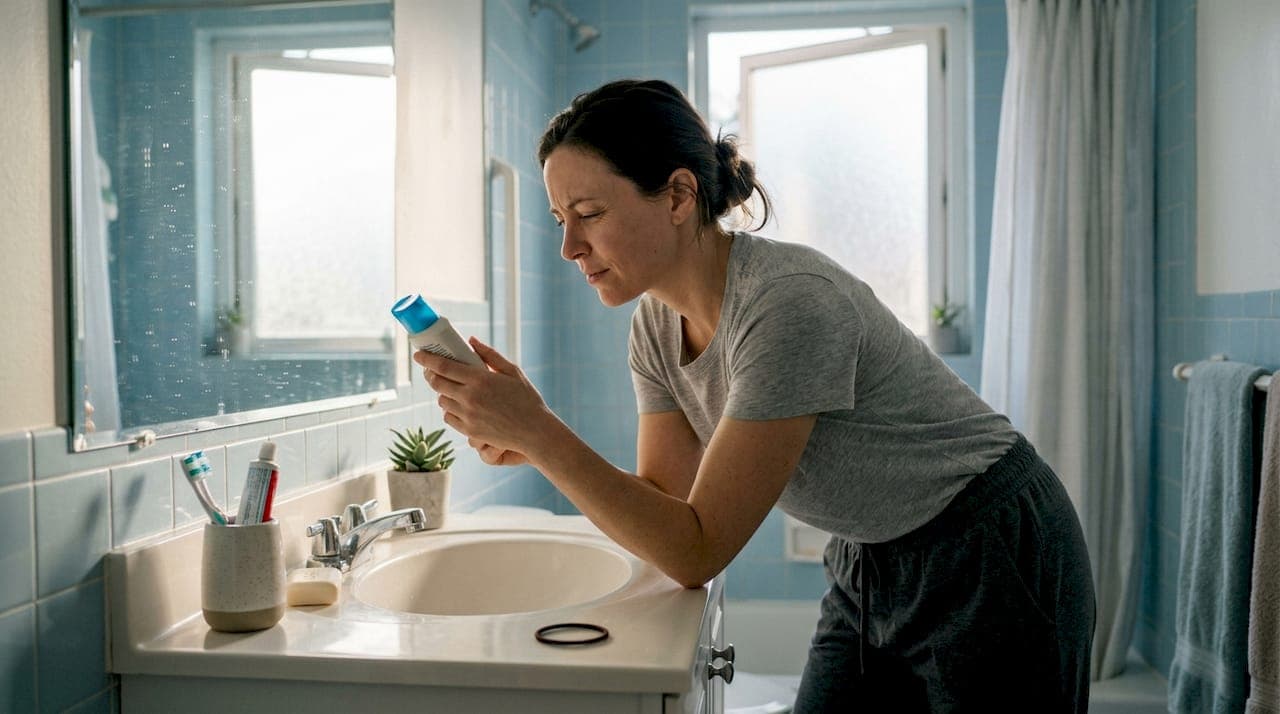
Hair loss affects millions, yet most people struggle to find shampoos that deliver real results. Generic products promise growth but often lack clinical backing or personalization for specific causes like androgenetic alopecia or telogen effluvium. Choosing the right shampoo requires understanding your unique hair loss type and selecting ingredients proven to support scalp health and follicle function. This evidence-based guide walks you through personalized shampoo selection using clinical data, helping you make informed decisions that complement professional treatments and optimize your hair care routine for measurable improvement.
Table of Contents
- Key Takeaways
- Understanding your hair loss type: the first step
- Choosing clinically proven shampoo ingredients for your needs
- How to use hair loss shampoos effectively for best results
- Monitoring your progress and adjusting your hair care routine
- Enhance your hair health with personalized AI-powered analysis
- FAQ
Key Takeaways
| Point | Details |
|---|---|
| Ketoconazole efficacy | Ketoconazole at 1 to 2 percent concentration reduces shedding and improves hair shaft diameter and the growth phase in androgenetic alopecia. |
| Caffeine adenosine benefits | Caffeine and adenosine shampoos offer moderate benefits mainly for general thinning and female pattern hair loss by supporting follicle function. |
| Adjunct to minoxidil | Shampoos support scalp health and are most effective when used with treatments such as minoxidil for androgenetic alopecia. |
| Gentle sulfate free | Ultra gentle sulfate free formulas minimize mechanical stress and scalp irritation during recovery from telogen effluvium. |
Understanding your hair loss type: the first step
Identifying what causes your hair loss transforms shampoo selection from guesswork into targeted strategy. Androgenetic alopecia, the most common form affecting both men and women, responds differently than telogen effluvium or dandruff-related shedding. Each condition requires specific active ingredients and formulation characteristics to address underlying scalp inflammation, hormonal factors, or follicle dysfunction effectively.
Androgenetic alopecia involves DHT sensitivity and follicle miniaturization. Ketoconazole shampoos at prescription strength combat scalp inflammation while potentially blocking local DHT conversion. Dandruff-related hair loss shares similar inflammatory pathways, making antifungal ingredients valuable for both conditions. Female pattern hair loss often benefits from adenosine and caffeine formulations that extend the growth phase and increase hair shaft thickness without harsh side effects.
Telogen effluvium and postpartum shedding present different challenges. These temporary conditions involve increased hair follicles entering the resting phase simultaneously, causing dramatic but reversible thinning. Gentle, sulfate-free shampoos minimize mechanical stress and scalp irritation during recovery. Harsh detergents can worsen shedding by damaging already fragile hair shafts and disrupting the scalp barrier that protects recovering follicles from environmental stressors.
Shampoos work best as adjuncts targeting scalp health rather than primary growth promoters. Combining the right shampoo with FDA-approved topicals like minoxidil or finasteride delivers superior results for androgenetic alopecia. Understanding this hierarchy helps set realistic expectations and build comprehensive routines that address hair loss from multiple angles, maximizing your investment in both time and hair loss treatment products.
Key considerations for matching shampoo to hair loss type:
- Androgenetic alopecia requires anti-inflammatory and potential anti-androgen ingredients like ketoconazole
- Telogen effluvium benefits from ultra-gentle, moisturizing formulas that reduce mechanical damage
- Dandruff-related loss needs antifungal actives to control scalp microbiome and inflammation
- Female pattern hair loss responds well to caffeine and adenosine that support follicle function
- Combination approaches with leave-on treatments deliver better outcomes than shampoo alone
Choosing clinically proven shampoo ingredients for your needs
Ketoconazole stands as the gold standard for evidence-based hair loss shampoos. Clinical trials demonstrate that 1-2% concentration reduces shedding, increases anagen phase by 4.9%, and improves shaft diameter by 5.4% in androgenetic alopecia patients. This antifungal agent works by reducing scalp inflammation, controlling seborrheic dermatitis, and potentially interfering with DHT pathways at the follicle level. Prescription-strength formulations deliver stronger results than over-the-counter versions, making dermatologist consultation valuable for severe cases.
Caffeine shampoos occupy the moderate evidence tier. Research shows caffeine counteracts DHT effects and stimulates follicles by blocking phosphodiesterase and increasing cellular energy metabolism. While not as potent as ketoconazole, caffeine formulations offer benefits for general thinning when used consistently. They work best in combination products that pair caffeine with complementary actives, creating synergistic effects that support multiple hair growth pathways simultaneously without prescription requirements.
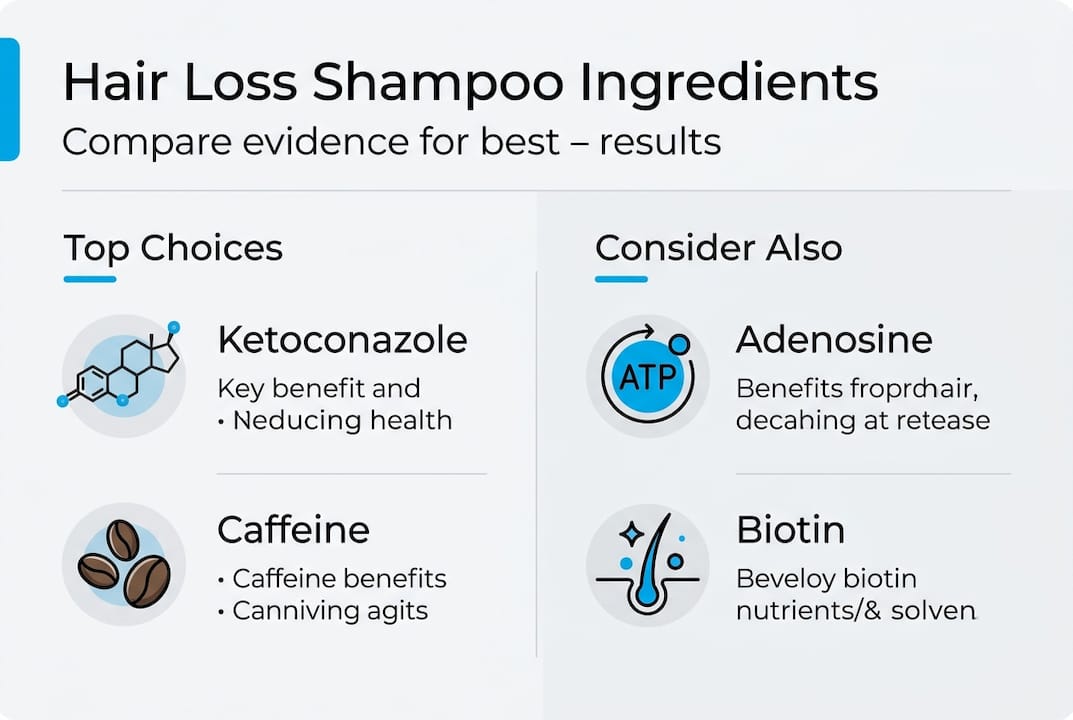
Adenosine provides another clinically supported option, particularly for female pattern hair loss. Studies demonstrate adenosine increases anagen growth and hair thickness by activating follicle dermal papilla cells. This naturally occurring compound extends the growth phase duration and enhances follicle size, translating to visibly fuller hair over several months of consistent use. Adenosine shampoos typically require longer contact time with the scalp to maximize absorption and biological activity.
Many popular ingredients lack robust clinical validation despite aggressive marketing. Biotin shampoos sound appealing but offer minimal benefit unless you have diagnosed biotin deficiency, which remains rare. Rosemary oil shows promise in small trials but needs more rigorous testing to confirm efficacy claims. Natural extracts like saw palmetto or pumpkin seed oil have theoretical mechanisms but insufficient human data to recommend confidently over proven alternatives.
Sulfate selection matters as much as active ingredients. Sodium lauryl sulfate and similar harsh detergents strip natural oils, potentially worsening hair fragility and scalp irritation. Gentler surfactants like cocamidopropyl betaine or decyl glucoside clean effectively while preserving the scalp barrier. This becomes critical for telogen effluvium recovery and sensitive scalps where inflammation exacerbates shedding.
| Ingredient | Evidence Level | Best For | Key Benefits |
|---|---|---|---|
| Ketoconazole 1-2% | Strong | Androgenetic alopecia, dandruff | Reduces shedding 17.3%, anti-inflammatory, improves scalp health |
| Caffeine | Moderate | General thinning, combination therapy | Blocks DHT locally, stimulates follicles, increases metabolism |
| Adenosine | Moderate | Female pattern hair loss | Extends anagen phase, increases thickness, supports dermal papilla |
| Biotin | Weak | Diagnosed deficiency only | Limited benefit without confirmed deficiency |
| Rosemary oil | Preliminary | Alternative seekers | Small trial data, needs more research |
Pro Tip: Check active ingredient concentration on labels, not just presence. A product listing ketoconazole without specifying 1-2% concentration likely contains ineffective amounts that won't deliver clinical benefits shown in research trials.
Compare your options systematically by reviewing top shampoo for hair loss comparison data and understanding how natural hair growth shampoo explained ingredients stack up against synthetic alternatives. This research investment pays dividends by preventing wasted money on products that can't deliver results for your specific condition.
How to use hair loss shampoos effectively for best results
Application technique significantly impacts ingredient absorption and scalp health outcomes. Follow these steps to maximize shampoo effectiveness and complement other treatments in your hair restoration routine.
- Wet hair thoroughly with lukewarm water to open cuticles and prepare the scalp for active ingredient penetration without thermal damage from hot water.
- Apply a quarter-sized amount of shampoo directly to the scalp, not hair lengths, focusing product where follicles need support most.
- Massage gently using fingertips in circular motions for 3-5 minutes, allowing active ingredients contact time while stimulating blood flow to follicles.
- Leave shampoo on scalp for an additional 2-3 minutes before rinsing, especially with ketoconazole or caffeine formulations that require absorption time.
- Rinse completely with cool water to close cuticles, remove residue, and prevent product buildup that can clog follicles or weigh hair down.
- Pat hair dry gently with a microfiber towel, avoiding aggressive rubbing that causes mechanical breakage of weakened hair shafts.
- Apply leave-on treatments like minoxidil to clean, dry scalp for optimal absorption and synergistic effects with shampoo actives.
Frequency matters as much as technique. Most hair loss shampoos work best with 2-3 applications weekly, allowing active ingredients to exert effects without overwashing that strips protective oils. Ketoconazole prescriptions typically recommend twice-weekly use, while daily caffeine shampoos may suit those with oily scalps. Adjust based on your hair type, scalp condition, and product concentration to find the sweet spot between efficacy and gentleness.
Shampoos face inherent absorption limitations as rinse-off products. Minoxidil proves more effective as a leave-on topical for androgenetic alopecia because extended scalp contact allows deeper penetration and sustained follicle stimulation. This reality underscores why shampoos work best supporting comprehensive routines rather than serving as standalone solutions. Pair your chosen shampoo with proven leave-on treatments and professional guidance for optimal outcomes.
Pro Tip: Apply shampoo to dry scalp first, massage for one minute, then add water gradually. This technique maximizes active ingredient contact before dilution, particularly beneficial for expensive formulations where you want every drop working effectively.
"Consistency transforms good products into great results. The best shampoo used sporadically delivers less benefit than a moderate option applied religiously as part of a complete hair care system."
Avoid common mistakes that undermine results. Don't expect visible improvement before 3-4 months of consistent use, as hair growth cycles require time to respond. Never use hair loss shampoos alone for androgenetic alopecia without consulting professionals about complementary treatments. Skip harsh styling products and heat tools that counteract shampoo benefits by damaging hair structure. Consider hair restoration Portland professionals if you need advanced interventions beyond topical products.
Integrate shampooing hair boost growth principles into your broader hair care philosophy. Proper cleansing supports scalp health foundations that allow other treatments to work optimally, creating synergies that multiply individual product effectiveness through strategic layering and timing.
Monitoring your progress and adjusting your hair care routine
Objective tracking separates effective routines from wishful thinking. Document baseline hair density, shedding patterns, and scalp condition before starting new shampoos to measure real change over time. Take standardized photos in consistent lighting every 4-6 weeks, focusing on problem areas like the crown or hairline. Count hairs lost during washing and brushing to quantify shedding trends that subjective assessment might miss.
Scalp health indicators provide early feedback before visible hair changes emerge. Monitor redness, flaking, itching, and oil production as proxies for inflammation and barrier function. Improved scalp condition within 2-4 weeks suggests your shampoo choice supports the follicle environment, even if hair density takes months to respond. Worsening irritation signals formulation intolerance requiring product adjustment before damage accumulates.
Common mistakes sabotage otherwise solid routines. Expecting dramatic results within weeks sets up disappointment and premature product abandonment. Using hair loss shampoos without complementary treatments limits potential outcomes, especially for androgenetic alopecia where small trials and rinse-off limits create evidence gaps that personalized monitoring helps navigate. Inconsistent application undermines active ingredient accumulation in the scalp, preventing therapeutic levels from building over time.
Adjust your approach based on response patterns:
- Increase shampoo frequency if scalp oiliness or dandruff persists despite treatment
- Decrease frequency if excessive dryness or irritation develops from overzealous cleansing
- Switch active ingredients if no improvement appears after 4-6 months of consistent use
- Add complementary treatments like minoxidil if shampoo alone proves insufficient
- Consult dermatologists when home monitoring reveals worsening despite protocol adherence
AI-powered tools revolutionize progress tracking by removing subjective bias and measurement inconsistency. Advanced algorithms analyze hair density, shaft thickness, and scalp condition from smartphone photos with precision exceeding visual assessment. These technologies identify subtle changes weeks before they become apparent, enabling faster routine optimization and earlier intervention when approaches aren't working.
| Monitoring Metric | Measurement Method | Tracking Frequency | Action Threshold |
|---|---|---|---|
| Hair density | AI photo analysis or manual counting | Every 4-6 weeks | No change after 4 months |
| Shedding rate | Daily hair counts during washing | Weekly average | Increase over 2 weeks |
| Scalp condition | Visual assessment and symptom log | Weekly | Persistent irritation |
| Shaft thickness | Microscopic measurement or AI analysis | Every 8 weeks | No improvement after 6 months |
Patience remains essential despite monitoring tools. Hair growth cycles span months, with most people seeing initial improvements around the 3-4 month mark and peak results at 6-12 months. Premature routine changes prevent adequate trial periods, making it impossible to assess true effectiveness. Balance patience with responsiveness, adjusting when clear evidence suggests your current approach isn't working.
Develop comprehensive hair care routine for hair growth protocols that extend beyond shampooing alone. Integrate scalp massage, stress management, nutrition optimization, and sleep hygiene as foundational elements supporting pharmaceutical and cosmetic interventions. Review research regularly to stay current on emerging ingredients and application strategies that might enhance your personalized protocol.
Enhance your hair health with personalized AI-powered analysis
Transform your hair care approach from generic trial and error into precision-guided optimization. MyHair's AI-powered hair analysis technology scans your scalp and hair with clinical-grade accuracy, identifying density patterns, thinning zones, and scalp health indicators invisible to the naked eye. Advanced algorithms process your unique profile to recommend shampoo formulations, active ingredient concentrations, and complementary treatments tailored specifically to your hair loss type and severity.
Interactive hair analysis onboarding walks you through comprehensive assessment in minutes, capturing baseline metrics that enable objective progress tracking over time. The platform monitors how your hair responds to chosen products and suggests routine adjustments based on measurable outcomes rather than guesswork. This data-driven approach eliminates wasted money on ineffective products while accelerating your path to visible improvement through continuous optimization.
Explore MyHair research to understand the science powering personalized recommendations and discover how AI technology bridges the gap between clinical evidence and individual application. Access cutting-edge insights that help you make informed decisions about ingredient selection, application timing, and treatment combinations that maximize results for your specific situation.
FAQ
What is the best shampoo ingredient for androgenetic alopecia?
Ketoconazole at 1-2% concentration proves most effective for androgenetic alopecia among shampoo actives. It reduces inflammation, controls scalp microbiome, and potentially blocks local DHT conversion. Clinical trials show measurable improvements in shedding rates, anagen phase duration, and hair shaft diameter with consistent use over several months.
Can caffeine shampoos help with hair thinning?
Caffeine shampoos offer moderate support for thinning by stimulating follicles and counteracting DHT effects locally. They work best combined with other treatments rather than as standalone solutions. Consistent application over 3-6 months shows benefits for general thinning, though results remain less dramatic than prescription treatments like minoxidil or finasteride.
How should I use hair loss shampoo to maximize benefits?
Apply shampoo directly to the scalp and massage gently for 3-5 minutes to enhance absorption and blood flow. Leave on for 2-3 additional minutes before rinsing thoroughly. Use 2-3 times weekly for most formulations, avoiding overwashing that strips protective oils. Combine with leave-on treatments like minoxidil for comprehensive follicle support.
Do sulfate-free shampoos really reduce hair shedding?
Sulfate-free formulas reduce mechanical damage and scalp irritation that exacerbate shedding in conditions like telogen effluvium. They preserve the scalp barrier and natural oils that protect fragile hair during recovery phases. While gentler cleansers won't cure underlying hair loss causes, they create optimal conditions for regrowth by minimizing additional stress on compromised follicles.
How long before I see results from hair loss shampoo?
Expect initial improvements around 3-4 months with peak results at 6-12 months of consistent use. Hair growth cycles require time to respond to treatments, with new growth progressing through multiple phases before becoming visible. Track progress objectively through photos and measurements rather than daily visual assessment, which misses subtle changes that accumulate into significant improvement over time.
Recommended
- How to Use Thickening Shampoo for Hair Loss Naturally | MyHair
- Top Shampoo for Hair Loss – Expert Comparison 2025 | MyHair
- Shampooing Hair: Boost Growth and Reduce Hair Loss | MyHair
- Hair Loss Shampoo for Men: Tailored Results with AI | MyHair
- Do I need to wait until I have extensive hair loss to start my hair restoration treatments? | Laser Skin Solutions
- Herbs for Hair Growth – Cocomera