TL;DR:
- Treating coarse hair involves locking in moisture and smoothing the cuticle using oil-based products like shea butter and argan oil. Following routines that include limited washing, regular conditioning, and deep masks enhances softness and manageability. Professional keratin treatments last three to six months and, combined with proper haircuts, improve overall hair health and style.
Coarse hair treatment is the targeted care approach designed to soften thick, rigid strands by locking in moisture, smoothing the cuticle, and protecting against daily damage. Coarse hair, also called high-porosity or thick-strand hair in professional settings, resists moisture absorption more than finer types. That resistance is the root cause of frizz, dryness, and styling difficulty. The good news: the right combination of washing frequency, conditioning techniques, and moisture-rich ingredients like shea butter and argan oil produces measurable improvement in softness and manageability.
What are the best daily and weekly routines for coarse hair?
Washing frequency is the first variable to control. Experts recommend washing coarse hair 1–3 times per week, with some advising as infrequently as once weekly for very dry strands. Washing too often strips the scalp's natural oils before they can travel down the thick hair shaft, which makes dryness worse, not better.
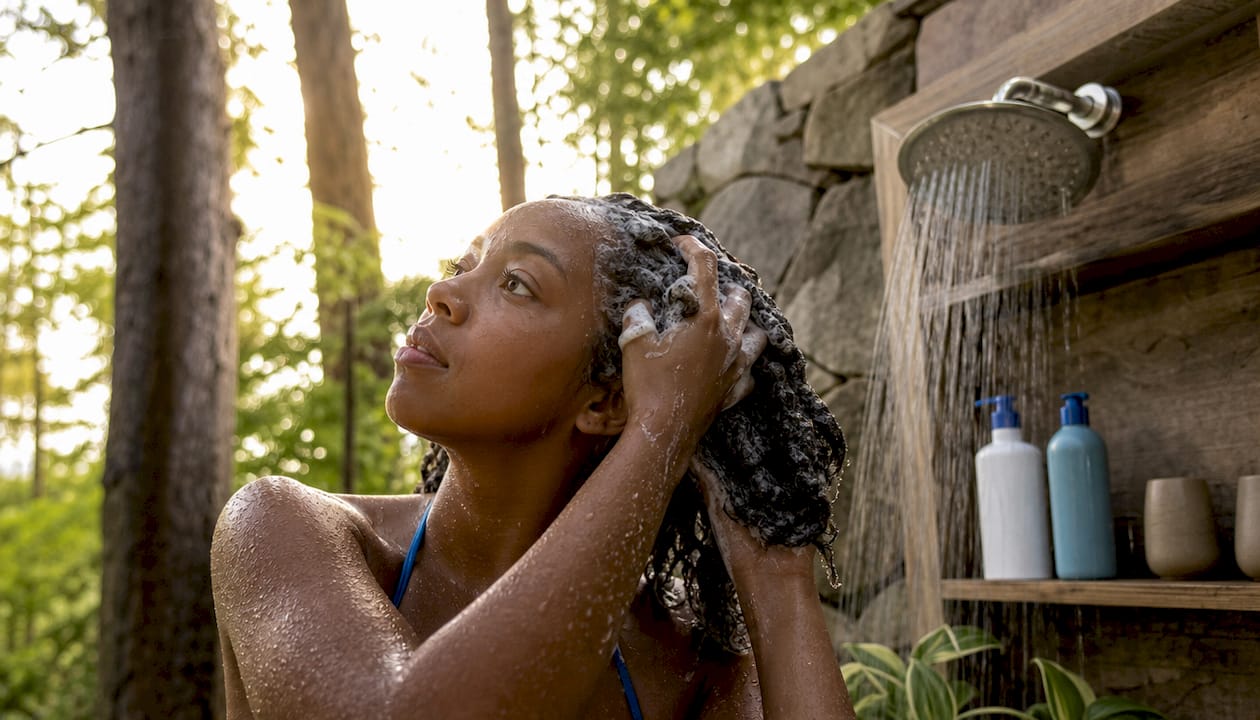
Shampoo choice matters just as much as frequency. Sulfate-free moisturizing shampoos clean without the harsh detergents that pull lipids from the cuticle. Sulfates are effective cleansers, but they are too aggressive for hair that already struggles to retain moisture.
Conditioning after every single wash is non-negotiable. Skipping conditioner increases dryness and surface roughness because coarse hair cuticles tend to lift after washing. Applying conditioner for 5–10 minutes and rinsing with lukewarm or cool water seals those lifted cuticles and locks in hydration. Hot water rinses undo that work immediately.
Weekly or biweekly deep conditioning is the next layer of care. A hair mask applied once a week adds the concentrated moisture that a standard rinse-out conditioner cannot deliver on its own. Co-washing, which means washing with conditioner instead of shampoo on lighter wash days, is a useful supplement for people whose hair dries out between full wash sessions.
Pro Tip: Apply your weekly deep conditioning mask to damp, not soaking wet, hair. Excess water dilutes the product and reduces how much moisture actually absorbs into the strand.
- Wash 1–3 times per week with a sulfate-free shampoo.
- Condition after every wash, leaving product on for 5–10 minutes.
- Rinse with cool or lukewarm water, never hot.
- Apply a deep conditioning mask once a week.
- Use co-washing on off days when hair feels dry but does not need a full cleanse.
Which ingredients work best for moisturizing coarse hair?
The most effective moisturizing ingredients for coarse hair are heavy, oil-based compounds that coat the strand and prevent water loss. Shea butter and argan oil provide weight and hydration that reduce frizz more effectively than lighter, water-based formulas. This happens because their molecular structure allows them to sit on and partially penetrate the cuticle, smoothing texture and adding shine.
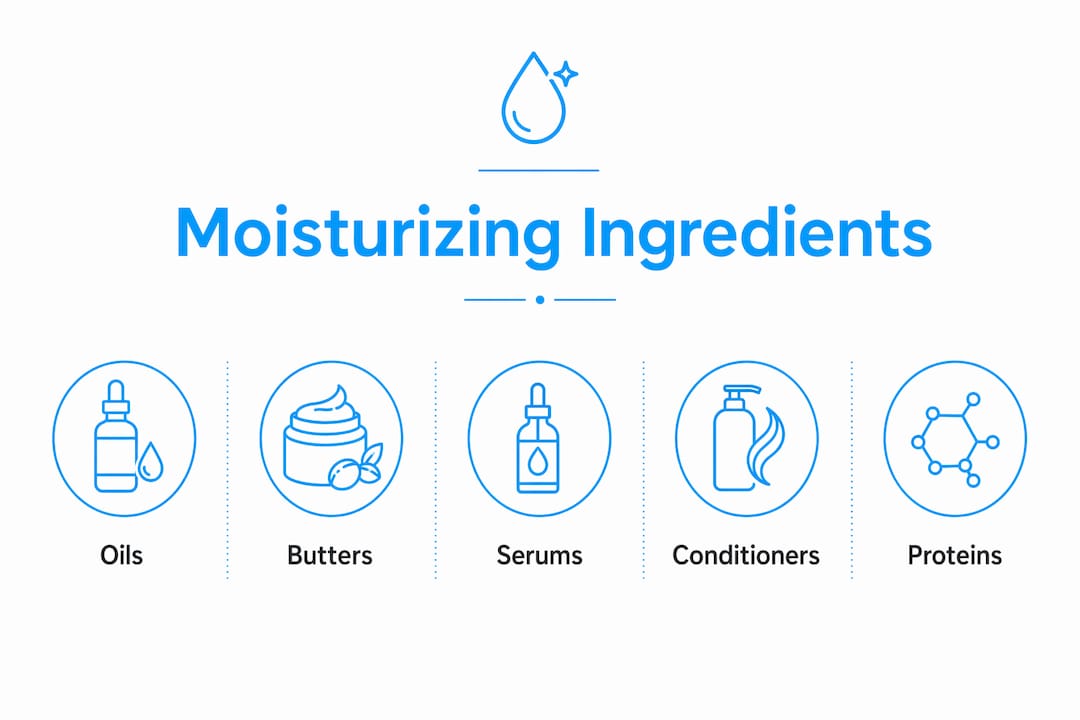
Leave-in conditioners, hair creams, and hydrating serums are the delivery vehicles for these ingredients. A leave-in conditioner applied to damp hair after washing gives the strand a continuous moisture source as it dries. Hair creams seal that moisture in place. Serums, particularly those based on argan or marula oil, add a finishing layer that reduces friction between strands.
Protein treatments, including keratin-based products, play a different role. They fill structural gaps in the hair shaft rather than adding moisture. Keratin treatments work well for coarse hair that is also damaged or chemically processed, but they are not a substitute for hydration. Overusing protein on hair that is already protein-saturated causes brittleness.
One important nuance: coconut oil can cause brittleness in protein-sensitive coarse hair. Coconut oil penetrates the hair shaft deeply, which is usually a benefit, but for people whose hair is already protein-heavy, that penetration can make strands stiff and prone to snapping. A patch test on a small section of hair before committing to a full treatment is the right call.
- Shea butter: Seals moisture, reduces frizz, adds softness
- Argan oil: Smooths cuticle, adds shine, reduces breakage
- Leave-in conditioner: Provides ongoing hydration between washes
- Keratin treatments: Fill cuticle gaps, reduce frizz for 3–6 months
- Avoid: Alcohol-based styling products, harsh sulfate shampoos, and silicone-heavy formulas that build up without nourishing
For a deeper look at how coconut oil interacts with different hair types, the difference between protein-sensitive and moisture-deficient hair is worth understanding before choosing products.
How do professional and at-home treatments help coarse hair?
Professional keratin treatments are the most effective single intervention for smoothing coarse hair. Keratin fills cuticle gaps with protein, and results last 3–6 months depending on hair type and maintenance. That duration makes keratin a cost-effective option for people who want a sustained reduction in frizz and styling time. Understanding keratin treatment costs helps set realistic expectations before booking a salon appointment.
Bond-building treatments, such as Olaplex, work differently. They repair broken disulfide bonds inside the hair shaft rather than coating the outside. These treatments are most useful for coarse hair that has been chemically processed, heat-damaged, or color-treated. They restore structural integrity, which makes the hair more receptive to moisture afterward.
At-home deep conditioning masks are the most accessible and consistent treatment option. Overnight deep conditioning under a shower cap produces superior moisture absorption compared to short mask treatments. The extended contact time allows ingredients to penetrate more deeply, resulting in noticeably softer, more pliable strands by morning.
Pro Tip: After a professional keratin treatment, wait at least 72 hours before washing your hair. Washing too soon breaks the bonds before they fully set, cutting the treatment's lifespan in half.
- Deep condition weekly for general maintenance, biweekly if hair is very dry.
- Use overnight masks monthly for an intensive hydration reset.
- Schedule professional keratin treatments every 3–6 months based on how quickly your hair reverts.
- Balance protein and moisture: if hair feels stiff or brittle after a protein treatment, follow with a hydrating mask.
- Test new oils and protein products on a small section first, particularly if your hair has shown protein sensitivity in the past.
What styling techniques and haircuts best support coarse hair?
The right haircut does more for coarse hair than most products. Layered and tapered haircuts physically remove bulk and add movement, which makes coarse hair easier to style and less prone to puffing outward. A blunt cut on thick, coarse hair tends to create a triangular silhouette. Layers break that shape and let the hair fall more naturally.
Heat styling is the biggest source of damage for coarse hair. Excess heat increases dryness and roughens the texture further, creating a cycle where more heat is needed to tame hair that heat has already damaged. Protective styling, which includes braids, twists, buns, and other low-manipulation styles, reduces the number of times heat touches the strand each week.
When heat is unavoidable, a heat protectant applied to damp hair before blow-drying or flat-ironing is the minimum standard of care. Detangling should always happen on damp hair with a wide-tooth comb, starting from the ends and working upward. Detangling dry coarse hair causes breakage at the points of resistance.
- Use a wide-tooth comb or detangling brush on damp, conditioned hair only.
- Apply styling products, such as creams or gels, to damp hair before air drying.
- Air dry whenever possible to reduce cumulative heat exposure.
- Regular trims every 8–12 weeks prevent split ends from traveling up the shaft and causing further breakage.
- Ask your stylist specifically for layers or a tapered cut designed to reduce bulk, not just length.
Key Takeaways
The most effective coarse hair treatment combines a moisture-first routine, oil-based products like shea butter and argan oil, and protective styling that limits heat exposure.
| Point | Details |
|---|---|
| Wash less, condition more | Limit washing to 1–3 times per week and condition after every wash for 5–10 minutes. |
| Choose oil-based products | Shea butter and argan oil smooth coarse strands better than water-based formulas. |
| Use overnight masks monthly | Extended contact time produces deeper moisture absorption than short treatments. |
| Keratin lasts 3–6 months | Professional keratin treatments are the most durable single solution for frizz reduction. |
| Haircut is a treatment too | Layered and tapered cuts reduce bulk and improve manageability beyond what products alone achieve. |
What I've learned after years of watching people fight their own hair
The most common mistake I see is treating coarse hair like a problem to be fixed rather than a texture to be worked with. People reach for the strongest product, the highest heat setting, or the most aggressive chemical treatment because they want results fast. What they get instead is brittle, damaged hair that is harder to manage than before.
Hydration is the foundation. Everything else, keratin, protein, styling creams, is secondary. I have seen people spend significant money on professional treatments and then skip their weekly deep conditioning mask because it feels like too much effort. The professional treatment fades in weeks without that maintenance layer underneath it.
The other thing most articles skip: your haircut is part of your treatment plan. A good haircut for coarse hair removes weight in the right places and makes every product you apply work better. You can use the best shea butter formula on the market, but if your cut is adding bulk instead of removing it, you will always be fighting the shape.
Patience is the part nobody wants to hear. Coarse hair responds to consistent care over weeks, not days. The people who see the biggest improvement are the ones who build a routine and stick to it, not the ones who rotate through a new product every two weeks looking for a miracle.
— Cyriac
How Myhair can personalize your coarse hair care
Knowing what coarse hair needs in theory is one thing. Knowing what your specific hair needs right now is another.
Myhair uses AI-powered analysis to assess your hair's current condition from a simple scan, identifying whether your strands are moisture-deficient, protein-sensitive, or showing early signs of damage. That assessment feeds directly into personalized product recommendations and care routines built around your actual hair, not a generic hair type category. You can also track changes over time using Myhair's hair scoring system, which shows whether your current routine is producing real improvement. For anyone who has been guessing at which products to buy or which treatments to prioritize, that kind of specific feedback changes how you approach your routine.
FAQ
What is coarse hair treatment?
Coarse hair treatment is a targeted care approach that softens thick, rigid strands by locking in moisture, smoothing the cuticle, and minimizing damage from heat and styling. It typically includes sulfate-free shampoos, deep conditioning, and oil-based products like shea butter or argan oil.
How often should I wash coarse hair?
Experts recommend washing coarse hair 1–3 times per week to preserve natural oils. Washing more frequently strips moisture faster than the scalp can replenish it, worsening dryness and frizz.
How long do keratin treatments last on coarse hair?
Professional keratin treatments last 3–6 months on coarse hair, depending on hair type and how consistently you maintain the results with sulfate-free products and regular conditioning.
Can I use coconut oil on coarse hair?
Coconut oil works well for most coarse hair types, but it can cause brittleness in protein-sensitive hair. Test it on a small section first before applying it to your full head.
What haircut is best for coarse hair?
Layered and tapered haircuts work best for coarse hair because they remove bulk and add movement. A blunt cut on thick strands tends to create unwanted volume and makes the hair harder to style.