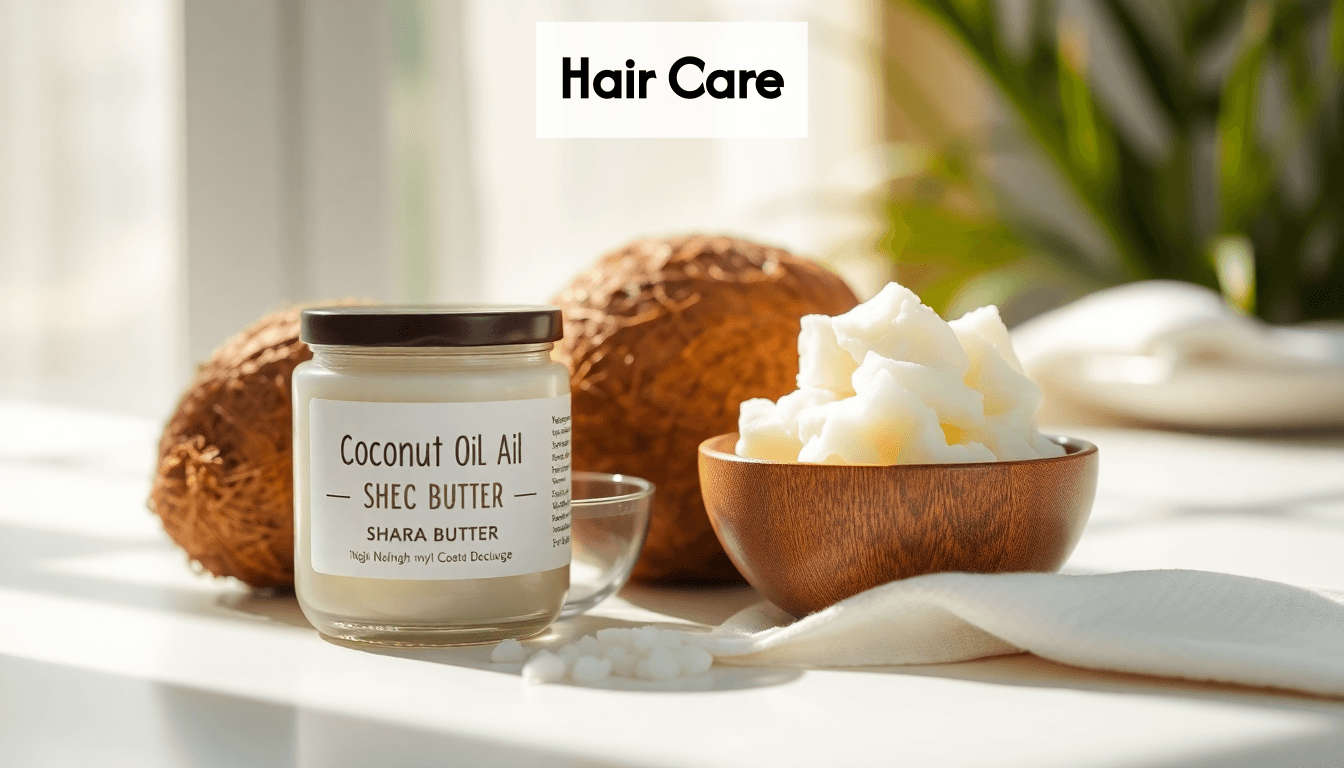
Natural hair care is gaining momentum, and the hype surrounding coconut oil and shea butter is undeniable. These two ingredients not only stand out in beauty aisles but have been embraced by countless natural hair enthusiasts. Yet here's the twist: while many tout their moisturizing prowess, the true magic lies in their ability to repair and revitalize damaged hair. This powerful combination does more than just coat your hair; it transforms it from root to tip, promoting growth and scalp health. Curious how to harness these benefits effectively? Let's dive in.
Key Benefits for Healthy Hair
When it comes to natural hair care, the combination of coconut oil and shea butter creates a powerhouse treatment that addresses multiple hair concerns simultaneously. Let's explore the remarkable benefits this dynamic duo offers for your tresses.
Deep Moisturization and Hydration
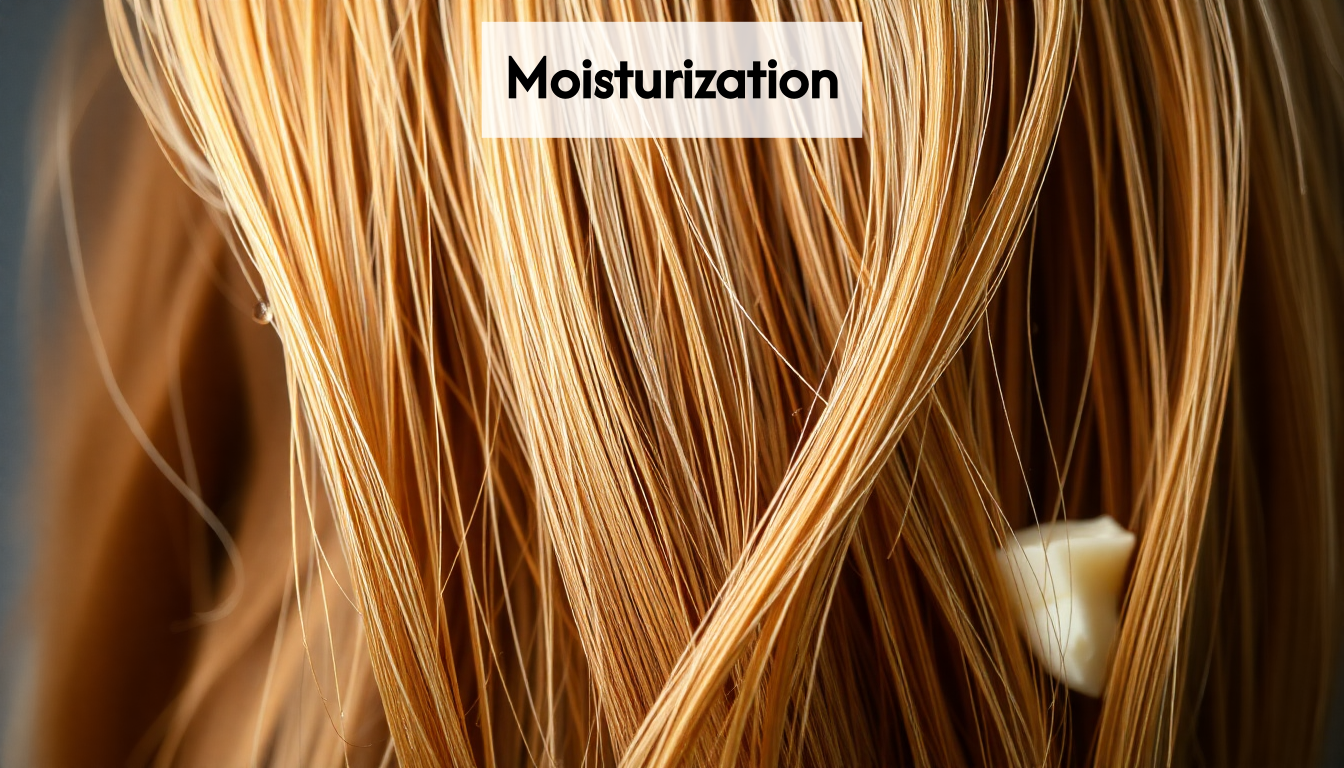
One of the most significant advantages of using coconut oil and shea butter for hair is their exceptional moisturizing properties. Coconut oil penetrates the hair shaft deeply, providing internal moisture, while shea butter creates a protective seal on the outer layer. This combination works synergistically to combat dryness and prevent moisture loss.
Shea butter contains essential fatty acids and vitamins that nourish the hair cuticle, making it particularly effective for dry, brittle, or damaged hair. When mixed with coconut oil, it delivers intense hydration that can transform even the most parched strands into soft, manageable hair. According to research on natural hair products, plant-based oils and butters provide gentler yet more effective moisture than many synthetic alternatives.
Strengthening and Damage Repair
Both coconut oil and shea butter contain proteins and fatty acids that strengthen hair from within. Coconut oil is rich in lauric acid, which has a particular affinity for hair proteins and helps prevent protein loss—a common cause of weakened hair. Shea butter, with its vitamin A and E content, supports cell regeneration and repairs damaged hair cuticles.
When used consistently, this combination helps reduce breakage and split ends while improving overall hair elasticity. The proteins in these natural ingredients bond with hair fibers to restore strength, especially beneficial for chemically processed or heat-damaged hair.
For those with tightly coiled or kinky hair textures, the combination of shea butter and coconut oil provides excellent strength without causing buildup or weighing hair down. This makes it an ideal treatment for various hair types, from fine straight hair to thick curly textures.
Scalp Health and Hair Growth Promotion
Beyond improving hair appearance, coconut oil and shea butter benefit the scalp, creating an optimal environment for healthy hair growth. Coconut oil has antimicrobial properties that help combat scalp issues like dandruff and fungal infections. Shea butter soothes inflammation and balances sebum production, addressing both dry and oily scalp conditions.
The vitamins and nutrients in these ingredients nourish hair follicles directly, potentially stimulating growth and increasing hair density over time. Regular scalp massages with a coconut oil and shea butter mixture improve blood circulation to the follicles, delivering oxygen and nutrients essential for robust hair growth.
This natural combination provides these benefits without harsh chemicals found in many commercial products, making it suitable for those with sensitive scalps or those seeking to minimize exposure to synthetic ingredients in their hair care routine.
Key Takeaways
| Takeaway | Explanation |
|---|---|
| Deep Moisturization | Coconut oil and shea butter provide exceptional moisture, with coconut oil penetrating the hair shaft and shea butter sealing in hydration, making them effective for combating dryness. |
| Strengthening Properties | The combination of proteins and fatty acids in coconut oil and shea butter strengthens hair, reduces breakage, and improves elasticity, particularly beneficial for damaged hair. |
| Scalp Health | These ingredients support scalp health by addressing issues like dandruff and balancing oil production, creating an ideal environment for healthy hair growth. |
| Personalized Mixture | Tailor the coconut oil and shea butter mixture ratio according to your hair type—generally, a 2:1 ratio provides effective moisture without heaviness. |
| Consistent Application | Regular application is crucial; weekly deep treatments and daily moisture maintenance ensure ongoing benefits for hair health. |
How to Use for Best Results
Knowing the benefits of coconut oil and shea butter for hair is just the beginning. To maximize their hair-revitalizing potential, proper application methods and consistency are key. Here's how to incorporate this natural hair treatment into your routine for optimal results.
Creating the Perfect Mixture
The right ratio of coconut oil to shea butter depends on your hair type and specific needs. For a balanced mixture that works well for most hair types, combine two parts coconut oil with one part shea butter. This proportion provides excellent moisture without creating excessive heaviness.
Start with pure, unrefined ingredients for maximum benefits. Raw, unrefined shea butter contains higher levels of vitamins and nutrients compared to processed varieties. Similarly, virgin coconut oil preserves more of the beneficial properties that make it effective for hair care.
To prepare your mixture:
- Melt the shea butter using a double boiler method (place in a heat-safe bowl over simmering water)
- Remove from heat and add the coconut oil, stirring until completely melted and combined
- Allow the mixture to cool slightly but not solidify
- For enhanced benefits, add 5-10 drops of essential oils like lavender, rosemary, or peppermint
Store your mixture in a clean glass jar at room temperature. The blend will solidify to a creamy consistency that's perfect for application.
Application Techniques for Different Hair Types
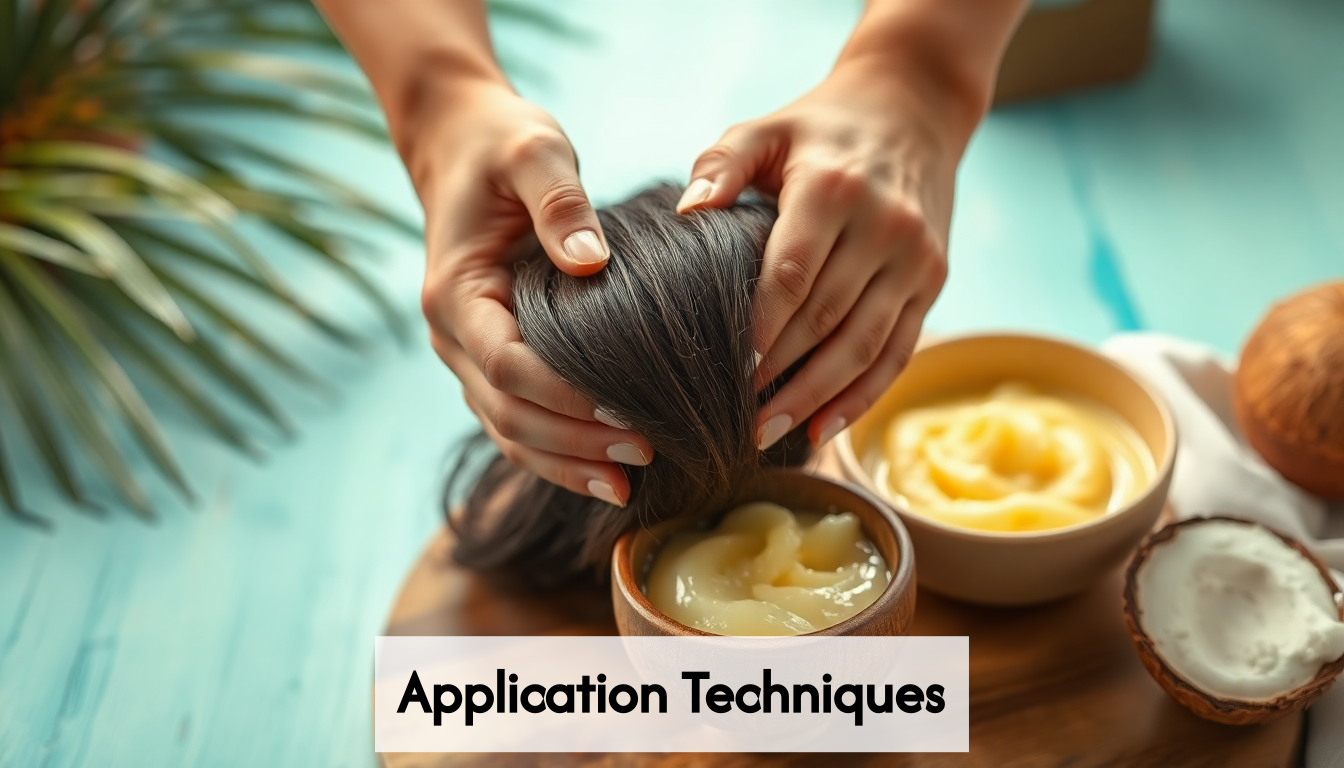
The way you apply your coconut oil and shea butter mixture can significantly impact its effectiveness. Tailor your application method to your hair type for best results.
For fine or straight hair, focus primarily on the ends and mid-lengths to prevent weighing down the roots. Apply a small amount (about a dime-sized portion) to slightly damp hair, concentrating on dry or damaged areas. Too much product can make fine hair appear greasy, so start with less than you think you need.
For thick, curly, or coily hair, you can be more generous with the application. Section your hair and work the mixture through from roots to ends, paying special attention to the ends where dryness is most common. The natural oils and butters absorb beautifully into these hair types without creating buildup.
For all hair types, warm the product between your palms before application to soften it and make it easier to distribute evenly throughout your hair.
Treatment Schedules and Timing
The frequency of using coconut oil and shea butter treatments depends on your hair's condition and needs. As a general guideline:
Weekly deep treatments: Apply the mixture generously to dry or slightly damp hair, cover with a shower cap, and leave on for 30 minutes to overnight. This allows maximum penetration of the oils into the hair shaft. Rinse thoroughly and follow with a gentle shampoo if needed.
Daily or every-other-day moisture: For regularly maintaining moisture levels, especially for curly and coily hair types, use a very small amount as a leave-in treatment. This works particularly well when applied to damp hair after washing.
Pre-shampoo protection: Apply the mixture to dry hair 1-2 hours before shampooing to protect strands from the potentially drying effects of cleansers. This method works well for all hair types and helps maintain natural oils.
Consistency is crucial for seeing results. According to hair care experts, natural treatments require regular application over time to deliver noticeable improvements in hair strength and health.
Remember that your hair's needs may change with the seasons, requiring adjustments to your treatment schedule. In drier months or climates, you might need more frequent applications, while humid conditions might require less product to avoid heaviness.
DIY Hair Mask Recipes
While a simple coconut oil and shea butter mixture offers tremendous benefits for your hair, you can enhance these effects by creating specialized hair masks that target specific concerns. These DIY recipes build upon the powerful base of coconut oil and shea butter by incorporating additional natural ingredients to address particular hair needs.
Deep Conditioning Mask for Dry, Damaged Hair
This intensive treatment is perfect for reviving severely dry or damaged hair. The combination of coconut oil and shea butter creates a powerful moisture barrier, while honey acts as a humectant to draw and retain moisture.
Ingredients:
- 2 tablespoons coconut oil
- 1 tablespoon raw shea butter
- 1 tablespoon raw honey
- 1 tablespoon plain yogurt (full-fat works best)
To prepare this mask, gently melt the coconut oil and shea butter together, then allow to cool slightly before stirring in the honey and yogurt until smooth. Apply generously to clean, damp hair, focusing on mid-lengths and ends. Cover with a shower cap to trap heat and leave for 30-45 minutes before rinsing thoroughly.
The proteins in yogurt strengthen hair strands while the lactic acid gently cleanses the scalp. Honey adds shine and helps your hair retain moisture long after rinsing. Use this mask once weekly for noticeable improvement in hair texture and manageability.
Growth-Stimulating Scalp Treatment
This mask targets the scalp to create optimal conditions for healthy hair growth. The combination of coconut oil and shea butter delivers essential nutrients directly to hair follicles while supporting overall scalp health.
Ingredients:
- 2 tablespoons coconut oil
- 1 tablespoon shea butter
- 10 drops rosemary essential oil
- 5 drops peppermint essential oil
- 1 teaspoon castor oil
Melt the coconut oil and shea butter together, allow to cool slightly, then add the remaining oils. Apply directly to your scalp in sections, massaging gently with fingertips to stimulate blood flow. Extend the mixture through to the ends of your hair, cover with a warm towel or shower cap, and leave for at least one hour before washing out.
Rosemary oil has been shown to be as effective as minoxidil (a common hair growth medication) for encouraging new growth, according to research on DIY hair treatments. The peppermint oil creates a stimulating tingle that increases blood circulation to the scalp, delivering oxygen and nutrients to the hair follicles. Apply this treatment once weekly for best results.
Balancing Mask for Oily Roots and Dry Ends
Many people struggle with combination hair—oily at the roots but dry at the ends. This mask addresses both concerns simultaneously by balancing oil production while providing targeted moisture.
Ingredients:
- 1 tablespoon coconut oil
- 1 tablespoon shea butter
- 1 tablespoon aloe vera gel (fresh or pure store-bought)
- 1 teaspoon apple cider vinegar
- 5 drops tea tree essential oil
Combine the melted coconut oil and shea butter with the remaining ingredients, stirring until smooth. Apply the aloe vera-rich portion more heavily to the scalp, where it will help regulate sebum production without stripping natural oils. Work the coconut oil and shea butter concentrated mixture through the lengths and ends where moisture is needed most.
Leave the treatment on for 20-30 minutes before rinsing thoroughly. The apple cider vinegar helps balance the scalp's pH while tea tree oil provides antimicrobial benefits to combat any scalp issues. This mask is ideal for using every 10-14 days to maintain balanced, healthy hair.
Protein-Rich Strengthening Treatment
For hair that breaks easily or lacks elasticity, this protein-boosting mask combines the moisturizing benefits of coconut oil and shea butter with protein-rich ingredients that strengthen hair structure.
Ingredients:
- 2 tablespoons coconut oil
- 1 tablespoon shea butter
- 1 egg (whole)
- 1/2 avocado, mashed
- 1 teaspoon honey
Melt the coconut oil and shea butter, allow to cool completely (to avoid cooking the egg), then blend with remaining ingredients until smooth. Apply to clean, damp hair from roots to ends. Leave on for 20 minutes, then rinse with cool water (to prevent the egg from cooking in your hair).
The egg provides protein that fills in gaps in the hair cuticle, while avocado contributes additional fatty acids and vitamins that complement the coconut oil and shea butter. This mask is best used once every two weeks, as too much protein can make hair stiff or brittle if overused.
Remember that consistency is key with natural hair treatments. Store any unused portions of these masks in the refrigerator for up to one week, and always perform a patch test before applying a new formulation to your entire scalp and hair.
Expert Tips for Hair Maintenance
While incorporating coconut oil and shea butter into your hair care routine provides excellent benefits, achieving and maintaining truly healthy hair requires a comprehensive approach. These expert tips will help you maximize the effectiveness of your natural treatments and create an optimal environment for hair health.
Proper Washing and Conditioning Techniques
How you cleanse and condition your hair significantly impacts its overall health. When using coconut oil and shea butter treatments, adjust your washing routine to complement rather than counteract their benefits.
Limit shampooing to 2-3 times per week at most, as over-washing strips away natural oils that protect your hair. Choose sulfate-free shampoos that cleanse without harsh detergents, focusing application mainly on your scalp rather than the length of your hair.
When washing out coconut oil and shea butter treatments, you might need to shampoo twice—once to break down the oils and again to cleanse the hair completely. Water temperature matters significantly; according to hair experts, lukewarm water is ideal for washing hair treated with oils and butters, as hot water can strip away too much moisture while cold water may not remove enough of the product.
Always follow with a conditioner, even after using oil treatments, concentrating on mid-lengths and ends. This creates an additional moisture barrier that helps lock in the benefits of your coconut oil and shea butter regimen.
Protective Styling and Nighttime Care
How you wear and protect your hair between treatments dramatically affects how well coconut oil and shea butter can work their magic. Minimize manipulation of your hair when possible, especially when it's wet and most vulnerable to breakage.
Consider wearing protective styles—braids, twists, buns, or updos—that keep ends tucked away and reduce exposure to environmental stressors. These styles are particularly beneficial after applying coconut oil and shea butter treatments, as they allow the oils to penetrate while protecting the hair from friction damage.
Nighttime hair care is equally important. Sleep on a silk or satin pillowcase, or wrap your hair in a silk/satin scarf or bonnet to prevent friction that leads to breakage and frizz. This is especially crucial when you've applied coconut oil and shea butter as a leave-in treatment, as cotton pillowcases can absorb these beneficial oils away from your hair.
If you apply your coconut oil and shea butter mixture before bed, consider placing a towel over your pillowcase to protect your bedding, or use a shower cap covered by a silk scarf for overnight deep treatments.
Complementary Nutrition and Lifestyle Factors
Even the best topical treatments can't compensate for poor internal support for hair health. What you put into your body is just as important as what you put onto your hair.
Ensure adequate hydration by drinking plenty of water daily, as this affects how well your hair can absorb and retain moisture from treatments like coconut oil and shea butter. Include foods rich in omega-3 fatty acids, biotin, zinc, and vitamins A, C, and E in your diet to provide the building blocks for healthy hair growth from within.
Managing stress is also crucial, as high stress levels can disrupt normal hair growth cycles and reduce the effectiveness of even the best hair treatments. Regular exercise improves circulation, delivering more nutrients to hair follicles and enhancing the benefits of scalp treatments.
Limit heat styling whenever possible, as excessive heat can counteract the strengthening benefits of coconut oil and shea butter. When heat styling is necessary, always use a heat protectant and the lowest effective temperature setting on your tools.
Consistency in your overall hair care approach yields the best results. Establish a regular schedule for deep treatments with your coconut oil and shea butter mixture, trimming ends, and protective styling to create a comprehensive system that supports optimal hair health.
By combining these expert maintenance tips with your coconut oil and shea butter treatments, you create a powerful strategy for achieving and maintaining the healthiest possible hair.
Frequently Asked Questions
What are the benefits of using coconut oil and shea butter for hair?
Both coconut oil and shea butter deeply moisturize and hydrate hair, strengthen it from within, repair damage, and promote scalp health, creating a favorable environment for hair growth.
How do I create a coconut oil and shea butter mixture for my hair?
For a balanced mixture, combine two parts coconut oil with one part shea butter. Melt the shea butter and mix it with coconut oil, then allow it to cool before application.
How often should I use coconut oil and shea butter treatments on my hair?
It's recommended to apply a deep treatment weekly for maximum benefits, while maintaining daily or every-other-day moisture applications, especially for curly and coily hair types.
Can I use coconut oil and shea butter for all hair types?
Yes, the combination is suitable for all hair types. However, adjust the amount used based on your hair's thickness and texture to avoid weighing it down.
Unlock Your Hair's Potential with AI
After discovering the transformative benefits of coconut oil and shea butter, are you ready to take your hair care journey to the next level? If you're struggling with dryness, damage, or lack of growth, you're not alone. These common pain points can leave your hair looking lifeless. But what if there was a way to personalize your hair health routine even further?

Introducing Myhair.ai—your ultimate solution for revitalizing your hair! Our innovative, AI-powered platform analyzes your hair through advanced scanning technology to deliver tailored evaluations just for you. No more guessing what your hair needs!
Why wait? Here’s what you can expect:
- Personalized Product Recommendations: Just like how coconut oil and shea butter cater to your hair’s moisturization and repair, we curate products based on your specific needs.
- Expert Consultations: Consult certified hair specialists who can provide detailed advice and support for your individual hair challenges.
Transform your hair health journey today; visit Myhair.ai and discover how our technology can help you unlock the beautiful hair you deserve!