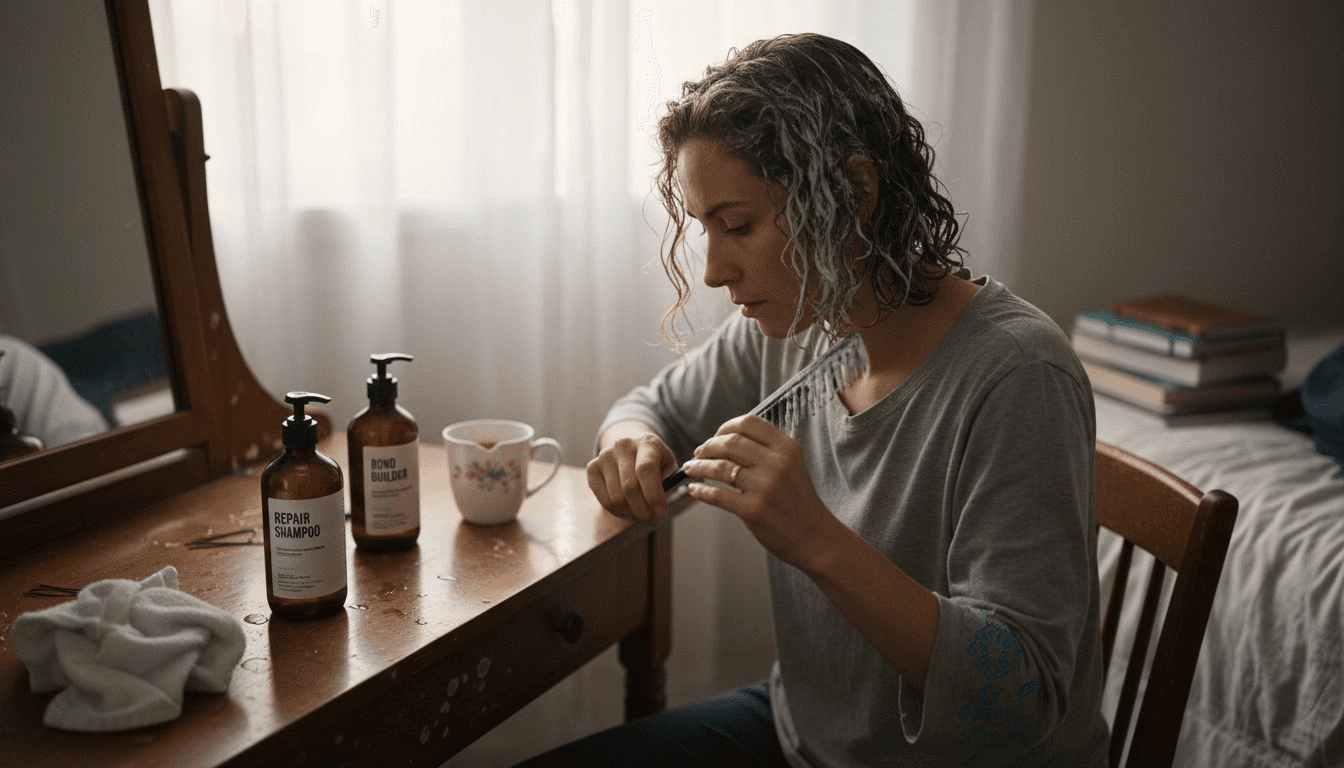
Heat styling and chemical treatments can quickly transform healthy hair into strands that feel rough, lose their shine, and become prone to breakage. For people dealing with this frustration, finding effective repair products is more than a cosmetic concern, it is about restoring confidence and hair health. This guide digs into how hair damage happens at a structural level and reveals solutions designed to rebuild, protect, and strengthen for noticeable results.
Table of Contents
- Defining Damaged Hair and Repair Products
- Categories of Repair Products and Their Uses
- How Active Ingredients Strengthen Hair
- Choosing Products for Heat and Chemical Damage
- Avoiding Everyday Mistakes with Damaged Hair
- Comparing Salon Treatments and At-Home Solutions
Key Takeaways
| Point | Details |
|---|---|
| Understanding Hair Damage | Hair damage can arise from various internal and external factors that compromise the hair's structure, requiring specific repair strategies. |
| Categories of Repair Products | Specialized repair products, such as shampoos, conditioners, and leave-in treatments, address different types of hair damage for comprehensive restoration. |
| Active Ingredients for Strengthening | Effective hair repair relies on active ingredients like Keratin and Amino Acids, which work at a molecular level to restore and protect hair structure. |
| Salon vs. At-Home Treatments | Combining professional salon treatments with at-home care can maximize hair restoration by utilizing stronger ingredients and targeted solutions. |
Defining Damaged Hair and Repair Products
Hair damage is a complex issue that affects millions of individuals, resulting from various external and internal factors that compromise hair's natural structure and appearance. Hair damage occurs when the protective outer layer of hair, known as the cuticle, becomes compromised, leading to a loss of shine, strength, and overall hair health.
Scientific research reveals that hair is a sophisticated biopolymer composite primarily composed of keratin, structured in three main layers: cuticle, cortex, and medulla. Complex hair damage mechanisms emerge from multiple sources, including:
- Mechanical stress from styling
- Thermal exposure from heat styling tools
- Chemical treatments like bleaching and coloring
- Environmental factors such as UV radiation and pollution
- Nutritional deficiencies affecting hair protein structure
Repair products work through sophisticated mechanisms to address these structural challenges. These specialized formulations target specific types of damage by:
- Rebuilding protein structures
- Sealing lifted cuticle layers
- Reducing porosity
- Restoring moisture balance
- Protecting against further environmental damage
Bond builder technologies have revolutionized hair repair, focusing on reconstructing the fundamental protein connections within hair fibers. Disulfide bond stabilization represents a cutting-edge approach to reversing structural damage at the molecular level.
Pro tip: Invest in multiple repair strategies targeting different aspects of hair damage for comprehensive restoration.
Categories of Repair Products and Their Uses
Hair repair products represent a sophisticated range of specialized cosmeceuticals designed to address multiple dimensions of hair health and restoration. Hair care cosmeceuticals encompass multiple categories targeting specific hair challenges, providing comprehensive solutions for individuals experiencing damage and structural weakening.
The primary categories of hair repair products include:
- Shampoos: Cleansing formulations that remove environmental buildup
- Conditioners: Moisture-restoring products that smooth and protect hair cuticles
- Leave-in Treatments: Intensive repair solutions with deep penetrating ingredients
- Protein Reconstructors: Targeted formulations rebuilding hair's internal protein structure
- Protective Serums: Heat and environmental damage prevention products
Each product category utilizes unique functional ingredients to achieve specific repair objectives. Functional ingredients play critical roles in hair restoration, including:
- Polyquaternium agents for improved hair strength
- Protein complexes for structural reconstruction
- Volatile lipids enhancing moisture retention
- Superfatted agents providing deep conditioning
- Heat-protective materials preventing thermal damage
Bond builder technologies represent the most advanced segment of hair repair products, focusing on molecular-level reconstruction. These innovative formulations target damaged keratin structures, reconnecting broken protein links and restoring hair's fundamental integrity.
Pro tip: Combine multiple repair product categories to create a comprehensive hair restoration strategy targeting different damage mechanisms.
How Active Ingredients Strengthen Hair
Hair strengthening relies on sophisticated active ingredients that work at a molecular level to repair and protect hair fibers. Protein-based cosmetic formulations represent a cutting-edge approach to restoring hair's structural integrity, addressing damage through targeted molecular interventions.
The most effective active ingredients for hair strengthening include:
- Keratin Particles: Penetrate hair fiber to rebuild structural proteins
- Fusion Proteins: Bind to damaged hair sites, enhancing elasticity
- Plant Extracts: Provide natural nutritional support for hair health
- Amino Acid Complexes: Reconstruct protein bonds
- Botanical Oils: Seal cuticle and prevent moisture loss
Clinical research highlights several key active ingredients with proven effectiveness:
- Adenosine: Stimulates hair follicle activity
- Caffeine: Improves scalp circulation
- Placental Protein: Supports structural repair
- Biotin: Enhances keratin infrastructure
- Panthenol: Increases hair's moisture retention
Molecular repair technologies transform hair care by addressing damage at its fundamental level. These innovative ingredients work by reconnecting broken protein structures, filling microscopic gaps in the hair fiber, and creating a protective barrier against future environmental stress.
Effective hair strengthening requires a multi-layered approach targeting both internal protein reconstruction and external protective mechanisms.
Pro tip: Rotate between different active ingredient formulations to prevent ingredient adaptation and maximize hair restoration potential.
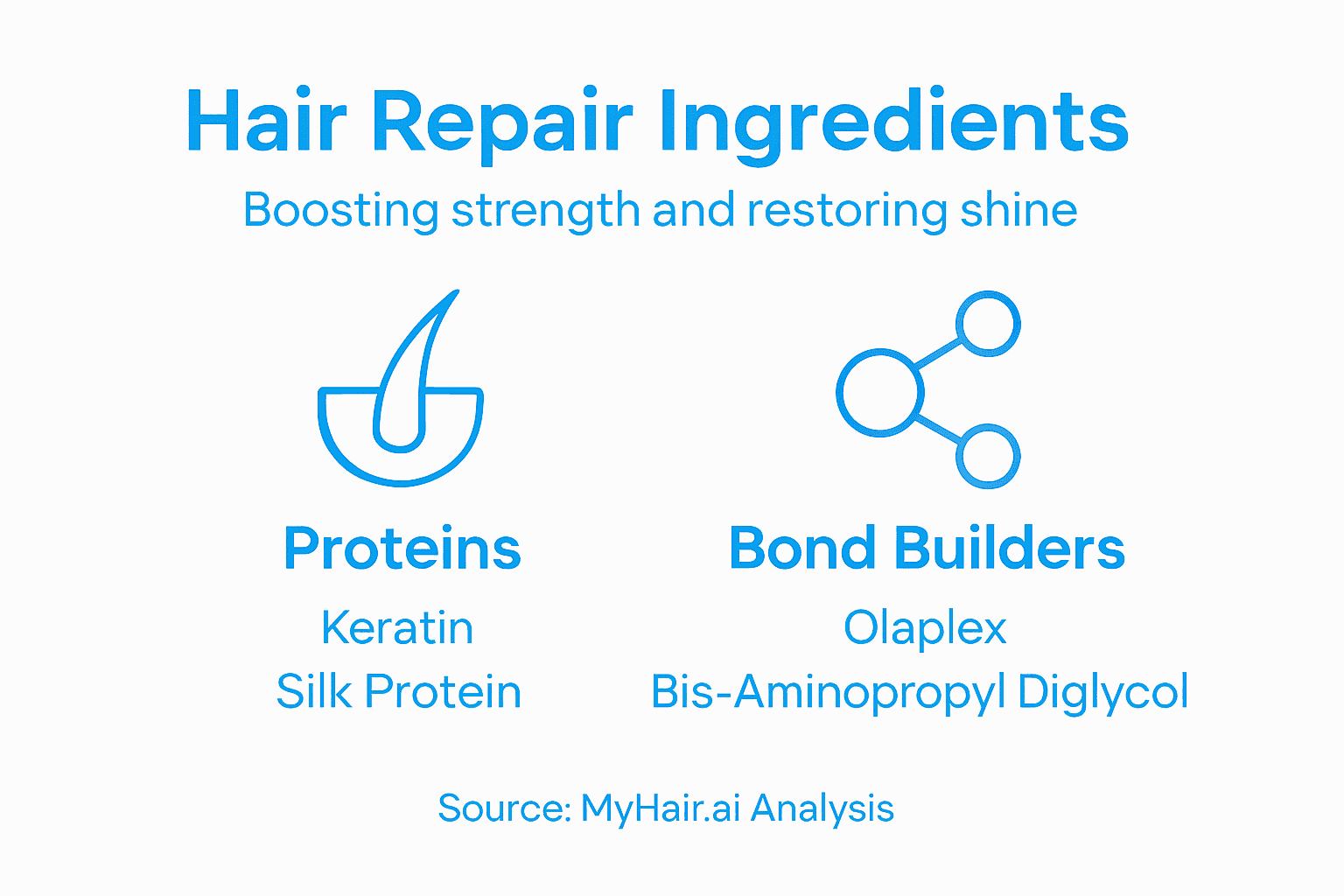
Here's a quick comparison of popular active ingredients and their primary hair repair functions:
| Active Ingredient | Main Benefit | Typical Product Type |
|---|---|---|
| Keratin Particles | Rebuilds hair structure | Protein reconstructors |
| Fusion Proteins | Boosts elasticity | Leave-in treatments |
| Plant Extracts | Provides natural nutrients | Conditioners, serums |
| Amino Acid Complexes | Repairs protein bonds | Shampoos, masks |
| Botanical Oils | Seals and moisturizes | Oils, finishing serums |
| Caffeine | Stimulates scalp circulation | Scalp serums, shampoos |
| Panthenol | Retains moisture | Moisturizers, conditioners |
Choosing Products for Heat and Chemical Damage
Selecting appropriate hair repair products for heat and chemical damage requires a strategic approach that addresses multiple layers of structural breakdown. Chemical and heat damage degradation fundamentally compromises hair's internal protein structure, necessitating targeted interventions that go beyond surface-level treatments.
Key considerations when choosing repair products for damaged hair include:
- Protein Reconstruction: Products containing keratin and amino acid complexes
- Bond Repair Technologies: Formulations targeting disulfide bond restoration
- Moisture Barrier Protection: Ingredients that seal and protect hair cuticles
- Heat Damage Prevention: Thermal protective compounds
- Chemical Damage Neutralization: Specialized agents that counteract structural breakdown
Critical active ingredients to seek in repair products:
- Keratin-based cross-linking agents
- Thiol-reactive compounds
- Hydrolyzed protein complexes
- Ceramide-rich formulations
- Natural oil-based protective sealants
Molecular repair technologies represent the most advanced approach to addressing heat and chemical damage. These innovative solutions work at a microscopic level, reconstructing broken protein bonds and creating a protective shield against future environmental stressors.
Effective hair repair requires a comprehensive strategy that addresses both immediate damage and long-term structural protection.
Pro tip: Conduct a patch test with new repair products and rotate between different formulations to prevent ingredient resistance and maximize hair restoration potential.
Avoiding Everyday Mistakes with Damaged Hair
People with damaged hair often unknowingly perpetuate further harm through common daily practices that compromise hair health. Common hair care mistakes can significantly accelerate structural breakdown and prevent successful hair restoration.
Critical mistakes to avoid with damaged hair include:
- Rubbing shampoo along hair length instead of focusing on the scalp
- Skipping conditioner after washing
- Aggressively towel-drying hair
- Brushing wet hair with standard brushes
- Using high-heat styling tools without protection
- Wearing consistently tight hairstyles
- Overwashing or underwashing hair
Specific techniques to prevent additional damage:
- Use lukewarm water for washing
- Apply conditioner from mid-length to ends
- Invest in a microfiber towel for gentle drying
- Use wide-tooth combs for detangling
- Apply heat protectant before styling
- Alternate hairstyles to reduce scalp tension
Scalp health plays a crucial role in preventing further hair damage. Understanding your specific hair type and its unique needs allows for more targeted and gentle care strategies that minimize structural stress.
Gentle, informed hair care practices are more effective than aggressive treatments in restoring damaged hair.
Pro tip: Consult a professional trichologist to develop a personalized hair care routine tailored to your specific damage type and hair structure.
Comparing Salon Treatments and At-Home Solutions
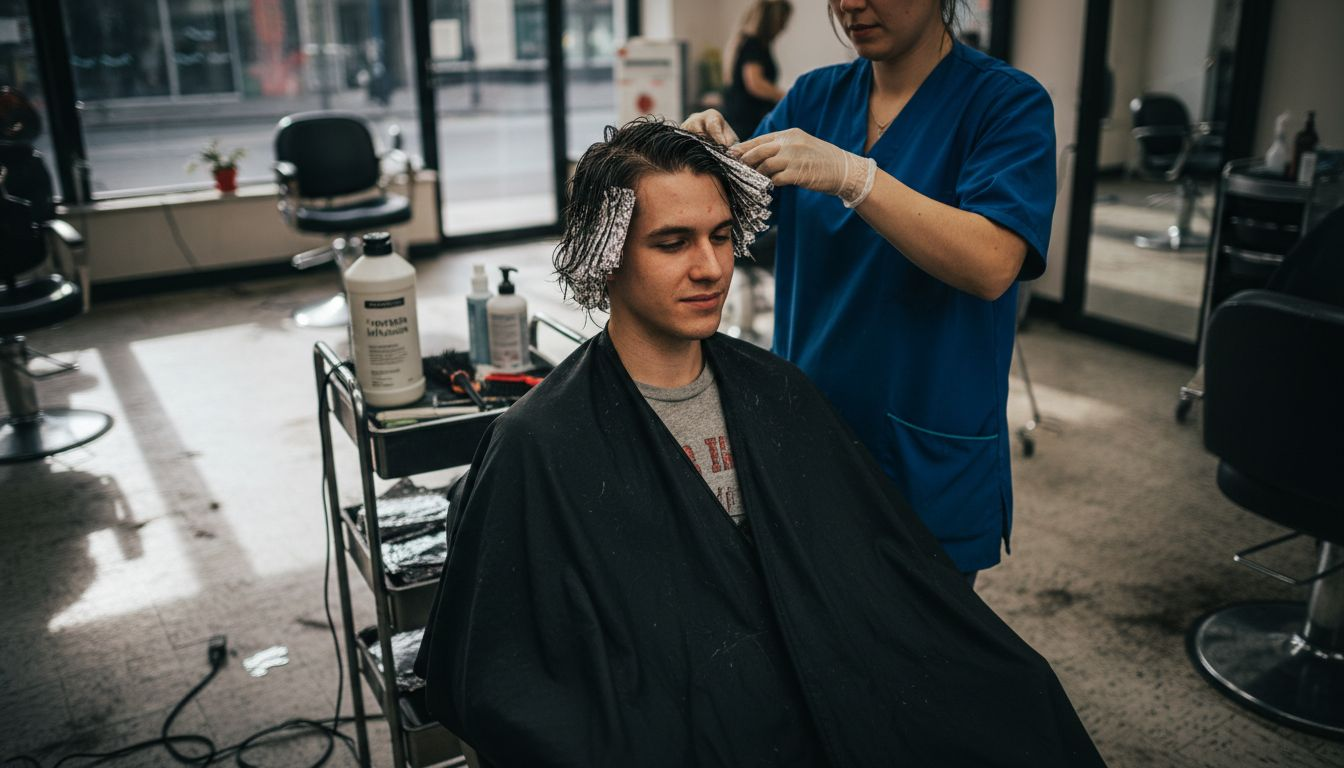
Repairing damaged hair requires a strategic approach that balances professional interventions with consistent home care. Salon treatments for damaged hair offer intensive restoration techniques that complement daily maintenance strategies.
Key differences between salon and at-home treatments include:
- Concentration of Active Ingredients:
- Salon: Higher potency formulations
- At-home: Standard strength products
- Treatment Depth:
- Salon: Molecular-level reconstruction
- At-home: Surface-level repair
- Professional Expertise:
- Salon: Customized treatment plans
- At-home: Generic solutions
Popular salon treatments for comprehensive hair restoration:
- Keratin treatments
- Collagen therapy
- Deep conditioning
- Hot oil treatments
- Bond fusion treatments
Professional interventions provide targeted solutions that address specific damage types, utilizing advanced techniques and high-concentration ingredients unavailable in standard home care products. These treatments improve moisture retention, strengthen hair fibers, and significantly reduce structural damage.
This table summarizes the unique advantages and limitations of salon versus at-home hair repair treatments:
| Aspect | Salon Treatments | At-Home Solutions |
|---|---|---|
| Ingredient Potency | Highly concentrated formulas | Standard concentrations |
| Customization | Tailored by professionals | One-size-fits-all |
| Duration of Results | Lasts several weeks | Variable, depends on usage |
| Cost | Higher, per session | Lower, ongoing purchase |
Effective hair restoration requires a balanced approach combining professional treatments with consistent at-home maintenance.
Pro tip: Schedule professional treatments every 4-6 weeks and supplement with carefully selected at-home repair products to maximize hair restoration potential.
Discover Personalized Solutions for Damaged Hair Repair
Struggling with damaged hair caused by heat, chemicals, or everyday stress? You are not alone. The article highlights the challenge of restoring strength and shine by targeting issues like protein breakdown, cuticle sealing, and moisture loss through advanced repair products. If you want to go beyond generic treatments, personalized insights that analyze your unique hair condition are essential for effective restoration. Understanding your hair’s specific structural needs can transform your repair routine and accelerate recovery.
Take control of your hair health today by visiting MyHair.ai. This platform uses AI-powered analysis to deliver customized recommendations based on your hair scan. Whether you need advice on the right bond builder products or the most effective protective treatments, the AI creates a roadmap tailored to your hair’s damage profile. Embrace a smarter approach to hair repair and unlock the path to stronger, shinier hair. Visit discover personalized hair insights now and start your journey towards lasting hair vitality.
Frequently Asked Questions
What are the main causes of damaged hair?
Hair damage can result from mechanical stress from styling, thermal exposure from heat tools, chemical treatments like bleaching and coloring, environmental factors such as UV radiation and pollution, and nutritional deficiencies affecting hair structure.
How do hair repair products work?
Hair repair products work by rebuilding protein structures, sealing lifted cuticle layers, reducing porosity, restoring moisture balance, and protecting against future environmental damage, often utilizing advanced bond builder technologies.
What types of products should I use for heat-damaged hair?
For heat-damaged hair, look for products that contain protein reconstruction ingredients like keratin, bond repair technologies that focus on disulfide bond restoration, moisture barrier protection, and heat-damage prevention compounds.
How can I effectively strengthen my hair at home?
To strengthen hair at home, use formulations with keratin particles, fusion proteins, amino acid complexes, and botanical oils. Rotate between different ingredients to maximize the restorative potential and prevent ingredient adaptation.