
Noticing patchy or slow facial hair growth can feel frustrating, especially when every shave reveals the same stubborn spots. For men seeking thicker, fuller beards, the search for a real solution often leads to facial hair growth supplements made with nutrients like biotin, collagen, and zinc. With more men turning to nutrition and new AI-driven hair care methods, understanding what these supplements actually do gives you the insight needed to target your unique beard goals with confidence.
Table of Contents
- What are facial hair growth supplements?
- Types of Supplements and Key Ingredients
- How These Supplements Claim to Work
- Effectiveness and Scientific Evidence Reviewed
- Potential Risks, Side Effects, and Safety
- Alternatives to Supplements for Beard Growth
Key Takeaways
| Point | Details |
|---|---|
| Facial Hair Growth Supplements | These products combine essential vitamins, minerals, and natural compounds aimed at enhancing facial hair growth in men with slow or patchy beards. |
| Key Ingredients | Ingredients like Biotin, Zinc, Vitamin D, and Collagen Peptides are essential for promoting hair follicle health and potentially improving beard density. |
| Consult Healthcare Professionals | It's important to consult a healthcare provider before starting supplements to ensure safety and address individual health needs. |
| Consider Alternatives | Lifestyle modifications such as a balanced diet, stress management, and proper skincare can also support healthy beard growth beyond supplements. |
What Are Facial Hair Growth Supplements?
Facial hair growth supplements are specialized nutritional products designed to support and enhance facial hair development in men experiencing slow or patchy beard growth. These supplements typically combine vitamins, minerals, and natural compounds targeting hair follicle health and testosterone metabolism.
Most facial hair growth supplements contain key ingredients that play crucial roles in supporting hair growth mechanisms. Specific nutritional components are strategically selected to potentially improve beard thickness, density, and overall hair quality. Collagen supplements represent a notable category within this supplement landscape, providing structural proteins essential for hair formation.
Common ingredients found in facial hair growth supplements include:
- Biotin: A B-vitamin critical for keratin production
- Zinc: Supports testosterone metabolism and hair follicle health
- Vitamin D: Potentially enhances hair growth signaling
- Saw Palmetto: May help block DHT conversion
- Collagen Peptides: Provide structural proteins for hair development
These supplements aim to address underlying nutritional deficiencies that might impede facial hair growth. While individual results vary, some men report improved beard growth and texture after consistent supplementation. Scientific research continues to explore the precise mechanisms by which these nutritional compounds interact with hair follicle biology.
Pro Tip: Consult a healthcare professional before starting any new supplement regimen to ensure safety and understand potential interactions with your individual health profile.
Types of Supplements and Key Ingredients
Facial hair growth supplements come in diverse formulations, offering men multiple options to potentially enhance their beard development. Vitamin and mineral combinations represent the foundation of most supplement strategies, targeting nutritional pathways that support healthy hair follicle function.
The primary categories of facial hair growth supplements include:
- Vitamin Complexes: Comprehensive blends targeting overall nutritional support
- Botanical Extracts: Natural compounds derived from herbs and plants
- Protein Supplements: Focusing on amino acid and protein metabolism
- Hormone Support Formulas: Designed to optimize testosterone-related hair growth
- Mineral-Based Supplements: Concentrated mineral blends supporting follicle health
Key Ingredients play critical roles in supporting facial hair growth. Essential nutrients like biotin, zinc, and vitamin D work synergistically to enhance hair follicle strength and stimulate growth potential. Some supplements also incorporate specialized compounds such as saw palmetto and ashwagandha, which may help modulate hormonal processes directly linked to facial hair development.

Most supplement formulations are available in multiple formats, including capsules, gummies, powders, and liquid extracts. This variety allows men to choose delivery methods that best suit their personal preferences and absorption capabilities. While individual results can vary significantly, consistent supplementation combined with a balanced diet may contribute to improved facial hair growth and overall hair health.
Here's a side-by-side look at supplement types and their main focus:
| Supplement Type | Primary Benefit Focus | Common Format |
|---|---|---|
| Vitamin Complexes | General nutritional support | Capsules, gummies |
| Botanical Extracts | Hormonal modulation | Powders, liquids |
| Protein Supplements | Hair structure and strength | Powders |
| Mineral-Based Formulas | Follicle cell function | Tablets |
| Hormone Support Blends | Testosterone optimization | Capsules |
Pro Tip: Consult with a healthcare professional to determine the most appropriate supplement strategy tailored to your specific nutritional needs and health profile.
How These Supplements Claim to Work
Facial hair growth supplements operate on complex biological mechanisms designed to potentially enhance beard development through targeted nutritional support. Collagen supplements claim to provide critical amino acids and peptides that support structural protein production essential for hair follicle health.
The primary mechanisms through which these supplements aim to stimulate facial hair growth include:
- Nutrient Optimization: Addressing potential micronutrient deficiencies
- Hormonal Support: Helping balance testosterone-related hair growth processes
- Follicle Stimulation: Providing nutrients that may enhance hair follicle function
- Inflammation Reduction: Minimizing cellular inflammation that could impede hair growth
- Protein Synthesis: Supporting keratin and collagen production
Key Biological Pathways targeted by these supplements involve complex interactions between nutritional compounds and hair follicle metabolism. Specialized ingredients like biotin, zinc, and vitamin D work to potentially improve hair shaft strength, reduce breakage, and create an optimal environment for facial hair development. Some supplements incorporate herbal extracts and minerals designed to modulate hormonal processes directly connected to facial hair growth potential.
Most supplement formulations theoretically aim to address underlying physiological barriers that might prevent optimal facial hair growth. While scientific evidence remains mixed, manufacturers suggest that consistent supplementation could help men overcome genetic, nutritional, and environmental limitations affecting beard development.
Pro Tip: Track your supplement intake and facial hair changes systematically to determine individual effectiveness and potential response patterns.
Effectiveness and Scientific Evidence Reviewed
The scientific community maintains a cautious perspective on facial hair growth supplements, with research highlighting significant limitations in their proven effectiveness. Supplement studies reveal substantial gaps in comprehensive, rigorous scientific evidence supporting broad claims of facial hair enhancement.
Key considerations in evaluating supplement effectiveness include:
- Research Quality: Most studies are small-scale or manufacturer-sponsored
- Limited Clinical Proof: Minimal evidence of significant hair growth beyond nutritional deficiency correction
- Individual Variability: Genetic and physiological differences impact supplement response
- Nutritional Baseline: Effectiveness depends on existing nutritional status
- Methodological Constraints: Lack of long-term, independent research
Nutritional Deficiency Correlation emerges as the most scientifically supported aspect of supplement effectiveness. While supplements may help individuals with specific nutrient deficiencies, they do not guarantee universal facial hair growth improvements. Specialized vitamins like biotin, vitamin D, and minerals such as zinc show potential in supporting hair health, but direct causation remains challenging to establish definitively.
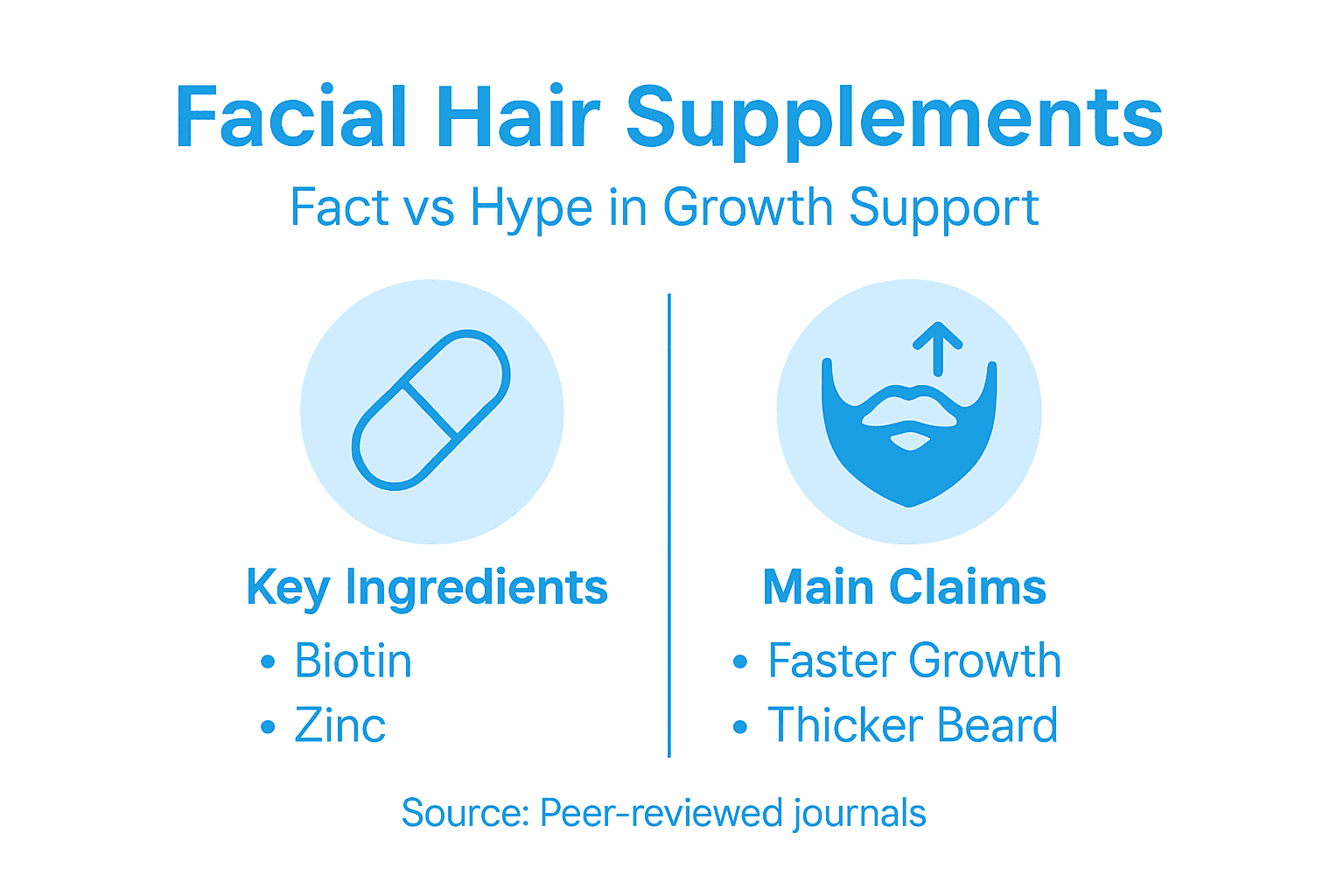
Most scientific experts recommend approaching facial hair growth supplements with realistic expectations. The current body of research suggests that these products might offer marginal benefits for some individuals, particularly those with underlying nutritional gaps, but should not be viewed as a guaranteed solution for facial hair enhancement.
Pro Tip: Consult with a healthcare professional to determine whether your specific nutritional profile might benefit from targeted supplementation.
Potential Risks, Side Effects, and Safety
Facial hair growth supplements are not without potential health considerations that men should carefully evaluate before use. Unregulated products pose significant risks, including unexpected side effects and potential interactions with existing health conditions.
Potential risks and side effects associated with facial hair growth supplements include:
- Hormonal Disruption: Possible testosterone level alterations
- Laboratory Test Interference: Potential diagnostic complications
- Allergic Reactions: Unexpected immune system responses
- Digestive Issues: Stomach upset or gastrointestinal disturbances
- Skin Irritation: Potential topical sensitivity
Specific Safety Concerns demand careful consideration. High-dose biotin supplements can potentially interfere with critical laboratory tests, including thyroid and cardiovascular diagnostics. This interference might lead to misdiagnosis or incorrect medical interpretations, highlighting the importance of transparent communication with healthcare providers about supplement usage.
Individual health profiles play a crucial role in supplement safety. Factors such as pre-existing medical conditions, current medications, and personal health history can significantly impact how a person responds to facial hair growth supplements. Men with underlying health issues, those taking prescription medications, or individuals with known allergies should exercise extra caution and seek professional medical advice before starting any new supplement regimen.
Pro Tip: Always disclose all supplement usage to your healthcare provider and request periodic monitoring of potential physiological changes.
Alternatives to Supplements for Beard Growth
Men seeking enhanced facial hair growth have multiple natural and medical strategies beyond traditional supplements. Lifestyle modifications offer promising alternatives for improving beard development through holistic approaches targeting overall health and hair follicle stimulation.
Natural alternatives for promoting beard growth include:
- Dietary Optimization: Increasing protein and vitamin intake
- Stress Management: Reducing cortisol through meditation and exercise
- Sleep Improvement: Ensuring consistent, quality rest
- Circulation Enhancement: Promoting blood flow through targeted exercises
- Skincare Routine: Maintaining facial skin health
Targeted Grooming Techniques can significantly impact facial hair development. Regular facial massage stimulates blood circulation, potentially encouraging hair follicle activity. Keeping facial skin clean, moisturized, and exfoliated creates an optimal environment for potential beard growth. Some men may also explore medical interventions like topical minoxidil or hormone therapy under professional medical supervision.
Physiological factors play a crucial role in beard growth potential. Genetics, age, testosterone levels, and overall health significantly influence facial hair development. While supplements and alternatives can provide support, understanding individual biological limitations remains essential for setting realistic expectations about beard growth potential.
This table compares supplement use, lifestyle changes, and medical treatments for beard growth:
| Approach | Cost Level | Typical Impact Time | Medical Oversight Needed |
|---|---|---|---|
| Supplements | Moderate | 1-3 months | Recommended |
| Lifestyle Optimization | Low | 2-6 months | Sometimes |
| Medical Therapies | High | Varies (weeks-months) | Required |
Pro Tip: Maintain a consistent health routine and consult with healthcare professionals to develop a personalized beard growth strategy.
Unlock Your Facial Hair Growth Potential with Personalized Insights
Struggling with slow or patchy beard growth can be frustrating, especially when navigating the confusing world of facial hair growth supplements and their mixed results. This article highlights key challenges such as nutrient deficiencies, hormonal balance, and the uncertainty of supplement effectiveness. Understanding your unique hair growth profile is the first step toward real progress. That is where MyHair.ai comes in.
Discover how advanced AI technology can analyze your individual hair health and offer customized guidance tailored to your specific needs. Whether you want to optimize your nutrition, track your progress, or find the most effective products for beard enhancement, our platform provides trustworthy, science-driven insights. Don’t let guesswork hold you back from achieving the beard you want. Visit MyHair.ai today and start your journey with a detailed, personalized assessment that can empower you to make smart decisions about facial hair growth supplements and beyond.
Frequently Asked Questions
What are facial hair growth supplements?
Facial hair growth supplements are nutritional products aimed at supporting and enhancing facial hair development in men, particularly those experiencing slow or patchy beard growth.
What ingredients are commonly found in facial hair growth supplements?
Common ingredients include biotin, zinc, vitamin D, saw palmetto, and collagen peptides, all of which promote hair follicle health and support beard growth.
How do facial hair growth supplements work?
These supplements aim to optimize nutrient intake, support hormonal balance, enhance follicle stimulation, reduce inflammation, and aid in protein synthesis, potentially improving facial hair growth.
Are there any risks or side effects associated with facial hair growth supplements?
Yes, potential risks include hormonal disruption, digestive issues, allergic reactions, and laboratory test interference. It's important to consult a healthcare professional before starting any new supplement regimen.
Recommended
- Hair Supplements for Men: Science-Based Solutions | MyHair
- Nutrafol Reddit Reviews: Real Hair Growth Stories 2025 | MyHair
- Top Supplements to Make Hair Grow Faster and Stronger in 2025 | MyHair
- Best Hair Growth Supplements List – Expert Comparison 2025 | MyHair
- Why Combine Fillers and Botox for Facial Rejuvenation