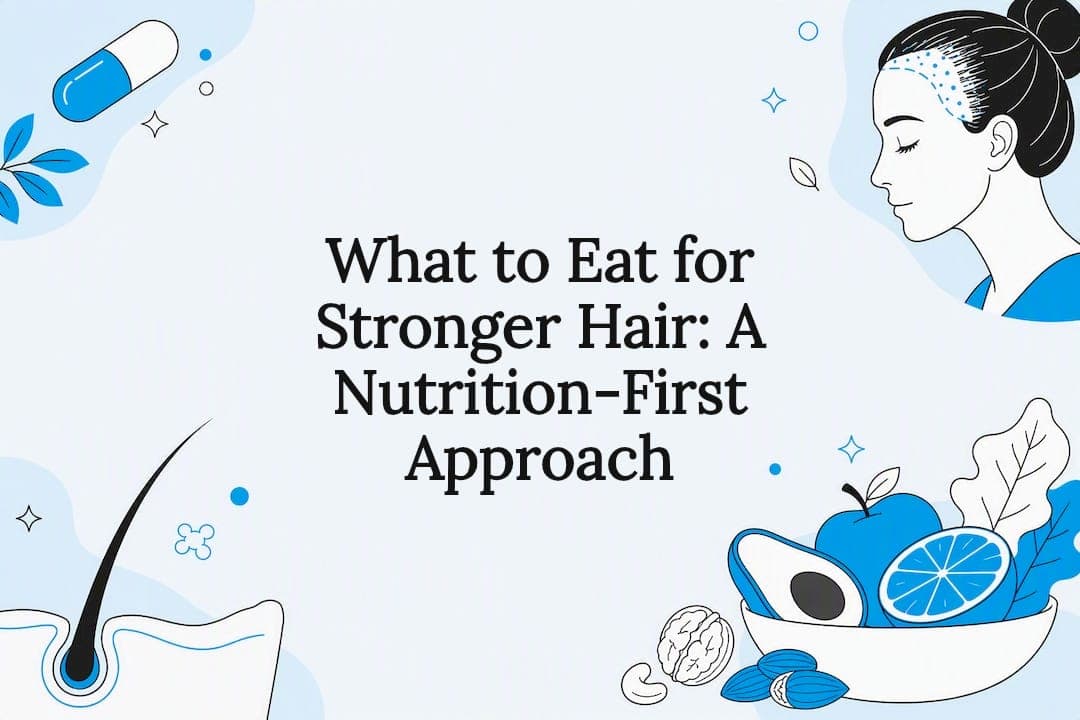
Prioritize lean proteins, fatty fish, eggs, legumes, leafy greens, nuts and seeds, and vitamin C rich fruits and vegetables. These foods that nourish hair supply the protein, iron, omega-3s, and vitamins your follicles need to build keratin, control scalp inflammation, and keep strands from turning brittle. Each group does a specific job: protein builds the keratin strands themselves, omega-3 fatty acids calm scalp inflammation, and vitamin C builds collagen while helping your body absorb iron from plants.
Two easy additions this week: a can of wild salmon (fast omega-3s with zero prep) and a bag of fresh spinach (iron plus vitamin A precursors in one place).
- Lean protein and eggs — raw material for keratin
- Fatty fish — omega-3s that calm scalp inflammation
- Legumes and beans — plant protein, iron, and zinc together
- Leafy greens — iron and vitamin A precursors
- Nuts and seeds — vitamin E, B vitamins, and healthy fats
- Vitamin C rich fruits — collagen support and better iron absorption
- Orange vegetables — vitamin A for scalp sebum production
Key Takeaways
Foods that nourish hair work by supplying the protein, iron, zinc, and vitamins that keratin production and scalp health depend on, with results showing up over months, not days.
| Point | Details |
|---|---|
| Protein comes first | Eggs, poultry, and white beans supply the keratin building blocks hair cannot grow without. |
| Pair iron with vitamin C | Non-heme iron from beans or spinach absorbs better alongside citrus or bell peppers. |
| Omega-3s calm the scalp | Salmon, sardines, and walnuts reduce inflammation that can interfere with follicle health. |
| Give it three to six months | Hair growth cycles are slow, so judge dietary changes over months, not weeks. |
| Track progress with a scan | Myhair measures density and trend data over time to confirm whether diet changes are working. |
Table of Contents
- Key Nutrients That Support Hair Growth From the Inside Out
- Best Foods for Hair Health, Organized by Nutrient
- How to Actually Build These Foods Into Your Meals
- When Diet Isn't Enough: Testing and Realistic Timelines
- Where a Hair Scan Fits Into a Nutrition Plan
- Sources
- FAQ
Key Nutrients That Support Hair Growth From the Inside Out
Hair is mostly keratin, a protein your follicles cannot manufacture out of thin air. When protein intake drops low enough for long enough, the body triages: it keeps organs running and quietly pushes hair follicles into a resting phase, which shows up months later as diffuse shedding. That delay is why people often blame the wrong week for hair loss that actually started with a diet change three or four months earlier.
Iron works differently but the effect looks similar. Low iron and low ferritin (the protein that stores iron) reduce how much oxygen reaches the hair bulb, and follicles are among the first tissues to feel the squeeze during a deficiency. Vitamin C matters here too: it converts plant based non-heme iron into a form your gut absorbs more efficiently, which is why pairing the two isn't just a nutrition footnote, it's practical strategy.
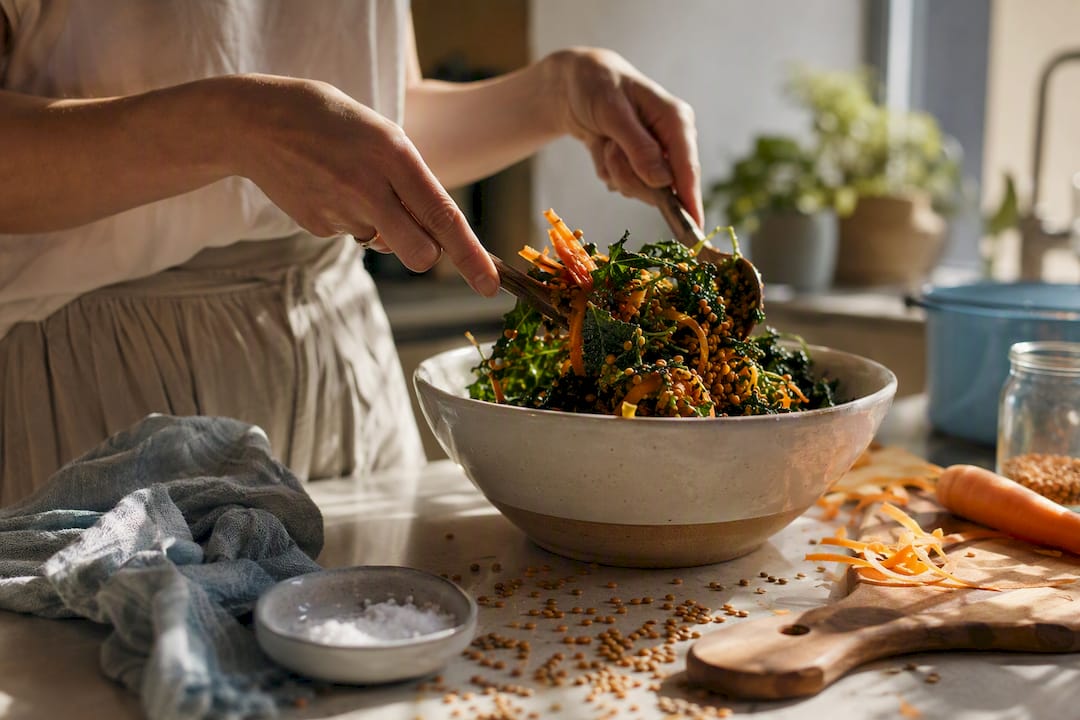
Zinc and selenium round out the repair crew, supporting tissue turnover and controlling oxidative stress at the follicle level. Vitamin D deficiency has been linked to hair thinning and reduced follicle stimulation in some clinical reviews, which is one reason clinicians often check vitamin D levels in unexplained hair loss cases. Vitamin A, vitamin E, and the B vitamin family (including biotin) each play supporting roles, but supplementing above what your diet already provides rarely helps unless a real deficiency exists.
A quick reference on what does what:
- Protein: raw material for keratin strands
- Iron: oxygen delivery to the follicle
- Zinc and selenium: tissue repair, oxidative stress control
- Vitamin C: collagen synthesis, boosts iron absorption
- Vitamin A: sebum production, scalp moisture
- Omega-3 fatty acids: reduces scalp inflammation
Pro Tip: Don't chase a single "hair vitamin." A body running low on calories overall, even a well-intentioned low-carb or low-fat plan, will deprioritize hair before it deprioritizes anything else. Adequate total calories matter as much as any individual nutrient.
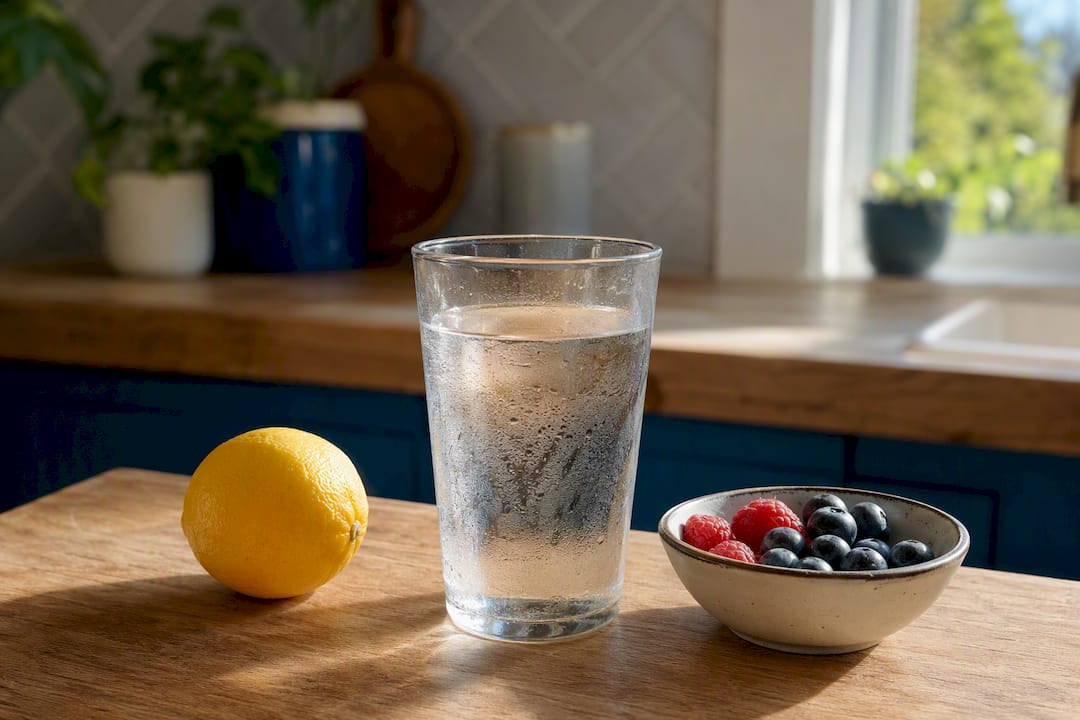
Hydration deserves a mention too. Chronic under-hydration doesn't directly cause shedding, but it does affect scalp condition and how efficiently nutrients move through your system, so drinking enough water supports everything else on this list rather than replacing it.
Best Foods for Hair Health, Organized by Nutrient
Clinical nutrition guidance consistently points to the same rotating cast: fatty fish, eggs, whole grains, leafy greens, nuts, and berries show up on nearly every physician-reviewed list, and for good reason. Here's how to shop for them by the nutrient you're actually targeting.
For protein:
- Eggs — complete protein plus biotin and B12 in one food
- Skinless poultry — lean protein without excess saturated fat
- White beans — a genuine standout: one cup of cooked white beans delivers about 17.4 grams of protein, 6.62 milligrams of iron, and 2.47 milligrams of zinc, covering three hair-relevant nutrients in a single serving
For omega-3s:
- Salmon and sardines — the most concentrated whole-food sources
- Walnuts and chia seeds — plant-based omega-3 options for those skipping fish
For iron:
- White beans and lentils — non-heme iron, best absorbed alongside vitamin C
- Spinach — iron plus a dose of vitamin A precursors
- Oysters — heme iron, which the body absorbs far more efficiently than the plant-based form
For vitamin A and carotenoids:
- Sweet potatoes — a medium one supplies well beyond a full day's vitamin A, which fuels sebum production to keep scalp and strands from drying out
- Carrots and red bell peppers — beta-carotene the body converts to vitamin A as needed
For vitamin C (pair these with your iron sources):
- Bell peppers, strawberries, citrus fruit — vitamin C builds collagen and multiplies iron absorption from the plant foods on the same plate
For zinc and selenium:
- Oysters, pumpkin seeds, lean beef — the trio most often cited for tissue repair
- Greek yogurt — protein and B vitamins in a snack-sized package
Pro Tip: Nuts and seeds are one of the few foods that check multiple boxes at once: vitamin E, B vitamins, magnesium, and healthy fats. A small daily handful is easier to sustain than trying to remember six separate supplements.
How to Actually Build These Foods Into Your Meals
- Breakfast: scrambled eggs with spinach and a side of orange slices (protein plus iron plus the vitamin C to absorb it)
- Dinner: grilled salmon, a baked sweet potato, and a mixed greens salad with bell pepper
- Snack one: Greek yogurt with a handful of walnuts
- Snack two: hummus (white beans) with red pepper strips
Aim for a protein source at every meal, fatty fish once or twice a week, and a small serving of nuts or seeds regularly. Vegetarians can swap fish for walnuts and chia, and lean on lentils, fortified cereals, and pumpkin seeds to close the iron and zinc gap that meat typically fills.
When Diet Isn't Enough: Testing and Realistic Timelines
Diet changes take time to show up in the mirror. Hair grows in cycles, so sustained changes over several months are usually needed before noticing a visible difference, since the follicle has to complete its resting phase before new growth appears.
If shedding is sudden, patchy, or paired with fatigue, skin changes, or irregular periods, that's a signal to see a clinician rather than wait out a dietary experiment. It may be helpful to get blood tests for iron, vitamin D, B12, and thyroid function.
Be skeptical of high-dose biotin marketed for hair growth. Biotin deficiency does cause hair loss, but extra biotin on top of an already-sufficient diet has weak evidence for boosting growth in people who aren't deficient.
Where a Hair Scan Fits Into a Nutrition Plan
Diet changes are slow to judge with the naked eye, which is exactly where a tool like Myhair earns its place. Its scan-based tracking measures density and follicle trends over time, giving you a way to see whether your new grocery list is actually correlating with measurable change, or whether something else, hormonal, genetic, or medical, deserves a closer look. That distinction matters more than another supplement aisle detour.
A realistic take on food, genetics, and patience
Consistent eating habits beat any single "hair superfood." Genetics and aging set limits diet can't override, so treat food as one lever, not the whole machine. Track changes, and talk to a clinician if shedding persists.
— Cyriac
Track Your Progress While You Change What's on Your Plate
Myhair gives you a way to see whether your dietary changes are working before three or six months pass in guesswork.
A scan measures your current hair metrics and tracks them over time, so instead of wondering whether spinach and salmon are doing anything, you get a trend line. If the data shows no movement despite consistent eating habits, that's useful information too, it points you toward a clinician conversation sooner rather than later. Combine that tracking with the personalized product recommendations the app generates from your scan results, and you get a feedback loop that a grocery list alone can't provide. Ready to see where you stand? Start a scan through the app onboarding and get your baseline hair score today.
Sources
Evidence in this article draws on the Cleveland Clinic, Mayo Clinic Health System, Prevention, and URMC.
This article is general information, not a substitute for advice from a qualified doctor. Consult a qualified healthcare professional about your own circumstances before acting on anything here.
- URMC / encyclopedia entry (nutrient data cited)
- Cleveland Clinic — Foods To Help Hair Growth
- Prevention — Top foods for hair growth
FAQ
What Are the Big 3 Nutrients for Thinning Hair?
Most clinicians point to protein, iron, and zinc as the top three, since deficiencies in any one can trigger diffuse shedding within a few months.
What Should I Drink for Thicker Hair?
Plain water supports scalp hydration and nutrient transport better than any specialty drink, though vegetable juices high in vitamin C can help you absorb iron from the same meal.
What Foods Can Help Stop Hair Thinning?
Fatty fish, eggs, legumes, leafy greens, and vitamin C rich produce address the most common nutritional gaps tied to shedding, particularly when low iron or protein intake is the underlying cause.
What Vitamin Deficiency Causes Hair Loss?
Low vitamin D, iron/ferritin, and biotin levels are the most frequently cited deficiencies linked to hair loss, though vitamin D specifically has been tied to reduced follicle stimulation in clinical reviews. A blood test is the only reliable way to know which one applies to you.