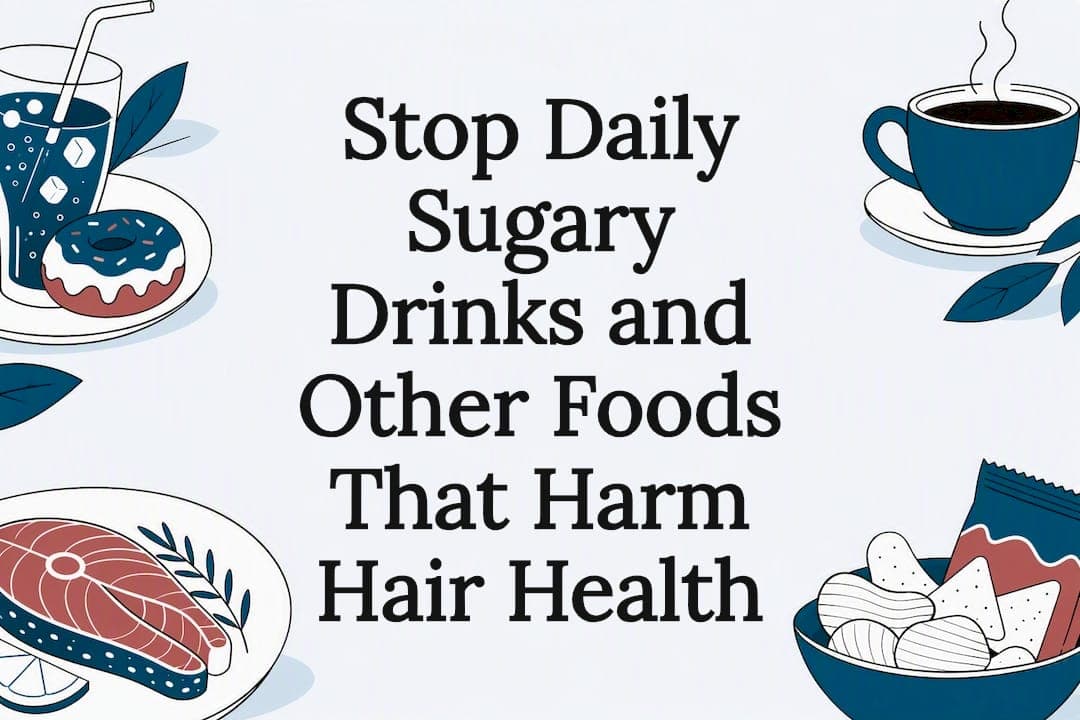
Sugary and high-glycemic foods, deep-fried and processed snacks, high-mercury fish, excess alcohol, crash diets, and megadosed supplements are the biggest dietary threats to hair health. They work by spiking insulin and androgens, feeding inflammation, or draining nutrients your follicles need. None of this means banning entire food groups. Occasional indulgence rarely matters; it's the habitual excess and long-term nutrient imbalance that actually shows up on your scalp.
TL;DR:
- High consumption of sugary drinks and refined carbs can trigger insulin spikes that may promote androgen-related hair shedding over time.
- Regular intake of high-mercury fish like swordfish and shark is linked to increased hair loss, with FDA recommending 2 to 3 servings of low-mercury fish weekly.
- Excessive alcohol intake hampers nutrient absorption and protein metabolism essential for hair growth, so moderation is crucial for scalp health.
- Very low-protein or crash diets can cause hair loss by pushing follicles into resting phases, especially if intake drops below 1,200 calories daily.
- Regular blood testing for iron, zinc, and vitamin D before supplementing helps avoid toxicity and ensures deficiencies are correctly addressed.
Table of Contents
- Sugary and High-Glycemic Foods to Avoid for Hair Health
- Deep-Fried, Greasy, and Highly Processed Foods
- High-Mercury Fish and Seafood Limits
- Excess Alcohol and Its Hidden Toll on Hair
- Very Low-Protein Diets and Crash Dieting
- Micronutrient Pitfalls: Iron, Zinc, Selenium, and Vitamin A
- Raw Egg Whites and Supplement Cautions
- Evidence Summary: What Research Actually Supports
- Excessive Dairy Consumption and Scalp Health
- Caffeine Overconsumption and Hair Follicles
- Salt and Sodium-Rich Foods: The Dehydration Connection
- MyHair.ai's Perspective: Test Before You Overhaul
- A Faster Way to Know What Actually Needs Fixing
- Sources
- FAQ
Sugary and High-Glycemic Foods to Avoid for Hair Health
Refined sugar and high-glycemic carbs like white bread, pastries, and soda spike insulin fast. In people prone to androgen-related shedding, that spike can trigger higher androgen output, which shrinks follicles over time. A 2023 review found sugary beverage consumption tracked with higher rates of hair loss across the populations studied.
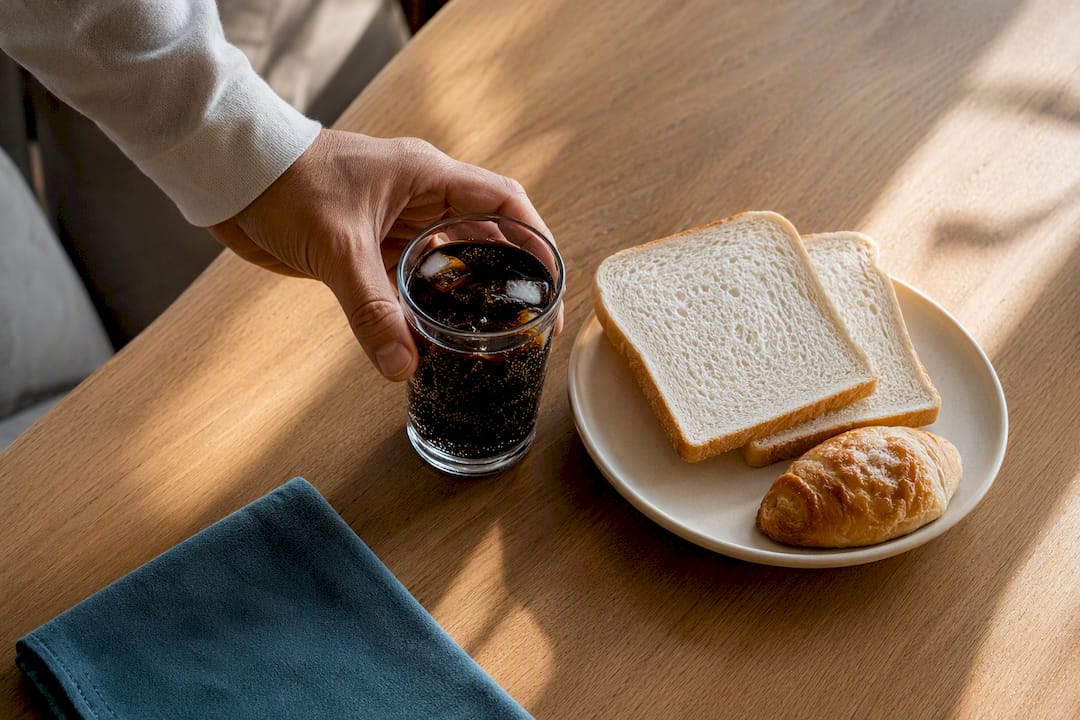
Statistic: The same review found an association between habitual sugary drink intake and higher hair-loss prevalence, not just isolated cases.
Swap in foods that don't spike blood sugar as hard:
- Whole grains instead of refined flour
- Whole fruit instead of fruit juice or soda
- Beans, lentils, and vegetables for fiber that slows sugar absorption
- Dessert as a weekly treat, not a daily habit
Deep-Fried, Greasy, and Highly Processed Foods
Fried food and heavily processed snacks are loaded with saturated and trans fats that promote low-grade, body-wide inflammation. That inflammation doesn't spare the scalp, and it can disrupt the follicle's growth cycle over months of steady exposure.
There's a second problem hiding in the same aisle: processed foods crowd out the iron, zinc, and protein your hair actually needs. A diet built around fast food and packaged snacks often looks full but runs nutritionally empty.
Simple fixes that don't require a full diet overhaul:
- Bake, steam, or grill instead of deep-frying
- Replace one processed snack a day with nuts, yogurt, or fruit
- Build meals around a protein source, a vegetable, and a whole grain
High-Mercury Fish and Seafood Limits
Swordfish, shark, king mackerel, and some tuna varieties carry enough mercury that heavy, repeated consumption has been linked to hair shedding. A 2019 case report documented two women whose hair loss reversed after they cut back on mercury-rich fish.
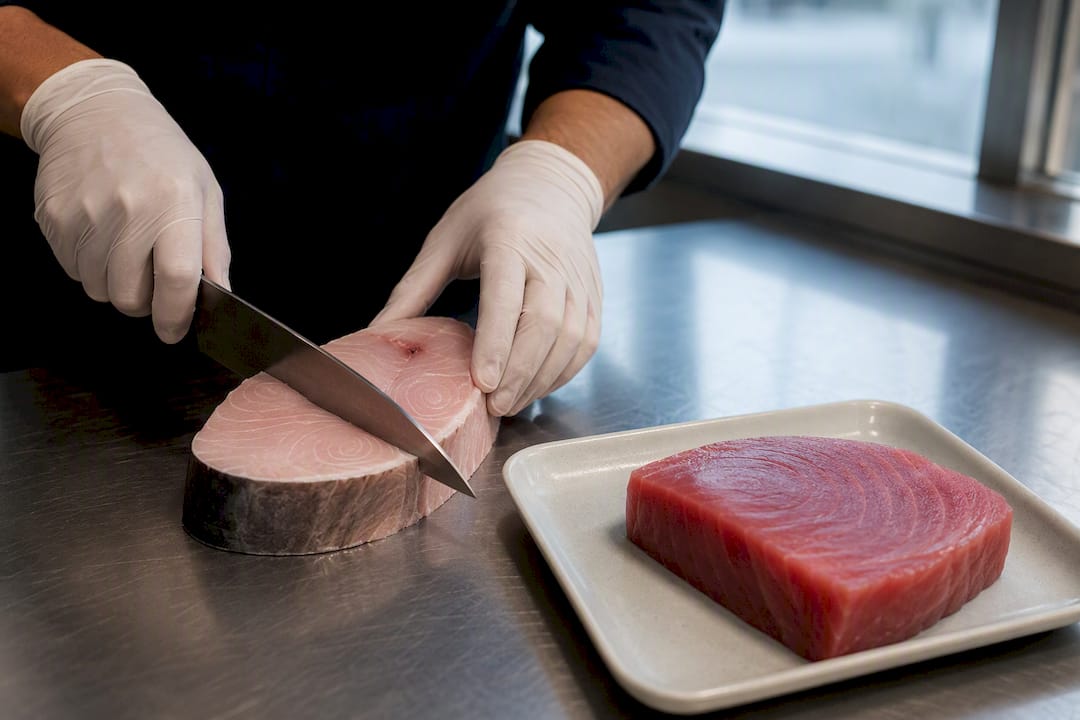
Statistic: The FDA recommends 2 to 3 servings a week of low-mercury fish for most adults, steering intake toward safer species without giving up seafood's nutritional benefits.
Safer swaps if you eat fish regularly:
- Salmon, cod, and sardines instead of swordfish or shark
- Canned light tuna instead of albacore or bigeye tuna
- Rotate seafood choices rather than eating one high-mercury species daily
Excess Alcohol and Its Hidden Toll on Hair
Heavy drinking doesn't attack hair directly, but it undermines nearly everything hair needs to grow well. Alcohol dehydrates the body, interferes with zinc and folate absorption, and disrupts protein metabolism, all of which matter for keratin production. Observational research has linked higher alcohol intake with worse hair outcomes in the people studied.
Heavy drinkers also tend to eat less consistently, compounding the nutrient gaps. Practical steps:
- Keep alcohol within moderate limits (generally up to one drink a day for women, two for men)
- Rehydrate deliberately on drinking days, not just when thirsty
- Talk to a clinician if shedding continues despite cutting back
Very Low-Protein Diets and Crash Dieting
Hair is almost entirely keratin, a protein. Cut protein or calories too aggressively and your body treats hair growth as expendable, pushing follicles into a resting phase early. This is called telogen effluvium, and it's a well-documented response to rapid weight loss or very low-calorie diets, typically showing up two to three months after the dietary shock.
Steps to protect hair while still losing weight:
- Include a protein source at every meal rather than concentrating it at dinner.
- Aim for gradual weight loss of about 1 to 2 pounds a week instead of extreme restriction.
- Ask a registered dietitian to review any diet cutting below 1,200 calories a day.
Micronutrient Pitfalls: Iron, Zinc, Selenium, and Vitamin A
Low iron and zinc are two of the most common, correctable causes of thinning hair, but the fix isn't guesswork. Get blood work done before supplementing. A systematic review of diet and hair loss found that correcting a confirmed deficiency helps, while supplementing without one offers little benefit and can backfire.
The overcorrection risk is real on the other end too. Eating several Brazil nuts a day for weeks can push selenium into toxic territory. NHS guidance caps selenium supplementation at 350 micrograms a day to avoid selenosis, which includes hair loss among its symptoms. High-dose vitamin A supplements carry a similar risk, triggering shedding at intakes well above the recommended daily amount.
- Get iron, zinc, and vitamin D checked before starting any supplement
- Skip daily high-dose Brazil nut habits or selenium supplements without medical guidance
- Avoid stacking multiple vitamin A sources, including retinol supplements and multivitamins
- Correct through food first: red meat, shellfish, and legumes for iron and zinc
Raw Egg Whites and Supplement Cautions
Raw egg whites contain avidin, a protein that binds biotin and blocks its absorption. This only becomes a real problem for people eating multiple raw egg whites daily over weeks or months. True biotin deficiency from this route is rare, according to the same nutrient deficiency review.
The bigger, more common issue is the opposite direction: megadosing biotin supplements. High doses can skew common lab tests, including thyroid panels and cardiac troponin, leading to misdiagnosis.
- Cook eggs instead of eating them raw
- Skip megadose biotin supplements unless a deficiency is confirmed
- Tell your doctor about any biotin supplement before bloodwork
Pro Tip: If you take biotin and your doctor orders labs, mention it up front, since even a routine thyroid test can come back skewed.
Evidence Summary: What Research Actually Supports
No single food switches off hair growth. Systematic reviews consistently point to long-term dietary patterns and nutrient status, not one bad meal, as what actually matters for hair health. The strongest evidence links sugary beverages and heavy alcohol use with higher rates of hair loss, while mercury and selenium risks are backed mostly by case reports and public-health thresholds rather than large trials.
| Factor | What the evidence shows | Practical threshold |
|---|---|---|
| Sugary drinks/high-GI foods | Linked to higher hair-loss prevalence in observational research | Limit sugary drinks to occasional, not daily |
| High-mercury fish | Case reports show shedding improved after reducing intake | FDA suggests 2 to 3 servings/week of low-mercury fish |
| Selenium supplements | Excess intake linked to hair loss (selenosis) | NHS caps supplement intake at 350 mcg/day |
| Iron/zinc deficiency | Confirmed deficiency causes thinning; correction helps | Blood test before supplementing |
| Alcohol | Associated with worse hair outcomes in cohort studies | Keep to moderate daily limits |
Excessive Dairy Consumption and Scalp Health
Dairy sits in a gray zone for hair health. It's a solid protein and calcium source, but some dermatology literature points to a possible connection between high dairy intake and androgen activity, since milk contains trace hormones and growth factors that could influence oil production on the scalp. That's a plausible mechanism, not a settled one, and the evidence is far thinner than what backs the sugar or alcohol links.
Where dairy gets genuinely relevant is for people already dealing with an oily, flaky, or irritated scalp. Heavy dairy intake can coincide with more sebum production in some individuals, and excess oil buildup can clog follicles and worsen conditions like seborrheic dermatitis, which in turn accelerates shedding in the affected areas. This isn't universal. Plenty of people drink milk daily with no scalp issues at all.
The practical move isn't cutting dairy entirely unless you have a documented sensitivity. Instead, watch for a pattern: if breakouts, scalp itchiness, or excess oiliness seem to track with heavy dairy days, scale back and see if things improve over four to six weeks. Full-fat dairy in moderate amounts, paired with a diet that isn't already leaning processed, is unlikely to be the deciding factor in hair health for most people. Treat it as one variable worth testing individually rather than a food to avoid outright.
Caffeine Overconsumption and Hair Follicles
Caffeine itself isn't the villain here, and in small topical doses it has even shown some ability to stimulate hair follicles in lab studies. The problem shows up at the extreme end of consumption, where caffeine's effect on the body starts working against hair rather than for it.
Very high caffeine intake, think five or more cups of coffee a day, raises cortisol levels and can disrupt sleep quality. Both chronic stress hormones and poor sleep are established disruptors of the hair growth cycle, pushing more follicles into the resting phase prematurely. Caffeine is also a mild diuretic, and heavy intake without matching water consumption can compound dehydration, which affects how well nutrients reach the scalp.

There's also an indirect nutrient angle. Heavy coffee and energy drink habits can interfere with iron absorption when consumed close to meals, since compounds in coffee bind to non-heme iron in the gut. For anyone already running low on iron, a habit of coffee with breakfast and lunch can quietly make that deficiency harder to correct.
None of this means quitting caffeine. Moderate intake, generally cited as up to about 400 milligrams a day (roughly four cups of coffee), hasn't shown the same disruptive pattern. The practical guidance is to notice extremes: if you're drinking coffee past noon and struggling to sleep, or downing energy drinks instead of meals, that combination is more likely to affect hair than the caffeine alone.
Salt and Sodium-Rich Foods: The Dehydration Connection
Hair follicles depend on steady blood flow carrying oxygen and nutrients to the scalp, and hydration status plays a direct role in that delivery system. Diets heavy in processed, salt-laden foods, think canned soups, deli meats, and packaged snacks, push sodium intake well past what the body needs, and the kidneys respond by pulling more water out of circulation to balance it.
Chronic mild dehydration from a high-sodium diet doesn't cause dramatic, sudden hair loss. It's a subtler drag: drier scalp skin, reduced elasticity, and a growth environment that isn't operating at its best. Pair that with a diet that's already low in water-rich foods like fruits and vegetables, and the effect compounds.
The fix is straightforward and doesn't require a sodium phobia. Most adults do fine keeping processed food intake moderate and drinking water consistently through the day rather than only when thirsty. Reading labels on canned and packaged foods helps more than people expect, since a single serving of some canned soups can carry over a third of a typical daily sodium target. Balancing salty meals with extra water and potassium-rich foods like bananas or spinach helps offset the fluid shifts.
MyHair.ai's Perspective: Test Before You Overhaul
Moderation beats elimination every time. The mistake people make is demonizing one food group, whether it's sugar, dairy, or fish, when the real driver is usually a pattern, not a single item. Before cutting anything drastically or reaching for supplements, get iron, zinc, and vitamin D checked. Then track changes over months, not weeks, since hair growth cycles move slowly. A tool like Myhair can help you spot real trends in shedding or density instead of reacting to a bad hair day.
— Cyriac
A Faster Way to Know What Actually Needs Fixing
Cutting sugar, watching fish choices, and moderating alcohol are useful moves, but they're educated guesses without knowing your starting point. That's where a personalized scan changes the equation.
An AI-powered platform can analyze your scalp and hair through uploaded photos, tracking density, thickness, and pattern changes over time. Instead of overhauling your entire diet on a hunch, a scan can help you see whether shedding is actually accelerating, which areas are affected, and whether the pattern looks more consistent with a nutrient issue, a hormonal one, or something else worth a clinical referral. It won't replace bloodwork, but it gives you a data point to decide what's actually worth testing next.
If you're already cutting back on sugar or mercury-heavy fish and want to know if it's working, start your first hair scan and build a baseline you can track month over month.
This article is general information, not a substitute for advice from a qualified doctor. Consult a qualified healthcare professional about your own circumstances before acting on anything here.
Sources
FAQ
What foods help heal hair?
Iron-rich foods like red meat and lentils, zinc sources like shellfish and pumpkin seeds, and protein at every meal support the keratin production hair needs to grow. Correcting a confirmed deficiency, rather than adding random supplements, is what shows measurable benefit according to nutrient deficiency research.
What foods stop body hair growth?
No food reliably stops hair growth on its own; hair growth is driven mainly by genetics and hormones, not diet alone. Severe, sustained nutrient deficiencies can slow or thin hair growth generally, but that effect isn't targeted to body hair specifically.
What should I avoid when trying to grow my hair?
Limit sugary drinks and refined carbs, high-mercury fish, heavy alcohol use, and crash dieting, since each disrupts a different piece of the hair growth cycle. Avoid megadosing supplements like selenium, vitamin A, or biotin without a confirmed deficiency, since excess intake can trigger the same shedding you're trying to prevent.
What foods lead to hair loss?
Sugary beverages and high-glycemic carbs have been linked to higher hair-loss prevalence in observational research, while heavy alcohol intake and high-mercury fish carry their own documented risks. The common thread is habitual excess, not occasional consumption, so an occasional dessert or piece of tuna isn't the concern.