Trim split ends regularly every couple of months, wash with a moisturizing shampoo and conditioner, apply a leave-in plus a sealing oil or serum on damp hair, protect strands with heat protectant before any hot tool, and dry gently with a microfiber towel or air-dry. That combination handles the vast majority of frizz complaints. What changes is the weight of the products and how often you repeat each step, since fine hair needs a lighter touch than coarse or curly hair, and a humid August calls for a different plan than a dry January.
Below is a full numbered breakdown of frizz control strategies, ordered by impact, with the reasoning behind each one and exactly how to execute it.
Key Takeaways
Frizz control works best as a layered system: hydrate the cortex, seal the cuticle, protect against heat and friction, and adjust product weight to your specific hair type and climate.
| Point | Details |
|---|---|
| Trim on a schedule | Cut split ends every 8 to 12 weeks before frizz travels up the shaft. |
| Layer products correctly | Apply leave-in to damp hair first, then seal with oil or serum on top. |
| Protect against heat | Use a heat protectant rated for your tool's temperature before every styling session. |
| Cut friction while drying and sleeping | Switch to a microfiber towel and a silk pillowcase or bonnet. |
| Match products to hair type | Use lighter formulas for fine or low-porosity hair and richer emollients for curly or high-porosity hair. |
Table of Contents
- 1. Build a Frizz Control Strategies List Around Trims First
- 2. Wash With Hydrating, Not Stripping, Formulas
- 3. Deep condition once a week
- 4. Apply Leave-In Conditioner While Hair Is Still Damp
- 5. Seal the Cuticle With Oil or Silicone
- 6. Always Use Heat Protectant Before Hot Tools
- 7. Dry Gently With Microfiber or Air-Dry
- 8. Protect Hair Overnight
- 9. Detangle Wet Hair With a Wide-Tooth Comb
- 10. Wash Less Often and Skip Hot Water
- 11. Use Anti-Humidity Products in Humid Climates
- 12. Address Hard Water Buildup
- 13. Keep a Quick-Fix Tool on Hand
- 14. Match Product Weight to Porosity and Thickness
- How to Build a Weekly Frizz Control Routine
- Fast Fixes for Frizz in Under 5 Minutes
- Why a Personalized Scan Beats Guesswork
- Does Diet Actually Affect Frizz?
- How Humidity and Pollution Trigger Frizz
- Frizz Control Looks Different by Hair Type
- Color and Chemical Treatments Raise the Stakes
- Ready to Stop Guessing at Your Routine?
- The Part of Frizz Control Nobody Wants to Hear
- Sources
- FAQ
1. Build a Frizz Control Strategies List Around Trims First
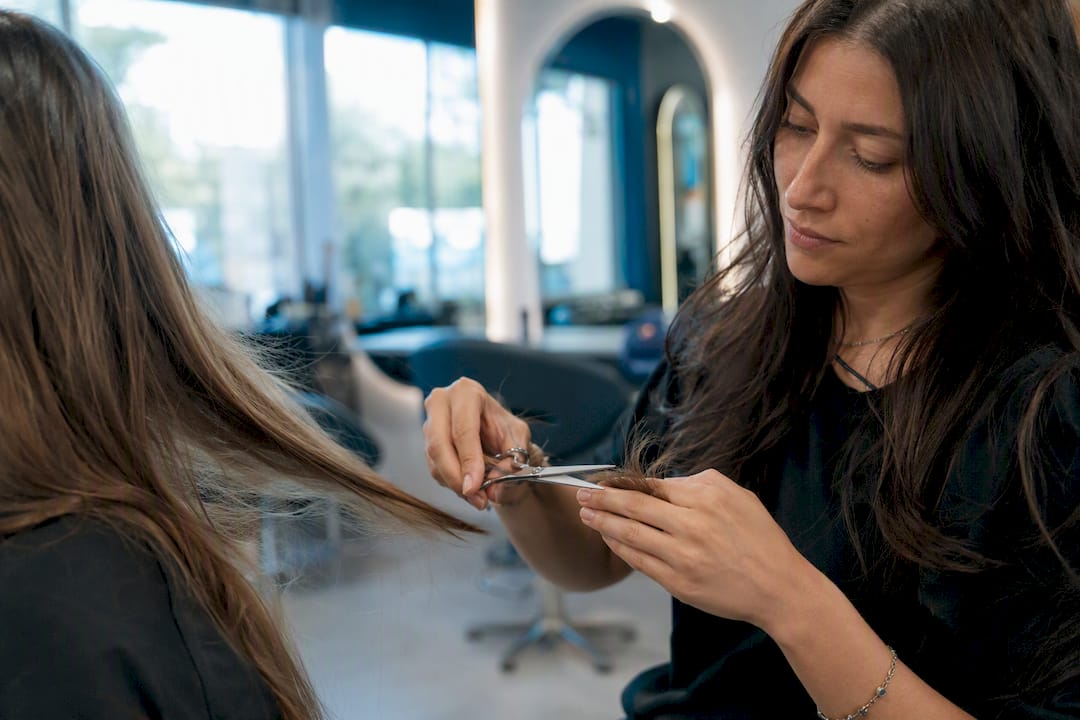
Split ends aren't just a cosmetic annoyance. Once the protective cuticle layer wears away at the tip of a strand, the exposed cortex frays outward, and that frizz travels up the shaft over time if you ignore it. A trim every 8 to 12 weeks keeps that damage from spreading, and it's the single cheapest step on any frizz control strategies list because it prevents a problem instead of covering it up.
2. Wash With Hydrating, Not Stripping, Formulas
Shampoos loaded with sulfates strip natural oils and leave the cuticle rough, which grabs moisture from the air unevenly and shows up as frizz. Look for shampoos and conditioners built around humectants like glycerin and emollients like fatty alcohols, both of which draw in and lock down moisture. If your hair is fine, skip anything labeled "butter" or "heavy cream," since those formulas can flatten strands and make frizz look worse by weighing hair into an uneven shape.
3. Deep condition once a week
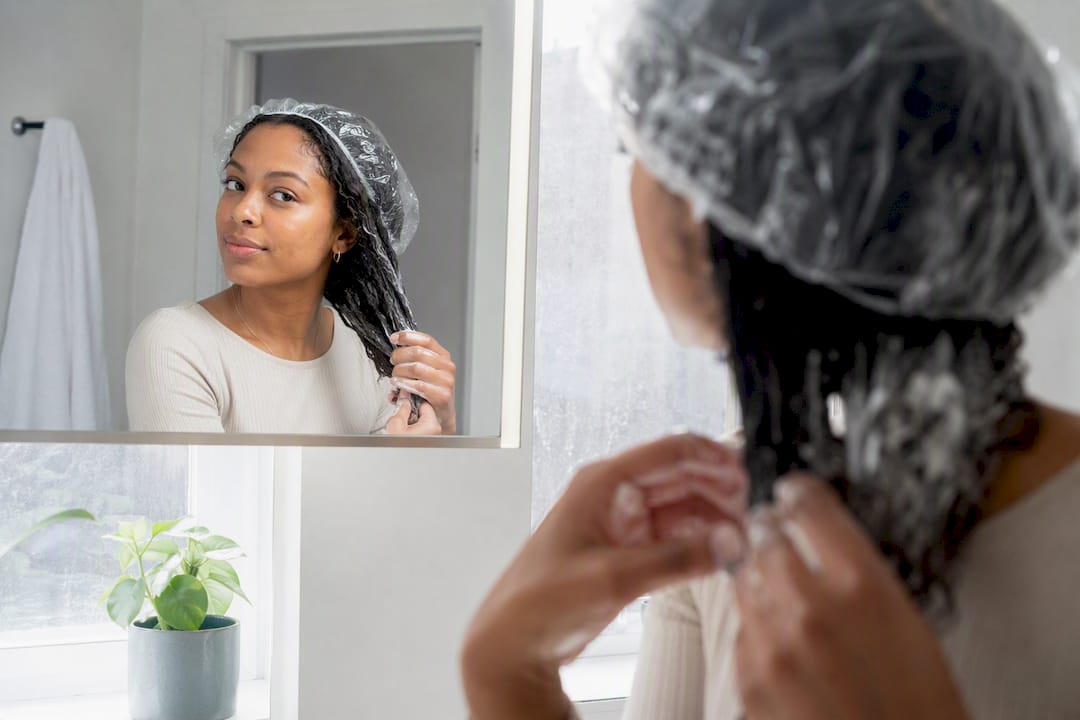
A weekly mask gives hydrating ingredients time to actually penetrate the cortex instead of just coating the surface the way a rinse-out conditioner does. Apply from mid-length to ends, avoiding the roots, and leave it on for 15 to 20 minutes under a shower cap. Look for shea butter, argan oil, or hydrolyzed proteins if your hair is color-treated or chemically processed.
4. Apply Leave-In Conditioner While Hair Is Still Damp
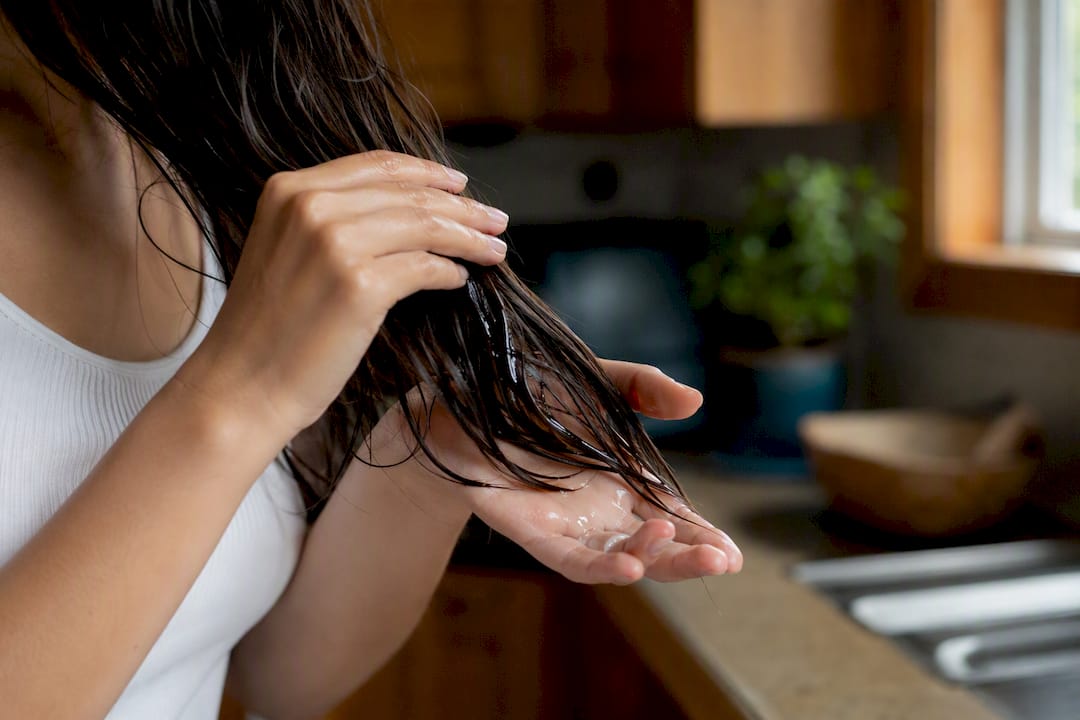
Damp hair absorbs product far better than dry hair because the cuticle is slightly raised and receptive. Distribute leave-in conditioner through mid-lengths and ends first, working toward the roots only if you have thick or curly hair that can handle it. This step should always come before any serum or oil, since layering water-based products under oil-based ones traps hydration instead of blocking it out.
5. Seal the Cuticle With Oil or Silicone
Sealing is the step most people skip, and it's the one that actually keeps humidity from reversing everything you just did. Silicones and certain oils form a coating that slows the movement of water molecules in and out of the strand, which is exactly what stops frizz from creeping back in as the day goes on, according to L'Oréal Paris's guidance on managing frizz. Use a dime-sized drop for fine hair and a nickel-sized amount for thick or coily hair.
6. Always Use Heat Protectant Before Hot Tools
This is non-negotiable if you use a flat iron, curling wand, or blow dryer on anything above the lowest setting. Many heat protectant formulas can withstand temperatures up to 450 degrees Fahrenheit, which matters because most styling tools run between 300 and 450 degrees. Spray or apply evenly through damp or dry hair before you touch a single hot plate, and keep your tool's setting as low as your style will allow.
7. Dry Gently With Microfiber or Air-Dry
Rubbing wet hair with a terry cloth towel is one of the most common causes of frizz nobody talks about. Switching to a microfiber towel or an old cotton T-shirt is a low-cost, high-impact fix because it dramatically cuts down the friction that roughs up the cuticle. Blot and squeeze instead of rubbing, then either air-dry or diffuse on low heat with the diffuser cupping curls upward rather than pointed straight at them.
8. Protect Hair Overnight
A cotton pillowcase acts like sandpaper against hair while you sleep, which is why silk pillowcases significantly reduce that overnight friction. A satin bonnet works just as well if you'd rather not replace your pillowcase, and a loose braid or pineapple style keeps curls from tangling into a frizzy mess by morning.
9. Detangle Wet Hair With a Wide-Tooth Comb
Brushing dry curly or wavy hair breaks apart the natural clumping pattern and lifts the cuticle in the process. Detangle instead while hair is wet and still coated in conditioner, using a wide-tooth comb or just your fingers, working from ends to roots in small sections.
10. Wash Less Often and Skip Hot Water
Daily washing and scalding water strip the scalp's natural oils and lift the cuticle, and both changes make hair grab moisture unevenly from the air, which is a direct route to frizz according to Good Housekeeping's frizz-fix roundup. Stretch washes to every 2 to 3 days where your scalp allows it, and switch your rinse to lukewarm rather than hot.
11. Use Anti-Humidity Products in Humid Climates
Anti-humidity sprays create a flexible barrier on the hair shaft that resists water vapor without stiffening the strand the way a hard-hold gel does. Reach for one specifically on days above roughly 60% humidity, applying it as a finishing step over your styled hair rather than before, since it's designed to hold a shape rather than build one.
12. Address Hard Water Buildup
Calcium and magnesium in hard water deposit on the hair shaft, making it feel rough and coarse and far more prone to frizz. An inexpensive shower filter or an occasional chelating clarifying treatment strips that mineral film and restores your product's ability to actually absorb.
13. Keep a Quick-Fix Tool on Hand
A small taming wand or a mini vial of anti-frizz serum tucked in a bag is worth more than a full routine you can't repeat midday. These aren't meant to replace your daily steps; they exist for the flyaway that pops up in a meeting or a photo.
14. Match Product Weight to Porosity and Thickness
Fine, low-porosity hair needs lightweight leave-ins and a thin layer of oil, since heavy butters just sit on the surface and drag it flat. Thick, high-porosity, or curly hair usually needs richer emollients and a more aggressive seal, because that hair loses moisture faster than it takes it in.
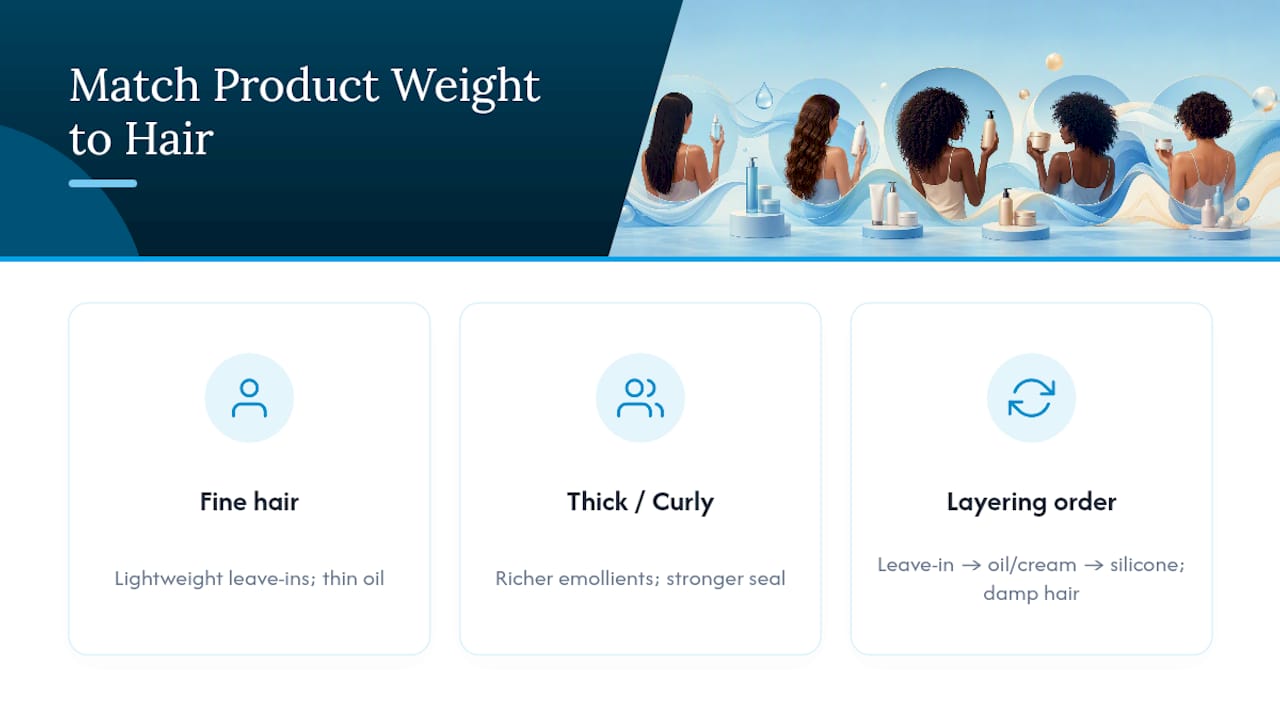
Pro Tip: If you're layering more than three products and still seeing frizz by noon, the problem usually isn't quantity. It's sequence. Water-based leave-in first, oil or cream second, and any silicone-based serum last, always applied to damp, not soaked, hair.
How to Build a Weekly Frizz Control Routine
A routine only works if it's repeatable, so keep the daily list short and save the heavier steps for once a week.
Daily:
- Cleanse only as needed, skipping a day or two between washes.
- Condition mid-lengths and ends every time you shower.
- Apply leave-in to damp hair, then seal with a light serum if hair is fine or a richer oil if it's thick or curly.
- Use heat protectant any time a hot tool touches your hair.
Weekly:
- Run one deep-conditioning mask.
- Check your ends and book a trim if they feel rough or split.
- Reassess whether your current products match the week's humidity.
Fine hair does best with lighter leave-ins and minimal oil. Curly and coily hair needs emollient-rich products and consistent sealing. High-porosity hair benefits from more aggressive sealing but should only get protein treatments occasionally, since overdoing protein makes hair stiff and brittle. If you notice ongoing breakage, scalp irritation, or thinning alongside the frizz, that's a signal to talk to a professional rather than adjust products further.
Fast Fixes for Frizz in Under 5 Minutes
- Warm a pea-sized drop of serum between your palms and smooth it over mid-lengths and ends only, keeping it off the roots so hair doesn't look oily.
- Spray hairspray onto a clean toothbrush and press it flat against baby hairs and flyaways along the hairline for instant control.
- Rub a small amount of styling balm between your palms until it's warm and smooth it lightly over the crown to knock down frizz without stiffness.
- Pull hair into a low bun or braid when nothing else is working. It hides frizz along the perimeter and stops it from getting worse throughout the day.
Why a Personalized Scan Beats Guesswork
Buying random anti-frizz products off a shelf is trial and error with your money. An AI hair analysis changes that by reading actual markers from a scan, things like strand density, damage patterns, and porosity, and turning them into recommendations built for your hair rather than a general profile.
- MyHair.ai's scan-based assessment flags porosity and damage levels that determine whether you need a lightweight leave-in or a heavier sealing routine.
- Someone with high porosity typically gets pointed toward richer emollients and more frequent sealing, since that hair type loses moisture fast.
- Someone with low porosity gets steered toward lighter formulas, since heavier products just sit on the surface and cause buildup.
- You can start with the AI-powered hair analysis or read more about the research behind the assessment before uploading a scan.
Does Diet Actually Affect Frizz?
Hair is dead keratin protein once it leaves the follicle, so no product changes what's already grown out. But what you eat shapes the hair that's still forming under the scalp, and chronic dehydration or a diet low in protein and healthy fats tends to produce drier, more porous strands that frizz more easily the moment they emerge.
Biotin, omega-3 fatty acids, zinc, and adequate protein intake all support the follicle's ability to produce a smoother, more uniform strand. Drinking enough water daily supports the scalp's natural oil production, which indirectly affects how much your hair relies on external products for moisture. None of this replaces a topical routine, but it explains why some people see stubborn frizz despite doing everything right on the outside. If your hair has been chronically dry and brittle for months despite good hair care habits, it's worth a look at hydration and overall nutrition alongside your product routine.
How Humidity and Pollution Trigger Frizz
Humidity is the most obvious environmental trigger. Hair strands absorb water vapor from the air, and when the cuticle isn't sealed, that moisture swells the cortex unevenly, causing the shaft to expand and separate into what we call frizz. Dry winter air causes a different version of the same problem: it pulls moisture out of the hair shaft, leaving strands brittle and prone to static and flyaways rather than swelling frizz.
Pollution adds a less obvious layer. Airborne particulates and residue settle on the hair shaft the same way hard water minerals do, roughening the cuticle's surface and making it harder for moisture to move in and out evenly. City dwellers dealing with unexplained dullness or texture changes may be dealing with this buildup rather than a styling problem, and an occasional clarifying wash can help reset it.
Matching your product strategy to the season and your environment matters more than most routines account for. A sealing serum that works perfectly in dry winter air can feel heavy and greasy in July humidity, while an anti-humidity spray that saves your style in summer does nothing for the static and breakage that shows up in a heated apartment come January.
Frizz Control Looks Different by Hair Type
Straight hair frizzes mainly at the crown and along flyaways, since the natural oils from the scalp travel down the shaft more easily on straight strands. Lightweight leave-ins and minimal sealing usually solve it, and heavier products tend to look greasy fast.
Wavy hair sits in a middle zone. It needs more moisture than straight hair but can still get weighed down by rich curl creams meant for tighter textures. A light leave-in plus a small amount of curl cream, scrunched in rather than smoothed, tends to work best.
Curly and coily hair loses moisture fastest because the cuticle's twists and turns make it harder for natural oils to travel the length of the strand. This texture benefits most from the full layering approach: leave-in, cream, and a sealing oil, plus more frequent deep conditioning. For very tight, coily textures, a dedicated 4C hair care routine accounts for the extra moisture demands and protective styling needs that straight and wavy routines don't address.
Color and Chemical Treatments Raise the Stakes
Bleach, permanent color, and chemical relaxers all work by breaking open the cuticle to deposit color or reshape the strand, and that process leaves hair more porous and more prone to frizz afterward. The fix isn't to avoid color or treatments entirely; it's to adjust your routine to compensate for the extra porosity.
Space out chemical services by at least 6 to 8 weeks to give hair time to recover between treatments. Increase deep-conditioning frequency to twice a week for the first month after a major color or chemical service, and lean on protein treatments occasionally if hair feels limp or overly elastic, a sign the protein-moisture balance has tipped too far toward moisture. Sulfate-free shampoo becomes non-negotiable here, since sulfates strip color faster and roughen an already-compromised cuticle. If you're due for a trim, don't skip it just because you recently colored. Split ends on chemically treated hair frizz and break faster than on virgin hair.
Ready to Stop Guessing at Your Routine?
Reading a list is one thing. Knowing which items on it actually apply to your hair is another. A scan through Myhair measures your specific porosity, density, and damage markers, then builds product and routine recommendations around what your hair actually needs instead of what worked for someone else's hair type. You can start the onboarding process in a few minutes and track how your frizz and hair health change over time as you adjust your routine.
The Part of Frizz Control Nobody Wants to Hear
Most frizz advice treats the symptom and ignores the sequence. People buy a fourth serum when the real issue is that they're applying products in the wrong order or skipping the sealing step entirely. The research here backs a fairly unglamorous conclusion: trims, gentle drying, and consistent moisture plus sealant beat any single miracle product, every time.
Where conventional advice falls short is treating frizz control as universal. A routine built for coily hair will frustrate someone with fine, straight hair, and vice versa. That mismatch is why so many people cycle through products without ever landing on one that works.
If you take one thing from this list, prioritize matching product weight to your actual hair porosity and texture before you spend money on anything new. Guessing at that match is expensive and slow. A scan-based assessment shortcuts the guesswork, and that's a genuinely useful shift from where frizz advice has stood for years.
— Cyriac
Sources
- Best heat protectants for all hair types and textures (2026) — NBC Select
- How to Fix Frizzy Hair: Science-Backed Solutions That Work | HairStyleMojo
FAQ
What Is the Most Effective Way to Reduce Frizz?
The most effective approach combines regular trims, moisturizing shampoo and conditioner, a leave-in applied to damp hair, a sealing oil or serum, and heat protectant before any hot tool. Skipping the sealing step is the most common reason this combination fails.
What Is the Best Thing to Control Frizzy Hair?
No single product controls frizz on its own. A sealing product, whether a silicone-based serum or a natural oil, does the most visible work because it blocks humidity from re-entering the strand after you've already hydrated it.
How Do I Fix Frizzy, Aging Hair?
Hair tends to lose moisture and elasticity with age, so lean harder on weekly deep conditioning, gentler sulfate-free cleansers, and a lighter hand with heat styling. Trims matter even more here, since aging hair often has slower growth and can't quickly outgrow damage.
How Can I Get Rid of Frizz in 5 Minutes?
Smooth a pea-sized amount of serum over mid-lengths and ends, or spray hairspray onto a toothbrush to tame flyaways along the hairline. A quick low bun or braid also hides frizz instantly when you don't have product on hand.