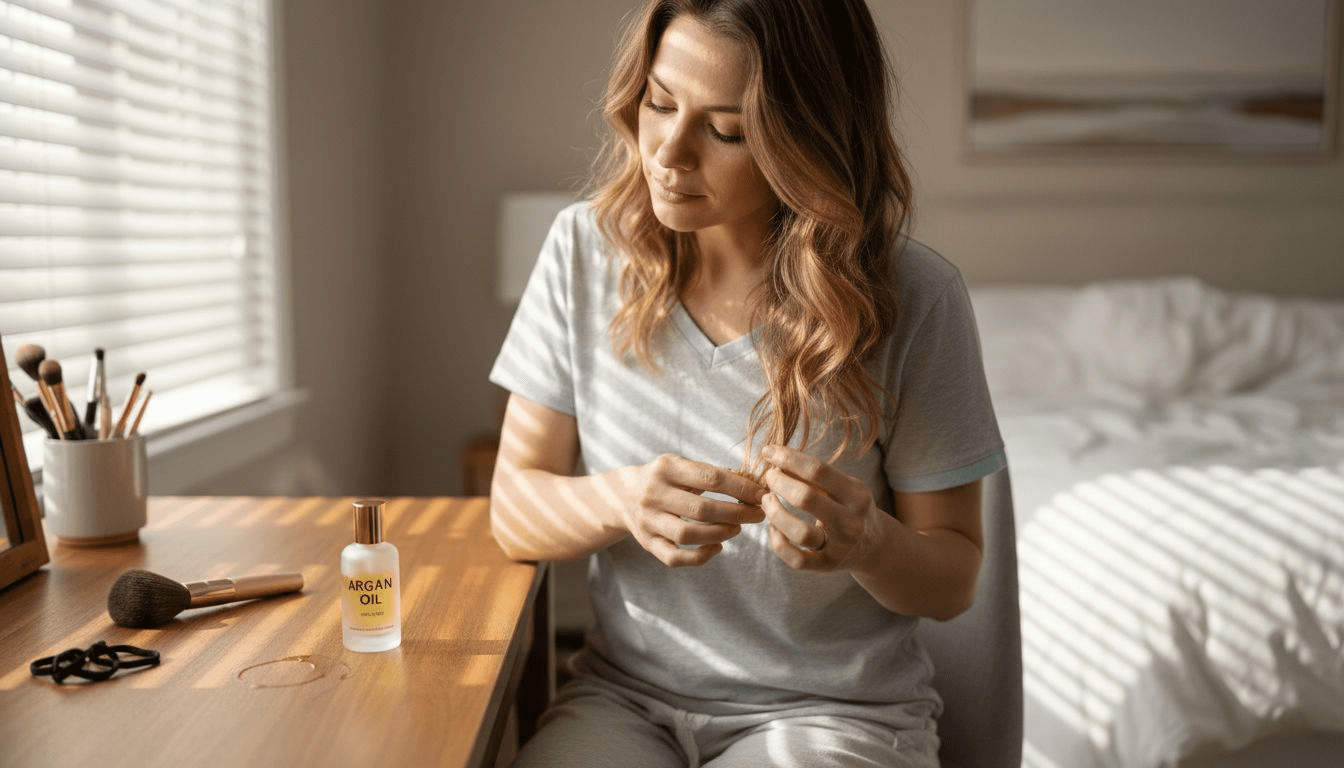
Finding reliable hair care options can feel overwhelming when thinning or shedding becomes a daily concern. Many people struggle to identify products that truly nourish hair without causing build-up or irritation. With argan oil's unique blend of fatty acids, antioxidants, and high concentrations of vitamin E, you get a multifaceted natural solution that supports scalp health, restores shine, and strengthens strands. Discover what sets authentic argan oil apart and how personalized recommendations can help revive your hair.
Table of Contents
- What Makes Argan Oil Good for Hair
- Types of Argan Oil for Hair Use
- How Authentic Argan Oil Benefits Thinning Hair
- Spotting Quality Versus Synthetic Oils
- Common Mistakes When Using Argan Oil
Key Takeaways
| Point | Details |
|---|---|
| Benefits of Argan Oil | Argan oil hydrates and protects hair while improving scalp health and promoting stronger hair growth. |
| Types of Argan Oil | Different types of argan oil cater to specific hair needs, with pure cosmetic argan oil offering the highest nutrient retention. |
| Identifying Quality Argan Oil | Authentic argan oil is characterized by a golden color and a mild nutty aroma, unlike synthetic oils which may contain additives. |
| Application Techniques | Proper application involves using small amounts on damp hair, focusing on ends to avoid greasiness and maximize benefits. |
What Makes Argan Oil Good for Hair
Argan oil is a powerhouse natural ingredient that transforms hair health through its unique molecular composition. Derived from the nuts of the Argan tree native to Morocco, this golden-hued oil contains a remarkable blend of nutrients that make it exceptionally beneficial for hair restoration and protection.
The oil's effectiveness stems from its rich profile of fatty acids, antioxidants, and vitamins. High concentrations of vitamin E and linoleic acid provide multiple protective and regenerative benefits for hair follicles and strands. Key advantages include:
- Deeply hydrates hair without weighing it down
- Protects against heat and styling damage
- Reduces frizz and improves hair texture
- Strengthens hair from root to tip
- Supports scalp health and circulation
Beyond basic moisturization, argan oil works at a cellular level to repair and shield hair. Its antioxidant properties help neutralize free radicals that can cause structural damage, while its fatty acid composition helps seal moisture into each strand. The oil's anti-inflammatory characteristics also soothe the scalp, potentially reducing conditions like dandruff and promoting healthier hair growth.
By penetrating the hair shaft and providing a protective external layer, argan oil addresses multiple hair health challenges simultaneously. Scalp health improvements include reducing inflammation and controlling excess sebum production, which can lead to more balanced, vibrant hair.
Pro tip: Apply argan oil to damp hair, focusing on ends and mid-lengths for maximum absorption and protection.
Types of Argan Oil for Hair Use
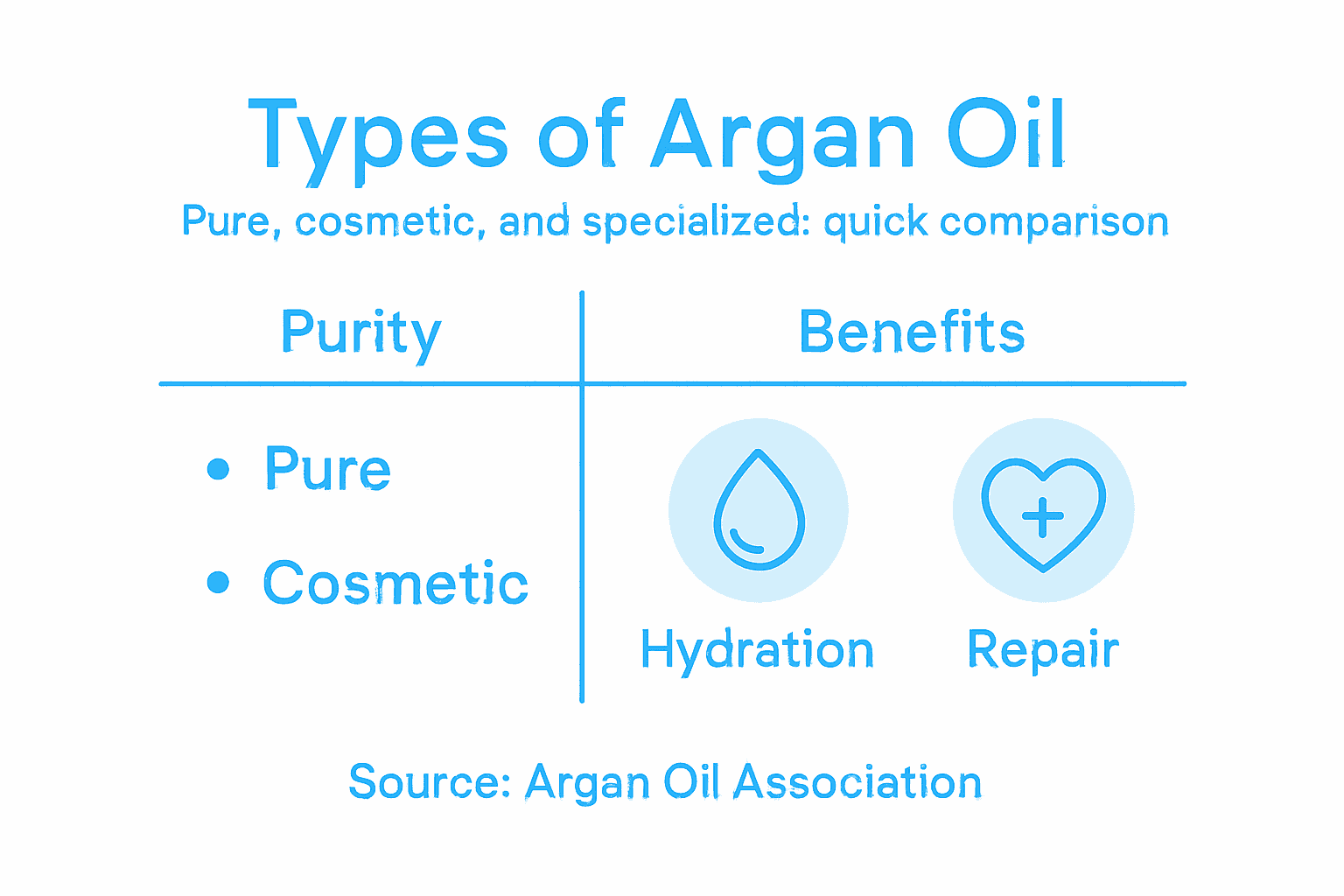
Argan oil comes in several distinct forms, each designed to address specific hair care needs. Understanding the nuanced differences between these types can help you select the most appropriate option for your unique hair texture and concerns. Hair treatment variations offer targeted solutions for different hair challenges.
The primary types of argan oil for hair use include:
- Pure Cosmetic Argan Oil: Unrefined, cold-pressed oil with maximum nutrient retention
- Refined Argan Oil: Processed to remove natural scent and color, suitable for sensitive individuals
- Organic Argan Oil: Produced without chemical pesticides or additives
- Argan Oil Hair Treatments: Blended formulations with additional ingredients
- Leave-In Argan Oil Conditioners: Moisturizing products designed for continuous hair protection
Each type offers unique benefits depending on your specific hair requirements. Pure cosmetic argan oil represents the most potent and nutrient-dense option, maintaining the highest concentration of vitamins and fatty acids. Refined versions provide a more neutral application experience while still delivering essential hair-strengthening compounds.
Here's a quick overview of argan oil types and their ideal use cases:
| Type of Argan Oil | Best For | Main Characteristics |
|---|---|---|
| Pure Cosmetic | All hair types | Maximum nutrients, unrefined |
| Refined | Sensitive users | Neutral scent, lighter color |
| Organic | Health-conscious | Chemical-free, eco-friendly |
| Hair Treatments | Damaged hair | Enhanced with other ingredients |
| Leave-In Conditioner | Daily protection | Moisturizes, prevents breakage |
For individuals with specific hair concerns, specialized argan oil formulations can target issues like dry scalp, hair breakage, or color-treated hair damage. Customized hair treatment approaches allow users to select products precisely matched to their hair's needs.
Pro tip: Select argan oil products that match your specific hair type and avoid those with unnecessary synthetic additives.
How Authentic Argan Oil Benefits Thinning Hair
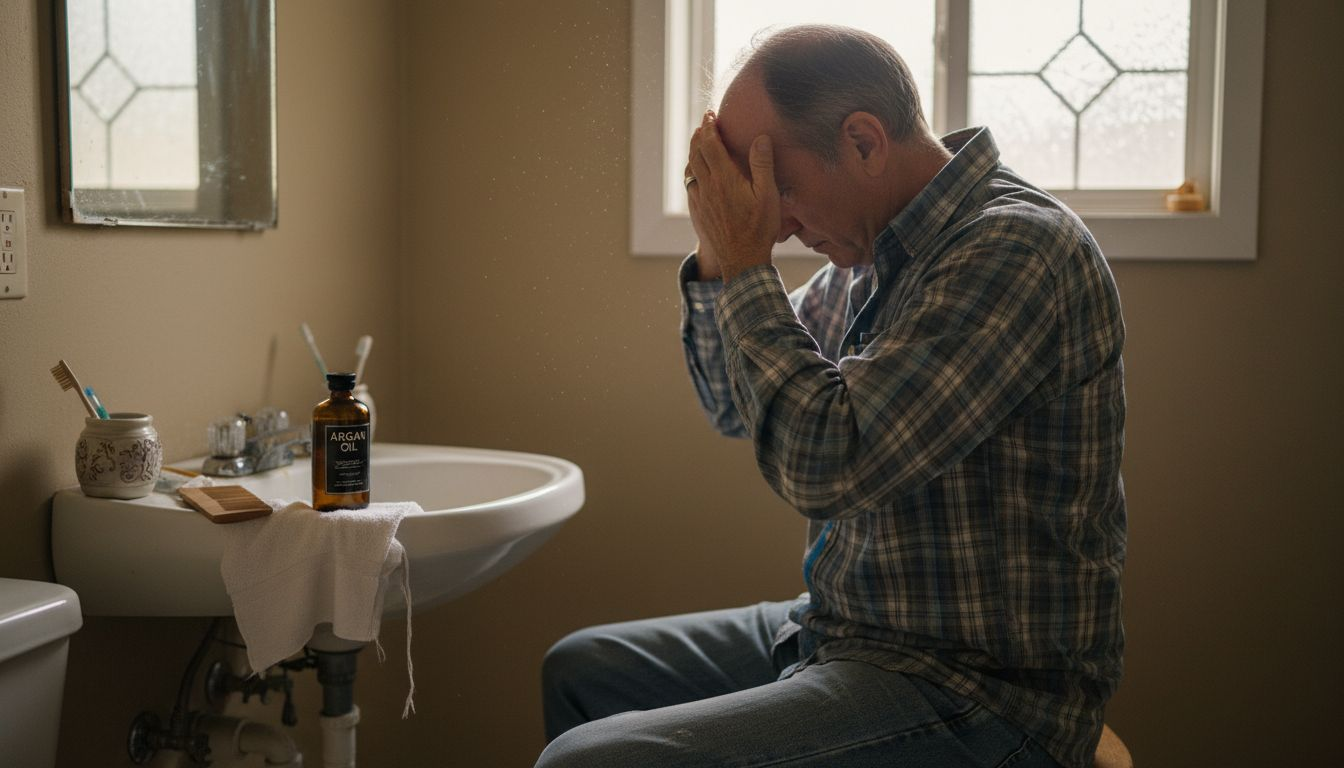
Thinning hair presents a complex challenge that requires targeted nutritional support, and authentic argan oil emerges as a powerful natural solution. Hair follicle health improvements depend on consistent, high-quality nutritional intervention, making the purity of argan oil crucial for those experiencing hair loss.
The key benefits of authentic argan oil for thinning hair include:
- Strengthens individual hair strands
- Reduces breakage and hair fall
- Provides deep scalp nourishment
- Supports natural hair growth mechanisms
- Protects against environmental damage
- Improves overall hair follicle health
Authentic argan oil works at a cellular level to address multiple aspects of hair thinning. Its rich composition of fatty acids and antioxidants helps repair damaged hair follicles, creating a healthier scalp environment that can potentially stimulate new hair growth. Specialized hair oil treatments can dramatically improve hair density and strength for individuals struggling with thinning hair.
By penetrating deep into the hair shaft and scalp, authentic argan oil delivers concentrated nutrients that help counteract the underlying causes of hair loss. The oil's molecular structure allows it to rebuild protein structures, reduce inflammation, and create optimal conditions for hair regeneration.
Pro tip: Massage argan oil directly into your scalp using circular motions to maximize absorption and stimulate blood circulation.
Spotting Quality Versus Synthetic Oils
Authentic argan oil stands apart from synthetic alternatives through distinct characteristics that discerning consumers can easily identify. Extraction methods and purity indicators play a crucial role in determining the oil's true quality and potential benefits.
Key markers of genuine argan oil include:
- Pure golden-yellow color for cosmetic use
- Mild, nutty natural aroma
- Light, silky texture without heavy residue
- Slight natural sediment
- Packaged in opaque glass bottles
- Single ingredient: Argania Spinosa Kernel Oil
Synthetic oils often reveal themselves through telltale signs of adulteration. These imitation products typically have artificial scents, watery or overly greasy consistencies, and multiple chemical additives. Pure argan oil identification requires careful examination of color, smell, texture, and ingredient list.
The most reliable method for ensuring authenticity involves purchasing from reputable sources that provide transparent information about their production processes. Authentic argan oil, typically produced by women's cooperatives in Morocco, undergoes careful cold-pressing techniques that preserve its nutritional integrity and natural properties.
Compare authentic argan oil and synthetics with these helpful markers:
| Attribute | Authentic Argan Oil | Synthetic Oil |
|---|---|---|
| Color | Golden yellow | Pale or clear |
| Aroma | Mild, nutty scent | Artificial, strong odor |
| Packaging | Opaque glass bottle | Plastic or clear bottle |
| Ingredient List | Single, natural source | Multiple chemicals, additives |
Pro tip: Always request a detailed origin certificate and check for single-ingredient labeling when purchasing argan oil.
Common Mistakes When Using Argan Oil
Using argan oil effectively requires precision and understanding of its unique properties. Incorrect application techniques can dramatically reduce the oil's potential benefits and potentially harm your hair's overall health.
Common mistakes people frequently make with argan oil include:
- Applying excessive amounts of oil
- Using oil on completely dry hair
- Applying directly to the scalp roots
- Expecting instant hair repair
- Ignoring individual hair type requirements
- Using low-quality or synthetic oil variants
Quantity and technique are critical when applying argan oil. Hair moisture absorption strategies suggest starting with a minimal amount, focusing on mid-lengths and ends rather than saturating the entire hair strand. Most individuals mistakenly believe more oil equals better results, which can actually lead to greasy, weighed-down hair.
Understanding your specific hair type is crucial for optimal argan oil application. Fine hair requires dramatically less oil compared to thick or coarse hair textures. The oil's molecular structure means different hair types will absorb and respond differently, making a one-size-fits-all approach ineffective.
Pro tip: Start with a pea-sized amount of argan oil and gradually increase based on your hair's unique response and texture.
Discover How Quality Argan Oil Can Transform Your Hair Health
Struggling with thinning hair or damaged strands due to low-quality oils? This article reveals why authentic argan oil matters for strengthening hair, reducing breakage, and nourishing your scalp deeply. If you are searching for a personalized approach to understand your unique hair needs and how to incorporate the right argan oil product into your routine, we have the perfect solution for you.
At MyHair.ai, our advanced AI technology analyzes your hair condition and offers tailored insights that go beyond general advice. With detailed assessments based on your scans, you can monitor progress and receive customized product recommendations including the best argan oil types suited to your hair type and issues. Don’t let synthetic oils or incorrect usage hold you back from achieving healthy, vibrant hair. Take the first step today by visiting MyHair.ai and unlock the natural benefits of quality hair care designed just for you.
Frequently Asked Questions
What are the benefits of using argan oil for hair?
Argan oil deeply hydrates hair, protects against heat damage, reduces frizz, strengthens strands, and supports scalp health, ultimately promoting healthier hair growth.
How can I tell if my argan oil is authentic?
Authentic argan oil has a golden-yellow color, a mild nutty aroma, a light texture, and should be packaged in opaque glass bottles with a single ingredient: Argania Spinosa Kernel Oil.
What is the best way to apply argan oil to my hair?
Apply argan oil to damp hair, focusing on the mid-lengths and ends for maximum absorption. Start with a small amount, like a pea-sized portion, and increase based on your hair's response.
What are the different types of argan oil, and how do they differ?
The main types of argan oil include pure cosmetic, refined, organic, hair treatments, and leave-in conditioners. Each type varies in nutrient retention, scent, and intended use, with pure cosmetic argan oil being the most potent option.