Most hair damage comes from routine, not bad luck: heat styling, tight elastics, wet brushing, and rough towel-drying wear down the hair shaft faster than genetics or age ever will. The good news is that swapping even two or three of these habits usually shows visible improvement within weeks, while more serious cases respond to a longer, structured repair plan. Dermatology guidance, basic nutrition, and consistent tracking do the rest.
TL;DR:
- Limiting daily high-heat styling and always applying a heat protectant can significantly reduce protein damage and breakage over time.
- Loosening tight hairstyles and sleeping on satin or silk pillowcases help prevent traction alopecia and friction-based damage during rest.
- Using the correct tools, such as a wide-tooth comb for wet hair and clarifying shampoo every few weeks, restores scalp health and reduces buildup.
- Avoiding frequent chemical treatments in quick succession and spacing them apart minimizes brittle, snap-prone hair from bond breaking.
- Regularly tracking hair health through scans can differentiate between breakage and shedding, allowing targeted interventions and better repair results.
Table of Contents
- 10 Everyday Habits Damaging Your Hair
- How to Tell If Your Hair Is Damaged
- Your Repair and Prevention Plan
- Why Personalized Tracking Changes the Plan
- Three Habit Swaps That Actually Move the Needle
- See Your Hair's Real Progress With Myhair
- Sources
- FAQ
10 Everyday Habits Damaging Your Hair
Each of these habits does something specific to the hair shaft or follicle. Knowing the mechanism makes the fix obvious instead of just another rule to follow.
1. Heat styling on high, every day. Flat irons and curling wands above 300°F denature the protein structure (keratin) inside each strand, leaving it weaker and more porous. Fix: drop the temperature, use a heat protectant spray before every session, and limit hot-tool use to a few days a week.
2. Tight ponytails, braids, and buns. Constant pulling at the root causes traction alopecia, a condition where repeated tension inflames follicles and can eventually scar them into permanent hair loss, according to clinical research on traction alopecia. Fix: loosen the style, alternate the parting, and give tight looks a rest day between wears.
3. Rubbing wet hair dry with a terry towel. Wet hair's cuticle is already lifted and vulnerable, and rough terrycloth friction roughs it up further, raising porosity and frizz, per WebMD's hair care guidance. Fix: blot with a microfiber towel or an old T-shirt instead of scrubbing.
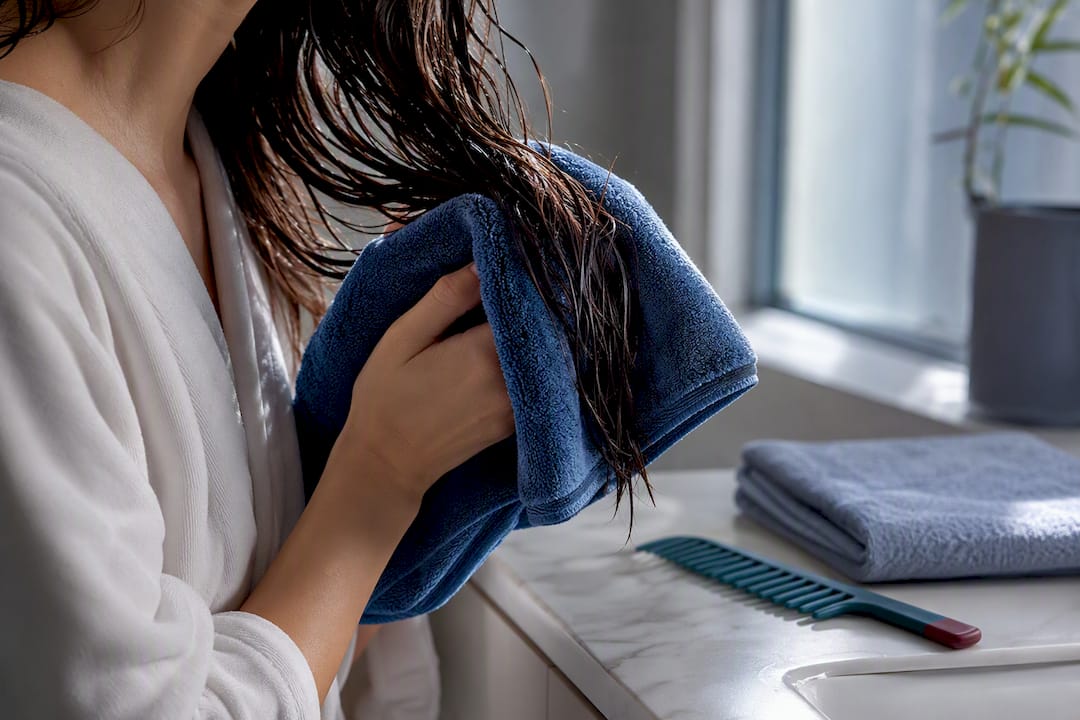
4. Brushing wet hair with the wrong tool. Wet strands stretch further before snapping, so a standard brush pulls out chunks a wide-tooth comb would glide through. The American Academy of Dermatology recommends detangling wet hair with a wide-tooth comb, starting at the ends and working up.
5. Washing too often, or not often enough. Overwashing strips natural oils and dries the shaft; underwashing lets oil, sweat, and product harden into buildup that weighs hair down and blocks moisture. Fix: match wash frequency to your scalp type, and apply shampoo to the scalp only, letting the suds rinse through the lengths.
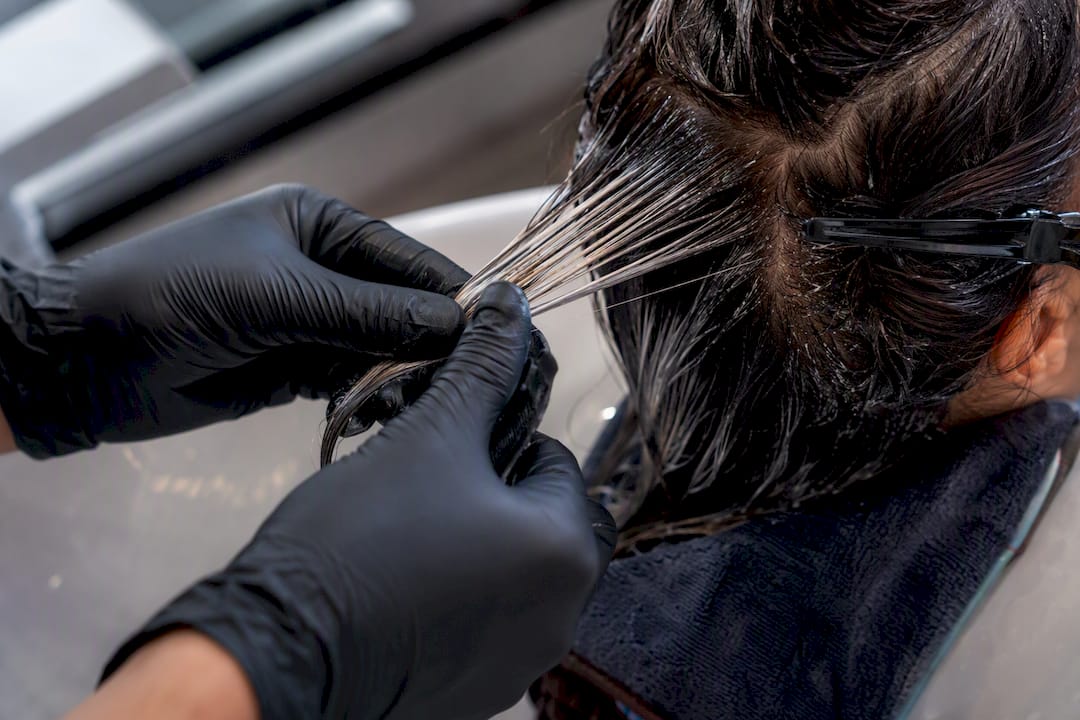
6. Stacking bleach, color, and relaxers too close together. Each chemical service breaks and re-forms bonds inside the hair; doing it repeatedly without recovery time leaves the shaft brittle and prone to snapping. Fix: space chemical treatments apart by a sufficient recovery time and add a bond-repair treatment in between.
7. Sleeping on wet hair. Hair swells when wet, and grinding against a pillow all night maximizes friction damage while you sleep. Silk or satin pillowcases and looser overnight styles cut that friction significantly compared to cotton, according to University of Utah Health.
Pro Tip: *Never run a flat iron or curling wand over hair that's still dripping. Trapped water can flash into steam under the heat and cause "bubble hair," a form of acute thermal injury that leaves strands riddled with weak spots.
8. Skipping brushes for weeks, then over-brushing. Irregular brushing lets shed hairs tangle and mat, so when you finally detangle, you rip out far more than the normal daily amount. Fix: a gentle, once-daily brush-through with a soft-bristle or wide-tooth tool keeps tangles from building up.
9. Piling on dry shampoo and never fully clarifying. Dry shampoo buildup coats the scalp and shaft, which can suffocate follicles and leave hair dull no matter how much conditioner you add. Fix: use a clarifying shampoo every two to four weeks to reset.
10. Crash dieting or chronic stress. Sudden calorie or protein deficits are a common trigger for telogen effluvium, a stress-related shedding phase that shows up two to three months after the trigger. Fix: stabilize your eating pattern before chasing any topical product.
Pro Tip: If you color-treat and heat-style in the same week, do the heat first, wait at least 48 hours, then color. Chemically softened hair is more heat-sensitive right after a service.
How to Tell If Your Hair Is Damaged
Some signs are cosmetic. Others mean it's time to call a dermatologist.
Look for these everyday markers of shaft damage:
- Split or frayed ends that catch on fabric
- Rough texture or a "straw-like" feel when dry
- Hair that soaks up water fast but takes forever to feel hydrated (a porosity clue)
- Dullness that doesn't respond to conditioner
- A noticeable jump in breakage, meaning short, snapped pieces on your brush rather than full strands with a bulb at the root
A simple elasticity check helps separate cosmetic damage from something bigger: gently stretch one wet strand. Healthy hair stretches slightly and springs back; damaged hair either resists or snaps outright. Losing between 50 and 100 hairs a day is considered normal, so don't panic over a full brush.
See a dermatologist if you notice patchy bald spots, scalp pain or tenderness, visible scarring, or a sudden, dramatic increase in shedding that lasts more than a few weeks. Those point to a medical cause, not a styling habit.
Your Repair and Prevention Plan
Fixing damaged hair works best in phases, starting with the habits doing the most harm.
- This week: trim visible split ends so damage stops traveling up the shaft, drop your worst habit (usually daily high-heat styling or tight ponytails), and switch to a silk or satin pillowcase.
- This month: build a routine around scalp-focused shampooing, mid-length-to-ends conditioning, and a wide-tooth comb for detangling, echoing the core steps dermatologists recommend for protecting the shaft. Clarify every two to four weeks and space any chemical service by 8 to 10 weeks.
- Ongoing: since hair is mostly protein, aim for at least 45 grams of protein daily, stay hydrated, and treat sleep and stress management as part of the plan, not an afterthought.
Pro Tip: Cosmetic improvement, meaning smoother texture and fewer split ends, usually shows up within 4 to 6 weeks of consistent changes. Follicle-driven regrowth after shedding takes far longer, often 3 to 6 months, since hair only grows about half an inch monthly. For deeper repair protocols, a damaged hair care guide walks through product-level choices in more detail.
Why Personalized Tracking Changes the Plan
Breakage and shedding look similar but need different fixes, and guessing wrong wastes months. Scanning your hair over time separates the two:
- Breakage shows up as short, uneven pieces along the shaft; shedding shows full strands with an intact root bulb.
- Regular scans catch trends before they're obvious in the mirror, so you adjust before a habit does real damage.
- Tracked data helps refine recommendations, whether that means a different conditioner, more spacing between chemical services, or a nutrition tweak, rather than a generic fix.
Three Habit Swaps That Actually Move the Needle
If you only change three things, make it this: cut heat frequency and always use a protectant, keep hair loose overnight instead of pulled or wet, and switch to gentler detangling with a wide-tooth comb. None of these require new products or a bigger budget.
The compounding part is easy to underestimate. A single week of looser hairstyles won't show much, but three months of it, tracked consistently, usually does. Start small this week: swap one tight elastic for a silk scrunchie and see how it feels by Friday.
— Cyriac
See Your Hair's Real Progress With Myhair
Guessing whether a habit swap is actually working wastes months you don't need to lose. Specialized AI-powered platforms can turn that guesswork into a photo: upload a scan, and the analysis flags whether what you're seeing is breakage, shedding, or normal turnover, then tracks the trend over time instead of leaving you to eyeball it in a bathroom mirror.

It's built for anyone dealing with a mix of damage types, ongoing shedding they can't explain, or anyone who just wants a number attached to their progress instead of a vague feeling. Some platforms also serve up product recommendations based on what your scan actually shows, not a generic list. If you want a clear starting point, begin your first hair scan and see where your hair stands today.
Sources
- Simple secrets to healthier, fuller, shinier hair — Healthline
- Traction alopecia — NCBI Bookshelf
- How to keep hair healthy: Doctor-reviewed tips — Acibadem International
FAQ
What are signs that your hair is unhealthy?
Rough texture, dullness, split ends, and a jump in short broken strands on your brush are the main signs, along with hair that soaks up water fast but stays hard to hydrate.
What damages hair the most naturally, without chemicals?
Friction and heat cause most non-chemical damage: rough towel-drying, brushing wet hair with the wrong tool, tight hairstyles, and heat styling without using protection.
Which vitamin or nutrient deficiency causes hair breakage?
Inadequate protein intake is the most direct nutritional cause, since hair is built almost entirely from keratin; most experts suggest at least 45 grams of protein daily to support strand strength.
What habits can cause hair loss instead of just breakage?
Chronic tension from tight hairstyles can trigger traction alopecia, and crash dieting or major stress can trigger telogen effluvium, a temporary shedding phase distinct from breakage.
How do I know if I should see a doctor about hair damage?
Patchy bald spots, scalp pain, visible scarring, or a sudden dramatic increase in shedding lasting several weeks all warrant a dermatology visit rather than a routine fix.