
Did you know that over 30 percent of people mistake hair breakage for permanent hair loss? Misunderstanding this common problem can lead to frustration and the wrong care routines. Hair breakage can show up as frayed ends, brittle strands, or sudden uneven lengths, but with the right approach, it is often reversible. Understanding the real causes and warning signs helps you spot damage early, protect your hair, and restore its strength before issues become severe.
Table of Contents
- Defining Hair Breakage and Common Misconceptions
- Major Causes and Risk Factors for Hair Breakage
- Types of Hair Breakage and Key Differences
- Recognizing Signs and Symptoms of Hair Breakage
- Prevention Strategies and Daily Care Tips
- Advanced Solutions and When to Seek Help
Key Takeaways
| Point | Details |
|---|---|
| Understanding Hair Breakage | Hair breakage involves the physical fracturing of hair shafts, distinct from hair loss, and can often be repaired or prevented with appropriate care. |
| Major Causes of Breakage | Key factors for hair breakage include excessive heat styling, tight hairstyles, and chemical treatments, making it crucial to modify hair care routines accordingly. |
| Recognizing Symptoms | Early identification of hair breakage signs, such as split ends and increased shedding, can facilitate timely intervention to restore hair health. |
| Prevention Strategies | Implementing a holistic approach, including gentle brushing, using conditioner, and minimizing heat exposure, aids in significantly reducing hair breakage risk. |
Defining Hair Breakage and Common Misconceptions
Hair breakage is a complex hair health issue involving the physical fracturing of hair strands, distinct from hair loss. According to PubMed, hair breakage occurs when hair fibers snap due to mechanical stress, such as aggressive combing or brushing. Unlike total hair loss where follicles stop producing hair, breakage involves the actual physical disruption of hair shafts.
A critical misconception is assuming all hair damage indicates permanent hair loss. In reality, breakage represents temporary structural damage that can often be prevented or repaired. The American Academy of Dermatology emphasizes that breakage stems from damage to the hair shaft, typically manifesting as frayed or split ends.
Key characteristics of hair breakage include:
- Shorter hair strands appearing randomly
- Visible split or frayed ends
- Increased hair shedding during brushing or styling
- Rough, brittle hair texture
Contrary to popular belief, frequent washing does not cause breakage. Instead, AAD points out that improper handling during washing techniques like vigorous rubbing creates more damage. Understanding these nuanced differences helps individuals develop more effective hair care strategies and maintain healthier hair strands.
For more targeted insights, check out our understanding hairline breakage causes and solutions guide that dives deeper into specific breakage patterns and prevention techniques.
Major Causes and Risk Factors for Hair Breakage
Hair breakage is a complex issue driven by multiple environmental and styling factors. According to the American Academy of Dermatology, major causes include excessive heat styling, chemical treatments, and tight hairstyles that place significant stress on hair strands.
One particularly damaging form of breakage is traction alopecia, which occurs when repeated tension damages hair roots. Research from the National Center for Biotechnology Information reveals that chemically relaxed or thermally straightened hair becomes especially vulnerable to breakage under consistent tension.
Primary risk factors for hair breakage include:
- Frequent use of high-heat styling tools
- Chemical hair treatments like bleaching and relaxing
- Tight hairstyles such as ponytails, braids, and buns
- Lack of proper hair moisture and conditioning
- Aggressive brushing or combing techniques
- Nutritional deficiencies affecting hair health
Understanding these risk factors is crucial for prevention. By recognizing potential damage sources, individuals can modify their hair care routine to minimize breakage.
For comprehensive insights into medical causes behind hair breakage, explore our understanding hair breakage medical causes article that provides deeper scientific context.
Types of Hair Breakage and Key Differences
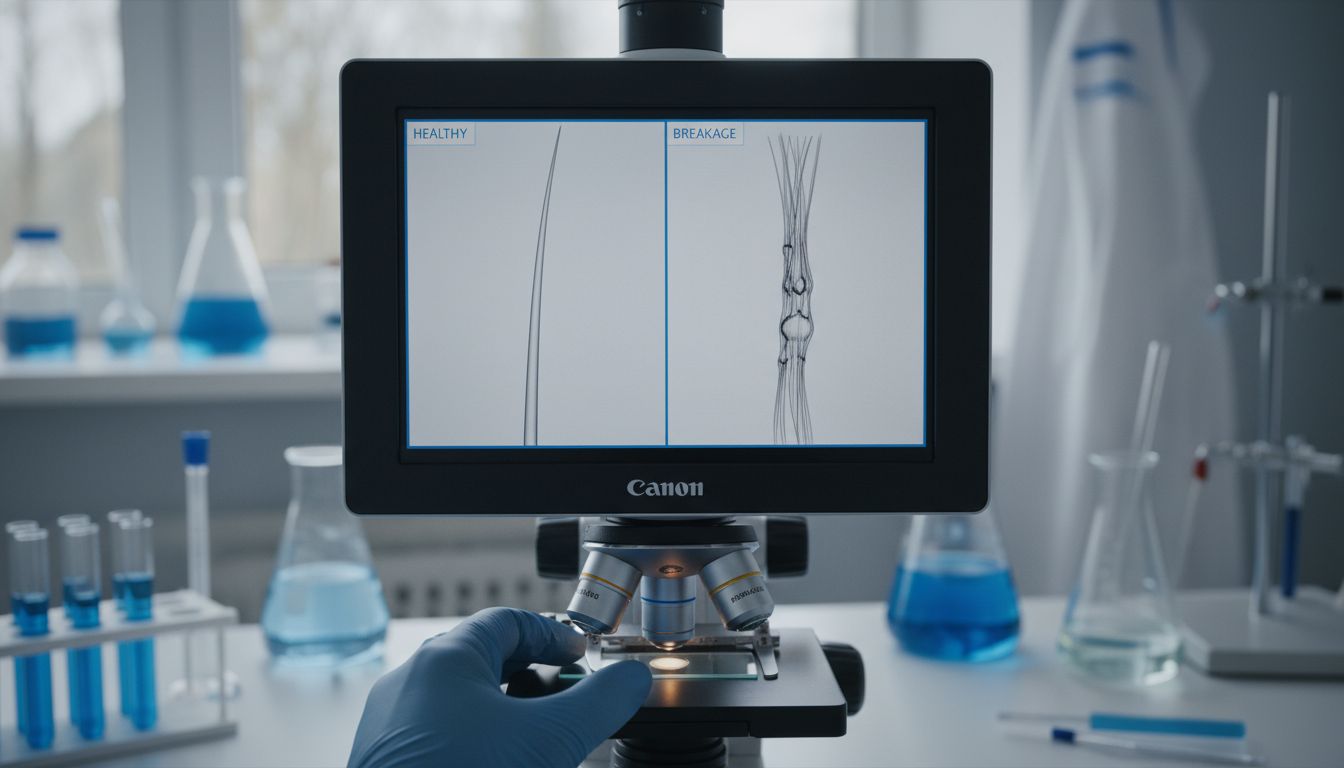
Hair breakage is not a one-size-fits-all condition, but rather a complex issue with multiple distinct manifestations. According to PubMed, hair breakage typically occurs in two primary forms: short fiber fragmentation and longer segment breaks. Short fiber fragmentation happens when microscopic flaws develop within the hair shaft, while longer segment breaks result from impact loading during everyday activities like combing or styling.
One specific and notable type of hair breakage is trichorrhexis nodosa, a condition characterized by distinctive nodes forming along the hair shaft. As research from the American Academy of Family Physicians explains, this type of breakage is uniquely associated with physical or chemical trauma to the hair, creating weak points prone to fracturing.
Different types of hair breakage include:
Here's a summary of the main types of hair breakage and their distinguishing features:
| Type of Breakage | Defining Feature | Main Cause |
|---|---|---|
| Cuticle-level breakage | Surface hair damage | Brushing<br>Environmental stress |
| Cortex-level breakage | Internal shaft damage | Chemical treatments<br>Heat styling |
| Trichorrhexis nodosa | Nodes along hair shaft | Physical or chemical trauma |
| Longitudinal breakage | Split ends | Repeated mechanical action |
| Transverse breakage | Clean break across strand | Sharp tension<br>Impact loading |
- Cuticle-level breakage (surface damage)
- Cortex-level breakage (internal structural damage)
- Trichorrhexis nodosa (nodal breakage)
- Longitudinal breakage (split ends)
- Transverse breakage (clean breaks across hair strand)
Understanding these nuanced differences helps individuals develop targeted hair care strategies. For more in-depth insights into various hair damage mechanisms, explore our guide on understanding hair damage types to learn how to protect and maintain your hair's structural integrity.
Recognizing Signs and Symptoms of Hair Breakage
Identifying hair breakage early can prevent further damage and help maintain healthy hair. According to the American Academy of Dermatology, key signs include frizzy, unhealthy-looking hair, split ends, and the emergence of shorter, broken hair strands. These symptoms indicate that your hair is experiencing structural weakness and requires immediate attention.
A specific diagnostic indicator is trichorrhexis nodosa, a condition characterized by distinctive nodes along the hair shaft. Research from the American Academy of Family Physicians highlights that these nodes represent weak points prone to fracturing, signaling advanced hair damage.
Common signs and symptoms of hair breakage include:
- Increased hair shedding during brushing or styling
- Visible split ends and fraying
- Rough, brittle hair texture
- Difficulty managing or styling hair
- Shorter, uneven hair lengths
- Lack of hair elasticity and shine
- Excessive hair tangling
Recognizing these symptoms early allows for targeted intervention and prevention strategies. For comprehensive guidance on addressing hair breakage, explore our effective hair breakage solutions to help restore your hair's health and strength.
Prevention Strategies and Daily Care Tips
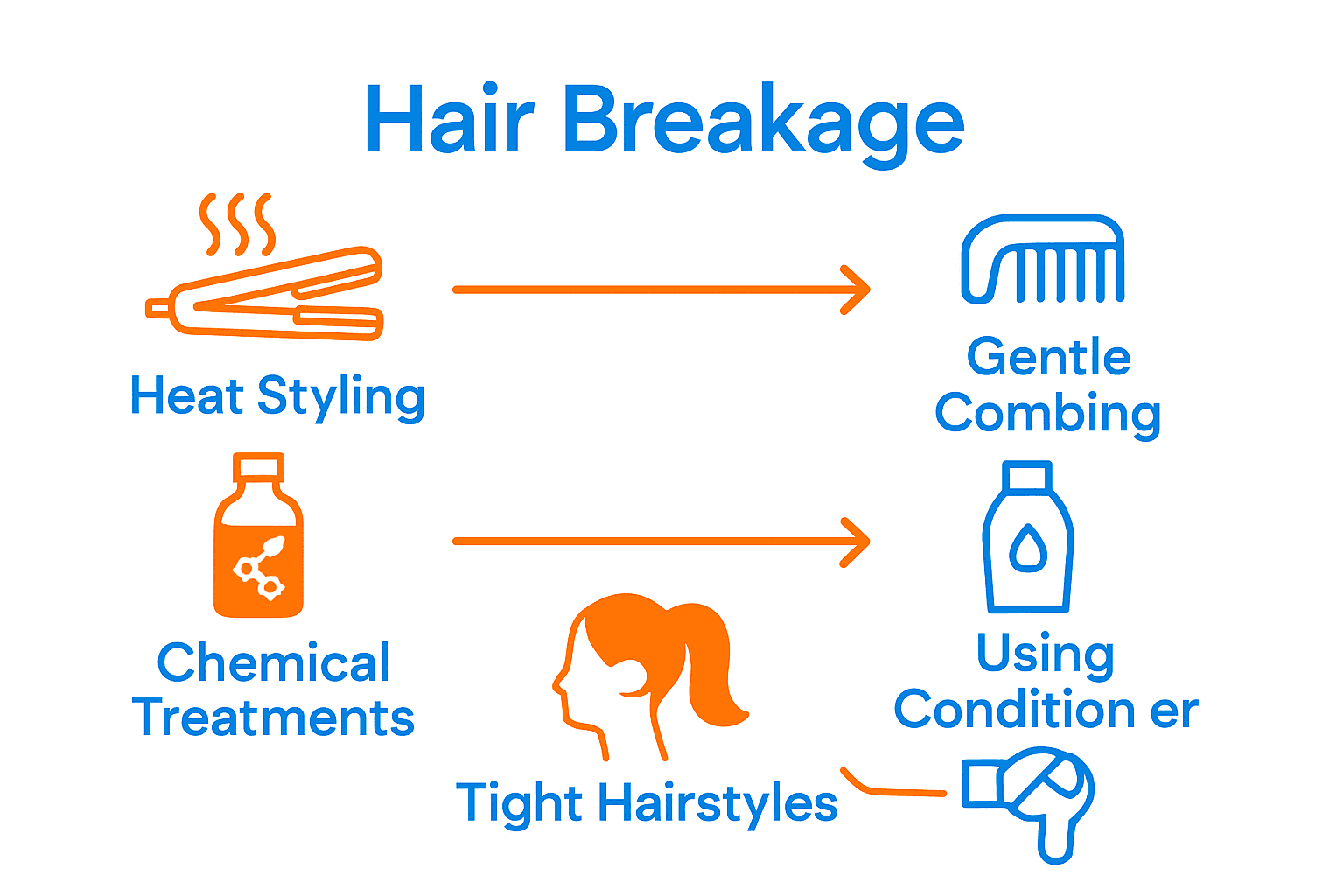
Preventing hair breakage requires a holistic approach to hair care that addresses both daily habits and long-term hair health. According to the American Academy of Dermatology, key prevention strategies include using conditioner after every shampoo, limiting heat styling, and avoiding tight hairstyles that create unnecessary tension on hair strands.
Protecting your hair from environmental and mechanical damage is crucial. Mayo Clinic recommends being exceptionally gentle with your hair, using a detangler, and avoiding harsh treatments like hot rollers and chemical permanents. Ultraviolet protection is another critical aspect of preventing hair damage and maintaining overall hair health.
Comprehensive prevention strategies include:
- Use a wide-tooth comb and detangle gently
- Apply heat protectant before styling
- Minimize chemical treatments
- Deep condition weekly
- Trim hair regularly to remove split ends
- Protect hair from sun and environmental stress
- Stay hydrated and maintain a balanced diet
- Use silk or satin pillowcases to reduce friction
For personalized insights into developing a robust hair care routine, explore our healthy hair care routine guide to help you create a tailored approach to preventing hair breakage.
Advanced Solutions and When to Seek Help
Recognizing when home care strategies are insufficient is crucial in managing hair breakage effectively. According to the American Academy of Dermatology, if changing hair care practices doesn't improve hair health, it's time to consult a dermatologist. These professionals can assess underlying conditions and recommend specialized treatments like targeted topical applications or advanced therapeutic interventions.
Some hair breakage conditions require more targeted medical approaches. Research from the American Academy of Family Physicians highlights that specific conditions like trichorrhexis nodosa demand addressing the root cause, which might involve discontinuing harsh hair treatments or pursuing medical intervention to manage the condition effectively.
Signals that you should seek professional help include:
- Persistent hair breakage despite home care
- Sudden or dramatic increase in hair fragility
- Patches of significant hair thinning
- Scalp inflammation or unusual scalp conditions
- Unexplained changes in hair texture
- Hair breakage accompanied by other health symptoms
- No improvement after 3-6 months of consistent hair care
To understand the depth of your hair health challenges and explore personalized solutions, consider checking out our hair breakage medical causes guide for more comprehensive insights into professional assessment and treatment options.
Protect Your Hair from Breakage with Smart, Personalized Care
Hair breakage can feel frustrating and discouraging, especially when daily styling and care routines seem to do more harm than good. This article showed how delicate your hair strands are and revealed specific breakage types like trichorrhexis nodosa and cuticle-level damage that need targeted attention. If you want to stop the cycle of frayed ends and brittle hair, understanding your unique hair condition is the first step toward real improvement.
Discover how AI-based analysis can bring clarity to your hair health struggles. At MyHair.ai, you get personalized insights based on your own scans that highlight weak spots and risk factors. Use our platform to track your progress and access tailored product recommendations designed specifically to strengthen and restore your hair. Don’t wait for breakage to worsen when you can build a healthier routine today. Take control now by visiting MyHair.ai and start your journey to stronger hair.
For deeper understanding, explore our guides like understanding hairline breakage causes and solutions and effective hair breakage solutions to complement the personalized care you receive.
Frequently Asked Questions
What are the main causes of hair breakage?
The primary causes of hair breakage include excessive heat styling, chemical treatments, tight hairstyles, lack of proper moisture, aggressive brushing techniques, and nutritional deficiencies.
How can I identify if my hair is experiencing breakage?
Signs of hair breakage include increased shedding during styling, visible split ends, rough and brittle texture, shorter uneven lengths, and excessive tangling.
What are some effective prevention strategies for hair breakage?
Effective prevention strategies include using conditioner after shampooing, limiting heat styling, avoiding tight hairstyles, gentle detangling, deep conditioning weekly, and trimming regularly to remove split ends.
When should I seek professional help for hair breakage?
You should seek professional help if hair breakage persists despite at-home care, if there is a sudden increase in hair fragility, visible thinning patches, scalp inflammation, or if you notice significant changes in hair texture accompanied by other health symptoms.