Introduction to Hair Care for African American Hair
When it comes to hair care for African American hair, it often feels like we're part of a secret club where the shared experiences make all the difference. With the unique texture and characteristics of black hair, establishing a tailored regimen can be your golden ticket to healthy, beautiful locks. Trust me; I’ve been down this road, and I know the ins and outs of nurturing our glorious tresses.
Not all hair is created equal, and understanding this is crucial for anyone on a black hair care journey. Our hair tends to be coily, curly, or even super textured, often requiring a blend of moisture, protein, and the right products. It may sometimes feel like a daunting task, but the good news is that with the right knowledge and tools, caring for African American hair can be a fun and rewarding experience.
From hydrating conditioners to nourishing oils, embracing natural hair care for black hair means you’re also embracing your rich heritage. In this guide, we’ll explore the vital aspects of an African American hair care routine—from the basics of shampooing (yes, it’s more complicated than you think!) to the magic of deep conditioning. We’ll also throw in a few products I swear by, along with expert opinions that add credibility to our journey. Together, we’ll uncover how to look after black hair effectively while celebrating its beautiful diversity. So, grab your favorite hair mask, and let’s get started on this fabulous ride through African American hair care!
Understanding African American Hair Types and Needs
Navigating the world of hair care for African American hair starts with understanding our unique hair types and their specific needs. If you’re like me, you’ve probably heard a myriad of terms that describe our fabulous crowns—such as 4A, 4B, and 4C. But what does it all mean? Let’s break it down!

The Curl Spectrum
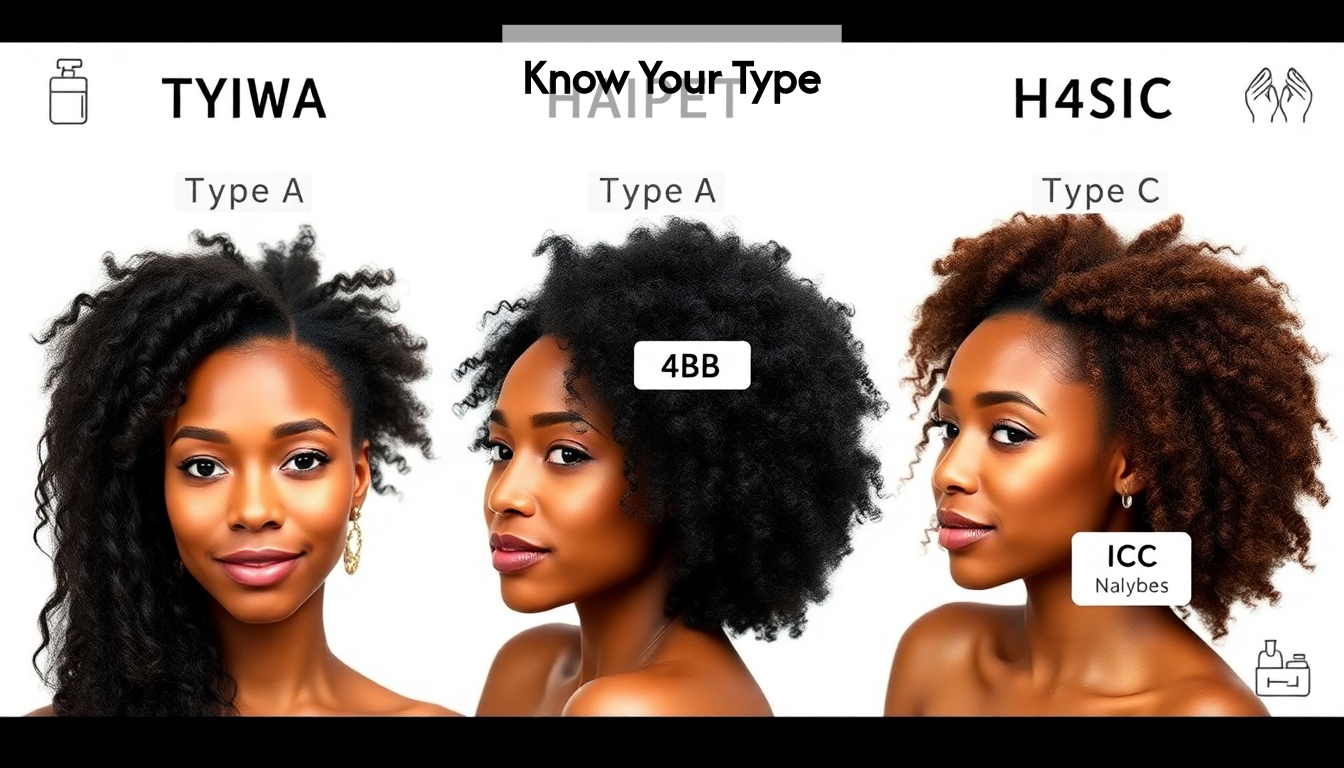
African American hair predominantly falls within the coily and curly categories. It usually has a tighter curl pattern, which can be classified as follows:
- Type 4A: Soft, defined curls that have more moisture retention and a bouncy texture.
- Type 4B: Z-shaped curls that are less defined but full of personality, often referred to as 'kinky'.
- Type 4C: Extremely tightly coiled hair with a more delicate structure, often requiring extra TLC.
Understanding where your hair type fits can guide you in selecting the right products and routines tailored specifically for it. For instance, if you have 4C hair, you’ll need a deep conditioning treatment that packs a punch of hydration, whereas 4A hair might thrive with lighter moisturizers.
Moisture Is Key
Another fundamental aspect of caring for African American hair is realizing just how thirsty our locks can be. Due to its structure, moisture tends to escape more quickly, making hydration a priority in any black hair care routine. This means incorporating regular deep conditioning treatments, using leave-in conditioners, and exploring various oils like argan or coconut oil that help seal in moisture. Remember, hydrated hair is happy hair!
The Importance of Gentle Handling
In addition to moisture, handling our curls with love is crucial. Protective styles and reducing manipulation can lessen breakage and promote growth. As celebrity stylist Ursula Stephen once put it, "Caring for African American hair is not just about the products; it's about understanding the needs of your hair and treating it with respect."
By recognizing the intricacies of our hair types and their needs, we can elevate our hair care for African American hair from a chore to an empowering ritual. With the right knowledge, every twist, coil, or curl can be an expression of our identity and beauty.
Building an Effective Black Hair Care Routine
Now that we’ve delved into understanding African American hair types and their specific needs, it’s time to uncover the art of building an effective black hair care routine. Trust me, establishing a comprehensive regimen can seem overwhelming at first, but once you get into the groove, it’s all about the joy of self-care and nurturing those gorgeous tresses!
Step 1: Cleansing
The foundation of any hair care routine is cleansing. Now, I know what you might be thinking—"Wait, don’t we shampoo too much already?" And you’re right! Overwashing can strip away those essential oils that our hair craves. Aim for a gentle sulfate-free shampoo once every two weeks to avoid dryness. In between washes, co-washing (using a conditioner to cleanse) can help maintain moisture levels without the harsh effects of shampoo.
Step 2: Deep Conditioning
Next up, deep conditioning is your secret weapon in the quest for lush, hydrated locks. Make it a non-negotiable part of your black hair care routine! Opt for a thick, creamy mask that focuses on hydration and nourishment. Every week, take 20-30 minutes (because we all need a little ‘me time’), slather that goodness onto your hair, and let it work its magic. A wise friend once said, "Treat your hair like a work of art—nourish and care for it regularly!"
Step 3: Moisturizing
Moisturization is key to caring for African American hair. After your wash day, ensure you lock in moisture with a leave-in conditioner, followed by a light oil or cream to seal everything in. The LOC method (Liquid, Oil, Cream) is quite popular in the community and works wonders for many. And let's not forget the joy of braiding or twisting to keep moisture in and create stunning styles!
Step 4: Protecting
Lastly, don’t underestimate the benefits of protective styles. Regularly wearing braids, twists, or buns can shield your hair from environmental damage and reduce breakage. Plus, they’re perfect for maintaining length! Just be sure to give your scalp some love too—don't forget to oil it regularly.
Putting It All Together
Creating an effective black hair care routine aligns perfectly with the mantra of consistency and gentleness. Along with these steps, remember to listen to your hair—if it’s feeling dry, bump up your moisturizing game or switch up your products. With time, patience, and a sprinkle of creativity, your journey in African American hair maintenance can be one filled with confidence and pride.
Natural Hair Care Techniques for Black Hair
As we venture deeper into the world of hair care for African American hair, it’s time to unleash the magic of natural hair care techniques. Embracing our hair’s natural state not only boosts its health but also lets our true beauty shine through. Let’s explore some tried-and-true techniques that’ll make your curls and coils sing!
1. Pre-Pooing
If you haven’t heard of the pre-poo method yet, let me tell you—it’s a game changer! Pre-pooing is essentially applying a nourishing oil or conditioner to dry hair before shampooing. This step helps to create a barrier against the harshness of cleansing ingredients in shampoos. You can use coconut oil, olive oil, or even a commercial pre-poo treatment. Leave it on for at least 30 minutes (or even overnight if you’re feeling fancy) before rinsing and shampooing as usual. Your hair will thank you for the extra love!
2. The Power of the LOC Method
As mentioned before, the LOC method is often the holy grail of moisturizing techniques. This simple method involves layering your products in the following order:
- Liquid: Start with a hydrating spray or leave-in conditioner to dampen your hair.
- Oil: Next, apply a lightweight oil (like jojoba or argan) to lock in moisture.
- Cream: Finally, seal everything in with a thicker cream or butter to prevent moisture loss.
This technique can make all the difference, especially for those of us with drier hair types!
3. Protective Styling in Styles that Shine
Natural textures are beautiful, but they can also be delicate. Protect your curls by rotating between styles like braids, twists, and buns to minimize manipulation. What’s even better? These styles can be accessorized to showcase your personality! Personally, I love adding colorful scarves or statement clips that elevate the look while keeping my hair safe.
4. Scalp Care is Self-Care
We often focus on our hair, but our scalp deserves love too! Incorporate gentle exfoliation into your routine—use a scalp scrub or a mixture of sugar and oil to remove product buildup and promote healthy circulation. Your scalp is the foundation of your hair growth, so treat it with the care it deserves. Once you’ve scrubbed your way to a clean slate, follow up with a light massage to stimulate those hair follicles.
5. Embrace the Wind Down
Before bedtime, make it a habit to wrap your hair in a satin or silk scarf or sleep on a satin pillowcase. This small adjustment can significantly reduce friction, helping to prevent breakage and frizz. Plus, waking up to well-maintained curls is one of life’s little joys!
Putting the Techniques into Action
Natural hair care techniques for black hair are all about simplicity and sustainability. By incorporating these practices into your routine, not only are you investing in the health of your hair, but you're also celebrating its true nature. So, let’s embrace those kinks, curls, and waves with confidence and style!
African American Hair Maintenance: Best Practices
When it comes to hair care for African American hair, maintaining your lock's health and vitality is an ongoing commitment—and it can be incredibly rewarding! I like to think of hair maintenance as a relationship: it requires effort, patience, and a little bit of love. Here are some best practices that I’ve gathered through trial, error, and a lot of fabulous hair days!
1. Regular Trims
Let’s kick things off with one of the most important yet often overlooked aspects of African American hair maintenance—regular trims! Even if you’re trying to grow your hair out, trimming those pesky split ends every eight to 12 weeks will help prevent further breakage and keep your hair looking fresh. Think of it like pruning a plant: it encourages healthier, fuller growth!
2. Stay Hydrated
Now, I know what you’re thinking: "Hydration? Isn’t that just for skin?" Oh, my friend, hydration is key to both! Make sure you’re drinking plenty of water, as proper hydration can work wonders for your hair’s moisture levels, helping to combat dryness. Pair that with a deep conditioning routine, and you’ll feel like the Queen (or King) you are!
3. Be Mindful of the Weather
Every season brings its own challenges. Whether it’s the harsh winter winds or the scorching summer sun, your hair battles environmental factors daily. Consider using a UV protectant spray in warmer months and a heavier oil or cream during winter to combat dryness. Remember, the climate affects how we care for African American hair, so be proactive!
4. Changing Your Hair Products
Just like our skin needs different products as seasons change, so does our hair! Regularly reassess the products you use; what works beautifully one month may not cut it the next. Look out for changes in your hair’s texture or moisture, and don’t be afraid to experiment! Make sure to read those ingredient labels and favor products free from sulfates and parabens for better overall health.
5. Listen to Your Hair
The most crucial maintenance tip is to listen to your hair! Sounds simple, right? But it’s true; your hair often tells you what it needs. If it feels dry or brittle, then it’s time to amp up the moisture. If your curls are feeling weighed down, switch to a lighter product. Keeping track of how your hair responds to various routines and products will streamline the care of African American hair.
6. Consult a Professional
Lastly, don’t hesitate to consult with a hairstylist who specializes in African American hair care. They can provide personalized advice and help you navigate through your unique hair journey. Plus, who doesn’t love a good salon day? It’s practically a mini-vacation!
Conclusion
By integrating these best practices into your African American hair maintenance routine, you can keep your curls, coils, and waves in tip-top shape. Maintaining your hair shouldn’t feel like a chore; it should be a delightful experience that celebrates the beauty of your heritage. So, let’s raise our hair game and strut through life with confidence!
Common Myths and Misconceptions about African American Hair Care
As we embark on the journey of understanding hair care for African American hair, it’s crucial to address the common myths and misconceptions that can cause confusion and hesitation. Too often, these myths get in the way of properly caring for black hair. Let's debunk some of these misguided beliefs so we can embrace our beauty more fiercely!
Myth 1: "Black Hair Doesn't Need Moisture"
One of the most prevalent misconceptions is that African American hair doesn’t need moisture because it’s naturally oily. In reality, our hair’s unique structure often prevents natural oils from traveling down the hair shaft, making it more prone to dryness. Moisture is key! Incorporating deep conditioning and regular moisturizing routines is essential for keeping our hair hydrated and healthy. Remember what I always say, "Moisture is your best friend!"
Myth 2: "You Shouldn't Wash Black Hair Regularly"
Let’s set the record straight: washing your hair too infrequently can lead to buildup and make those fabulous curls appear dull and lifeless. While it’s true that some may choose to wash their hair less often due to its texture, most experts agree that a regular cleansing routine—about every one to two weeks—help maintain scalp health and promote hair growth. Co-washing between washes can also be a fantastic way to keep the hair clean and hydrated.
Myth 3: "Protective Styles Don't Let Your Hair Breathe"
Some people believe that protective styles like braids or wigs suffocate the hair. Truth be told, protective styles are designed to minimize manipulation, reduce breakage, and aid in growth. While it’s crucial to maintain scalp health underneath these styles, they can be beneficial when done right. So feel free to switch it up with various protective styles to keep those curls protected and stylish!
Myth 4: "All Hair Products are Created Equal"
This myth often leads to hair disasters! The products that work wonders for one person might cause another's hair to look and feel like a frizzy mess. Experimentation is key here. Everyone’s hair is unique, so it's essential to find products tailored for your specific hair type. Read labels, research ingredients, and consult with professionals to find what fits your every need.
Myth 5: "Heat is Always Bad for Black Hair"
While it’s crucial to be cautious with heat, it's not the enemy! When used properly, heat styling tools can give you beautiful results without damaging your hair. The secret lies in the 80/20 rule: 80% of the time should be dedicated to heat-free styling methods, while using heat sparingly and with protection can still allow you to achieve those gorgeous looks you desire.
Myth 6: "You Can’t Transition from Relaxed to Natural Hair"
Many believe that transitioning from relaxed to natural hair is a daunting and journey filled with drama or inherent failure. The truth? Transitioning is totally doable! With the right mindset, a solid regimen, and support from the natural hair community, many women and men make the jump smoothly. There’s no rush; take it at your own pace, and you’ll embrace the beauty of your natural texture in no time!
Conclusion
As we dispel these common myths and misconceptions about African American hair care, remember that knowledge is power! By understanding what truly benefits our hair, we can confidently embrace our natural beauty and implement healthy hair care practices. Let's continue to educate ourselves and foster a supportive community that celebrates our amazing hair, and keep rocking those stunning looks!
Conclusion: Embracing and Celebrating African American Hair
At the end of our journey through the intricacies of hair care for African American hair, one thing emerges loud and clear: our hair is a beautiful tapestry woven with culture, history, and individuality. Embracing and celebrating African American hair is more than just a beauty routine; it is a declaration of self-love and pride.
Throughout this guide, we’ve explored the unique characteristics of African American hair, learned to build effective care routines, discovered natural techniques, and debunked myths that have held us back for too long. Every twist, coil, and curl tells a story that deserves to be cherished, and it’s high time we gave ourselves permission to embrace it wholeheartedly.
Celebrate Your Unique Journey
The journey to understanding and caring for your hair is unique to each of us. In a world that often pushes unrealistic standards, let’s stand tall and be our authentic selves. Celebrate those moments: the satisfaction of finding that perfect product, the joy of a fresh haircut, or the pride you feel in a bold new style. Share your experiences, your successes, and even your flops with friends or the larger community—after all, we’re all in this together!
Join the Movement
Join the movement of self-acceptance and empowerment surrounding African American hair. As we honor our roots, let’s uplift one another by sharing tips, styles, and inspiration that help each of us shine. Seek out and support brands and products that respect our hair’s needs, and advocate for more representation of natural hair in media and beauty standards.
In Conclusion
Every strand of our hair is a thread in the rich tapestry of who we are. Caring for African American hair is not just about maintenance; it is about celebrating the diversity and beauty that comes with it. So let’s continue to embrace our individuality, rock those stunning styles, and share the love for our beautiful, unique textures. Remember, confidence is key; when we wear our hair with pride, we illuminate the world around us. So go out there, flaunt your fabulous mane, and let your hair be a statement of your thriving spirit!
Frequently Asked Questions
What are the different types of African American hair?
African American hair is generally categorized into three main types: 4A, which has soft, defined curls; 4B, characterized by Z-shaped curls that are less defined; and 4C, which consists of extremely tightly coiled hair. Understanding your hair type helps in choosing the right products and care regimen.
How often should I wash my African American hair?
It's recommended to wash African American hair every one to two weeks with a gentle, sulfate-free shampoo. In between washes, co-washing with conditioner can help maintain moisture without stripping the natural oils.
What is the LOC method for hair care?
The LOC method stands for Liquid, Oil, and Cream. It's a moisturizing technique where you first apply a hydrating liquid, followed by an oil to lock in moisture, and finally a cream or butter to seal it all in, promoting hydration and reducing dryness.
Why is moisture important for African American hair?
Moisture is crucial for African American hair because its unique structure can lead to faster moisture loss. Keeping hair well-hydrated helps prevent dryness, breakage, and promotes overall hair health. Regular deep conditioning treatments and the use of oils can help maintain optimal moisture levels.
Unlock Your Hair's True Potential with Myhair.ai!
As you journey through establishing a tailored regimen for your beautiful African American hair, you know that moisture is essential, and understanding your unique curl type is key to nurturing your locks. However, tracking your progress and recognizing when your hair needs a little extra love can be challenging, especially considering the diverse needs mentioned in our guide. This is where Myhair.ai comes into play! 🌟
Experience the power of AI-driven hair care with personalized assessments that align with the goals you’ve set. Upload images of your stunning curls, and let our cutting-edge technology provide:
- Tailored product recommendations based on your hair type (4A, 4B, or 4C) and specific issues like dryness or breakage.
- Insights into hair conditions and customized routines that support your moisture journey.
- Consultation options with certified hair specialists who can guide you on your path to hair health.
Don't settle for guesswork when you can gain clarity! Ready to make the leap towards nurturing your natural beauty? Visit Myhair.ai and start your journey towards healthier, happy hair today! Your beautiful tresses deserve nothing less.