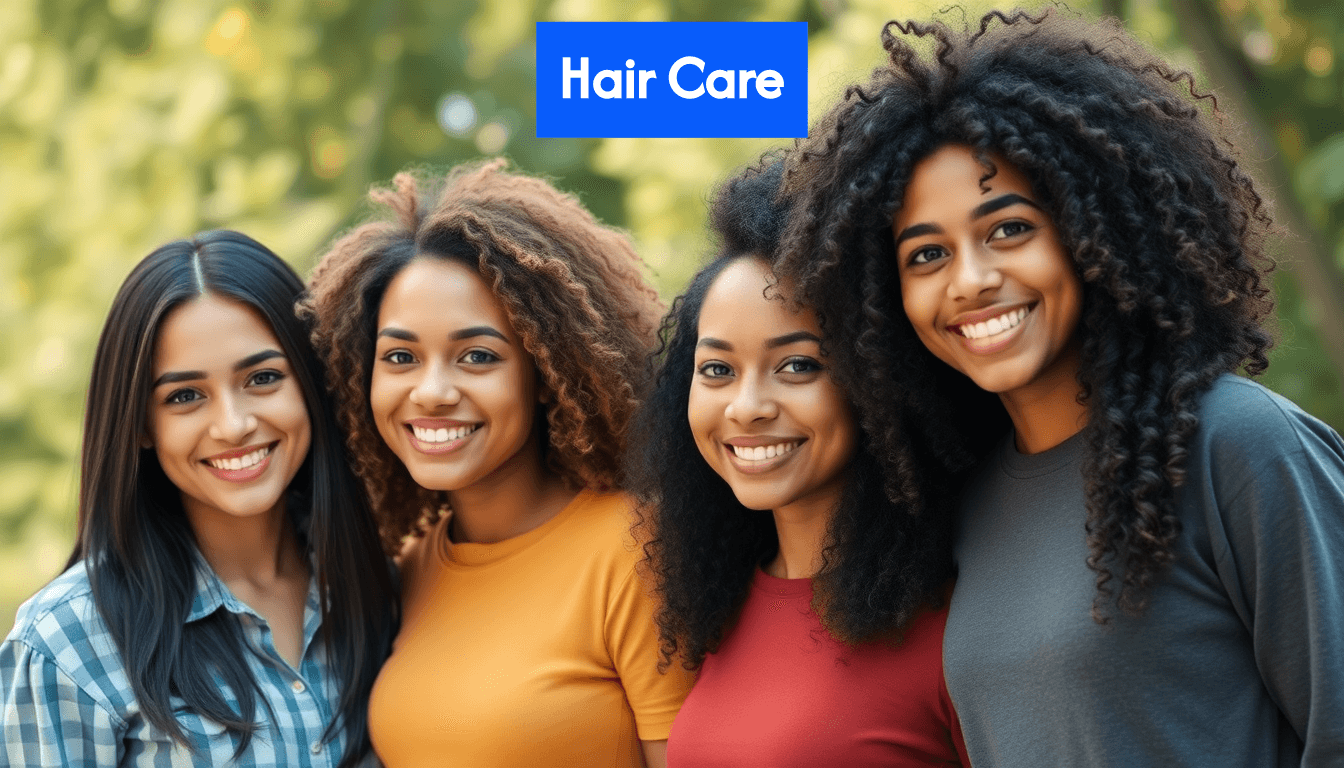
Understanding your hair type is the secret to gorgeous locks. Many spend years guessing their routine and wasting products, but here is the catch. Over 40 percent of people with thick hair suffer from damage caused by improper care tailored to their hair characteristics. The surprising truth is that simple adjustments, based on your unique hair traits beyond just curl pattern, can prevent damage and make daily care effortless and effective.
Table Of Contents
- Understanding Your Hair Type
- Daily Hair Care Essentials
- Natural Ingredients and Products
- Tips for Damage Prevention
- Quick Styling and Maintenance
Quick Summary
| Takeaway | Explanation |
|---|---|
| Understanding Hair Types is Essential | Recognizing your specific hair type and its characteristics (curl pattern, porosity, density, etc.) allows for effective customization of your hair care routine, preventing frustration and damage. |
| Daily Hair Care Essentials Matter | Implementing proper cleansing techniques, conditioning, gentle detangling, and protection against environmental stressors creates a solid foundation for healthy hair, tailored to your hair type. |
| Natural Ingredients Are Beneficial | The resurgence of natural hair care products reflects a desire for healthier and more sustainable options, including plant oils and herbal extracts that can nourish and protect hair. |
| Damage Prevention is Key | Incorporating strategies to prevent mechanical, heat, chemical, and environmental damage can maintain hair health more effectively than trying to repair existing damage. |
| Quick Maintenance Techniques Save Time | Developing time-saving morning routines, refresh techniques, and having emergency fixes can help maintain healthy and stylish hair without consuming excessive time in your daily schedule. |
Understanding Your Hair Type
Recognizing your specific hair type is the cornerstone of an effective hair care routine. Without this fundamental knowledge, you might inadvertently use products and techniques that work against your hair's natural characteristics rather than enhancing them. This mismatch often leads to unnecessary frustration, wasted money, and damaged hair that could have been easily avoided.
The Four Main Hair Types
Hair classification systems typically categorize hair into four main types, with several subtypes within each category. Understanding where your hair falls on this spectrum allows you to customize your hair care recommendations specifically to your needs.
Type 1 hair is straight, ranging from fine and thin to coarse and thick. This hair type typically appears shiny as natural oils can easily travel from scalp to ends. While Type 1 hair often looks healthy and vibrant, it can struggle with volume and may become oily quickly. Your daily hair care routine for this hair type should focus on lightweight products that won't weigh your hair down.
Type 2 hair features gentle waves, from loose bends to more defined S-patterns. This hair type often battles with frizz and can appear either flat at the roots or puffy depending on humidity levels. A good hair routine for wavy hair balances moisture and protein while avoiding heavy products that might straighten out natural waves.
Type 3 hair forms definite curls, from loose spirals to tight corkscrews. This hair type naturally tends toward dryness as scalp oils have difficulty traveling down the curved hair shaft. Your hair care regime should prioritize moisture retention and defining curls without creating stiffness or crunch.
Type 4 hair has the tightest curl pattern, forming coils or zigzags. This hair type is remarkably versatile but requires consistent moisture to maintain health and prevent breakage. The best hair washing routine for Type 4 hair often involves less frequent shampooing and emphasizes deep conditioning treatments.
Beyond Curl Pattern: Other Important Characteristics
While curl pattern provides a starting point, several other characteristics significantly impact your optimal hair care routine:
Porosity refers to your hair's ability to absorb and retain moisture. According to research from a multinational study, differences in porosity can significantly impact how your hair responds to products. Low porosity hair resists moisture but retains it well once absorbed. High porosity hair quickly absorbs products but may lose moisture just as rapidly.
Density describes how many individual strands you have on your scalp. This characteristic determines whether your hair appears thin or thick overall. The same study found ethnic differences in hair thickness, with the highest prevalence of thick hair in African populations (40.7%) and the lowest in Asian populations (26.3%).
Texture refers to the thickness of individual strands. Fine hair requires gentle handling and lightweight products, while coarse hair typically needs richer formulations to maintain moisture balance.
Elasticity indicates how well your hair stretches and returns to its original state without breaking. Good elasticity generally signals healthy hair that can withstand styling without damage.
Understanding these characteristics allows you to move beyond generic advice and develop a simple hair care routine that addresses your specific needs. For example, high porosity, fine-textured curls require different products than low porosity, coarse straight hair, even though both might struggle with frizz.
Take time to observe your hair when wet and dry, how it responds to different weather conditions, and how quickly it absorbs products. These observations will guide you toward creating the most effective everyday hair care routine for your unique needs.
Daily Hair Care Essentials
Developing a consistent hair care routine is fundamental to maintaining healthy, vibrant hair. While your specific hair type dictates many aspects of your routine, certain essential practices benefit all hair types. These daily hair care essentials form the foundation of any effective hair care regime, regardless of whether you have straight, wavy, curly, or coily hair.
Proper Cleansing Techniques
Cleansing your hair effectively removes buildup without stripping natural oils. However, the frequency and products you use should align with your hair type. According to dermatology research, inadequate cleansing leads to product buildup and scalp issues, while over-cleansing can damage your hair's natural protective barrier.
For those with straight or fine hair that tends to become oily quickly, daily or every-other-day washing may be appropriate. Those with coarser textures or tightly curled hair might benefit from washing just once or twice a week, as natural oils take longer to travel down curved hair shafts. When selecting shampoo, those with dry, damaged, or textured hair should choose products with gentle nonionic or amphoteric surfactants, while those with oilier hair may tolerate stronger anionic surfactants.
Regardless of hair type, focus shampoo application on your scalp rather than the lengths of your hair. Massage gently with fingertips rather than scratching with nails, which can damage the scalp and hair follicles. Rinse thoroughly—residual product can cause irritation and buildup that undermines your hair care routine.
Conditioning for Hair Health
Conditioning is non-negotiable in any good hair routine. Conditioners seal the cuticle, add moisture, reduce friction, and protect against damage. While all hair benefits from conditioning, how you apply it varies by hair type.
Fine hair typically needs lightweight conditioners applied primarily to the ends to avoid weighing hair down. Coarser, curlier hair often requires richer formulations applied more generously throughout the lengths. Regardless of your hair type, allow your conditioner to remain on your hair for the recommended time—typically 1-3 minutes—before rinsing. This ensures the product can properly penetrate the hair shaft.
For those with particularly dry or damaged hair, incorporating a weekly deep conditioning treatment into your hair treatment routine can provide additional restoration. These treatments contain higher concentrations of nourishing ingredients and are designed to remain on the hair longer for maximum benefit.
Gentle Detangling Practices
Detangling is where many hair care routines go wrong. Aggressive brushing or combing, especially when hair is wet and vulnerable, can cause breakage and split ends that no product can truly repair.
Start detangling from the ends and gradually work up to the roots. For most hair types, a wide-tooth comb or a brush specifically designed for wet hair minimizes breakage. Those with curlier textures might find finger detangling most gentle, using a slippery conditioner to reduce friction.
When possible, allow hair to partially air dry before detangling. Hair is at its most fragile when saturated with water, making it prone to stretching and breaking. If you must detangle wet hair, use plenty of conditioner or a detangling product for slip.
Protection Against Environmental Stressors
Daily exposure to sun, wind, pollution, and heat styling tools can significantly damage hair over time. Incorporating protective products into your simple hair care routine creates a barrier between your hair and these damaging elements.
Leave-in conditioners and hair oils seal moisture into the hair shaft while adding a protective layer. For those who regularly heat style, a heat protectant spray is essential—these products coat the hair with ingredients that buffer against high temperatures.
Consider your specific lifestyle when selecting protective products. If you swim regularly, pre-wet your hair and apply conditioner before entering chlorinated water. If you're frequently outdoors, look for products with UV protection to prevent sun damage, which can lead to color fading and brittleness.
By mastering these daily hair care essentials and adapting them to your specific hair type and lifestyle, you create the foundation for a healthy haircare routine that supports your hair's natural beauty. Remember that consistency matters more than complexity—a simple routine followed faithfully will typically yield better results than an elaborate regimen followed sporadically.
Natural Ingredients and Products
The shift toward natural ingredients in hair care products represents more than just a passing trend—it's a return to the historical foundations of cosmetics and personal care. For centuries before the advent of synthetic chemicals, people across civilizations relied exclusively on botanical extracts, oils, and minerals to nourish and beautify their hair.
The Resurgence of Natural Hair Care
While synthetic ingredients dominated much of the 20th century's hair care landscape, recent decades have witnessed a significant revival of interest in natural alternatives. This renewed focus isn't merely nostalgic but reflects growing consumer awareness about both personal health and environmental sustainability.
According to research on cosmetic ingredient history, the natural movement in cosmetics gained substantial momentum in the 1990s and 2000s, driven primarily by consumer demand rather than industry innovation. This shift reflected increasing concerns about potential long-term effects of synthetic chemicals like sulfates, silicones, parabens, and artificial fragrances that had become standard in hair care formulations.
Today's best hair routines often incorporate products with plant-based ingredients that offer multiple benefits without harsh side effects. The sustainability aspect of this movement cannot be overlooked—as consumers become more environmentally conscious, the ecological footprint of hair care products has become an important consideration in purchasing decisions.
Key Natural Ingredients for Healthy Hair
Certain natural ingredients have proven particularly effective in addressing various hair concerns, earning them prominent places in modern hair care recommendations:
Plant Oils and Butters: Coconut oil penetrates the hair shaft to reduce protein loss and strengthen hair from within. Argan oil, rich in vitamin E and fatty acids, helps restore elasticity while protecting against environmental damage. Shea butter provides intensive moisture for dry, brittle hair without creating heaviness.
Herbal Extracts: Aloe vera soothes the scalp and balances pH levels while adding lightweight hydration. Horsetail extract contains silica that may strengthen hair strands and promote growth. Rosemary stimulates the scalp and is being studied as a natural alternative for encouraging hair growth in some cases.
Protein Sources: Hydrolyzed proteins from rice, silk, or wheat can temporarily repair damaged areas of the hair shaft, improving strength and elasticity. These natural proteins work by filling in gaps in the hair cuticle, reducing porosity and increasing resilience.
Essential Oils: Tea tree oil offers antimicrobial properties that help maintain scalp health. Lavender contributes gentle cleansing properties while providing a natural fragrance alternative. Peppermint can stimulate blood flow to hair follicles while creating a refreshing sensation.
Creating a Natural Hair Care Routine
Transitioning to a more natural hair care regime doesn't require abandoning your entire routine overnight. Begin by identifying the products you use most frequently and research natural alternatives that address the same concerns. A simple hair care routine using natural products might include:
- A sulfate-free shampoo containing botanical cleansers like coco glucoside or decyl glucoside
- A silicone-free conditioner featuring plant oils and butters for moisture
- A leave-in treatment with herbal extracts targeted to your specific hair needs
- Natural styling products that use plant-derived ingredients rather than synthetic polymers
Be mindful that natural doesn't automatically mean gentle or appropriate for everyone. Some botanical ingredients can cause sensitivity or allergic reactions in certain individuals. Always patch test new products, especially those containing essential oils or plant extracts you haven't used before.
Reading Labels Effectively
Navigating product claims about "natural" formulations requires some knowledge. Unlike terms like "organic" or "certified organic," the word "natural" itself has no standardized regulatory definition in the cosmetics industry. A truly good hair routine incorporates products with transparent ingredient lists rather than vague marketing terms.
Look beyond front label claims and examine ingredient lists carefully. Ingredients appear in descending order by concentration, so the first few ingredients constitute the bulk of the product. If water (aqua) is followed immediately by synthetic detergents or silicones, with natural ingredients appearing only at the end of the list, the product likely contains minimal natural content despite its marketing.
By understanding which natural ingredients benefit your specific hair type and concerns, you can develop an effective daily hair care routine that aligns with both your personal health priorities and environmental values. The best hair care recommendations balance efficacy, safety, accessibility, and sustainability—a balance that thoughtfully selected natural products can often achieve.
Tips for Damage Prevention
Preventing hair damage is significantly easier than repairing it. Once hair becomes damaged, products can temporarily mask the issues, but true repair often requires growing new, healthy hair. By incorporating preventative measures into your daily hair care routine, you can maintain stronger, healthier hair that requires less intensive treatment.
Mechanical Damage Prevention
Mechanical damage occurs through physical manipulation of hair and represents one of the most common causes of hair breakage and split ends. Simple adjustments to how you handle your hair can dramatically reduce this type of damage.
Brush with intention, not aggression. Start by using the right tools—wide-tooth combs for wet hair and brushes with flexible bristles for dry hair. When detangling, always work from the ends upward rather than pulling from roots to tips, which can snap hair strands. For those with curly or coily hair types, finger detangling often provides the gentlest approach.
Adjust your hairstyling practices to minimize tension. Tight ponytails, buns, braids, and extensions can cause traction alopecia—hair loss resulting from constant pulling on the hair follicle. Vary your hairstyle positioning and opt for fabric hair ties without metal components that can snag and break hair. If you regularly wear protective styles, ensure they're not installed too tightly and give your hair breaks between installations.
Overnight protection deserves attention in any good hair routine. Cotton pillowcases create friction that can rough up the hair cuticle and cause breakage. Switch to silk or satin pillowcases or wear a silk/satin bonnet or head wrap to minimize friction while you sleep. This simple change protects both your hair's moisture content and its structural integrity.
Heat Damage Minimization
Heat styling tools can transform your look but often at a significant cost to hair health. While eliminating heat styling completely provides the ultimate protection, realistically, many people incorporate these tools into their hair care regime. The key is minimizing the potential damage.
Always use heat protectant products before applying any hot tools. These products create a barrier between your hair and the heat source, reducing direct damage to the hair shaft. Look for protectants that shield against your typical styling temperature—some are formulated for low heat while others protect against the extreme temperatures of flat irons.
Lower the temperature whenever possible. Most styling tools don't need to be used at their maximum setting to be effective. Fine or chemically processed hair may require only 300°F (149°C), while coarser textures might need up to 380°F (193°C). Anything above 400°F (204°C) risks significant damage to most hair types. Invest in tools with precise temperature controls rather than high/low settings.
Minimize frequency and duration of heat exposure. Allow your hair to partially air dry before blow-drying, and limit heat styling to once or twice a week rather than daily. Consider incorporating heatless styling techniques like twist-outs, braid-outs, or roller sets into your hair treatment routine to reduce dependency on thermal styling.
Chemical Damage Prevention
Chemical processes like coloring, perming, relaxing, and keratin treatments alter your hair's structure and can significantly compromise its strength and elasticity. While these treatments can transform your appearance, they require careful management to prevent excessive damage.
Space out chemical services appropriately. Hair needs recovery time between treatments—typically 8-12 weeks minimum between color sessions and 12-16 weeks between chemical texturizing treatments. Attempting to process hair too frequently leads to cumulative damage that becomes increasingly difficult to manage.
Choose gentler formulations when possible. For color, consider demi-permanent options or highlights instead of full permanent color. If you must perform multiple chemical services (like coloring and perming), work with a professional who understands how to properly time and sequence these treatments to minimize overlap damage.
Rebalance your hair care routine after chemical treatments. Chemically processed hair typically needs more protein for strength and additional moisture for elasticity. Your daily hair care routine should adjust accordingly, often incorporating regular protein treatments and deeper conditioning sessions.
Environmental Protection Strategies
Environmental elements—sun, wind, chlorine, salt water, pollution—silently damage hair over time. A comprehensive hair care daily routine includes protection against these often-overlooked factors.
Shield your hair from UV damage with products containing UV filters or by wearing hats when outdoors for extended periods. UV exposure breaks down the hair's protein structure and fades color-treated hair more quickly than almost any other factor.
Rinse before and after swimming to prevent damage from chlorine or salt water. Wet hair absorbs less pool or ocean water than dry hair. Additionally, applying a leave-in conditioner before swimming creates a barrier between your hair and these potentially damaging elements.
Incorporate regular clarifying treatments to remove environmental buildup. Pollution particles, hard water minerals, and product residue can accumulate on the hair, causing dullness and preventing moisture absorption. A monthly clarifying treatment keeps your hair fresh and receptive to conditioning treatments.
By proactively implementing these damage prevention strategies, you create the foundation for a simple hair care routine that maintains your hair's health rather than constantly trying to repair ongoing damage. Prevention truly is the most effective element of any hair care recommendations.
Quick Styling and Maintenance
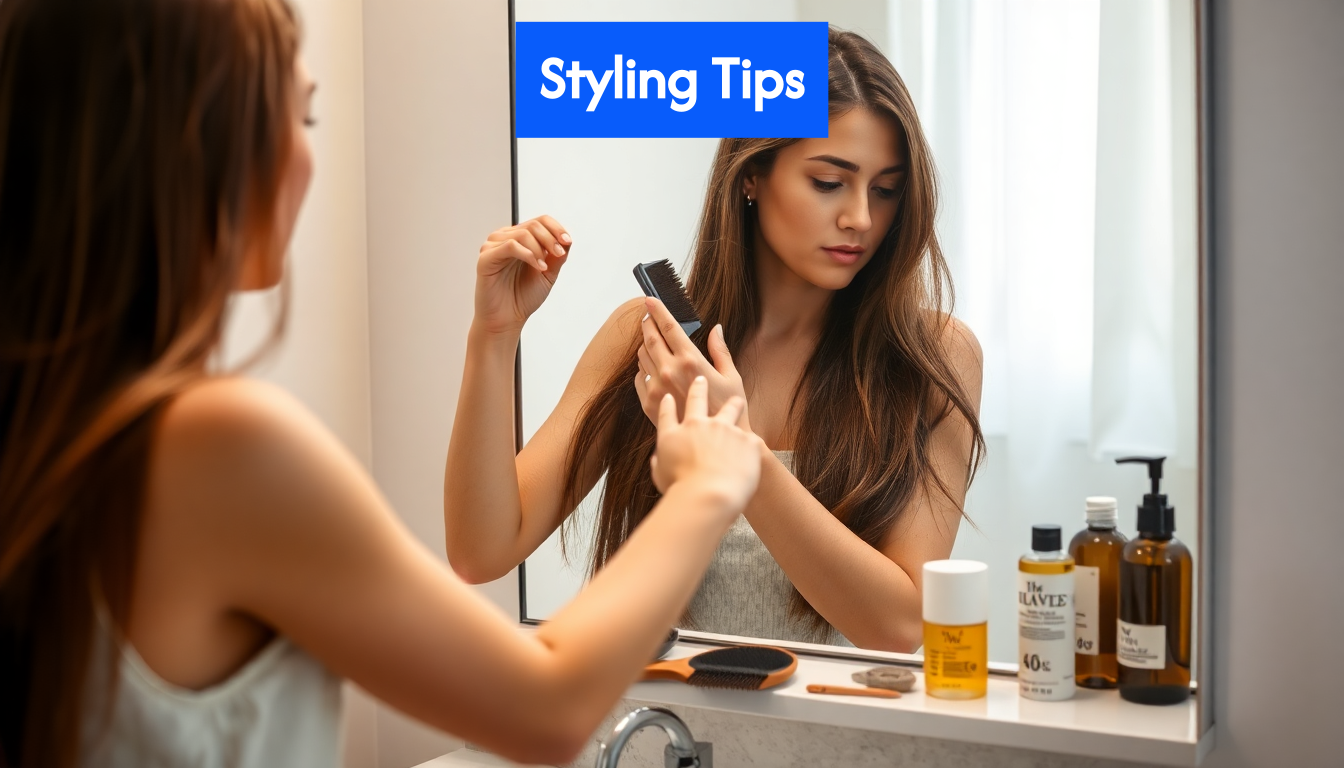
Even with the best intentions for hair care, busy schedules often make elaborate styling routines impractical. Fortunately, you can maintain healthy, attractive hair without spending hours on daily maintenance. The key is developing efficient techniques that work with your hair type rather than against it, saving both time and potential damage from excessive manipulation.
Time-Saving Morning Routines
The foundation of quick styling begins with preparation. Many people discover that their best hair days come from groundwork laid the night before. For those with straight or wavy hair, sleeping with hair loosely twisted in a bun on top of your head can create natural waves by morning. Those with curly textures might find that "pineappling" (gathering hair loosely at the crown) preserves curl definition overnight.
Keep a curated collection of styling products within easy reach. Rather than experimenting with different products each day, identify your go-to essentials that reliably deliver results for your hair type. For most people, this might include a leave-in conditioner, a styling cream or oil, and perhaps one styling product for hold or definition. Having these staples readily available streamlines your routine.
Master a few versatile five-minute styles appropriate for your hair length and texture. Simple options that work for many hair types include:
- Low bun or ponytail with face-framing pieces pulled out
- Half-up styles secured with decorative clips or pins
- Twisted crown styles that keep hair off the face while showcasing length
- Quick braided styles that can transition from casual to professional
Consider investing in multipurpose styling tools that reduce the number of steps in your routine. For example, a good quality brush with natural bristles distributes oils from scalp to ends while smoothing the cuticle, potentially eliminating the need for additional smoothing products.
Refresh Techniques Between Washes
Learning how to effectively refresh your hair between wash days is essential for any hair care regime, particularly for those with textured hair who wash less frequently. These techniques can extend your style for days without complete restyling.
For all hair types, a light misting with water (or a water-based refresher spray) can reactivate yesterday's styling products without adding buildup. Adding a few drops of hair oil to your fingertips before smoothing over ends can tame frizz and add shine without weighing hair down.
Those with straight or wavy hair might focus refreshing efforts on the roots, where oil accumulation is most visible. Dry shampoo applied to the roots and then thoroughly brushed through can absorb excess oil and add volume. Apply dry shampoo before bed rather than in the morning to give it time to fully absorb oils without leaving a visible residue.
Curly and coily hair types often benefit from "spot rewetting" — applying moisture to specific areas that have lost definition rather than wetting the entire head. Using a small spray bottle filled with water and a touch of leave-in conditioner, target frizzy sections and redefine them by twisting or finger-coiling. This approach maintains the overall style while refreshing problem areas.
Low-Maintenance Cuts and Styles
Your haircut significantly impacts how much daily styling your hair requires. Working with rather than against your natural texture is the cornerstone of a simple hair care routine. Consult with a stylist who specializes in your hair type to find cuts that enhance your natural pattern.
For straight hair, blunt cuts often require less daily styling than heavily layered styles, as they naturally fall into place without much effort. Those with wavy hair might find that long layers enhance natural movement while reducing bulk that could weigh down waves.
Curly and coily textures typically benefit from cuts that remove weight where needed while preserving length elsewhere. Strategic shaping can encourage curls to form their natural pattern with minimal daily intervention. Discuss with your stylist how your hair will behave when not freshly styled—a truly low-maintenance cut should look good even on your least effortful days.
Consider how often you're willing to visit the salon for maintenance. Some precision cuts require frequent trimming to maintain their shape, while others grow out more gracefully. Being realistic about your maintenance commitment helps ensure you don't end up with a style that looks good for two weeks and then requires extensive daily styling for the next two months.
Emergency Hair Fixes
Even with the best hair care daily routine, unexpected situations arise. Having a few quick solutions for common hair emergencies can save both time and stress.
For sudden frizz from humidity or rain, keep a small amount of hair oil or anti-frizz serum in your bag. Apply a tiny amount to your palms, rub hands together, and smooth lightly over the outer layer of hair without disturbing your style's structure.
When facing flat, lifeless hair midday, flipping your part to the opposite side can instantly create volume at the roots. For even more lift, use the pointed end of a tail comb to create a zigzag part instead of a straight one, which helps hair stand up rather than lay flat against the scalp.
Unexpected greasiness can be temporarily addressed without dry shampoo by pressing a clean tissue against oily areas to absorb excess oil. In a pinch, toilet seat covers from public restrooms (the clean ones!) work similarly as they're made of similar oil-absorbent paper.
By incorporating these quick styling and maintenance techniques into your hair routine care, you can maintain healthy, attractive hair without letting your hair care consume excessive time in your daily schedule. The best hair care routines are those you can consistently maintain, regardless of life's inevitable time constraints.
Frequently Asked Questions
What are the different hair types and how do I determine mine?
Hair is typically classified into four main types: straight (Type 1), wavy (Type 2), curly (Type 3), and coily (Type 4). To determine your hair type, observe how it behaves when wet and dry, paying attention to its curl pattern, texture, porosity, and density.
How often should I wash my hair based on my hair type?
The frequency of hair washing varies by hair type. Fine, straight hair may require washing daily or every other day, while coarser or curly hair types can benefit from washing just once or twice a week to maintain moisture and avoid stripping natural oils.
What natural ingredients are beneficial for hair care?
Natural ingredients like coconut oil, argan oil, aloe vera, and shea butter are excellent for hair care. They provide moisture, improve manageability, and protect against environmental stressors. Look for products containing these ingredients for healthier hair.
How can I prevent heat damage from styling tools?
To prevent heat damage, always use a heat protectant spray before styling, lower the temperature on your tools to the minimum effective level, and limit the frequency of heat styling. Consider using heat-free styling techniques when possible.
Unlock Your Hair's Full Potential with Personalized Insights
Have you ever wondered why your hair seems unresponsive to your meticulously crafted care routine? The truth is that understanding your unique hair characteristics—like porosity, density, and elasticity—is crucial for achieving the gorgeous locks you desire. Many struggle, as highlighted in our article, because they default to one-size-fits-all products instead of tailoring their approach to their specific needs.
!
At MyHair.ai, we believe in the power of personalized hair care. Our cutting-edge AI technology analyzes your hair health through detailed scans, providing customized growth projections and tailored product recommendations. By leveraging our platform, you can seamlessly translate the essential recommendations from the article into actionable insights for your unique hair type. Don't settle for guesswork—embrace a routine designed specifically for your hair.
Ready to transform your hair journey? Visit https://myhair.ai for an in-depth analysis to unlock your hair's true potential today!