Natural hair care is more than just a trend; it is a commitment to healthy, vibrant curls, coils, and kinks. Research shows that tightly curled hair should only be shampooed once a week, while straight hair can handle daily washes. But here's the twist: many people believe daily washing is essential for clean hair. In reality, over-washing can lead to dryness and damage. By embracing a tailored care routine, you can unlock the secret to moisture retention and strength, transforming your natural hair journey.
Daily Maintenance for Natural Hair
Establishing a consistent daily maintenance routine is fundamental for keeping natural hair healthy, hydrated, and thriving. Natural hair requires special attention because its unique structure makes it more prone to dryness and breakage than other hair types. Understanding how to properly care for your curls, coils, or kinks on a daily basis can make a significant difference in your hair's overall health and appearance.
Morning Refresh Techniques
Most naturals don't need to shampoo daily. In fact, research indicates that people with tightly curled hair should shampoo less frequently—no more than once a week—compared to those with straight hair who can shampoo daily. This is due to differences in how sebum (natural oils) distributes along the hair shaft according to dermatologists. Instead, focus on morning refresh techniques that maintain moisture without stripping your hair.
Start your day by lightly misting your hair with water or a water-based leave-in conditioner to reactivate your styling products from the previous day. This simple step helps combat the flattened appearance that often occurs during sleep. For those with tighter curl patterns, consider using a mixture of water and a lightweight oil in a spray bottle to add moisture without weighing down your curls.
Gently detangle any knots or tangles with your fingers rather than a brush or comb when possible. This minimizes breakage and preserves your curl pattern. If your hair seems particularly dry or frizzy in the morning, apply a small amount of styling cream or butter, focusing on the ends and any problem areas.
Nighttime Protection Protocols
What you do at night significantly impacts how your natural hair looks and feels the next day. Always protect your hair before sleeping to prevent friction, breakage, and excessive dryness.
The foundation of nighttime hair protection is a satin or silk bonnet, scarf, or pillowcase. Unlike cotton, which absorbs moisture and creates friction, these smooth fabrics allow your hair to glide as you move during sleep, preserving both moisture and style. They also help regulate temperature and reduce frizz.
Before covering your hair, consider these steps:
- Apply a light moisturizer or oil to seal in hydration without oversaturating
- Gently gather your hair into a loose pineapple (high, loose ponytail) to preserve volume and curl pattern
- For shorter styles, try the multi-puff method using small, soft hair ties
- Very short styles benefit from simply covering with a satin bonnet
Those with longer natural hair might benefit from loosely braiding or twisting before bed. This not only prevents tangling but can also create a beautiful texture when unraveled the next morning.
Midday Moisture Management
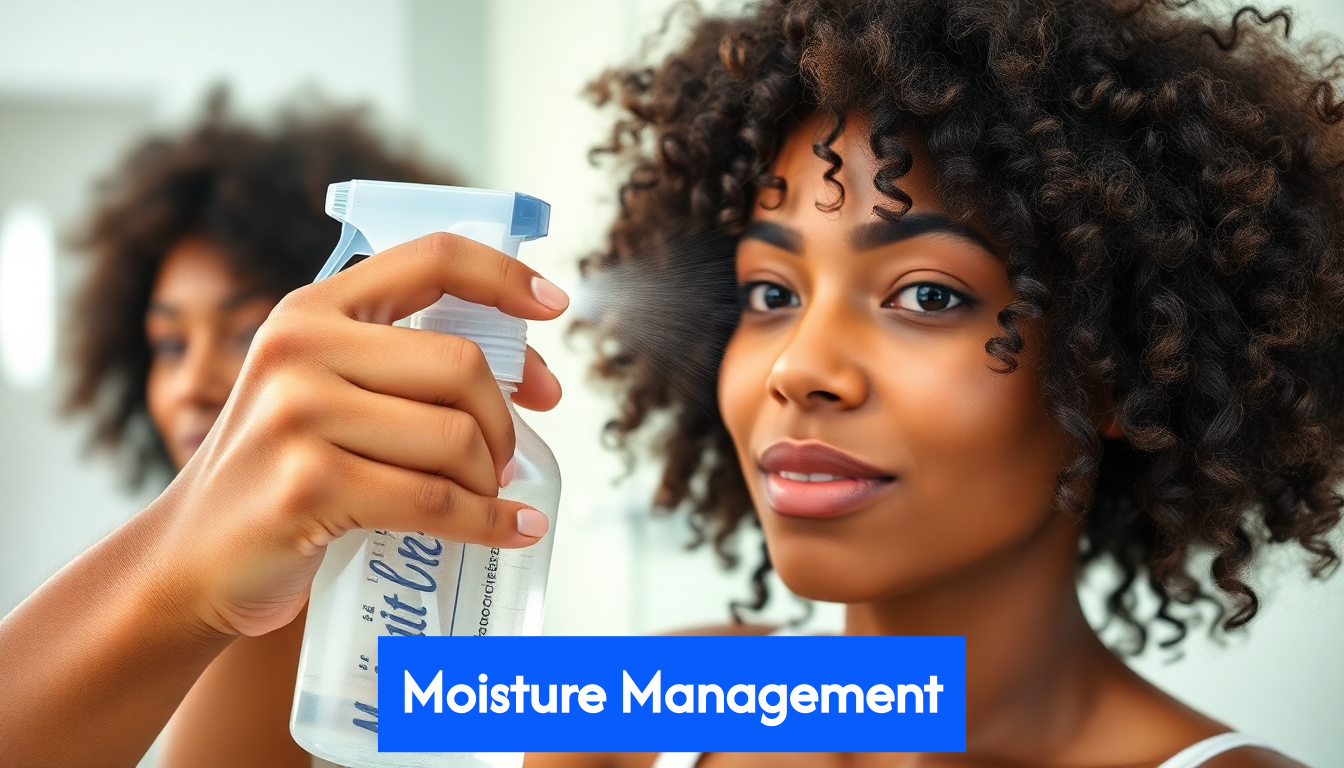 Natural hair often needs moisture replenishment throughout the day, especially in dry environments or during seasonal changes. Keep a small spray bottle of water or leave-in conditioner in your bag for quick refreshes. When applying additional moisture midday, use a light hand to avoid product buildup or disturbing your style too much.
Humidity can affect natural hair significantly, causing either excess frizz or unwanted shrinkage. On humid days, consider products with anti-humidity properties or those containing natural humectants like honey or aloe vera to help your hair maintain balance.
The daily maintenance of natural hair doesn't have to be complicated or time-consuming. By establishing consistent morning and evening routines and making small adjustments throughout the day as needed, you can keep your natural hair looking and feeling its best while promoting long-term health and growth.
Key Takeaways
| Takeaway | Explanation |
|---|---|
| Consistent Daily Routine is Essential | Establishing a daily maintenance routine helps keep natural hair healthy, hydrated, and thriving, focusing on methods like morning refreshing and nighttime protection. |
| Deep Conditioning is Key | Deep conditioning treatments penetrate the hair shaft to repair damage and restore moisture, with emphasis on alternating between moisture and protein-based conditioners based on your hair's needs. |
| Prioritize Scalp Health | A healthy scalp is crucial for hair growth; regular cleansing, exfoliation, and nutrition can significantly enhance scalp condition and subsequently hair health. |
| Incorporate Specialized Treatments | Hot oil treatments, overnight moisture infusions, and detoxifying treatments can address specific hair issues, improve moisture retention, and support overall hair health. |
| Monitor Response to Treatments | Pay attention to how your hair responds to various treatments and adjust frequency and types accordingly to maintain an optimal protein-moisture balance. |
Effective Deep Conditioning Techniques
 Deep conditioning is a crucial component of any natural hair care routine, especially for those with textured hair that tends to be naturally drier. Unlike regular conditioning that provides surface-level moisture, deep conditioning penetrates the hair shaft to repair damage, strengthen strands, and restore essential moisture. When done correctly and consistently, deep conditioning can transform your natural hair journey by improving elasticity, reducing breakage, and enhancing your curl pattern.
Selecting the Right Deep Conditioner
Choosing an effective deep conditioner begins with understanding your hair's specific needs. Natural hair generally falls into one of three categories: moisture-deficient, protein-sensitive, or balanced. Moisture-deficient hair feels dry, brittle, and lacks elasticity, while protein-sensitive hair becomes stiff or breaks easily when overloaded with protein treatments. Balanced hair requires regular maintenance of both moisture and protein.
For moisture-focused treatments, look for deep conditioners containing ingredients like honey, glycerin, aloe vera, and natural oils. These ingredients help attract and seal moisture into the hair shaft. If your hair needs protein, seek out formulas with hydrolyzed proteins, amino acids, or keratin to strengthen and repair the cuticle layer.
Many naturals find that alternating between protein and moisture treatments creates the optimal balance. Pay attention to how your hair responds after each deep conditioning session and adjust accordingly. If your hair feels soft but lacks structure after conditioning, you might need more protein. Conversely, if it feels stiff or brittle, you likely need more moisture.
Application Techniques for Maximum Penetration
The effectiveness of your deep conditioning treatment depends significantly on your application technique. Start with freshly cleansed hair, as product buildup can prevent the conditioner from penetrating the hair shaft. Section your hair into manageable parts to ensure thorough coverage from roots to ends.
When applying the conditioner, use your fingers to work it through each section, paying special attention to the ends which tend to be the most damaged and driest part of natural hair. For particularly dry or damaged areas, apply a slightly heavier amount of product.
Research indicates that oils like coconut, avocado, and argan can successfully penetrate the hair cortex, enhancing the effectiveness of deep conditioning treatments according to a study on hair fiber penetration profiles. Consider adding a few drops of these oils to your deep conditioner for enhanced results, especially if you have high porosity hair that readily absorbs products.
Heat and Timing Considerations
Heat plays a vital role in deep conditioning by opening the hair cuticle and allowing the conditioning agents to penetrate more deeply. You can incorporate heat in several ways:
- Use a hooded dryer for 20-30 minutes
- Apply a heat cap or wrap your hair in a warm towel
- Cover with a plastic cap to trap your body heat
- Use a steamer which adds moisture while opening the cuticle
The ideal duration for deep conditioning varies based on your hair's needs and the specific product you're using. While the standard recommendation is 20-30 minutes, those with severely damaged or extremely dry hair might benefit from longer sessions of up to an hour. However, be cautious about over-conditioning, which can lead to hygral fatigue—the weakening of hair strands due to excessive expansion and contraction from moisture exposure.
After the treatment, rinse thoroughly with cool water to close the cuticle and seal in the benefits. Some naturals follow with a quick apple cider vinegar rinse to restore the hair's pH balance and add shine.
Incorporating deep conditioning into your natural hair routine at least once a week will progressively improve your hair's health. For severely damaged hair, twice-weekly sessions might be beneficial initially, gradually reducing to once a week as your hair's condition improves. Remember that consistency, rather than frequency, is the key to seeing lasting results from your deep conditioning regimen.
Scalp Care and Growth Tips
A healthy scalp creates the foundation for healthy hair growth. Many naturals focus extensively on their hair strands while overlooking the environment from which those strands emerge. Your scalp is living skin with unique needs, and properly caring for it can dramatically improve both your hair growth rate and overall hair health. Let's explore evidence-based approaches to maintaining optimal scalp health and promoting consistent growth.
Understanding Your Scalp Environment
The scalp contains approximately 100,000 hair follicles, each connected to sebaceous glands that produce natural oils (sebum). These oils help protect both your scalp and hair strands. However, product buildup, environmental factors, and improper cleansing can disrupt this delicate ecosystem, potentially leading to issues like dandruff, itchiness, inflammation, and eventually, hair thinning or loss.
Recent research highlights that hair loss isn't solely determined by genetics – lifestyle factors like stress, diet, sleep quality, and environmental pollutants significantly impact scalp health by disrupting cellular metabolism and influencing gene expression according to a comprehensive study on hair disorders. This means that with proper scalp care, you can positively influence your hair growth regardless of your genetic predisposition.
Start by assessing your current scalp condition. Is it dry and flaky? Oily and prone to buildup? Sensitive and easily irritated? Each condition requires a tailored approach, but all healthy scalp regimens share common principles.
Regular Cleansing and Exfoliation
Cleansing your scalp thoroughly is essential for removing excess oils, product residue, and environmental pollutants that can clog hair follicles and inhibit growth. For most natural hair types, washing every 7-10 days provides sufficient cleansing without stripping away beneficial oils. However, adjust this frequency based on your lifestyle, exercise habits, and how quickly your scalp becomes oily.
When shampooing, focus on the scalp rather than the hair strands. Use your fingertips (not nails) to gently massage the shampoo in circular motions, which helps dislodge buildup while stimulating blood circulation to the follicles. Gentle scalp massages for 5-10 minutes daily or several times weekly can significantly enhance hair thickness by stretching hair follicle cells and stimulating blood flow that delivers vital nutrients.
Periodic exfoliation helps remove dead skin cells that can accumulate and block follicles. Consider incorporating a gentle scalp scrub or exfoliating shampoo once or twice monthly. You can also make a simple DIY exfoliant using brown sugar and coconut oil or a teaspoon of baking soda mixed with your regular shampoo.
Nutrition and Supplementation for Scalp Health
What you put inside your body directly affects your scalp's health. Nutritional deficiencies often manifest as scalp issues and slowed hair growth before showing other symptoms. Ensure your diet includes:
- Protein (the building block of hair): eggs, fish, beans, and lean meats
- Omega-3 fatty acids (reduce inflammation): fatty fish, walnuts, and flaxseeds
- Iron (prevents hair loss): leafy greens, lentils, and fortified cereals
- Vitamins A, C, D, and E (support sebum production and protect follicles): colorful fruits and vegetables, sunlight exposure, and nuts
- Zinc and biotin (promote cell growth): whole grains, oysters, and egg yolks
Hydration is equally important—water helps deliver nutrients to your scalp and hair follicles while flushing toxins. Aim for at least eight glasses of water daily to maintain optimal scalp hydration.
Protective Styling Without Compromise
While protective styles can promote length retention by minimizing manipulation and environmental damage, they must be installed and maintained with scalp health in mind. Overly tight braids, weaves, or extensions can cause traction alopecia, a form of hair loss resulting from constant pulling on the follicles.
When wearing protective styles:
- Ensure you can move your eyebrows freely after installation (if you can't, the style is too tight)
- Leave adequate space at the hairline and part lines
- Clean your scalp regularly with a diluted shampoo or apple cider vinegar solution applied with an applicator bottle
- Remove styles after 6-8 weeks maximum to thoroughly cleanse and give your scalp a break
- Massage essential oils like peppermint, tea tree, or rosemary diluted in a carrier oil onto your scalp between washes to maintain moisture and discourage bacterial growth
By prioritizing scalp health within your natural hair care routine, you create an optimal environment for consistent growth and retention. Remember that healthy hair growth begins below the surface, and the care you give your scalp today will be reflected in the health and length of your hair in the months to come.
Overnight and Weekly Treatments
Integrating specialized overnight and weekly treatments into your natural hair care routine can dramatically improve hair health, moisture retention, and manageability. These dedicated treatments work while you rest or during designated self-care sessions to address specific concerns that daily maintenance alone cannot fully resolve. Let's explore how to effectively incorporate these powerful treatments into your natural hair regimen.
Hot Oil Treatments
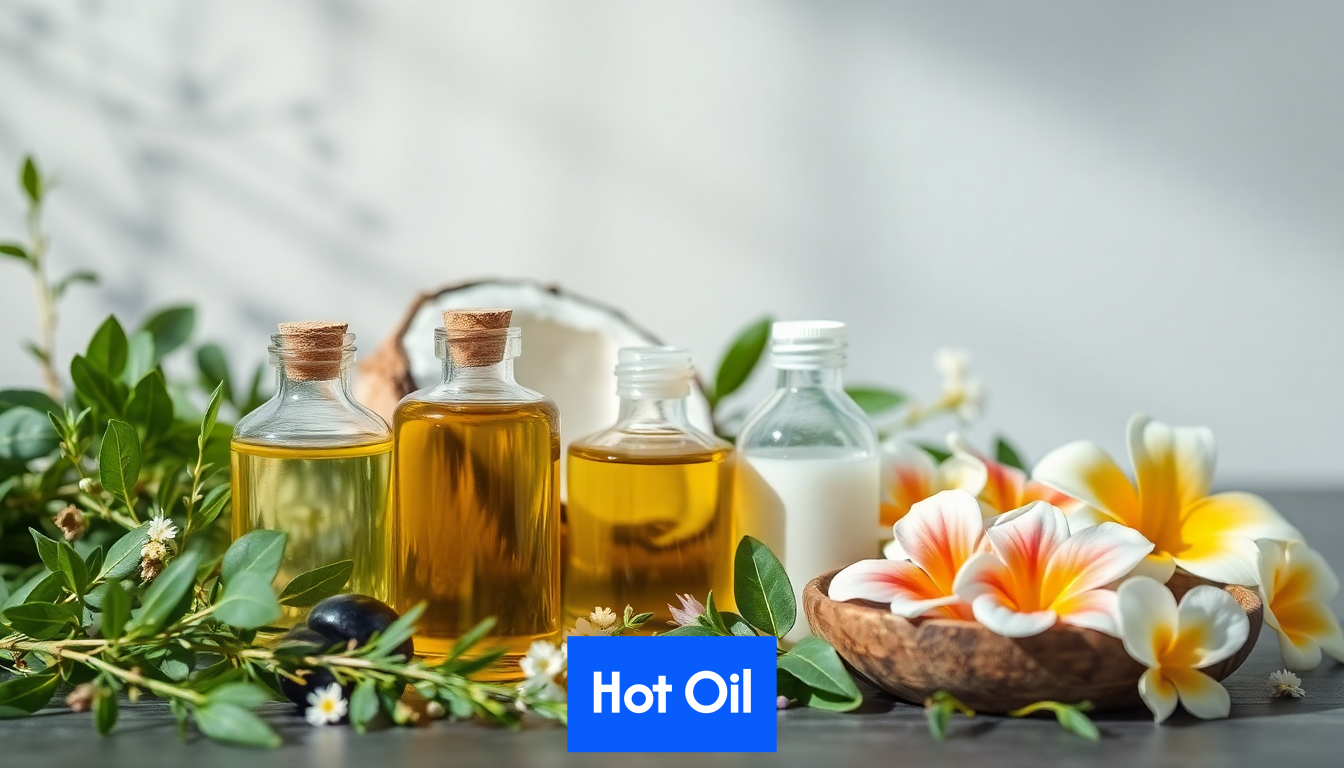
Hot oil treatments remain one of the most effective weekly rituals for natural hair, particularly for addressing dryness, brittleness, and scalp irritation. The warmth from the oils helps open the hair cuticle, allowing deeper penetration of nourishing ingredients while stimulating blood flow to the scalp.
For optimal results, select oils based on your hair's specific needs. Lighter oils like jojoba and grapeseed work well for fine-textured hair, while thicker oils such as castor, olive, and avocado benefit coarser textures. Coconut oil deserves special mention for its unique ability to penetrate the hair shaft rather than merely coating it, making it exceptional for preventing protein loss.
To prepare a hot oil treatment:
- Warm your chosen oil(s) to slightly above body temperature—never hot enough to burn
- Apply thoroughly to dry or slightly damp hair, focusing on the ends and any particularly dry sections
- Cover with a plastic cap and wrap with a warm towel to maintain heat
- Allow the treatment to work for 30 minutes to overnight, depending on your hair's needs
- Shampoo thoroughly afterward to remove excess oil
Incorporate hot oil treatments weekly for severely dry hair or biweekly for maintenance once your hair's condition improves.
Overnight Moisture Infusions
Overnight treatments provide extended conditioning time, allowing moisture to fully penetrate the hair shaft. These treatments are particularly beneficial for low porosity hair types that resist quick moisture absorption.
A simple yet effective overnight moisture infusion combines water-based leave-in conditioner with a natural humectant like honey or aloe vera gel, sealed with a lightweight oil. The multi-hour exposure time gives these ingredients ample opportunity to hydrate and soften even the most resistant hair textures.
Apply the mixture to freshly washed, damp hair in sections, then cover with a plastic cap or silk bonnet before sleeping. In the morning, you can either rinse lightly or simply style as usual, depending on the weight of the products used and your hair's response.
For those concerned about product transfer to bedding, try "baggy method" variations that focus the treatment on specific areas—wrapping just the ends in plastic wrap or applying the treatment to particular sections rather than the entire head.
Clay and Mud Detoxifying Treatments
Weekly detoxifying treatments using natural clays and muds help remove product buildup, excess oils, and environmental pollutants that regular shampooing might miss. These treatments clarify the hair and scalp without the harsh stripping effect of clarifying shampoos.
Bentonite clay stands out as a powerful detoxifier that draws impurities from both scalp and strands while adding minerals and reducing frizz. Rhassoul clay offers similar benefits with additional conditioning properties, making it suitable for drier hair types.
To create an effective clay treatment:
- Mix 1/2 cup of clay powder with enough apple cider vinegar or water to form a yogurt-like consistency
- Optional: Add a tablespoon of honey for moisture or a few drops of essential oils for fragrance and additional benefits
- Apply to damp hair in sections, ensuring complete coverage
- Allow to sit for 20-30 minutes—do not let it dry completely on the hair
- Rinse thoroughly with warm water and follow with conditioning
Use clay treatments once every 1-2 weeks, adjusting frequency based on how quickly your hair accumulates product buildup and how your scalp responds.
Targeted Protein Reconstructors
Strengthening treatments that contain protein help repair damaged hair structure, reduce breakage, and improve elasticity. Unlike moisture treatments that can be used frequently, protein treatments should be applied judiciously based on your hair's specific needs.
Commercial protein treatments range from light (containing amino acids) to intensive (with hydrolyzed proteins like keratin or wheat protein). Alternatively, DIY options like Greek yogurt, eggs, or mayo provide natural protein sources that can effectively strengthen hair.
For most naturals, a monthly protein treatment provides sufficient strengthening. However, hair that's color-treated, heat-styled, or showing signs of overconditioning (being too soft, stretchy, or mushy) may benefit from biweekly protein treatments.
The key to successful protein treatments lies in following them with adequate moisture, as protein without moisture can lead to brittle, stiff hair. Always balance protein treatments with deep conditioning to maintain the optimal protein-moisture balance.
By strategically incorporating these overnight and weekly treatments into your natural hair care routine, you create a comprehensive approach that addresses both immediate concerns and supports long-term hair health. Listen to your hair's response and adjust the frequency and intensity of treatments accordingly.
Frequently Asked Questions
How often should I wash my natural hair?
Research indicates that those with tightly curled hair should wash their hair no more than once a week to prevent dryness, while those with straight hair may wash daily.
What are the best practices for daily maintenance of natural hair?
Daily maintenance involves lightly misting your hair with water or a leave-in conditioner, gently detangling with your fingers, and using a light moisturizer to combat dryness.
How can I effectively deep condition my natural hair?
To deep condition effectively, select a product based on your hair's needs, apply it to clean, sectioned hair, and use heat for maximum penetration. Rinse with cool water to seal in benefits.
What can I do to promote a healthy scalp?
Regularly cleanse and exfoliate your scalp, maintain proper nutrition, and consider gentle scalp massages to improve blood circulation. This supports hair growth by creating a healthy environment for your hair follicles.
Unlock Your Hair's Full Potential with MyHair.ai!
Understanding the intricacies of your hair care routine is vital for nurturing your natural curls, coils, and kinks, just as highlighted in our comprehensive guide! Whether you're struggling with dryness, breakage, or finding the right deep conditioning method, these challenges can feel overwhelming. Imagine being able to tap into personalized insights that not only track your hair growth but also offer tailored product recommendations that resonate with your unique hair needs.

Don’t let your hair journey be a guessing game. With MyHair.ai, you gain access to cutting-edge AI technology that analyzes your hair health and provides detailed assessments based on your scans. Ready to transform your hair experience? Dive into your tailored solutions now at https://myhair.ai and discover the personal care your hair has been waiting for! Act today for healthier, happier hair tomorrow!