TL;DR:
- A simple, consistent hair care routine focused on cleansing, conditioning, protecting, and nourishing can improve hair health effectively. Personalizing your routine based on scalp and hair type, along with proper daily habits, supports optimal results. Early action and adherence to treatments like minoxidil are essential for addressing hair loss successfully.
A hair care routine is a consistent set of steps focused on cleansing, conditioning, protecting, and nourishing your hair and scalp. The best routines are not the most complex ones. They are the ones matched to your specific hair type, scalp condition, and lifestyle. Whether you are dealing with dryness, breakage, thinning, or just want better-looking hair, the right hair care routine tips can make a measurable difference. This guide breaks down exactly what works, why it works, and how to adapt it for your situation.
What are the foundational steps of a simple hair care routine?
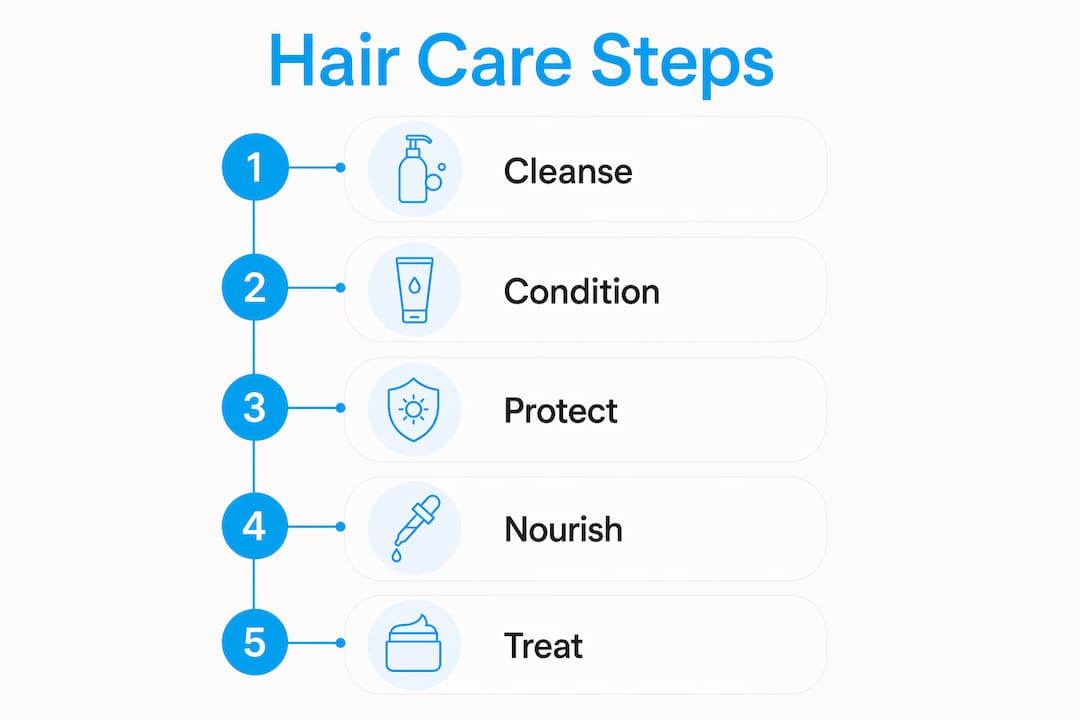
A simple hair care routine rests on four pillars: cleansing, conditioning, protecting, and nourishing. Every other product or step builds on these four. Skipping any one of them creates gaps that no amount of expensive serum can fix.
Cleansing: how to shampoo correctly
Most people shampoo wrong. Apply shampoo only to the scalp and roots, not the full length of your hair. The lather rinses down through the mid-lengths and ends naturally, which is enough to clean them without stripping moisture. A coin-sized amount is sufficient for most hair volumes. Massage the scalp for 60–90 seconds to improve cleanliness without irritation. Over-scrubbing worsens conditions like dandruff and eczema, so keep pressure gentle and rinse thoroughly.
Conditioning: placement matters more than product
Conditioner belongs on mid-lengths and ends, not the scalp. Applying it to your roots causes greasy buildup and weighs hair down. Leave it on for 2–3 minutes before rinsing. For dry or color-treated hair, a leave-in conditioner or lightweight serum applied after washing adds an extra layer of moisture that rinse-out products cannot provide alone.

Nourishing: weekly treatments that actually work
A weekly hair mask or oil treatment addresses damage that daily products cannot reach. Oils like argan or jojoba penetrate the hair shaft and replenish lipids lost through heat styling and washing. Apply to damp hair, leave for 20–30 minutes, then shampoo out. This step is optional for healthy hair but non-negotiable for a hair care routine for damaged hair.
| Product type | Purpose | Frequency |
|---|---|---|
| Shampoo | Cleanses scalp and removes buildup | 2–3 times per week |
| Conditioner | Restores moisture to mid-lengths and ends | Every wash |
| Leave-in conditioner | Adds lasting hydration and detangling | After every wash |
| Hair mask | Deep repairs damage and restores elasticity | Once per week |
| Scalp oil | Nourishes follicles and reduces dryness | 1–2 times per week |
Pro Tip: Wash your hair 2–3 times per week as a baseline. Oily scalps can go more often; dry or curly hair types do better with less frequent washing to preserve natural oils.
How do you customize your routine for your hair type?
Generic routines fail because they ignore the single most important variable: your hair. Consistency in a simple, fundamental routine beats a complex one you cannot maintain. But that routine must match your hair and scalp type to deliver results.
Here is how to adjust based on your specific profile:
- Oily scalp: Wash every 1–2 days with a clarifying or balancing shampoo. Avoid heavy conditioners near the roots. Skip scalp oils entirely.
- Dry scalp: Wash 2–3 times per week maximum. Use a moisturizing or sulfate-free shampoo. Add a scalp oil treatment once weekly.
- Fine hair: Use volumizing shampoos and lightweight conditioners. Heavy masks and oils flatten fine strands. Apply styling products sparingly, starting with a small amount and building only if needed.
- Thick or coarse hair: Richer conditioners and leave-in treatments work best. Deep conditioning masks once a week prevent dryness and frizz.
- Curly hair: Wash less frequently, roughly once per week. Co-washing (conditioner-only washing) between shampoo days preserves curl definition and moisture.
- Color-treated hair: Use sulfate-free shampoos to extend color and prevent fading. Add a protein treatment monthly to counteract chemical damage.
- Dandruff or sensitivity: Use a gentle, fragrance-free shampoo. Avoid over-scrubbing, which aggravates the scalp. Zinc pyrithione or ketoconazole shampoos address dandruff specifically.
Pro Tip: If you are unsure of your scalp type, check your hair 24 hours after washing. Greasy roots signal an oily scalp; tight, flaky skin signals dryness. That observation alone tells you more than any quiz.
What daily habits support a healthy hair care routine?
Products do about half the work. Daily habits do the rest. The best hair care practices extend beyond what you apply in the shower.
Drying technique
Gentle drying with a microfiber towel or a soft cotton t-shirt reduces friction and prevents breakage. Standard terry cloth towels rough up the hair cuticle, leading to frizz and split ends over time. Blot and squeeze rather than rubbing. If you use a blow dryer, keep it on medium heat and hold it at least six inches from your hair.
Heat styling
Excessive heat is one of the top causes of hair damage. When you do use a flat iron, curling wand, or blow dryer, apply a heat protectant spray first. This creates a barrier that reduces moisture loss and cuticle damage. Limit heat styling to three or fewer times per week if possible.
Brushing before washing
Brushing before shampooing stimulates scalp circulation and loosens buildup, which makes cleansing more effective. Use a wide-tooth comb or a paddle brush with flexible bristles. Start from the ends and work upward to avoid snapping strands.
Diet and supplements
Hair fiber health relies on keratin, collagen type I, ceramides, and elastin for structure and resilience. These proteins come from what you eat. A diet rich in protein, iron, and omega-3 fatty acids directly supports hair fiber quality. Biotin at 3–5 mg daily and vitamin D at 2,000 IU or more can support thinning hair, though they work best alongside a solid topical routine, not as a replacement for one.
Pro Tip: Consistency beats intensity every time. A five-minute daily routine done every day outperforms an elaborate weekend routine done occasionally.
How do you address hair loss within your hair care routine?
Hair loss requires a different approach than general hair care. The earlier you act, the better your results. Adapting your routine to be gentler on thinning hair while adding proven treatments gives you the best chance of slowing or reversing loss.
- Start with minoxidil. Minoxidil requires daily application for 6–9 months before visible improvements in hair density appear. It is FDA-approved, available over the counter, and the most accessible starting point for most people. Apply it to a dry scalp after your morning routine.
- Add targeted supplements. Biotin and vitamin D support follicle health and can complement topical treatments. They do not replace medical care, but they fill nutritional gaps that worsen shedding.
- Consider PRP injections. PRP injections cost $500–$1,500 per session, with an initial protocol of three monthly treatments plus annual maintenance. That cost is significant, but PRP delivers growth factors directly to follicles in ways topical products cannot. Consult a dermatologist to determine if you are a candidate.
- Adjust your routine for fragile hair. Use sulfate-free shampoos, avoid tight hairstyles that pull on the scalp, and skip heavy styling products that add weight to thinning strands.
- See a specialist early. Hair loss is easier to slow than to reverse. A dermatologist or trichologist can identify the cause, whether it is androgenetic alopecia, telogen effluvium, or nutritional deficiency, and recommend the right treatment path.
| Treatment | Timeline | Estimated cost |
|---|---|---|
| Minoxidil (topical) | 6–9 months for visible results | $20–$50 per month |
| Biotin + vitamin D supplements | 3–6 months | $15–$40 per month |
| PRP injections | 3 sessions over 3 months | $500–$1,500 per session |
| Prescription finasteride | 6–12 months | $30–$80 per month |
Pro Tip: Hair growth treatments require months of consistent application before results appear. Stopping early is the most common reason treatments fail. Set a six-month commitment before evaluating whether something is working.
For a deeper look at natural options that complement these treatments, the Voraly Clinical Hair Growth System combines LED technology with bio-active serums designed to support follicle stimulation alongside your existing routine.
Key Takeaways
A consistent, personalized routine built on cleansing, conditioning, protecting, and nourishing is the most effective approach to improving hair health and managing loss.
| Point | Details |
|---|---|
| Shampoo technique matters | Apply only to scalp and roots; let lather rinse through ends to prevent dryness. |
| Conditioner placement | Apply only to mid-lengths and ends to avoid greasy roots and buildup. |
| Wash frequency | Aim for 2–3 times per week, adjusted up or down based on scalp oiliness. |
| Hair loss needs early action | Minoxidil takes 6–9 months to show results; start early and stay consistent. |
| Daily habits drive results | Microfiber drying, pre-wash brushing, and heat protection reduce damage between washes. |
What I have learned from years of watching people get their routines wrong
Most people do not have a hair care problem. They have a consistency problem. I have seen readers spend hundreds of dollars on top hair care products, only to abandon their routine after three weeks because they did not see instant results. Hair does not work that way. It grows roughly half an inch per month. Visible improvement takes time, and that timeline does not care how much you spent on a serum.
The second most common mistake is product overload. Applying five products to fine hair does not make it healthier. It makes it heavier, greasier, and harder to manage. Start with three products maximum: a shampoo suited to your scalp, a conditioner for your ends, and one treatment product. Master those before adding anything else.
The third mistake is ignoring the scalp entirely. Most people treat their hair like fabric to be cleaned and conditioned, when the scalp is actually living skin that needs the same attention as your face. Scalp health drives follicle health, and follicle health drives everything else. If your scalp is inflamed, flaky, or congested, no amount of conditioning will fix what is happening at the root.
My honest advice: pick the simplest routine that addresses your actual hair type, do it consistently for 90 days, and then evaluate. You will learn more from that experiment than from any product review.
— Cyriac
How Myhair can personalize your hair care routine
Building the right routine is easier when you know exactly what your hair and scalp need. Myhair uses AI-powered analysis to assess your hair health from a scan, giving you a detailed picture of your scalp condition, hair density, and growth patterns.
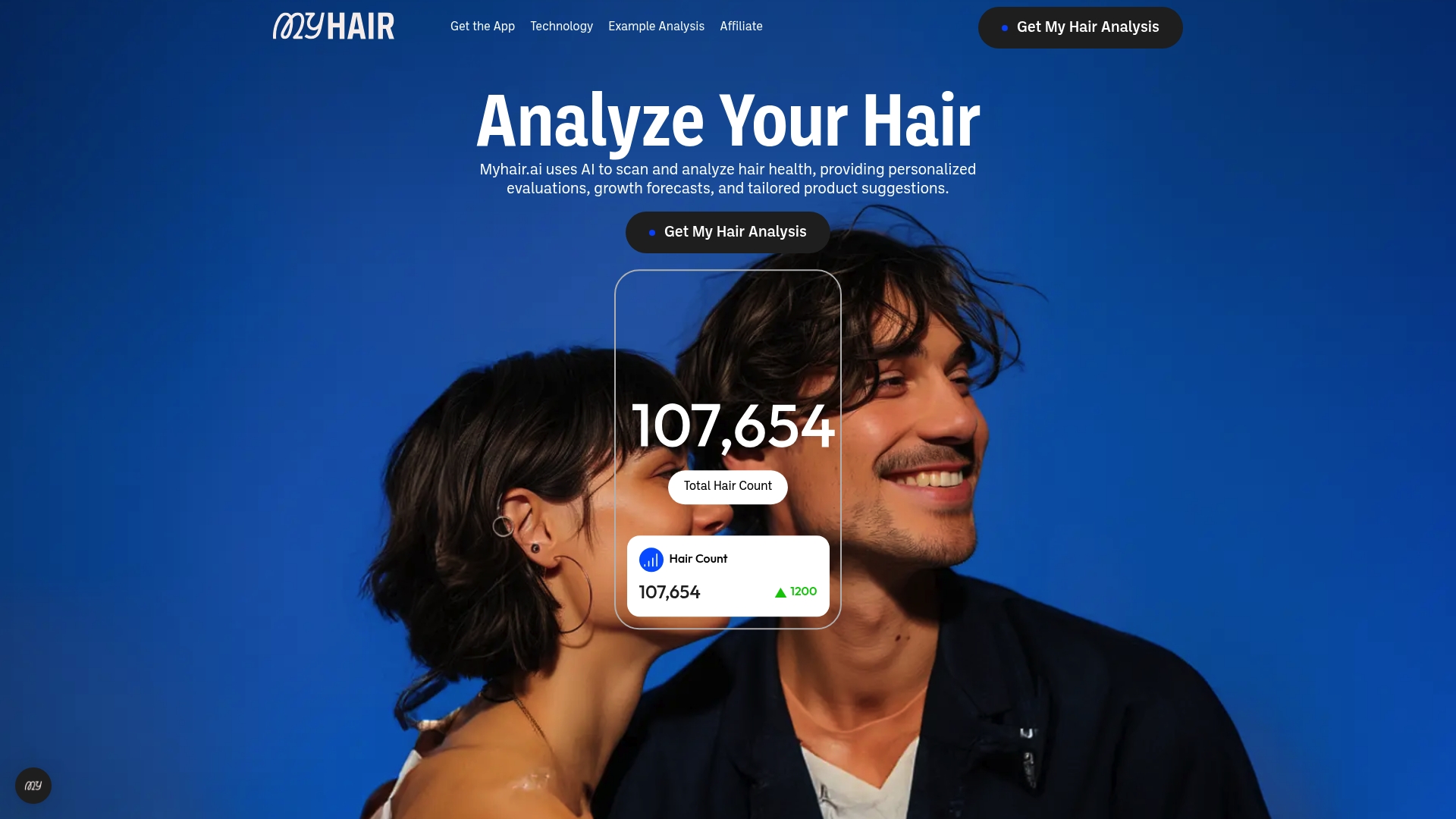
The Myhair hair analysis scanner generates a personalized hair health score and recommends products matched to your specific profile. Instead of guessing which shampoo or treatment is right for you, you get data-driven guidance based on what your scalp actually shows. You can also track changes over time to see whether your routine is working. Start with the Myhair onboarding process to get your first assessment and a tailored set of recommendations in minutes.
FAQ
How often should I wash my hair?
Washing 2–3 times per week works for most hair types. Oily scalps may need more frequent washing, while dry or curly hair benefits from less.
What is the correct way to apply conditioner?
Apply conditioner only to mid-lengths and ends, not the scalp. Leave it on for 2–3 minutes before rinsing to allow moisture absorption.
Can supplements help with hair loss?
Biotin at 3–5 mg daily and vitamin D at 2,000 IU or more can support thinning hair. They work best alongside topical treatments like minoxidil, not as a standalone solution.
How long does minoxidil take to work?
Minoxidil requires daily application for 6–9 months before visible improvements in hair density appear. Stopping early before that window closes is the most common reason it fails.
What is the best way to dry hair without causing damage?
Use a microfiber towel or cotton t-shirt to blot and squeeze moisture out rather than rubbing. Rubbing with a standard towel roughens the hair cuticle and increases breakage.