Hair density is a game changer in how full your hair looks, yet most people have no idea what it truly means. On average, your scalp is home to between 80,000 to 120,000 hair strands, but that's just the starting point. Surprisingly, knowing your hair density can unlock the secret to a more vibrant hairstyle. It's not just about the number of strands; it's about how you care for them. Understanding this can transform your hair care routine and boost your confidence. Are you ready to dive deeper into the world of hair density?
What is Hair Density
Hair density refers to the number of individual hair strands per square inch on your scalp. It's essentially a measurement of how closely packed your hair follicles are, which directly impacts how full your hair appears. Unlike hair thickness (which refers to the diameter of each strand), hair density specifically addresses the quantity of hairs emerging from your scalp.
Understanding Hair Density Classifications
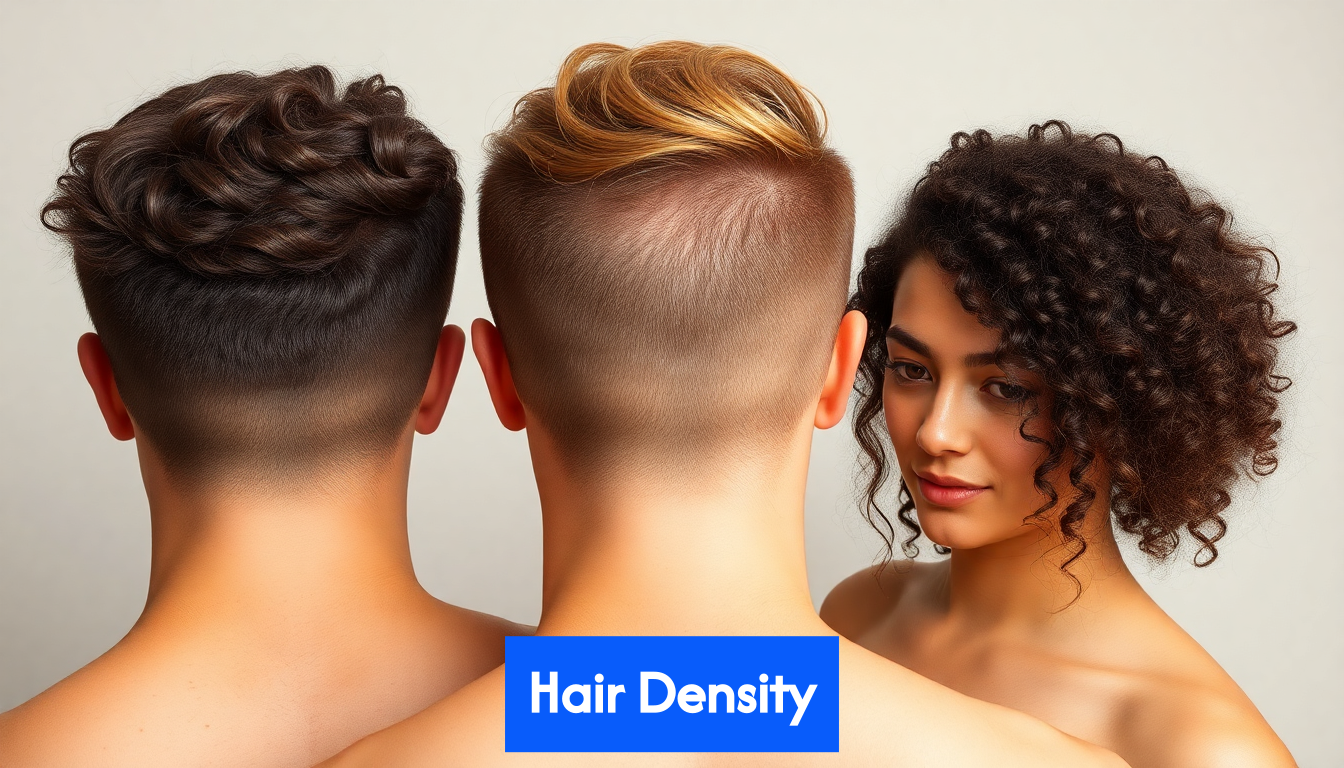
Hair density varies widely from person to person, with the average human scalp containing between 80,000 to 120,000 individual hair strands. This impressive number translates to approximately 2,000 hairs per square inch, though this figure fluctuates based on factors like ethnicity, age, and genetics. According to research from Living Proof, hair density is typically categorized into three main classifications:
- Low density hair: Characterized by visible scalp that's easily seen through the hair, especially when hair is wet or parted
- Medium density hair: The most common type, with the scalp occasionally visible but generally well-covered
- High density hair: Features closely packed follicles with scalp rarely visible, often creating a fuller appearance
Understanding your personal hair density is crucial because it affects everything from how your hair behaves when styled to which products work best for your specific needs.
Hair Density vs. Hair Thickness: The Important Distinction
Many people confuse hair density with hair thickness, but they're distinctly different characteristics that affect your hair's overall appearance in unique ways. Hair density counts the number of strands, while thickness measures the diameter of each individual strand.
This distinction explains why someone might have high density hair (many strands) that still appears fine or thin overall – their individual strands may have a small diameter. Conversely, someone with relatively low density hair might still achieve a full look if each strand is thick in diameter.
Your hair density is primarily determined by genetics, though it can change throughout your lifetime due to factors like hormonal fluctuations, aging, nutritional status, and health conditions. Hair density typically peaks during your 20s and gradually decreases with age. Women often notice significant density changes during pregnancy and menopause due to hormonal shifts, while both men and women may experience density reduction due to various forms of hair loss.
Identifying your hair density is the first step toward developing an effective hair care routine that supports your particular hair type and goals for achieving fuller, healthier-looking hair.
Key Takeaways
| Takeaway | Explanation |
|---|---|
| Understand Hair Density | Hair density refers to the number of hair strands per square inch on your scalp, impacting the fullness and overall appearance of your hair. Identifying your hair density is essential for selecting the right hair care products and styles. |
| Measure Your Density at Home | You can assess your hair density using simple tests such as the Ponytail Test, Part Test, or Visual Assessment. These methods provide a practical approach to determine whether your hair is low, medium, or high density. |
| Nutrition is Key | A diet rich in protein, vitamins, and minerals supports healthy hair density. Focus on essential nutrients like iron, zinc, and omega-3 fatty acids to promote hair growth and strength. |
| Scalp Care Matters | Regular scalp massages and exfoliation can enhance circulation and follicle health, contributing to improved hair density. Maintaining a proper pH balance in hair care products also supports scalp health. |
| Professional Treatments for Improvement | For substantial changes in hair density, consider professional treatments such as platelet-rich plasma (PRP), low-level laser therapy, or prescription medications, tailored to your individual needs by a dermatologist or trichologist. |
How to Measure Hair Density
Determining your hair density helps you choose appropriate products and styling techniques for your unique hair profile. While professional dermatologists and trichologists use specialized tools for precise measurements, there are several practical methods you can use at home to assess your hair density.
Professional Measurement Methods
In clinical settings, hair density is measured with remarkable precision. According to Function of Beauty, dermatologists and hair specialists typically use these methods:
- Phototrichogram: Considered the gold standard for measuring hair density, this non-invasive technique uses digital photography to analyze and count hair strands in a defined scalp area
- Trichoscopy: A specialized imaging technique that examines hair and scalp at high magnification to assess density, follicle health, and other characteristics
- Folliscope: A digital microscope that captures and analyzes images of the scalp to measure density and monitor changes over time
These professional methods provide exact strand counts per square inch, offering valuable data for treating hair loss conditions or planning hair restoration procedures.
At-Home Assessment Techniques
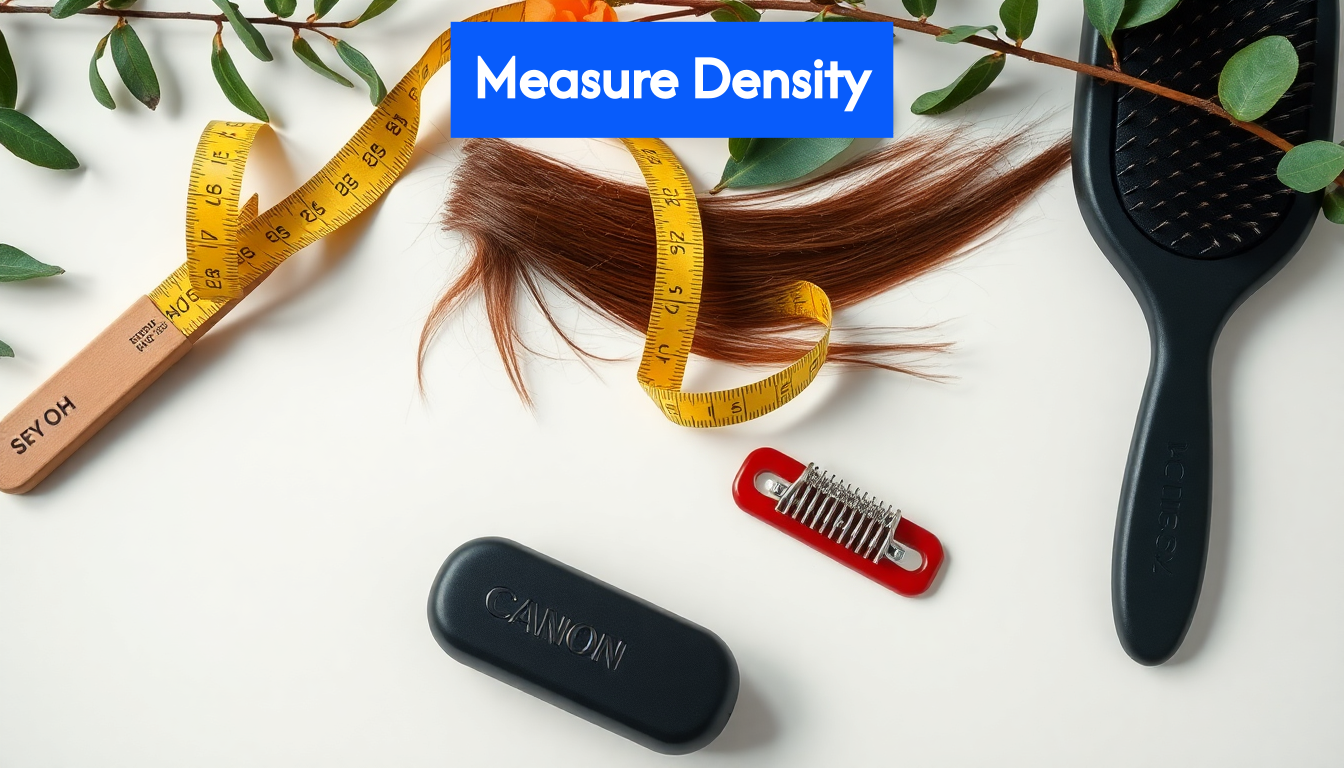
While you can't precisely count your hair strands at home, these simple techniques can help you determine if your hair density falls in the low, medium, or high range:
-
The Ponytail Test: Gather your dry hair into a ponytail at the base of your neck and measure its circumference. A circumference less than 2 inches typically indicates low density, 2-3 inches suggests medium density, and more than 3 inches points to high density.
-
The Part Test: Part your dry hair down the middle and examine how much scalp is visible. If your scalp is very noticeable, you likely have low-density hair. If barely visible, you probably have high-density hair. Medium density falls somewhere in between.
-
The Visual Assessment: Simply look at your hair when it's dry and assess how easily you can see your scalp through your hair. High-density hair shows little to no scalp, medium density reveals some scalp in certain lighting, and low density exposes more scalp.
-
The Feel Test: Run your fingers through your hair. High-density hair will feel full and thick between your fingers, while low-density hair will feel more sparse. Medium-density hair provides moderate resistance.
Factors Affecting Hair Density Measurements
When assessing your hair density, consider these influencing factors:
- Hair texture: Curly or coily hair types may appear to have higher density since each strand takes up more visual space
- Styling products: Some products can temporarily create the appearance of higher or lower density by adding volume or weighing hair down
- Recent hair loss: Temporary shedding due to stress, hormonal changes, or medical conditions can temporarily alter density readings
- Age: Hair density naturally decreases with age, with most people experiencing their peak density in their 20s
Remember that hair density isn't fixed throughout your lifetime. It fluctuates due to age, hormones, nutrition, stress levels, and health conditions. Regular assessment of your hair density helps you adjust your hair care routine as needed to maintain optimal hair health and appearance.
Key Factors Affecting Hair Density
Hair density isn't simply a fixed trait we're born with—it's a dynamic characteristic influenced by numerous factors throughout our lives. Understanding these influences can help you take proactive steps to maintain or potentially improve your hair density.
Genetic Predisposition
Genetics play the most significant role in determining your baseline hair density. The genes you inherit from your parents establish your follicle distribution pattern across your scalp, directly impacting how many hairs grow per square inch. These genetic factors also determine your susceptibility to conditions like pattern baldness or androgenetic alopecia, which can progressively reduce hair density over time.
Different ethnic backgrounds also exhibit characteristic hair density patterns. According to research from Harklinikken, while the average human head contains between 80,000 and 150,000 hair strands, this number varies significantly across populations. For example, people of Caucasian descent typically have higher hair density (approximately 86,000 strands on average) compared to those of Asian descent (approximately 70,000 strands) or African descent (approximately 60,000 strands).
Hormonal Fluctuations
Hormones significantly influence hair growth cycles and density throughout life. These hormonal factors include:
- Androgens: Testosterone and dihydrotestosterone (DHT) can trigger miniaturization of hair follicles in genetically susceptible individuals, gradually reducing hair density
- Estrogen and progesterone: Fluctuations during pregnancy, postpartum, and menopause can cause temporary or lasting changes in hair density
- Thyroid hormones: Both hypothyroidism and hyperthyroidism can lead to diffuse hair thinning across the scalp
- Stress hormones: Elevated cortisol levels from chronic stress can disrupt normal hair growth cycles, potentially reducing density
Age-Related Changes
Hair density naturally evolves throughout your lifetime. Most people experience peak hair density during their late teens and twenties. As you age, several physiological processes lead to gradual density reduction:
- Slower hair growth cycles with longer resting phases
- Progressive miniaturization of hair follicles
- Decreased cell regeneration and metabolic activity in follicles
- Cumulative damage to hair follicles from environmental factors
By age 50, many people have lost up to 50% of their maximum hair density, though this varies widely among individuals.
Nutritional Status
Your diet provides the building blocks for hair production. Nutritional deficiencies can significantly impact hair density through:
-
Protein insufficiency: Hair strands are primarily composed of a protein called keratin. Inadequate protein intake can lead to weaker, thinner hair and increased shedding.
-
Vitamin and mineral deficiencies: Several micronutrients directly support hair follicle function and growth, including iron, zinc, vitamin D, biotin (B7), and other B vitamins. Deficiencies in these nutrients can compromise hair density.
-
Caloric restriction: Severe dieting or eating disorders can trigger telogen effluvium, a condition where hair prematurely enters the resting phase and falls out, temporarily reducing density.
Health Conditions and Medications
Various health factors can significantly impact hair density:
- Autoimmune conditions: Disorders like alopecia areata, lupus, and psoriasis can attack hair follicles
- Scalp infections: Fungal infections and severe seborrheic dermatitis can damage follicles
- Medications: Chemotherapy drugs, certain antidepressants, blood thinners, and some blood pressure medications can cause temporary or permanent hair density reduction
- Chronic illness: Conditions that affect metabolism, circulation, or immune function often manifest with changes in hair density
Understanding these factors provides valuable context for addressing hair density concerns. While you can't change your genetic predisposition, many other factors affecting hair density are within your control through lifestyle modifications, proper nutrition, and appropriate medical treatment when necessary.
Tips for Boosting Hair Density
While genetics establish your baseline hair density, numerous evidence-based strategies can help maximize your natural potential for fuller, denser-looking hair. By adopting a comprehensive approach that addresses both internal health and external care, you can support optimal hair density.
Nutrition and Supplementation
What you eat directly impacts your hair follicles' ability to produce strong, healthy hair. Focus on these nutritional strategies:
- Protein-rich diet: Since hair is primarily made of protein, consume adequate amounts from sources like eggs, fish, lean meats, legumes, and dairy
- Essential fatty acids: Omega-3s found in fatty fish, walnuts, and flaxseeds help reduce inflammation and support follicle health
- Iron and zinc: These minerals are crucial for hair growth, with deficiencies directly linked to hair loss and thinning
- Vitamins A, C, D, and E: These vitamins support cellular turnover, collagen production, and protect against oxidative stress
According to Rossano Ferretti Parma, a strategic approach to nutrition significantly impacts hair density by providing the building blocks needed for optimal growth. Before starting any supplement regimen, consult with a healthcare provider to identify specific deficiencies and appropriate dosages.
Scalp Care and Stimulation
A healthy scalp creates the optimal environment for hair growth. These techniques can improve circulation and follicle function:
-
Regular scalp massage: Spend 5-10 minutes daily massaging your scalp with fingertips to increase blood flow to follicles. This stimulation can potentially activate dormant follicles and strengthen existing ones.
-
Exfoliation: Use a gentle scalp scrub once weekly to remove buildup of dead skin cells, excess sebum, and product residue that can clog follicles.
-
Maintain proper pH balance: Choose pH-balanced shampoos (4.5-5.5) that won't disrupt your scalp's natural protective barrier.
-
Avoid excessive heat: High temperatures from styling tools can damage both hair and scalp. Always use heat protectants and keep styling temperatures below 350°F.
Strategic Hair Care Products
The right products can significantly impact how dense your hair appears:
-
Thickening shampoos and conditioners: These products contain ingredients like panthenol, biotin, and rice or wheat proteins that temporarily plump individual strands
-
Volumizing mousses and sprays: Applied to roots, these products create lift and separation between strands, maximizing the appearance of density
-
Leave-in treatments with peptides: These compounds can strengthen the hair shaft and potentially support follicle function
-
Clarifying treatments: Regular use (once every 2-3 weeks) removes buildup that weighs hair down, instantly creating a fuller appearance
When selecting products, avoid formulations with harsh sulfates, silicones, and alcohols that can strip natural oils and cause breakage over time.
Styling Strategies for Maximum Density
How you cut, color, and style your hair significantly impacts perceived density:
-
Strategic haircuts: Blunt cuts create the illusion of thicker ends, while layers add volume but may reduce the appearance of density if overdone
-
Color techniques: Strategic highlighting creates dimension and the appearance of more hair by adding contrast and shadow
-
Blow-drying methods: Drying your hair upside down or using a round brush to lift at the roots instantly creates more volume
-
Product application: Apply styling products at the roots rather than mid-lengths and ends for maximum lift without weighing hair down
Consider your hair's natural texture when choosing styling approaches—what works for straight hair may not be ideal for curly or coily textures.
Professional Treatments
For those seeking more dramatic improvements in hair density, several professional options exist:
-
Platelet-rich plasma (PRP): This treatment uses your own blood platelets to stimulate follicle regeneration
-
Low-level laser therapy: FDA-cleared devices use red light wavelengths to energize cells and potentially reactivate dormant follicles
-
Prescription treatments: Medications like minoxidil and finasteride can slow hair loss and potentially increase density in certain individuals
-
Hair transplantation: For permanent results, this surgical procedure moves follicles from denser areas to regions with thinning
Consult with a dermatologist or trichologist to determine which approach best suits your specific hair density concerns and goals.
Frequently Asked Questions
What is hair density?
Hair density refers to the number of individual hair strands per square inch on your scalp. It measures how closely packed your hair follicles are, impacting the fullness and overall appearance of your hair.
How can I measure my hair density at home?
You can measure your hair density using simple methods like the Ponytail Test, Part Test, or Visual Assessment. These techniques help you determine whether your hair density is low, medium, or high based on factors like ponytail circumference and visible scalp when parted.
What factors affect hair density?
Hair density can be influenced by several factors, including genetics, hormonal fluctuations, age, nutritional status, health conditions, and scalp care practices. Regular assessments can help you understand how these factors impact your hair's appearance.
How can I improve my hair density?
To boost hair density, focus on a protein-rich diet, practice regular scalp massage, use thickening and volumizing hair products, and consider professional treatments like PRP or low-level laser therapy. Maintaining a healthy scalp and avoiding excessive heat also contribute to fuller-looking hair.
Unlock the Secret to Fuller Hair Today!
Understanding your hair's density is a crucial step toward achieving the lush, vibrant locks you desire. As highlighted in our guide, recognizing whether you have low, medium, or high density hair can empower you to choose the right products and routines tailored to your unique needs. But here’s the challenge: with so many products out there, how can you be sure you’re selecting the best ones for your specific hair profile?
At MyHair.ai, we make this effortless! 🚀 Our AI-based hair health analysis provides personalized insights into your hair growth and density, guiding you along your journey to fuller, healthier hair.
- Track Your Progress: Upload your scans and watch your hair transform with data-driven recommendations.
- Tailored Suggestions: Based on your unique hair density, receive product recommendations designed specifically for your needs.
Don't wait to make your hair dreams a reality! Act now and dive into a world of personalized hair care solutions at https://myhair.ai. Your hair's new journey starts today—get ready to unveil a broader, more beautiful mane!