Did you know the average person has between 80,000 and 120,000 hairs on their head? These numbers impact much more than just style. Hair density not only shapes how thick or full your hair looks, it can signal important clues about your overall health. Learning what affects your hair density gives you a real edge when choosing the right care routines and treatments tailored to your specific needs.
Table of Contents
- Understanding Hair Density And Its Importance
- Main Causes Of Low Hair Density
- Types Of Hair Density Treatments Explained
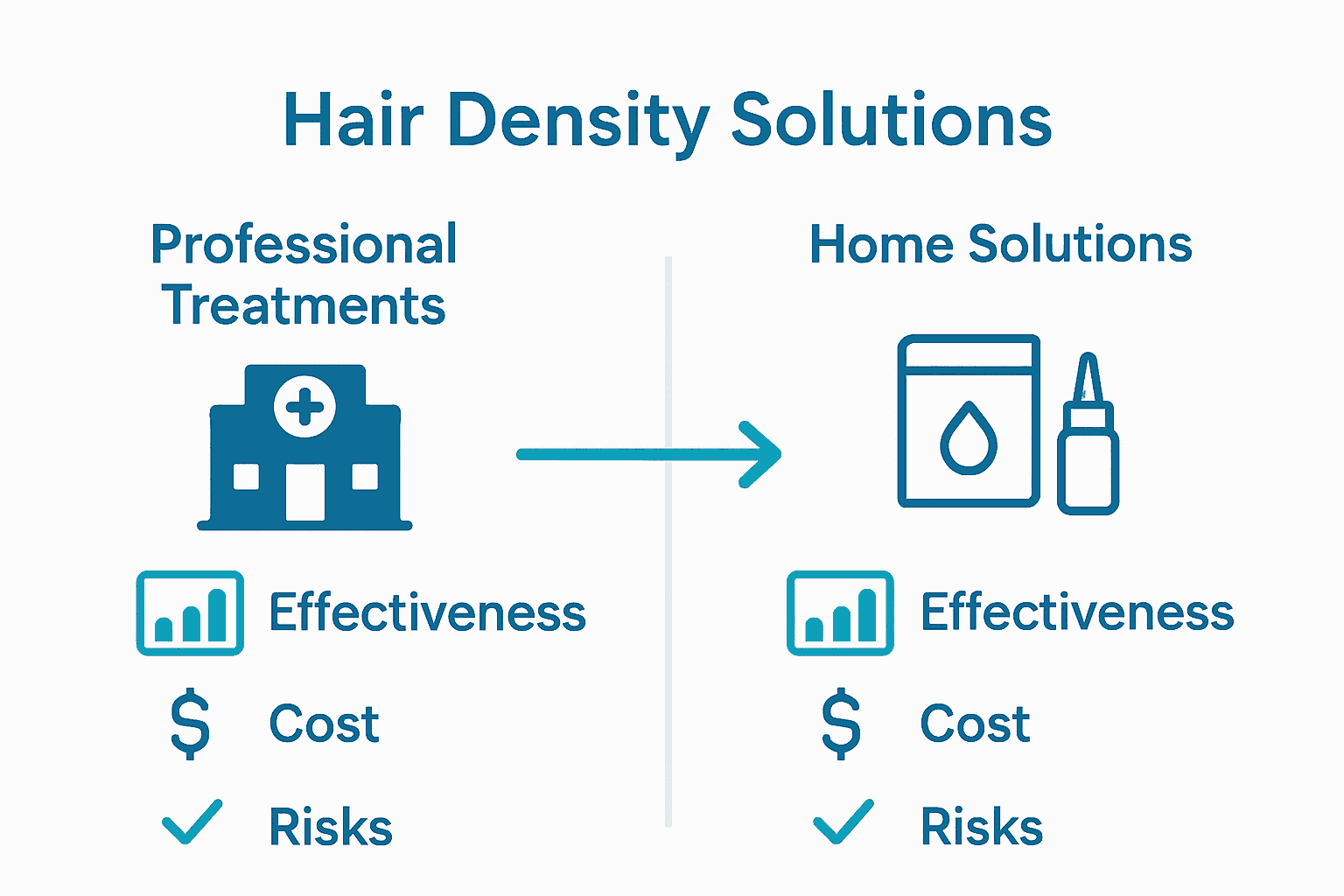
- Comparing Professional Vs. Home Solutions
- Risks, Costs, And Success Factors
- AI-Powered Tools For Personalized Care
Key Takeaways
| Point | Details |
|---|---|
| Understanding Hair Density | Hair density, defined as the number of hair strands per square inch, is crucial for assessing hair health and guiding treatment strategies. |
| Causes of Low Density | Low hair density can result from various factors, including genetic predisposition, nutritional deficiencies, and hormonal imbalances. |
| Treatment Approaches | Both pharmacological and non-pharmacological treatments exist for addressing hair density issues, highlighting the need for personalized intervention. |
| AI Advancements | AI technology is enhancing hair treatment by providing personalized care recommendations based on detailed scalp analysis and individual hair characteristics. |
Understanding Hair Density And Its Importance
Hair density is a critical yet often overlooked aspect of hair health that reveals far more than simple appearance. Hair density specifically refers to the number of hair strands per square inch on your scalp, and understanding this metric can transform how you approach hair care and styling strategies.
According to Healthline, typical hair density ranges between 80,000 to 120,000 hairs, with the highest concentration typically located at the crown of the head. This range demonstrates significant variation among individuals, influenced by multiple factors including:
- Genetics
- Age
- Ethnicity
- Overall health status
- Hormonal balance
Precisely tracking hair density becomes crucial because it directly impacts your hair's visual fullness and perceived health. Low hair density might indicate underlying health concerns or potential future hair loss, while optimal density suggests robust follicular strength. Understanding Fuller Hair: Why It Matters can provide deeper insights into maintaining healthy hair volume.
Measuring and understanding your unique hair density empowers you to select personalized hair care products, styling techniques, and potential treatments that address your specific scalp characteristics. By recognizing your hair's natural density, you can make informed decisions about nutrition, hair treatments, and styling approaches that maximize your hair's natural potential.
Main Causes Of Low Hair Density
Hair density reduction is a complex issue with multiple potential triggers that can significantly impact your scalp's overall health. Understanding these underlying causes becomes crucial for developing targeted intervention strategies and preventing further hair loss.
According to research from scientific journals, androgenic alopecia stands as a primary contributor to reduced hair density. Journals research indicates this condition progressively leads to hair follicle miniaturization, affecting both men and women globally, causing systematic thinning across the scalp.
Nutritional factors play an equally significant role in hair density maintenance. Research reveals that specific nutrient deficiencies can dramatically disrupt hair growth cycles. Key nutritional gaps that contribute to low hair density include:
- Iron deficiency
- Vitamin D insufficiency
- Zinc depletion
- Inadequate protein intake
These nutritional imbalances can result in weaker hair shafts, increased shedding, and overall reduced hair volume. Thinning Hair Solutions provides comprehensive insights into managing these nutritional challenges.
Additional factors contributing to low hair density encompass genetic predispositions, hormonal imbalances, chronic stress, certain medical conditions, and aggressive styling practices. Each individual's hair density challenge is unique, requiring personalized assessment and targeted treatment approaches that address the specific underlying mechanisms causing reduced hair volume.
Types Of Hair Density Treatments Explained
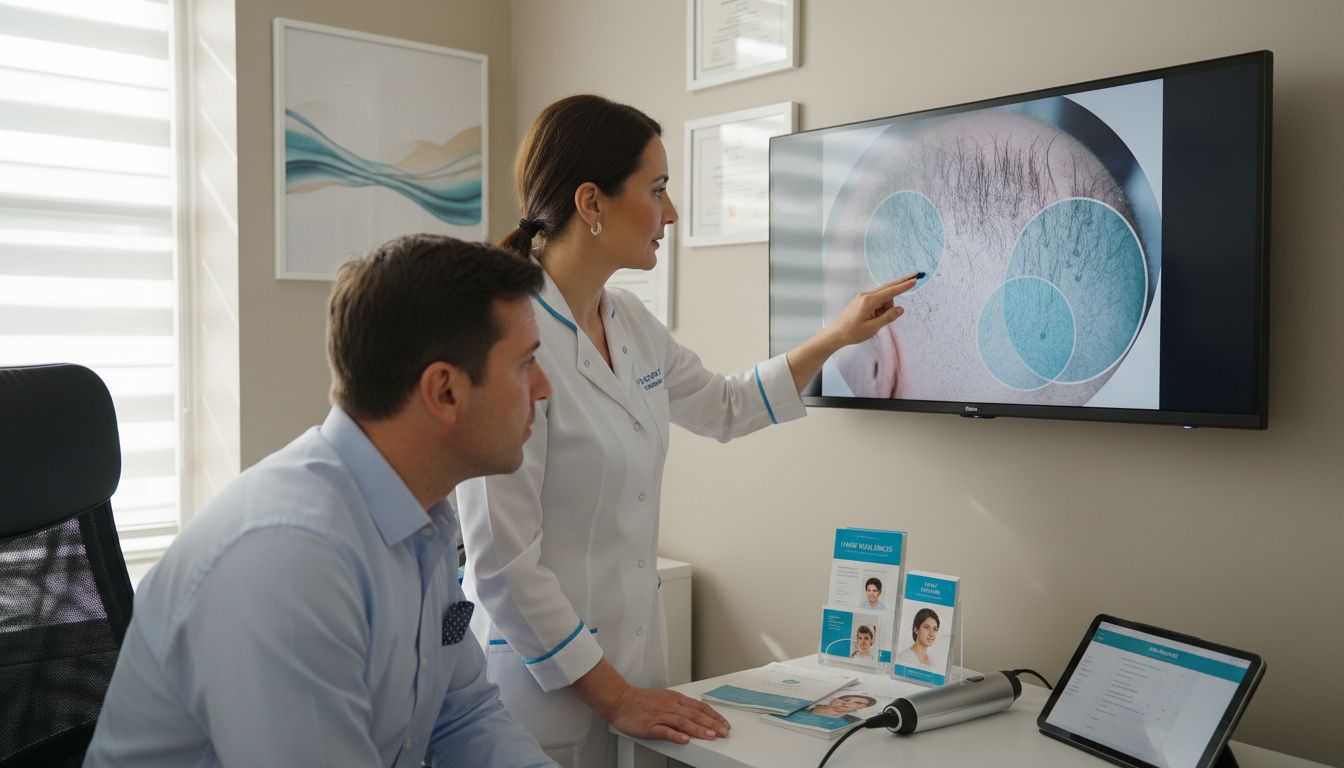
Hair density treatments have evolved significantly, offering individuals multiple strategic approaches to address thinning hair and promote scalp health. The landscape of hair restoration now encompasses diverse interventions that target different underlying causes of reduced hair volume.
Pharmacological treatments represent a primary approach in managing hair density challenges. According to scientific journals, pharmacological interventions like topical minoxidil and oral finasteride are designed to stimulate hair growth and prevent further hair loss. Journals research highlights these medications as frontline strategies for combating androgenic alopecia.
Non-pharmacological treatments offer alternative and complementary approaches to improving hair density:
- Low-level laser therapy: Stimulates cellular activity in hair follicles
- Platelet-rich plasma (PRP) injections: Utilizes patient's own blood components to enhance hair growth
- Scalp micropigmentation: Creates visual density through specialized tattooing techniques
- Nutritional supplementation: Addresses underlying nutrient deficiencies
Hair Treatment for Thinning Hair provides comprehensive insights into selecting the most appropriate intervention for individual hair density challenges. The key is understanding that each treatment strategy requires personalized assessment, considering factors like genetic predisposition, overall health, and specific hair loss patterns.
Comparing Professional Vs. Home Solutions
Choosing between professional and home-based hair density solutions requires careful consideration of effectiveness, cost, and individual hair health needs. Understanding the nuanced differences can help you make an informed decision about your hair restoration journey.
Here's a comparison of professional and home hair density solutions:
| Aspect | Professional Treatments | Home-Based Solutions |
|---|---|---|
| Effectiveness | High, long-lasting results | Modest, gradual improvement |
| Cost | Expensive, varies by procedure | Affordable, lower ongoing cost |
| Common Methods | Hair transplantation<br>Laser therapy<br>PRP injections | OTC topicals<br>Supplements<br>Scalp massage<br>Natural oils |
| Required Expertise | Performed by medical professionals | Self-administered |
| Risks | Possible complications<br>Needs follow-up | Minimal, mostly safe |
| Best For | Severe hair loss<br>Persistent density issues | Early-stage hair loss<br>General maintenance |
According to scientific research, professional treatments offer significantly more substantial and lasting improvements in hair density. Journals research indicates that interventions like hair transplantation and advanced laser therapy can provide more comprehensive and reliable results compared to home remedies.
Home solutions present alternative approaches with their own set of advantages and limitations:
- Over-the-counter topical treatments: Convenient and accessible
- Dietary supplements: Support overall hair health
- Scalp massage techniques: Improve blood circulation
- Natural oil treatments: Provide temporary conditioning
However, home solutions typically offer more modest benefits. These interventions may help maintain existing hair health but often lack the precision and effectiveness of professional medical treatments. How to Make Hair Thicker explores various strategies that can complement professional approaches, emphasizing that a holistic strategy combining both professional guidance and home care yields the most promising results for improving hair density.
Risks, Costs, And Success Factors
Navigating hair density treatments requires a comprehensive understanding of potential risks, financial investments, and critical success parameters. Making an informed decision demands careful evaluation of multiple interconnected factors that influence overall treatment outcomes.
Journals research reveals that hair transplantation carries specific medical risks, including potential complications such as infection and scarring. The financial investment varies significantly based on procedure complexity, geographic location, and individual treatment requirements.
Key success factors for hair density treatments include:
- Underlying cause of hair loss: Precise diagnosis
- Patient adherence: Consistent follow-through with treatment protocols
- Individual physiological response: Genetic and metabolic variations
- Overall health status: Nutritional and hormonal balance
- Treatment selection: Matching intervention to specific hair loss pattern
Thin Hair Thick: Expert Solutions emphasizes that successful hair density restoration is not a one-size-fits-all approach. The most effective treatments integrate personalized medical assessment, targeted interventions, and ongoing monitoring to maximize potential hair regrowth and density restoration. Patients should anticipate a multifaceted journey that requires patience, commitment, and professional guidance.
AI-Powered Tools For Personalized Care
Artificial Intelligence is revolutionizing hair density treatments by offering unprecedented levels of personalization and precision. The technological landscape now enables more sophisticated analysis and targeted interventions for individuals struggling with hair health challenges.
ArXiv research reveals remarkable advancements in AI technologies capable of modeling and rendering hair characteristics with extraordinary detail. These sophisticated tools can now analyze individual hair traits to recommend highly tailored treatment strategies, dramatically enhancing the effectiveness of hair density improvement approaches.
Key capabilities of AI-powered hair care solutions include:
- Virtual hair modeling: Predicting potential treatment outcomes
- Detailed scalp analysis: Identifying specific hair health indicators
- Personalized treatment recommendations: Matching interventions to individual profiles
- Predictive growth tracking: Monitoring potential hair density changes
- Comprehensive health correlation: Linking hair health with broader physiological factors
Best New Hair Growth Treatment Options demonstrates how these technological innovations are transforming traditional approaches. By leveraging machine learning algorithms and advanced imaging technologies, AI tools now provide users with unprecedented insights into their unique hair health landscape, enabling more proactive and targeted care strategies.
Discover Your Path to Fuller Hair with Smart AI Solutions
Facing challenges with hair density can feel frustrating and overwhelming as you seek effective treatments tailored to your unique needs. This article highlights how critical it is to understand your hair's natural density and the complexity of causes behind thinning hair. Whether the issue relates to genetic factors, nutritional gaps, or scalp health, achieving meaningful improvement requires a personalized approach grounded in clear insights and data.
MyHair.ai transforms this journey by using advanced AI-based hair health analysis to provide personalized growth projections and tailored product recommendations based on your own scan uploads. Harnessing cutting-edge technology, you receive detailed assessments and actionable advice that goes beyond generic treatments, helping you track progress and optimize hair density care over time.
Ready to take control of your hair health with precision and confidence?
Explore how our AI-driven platform empowers you to understand your hair like never before. Visit MyHair.ai today, check out our Hair Treatment for Thinning Hair insights, and learn How to Make Hair Thicker to start your personalized hair density improvement plan now. Don't wait to give your hair the care it deserves.
Frequently Asked Questions
What is hair density and why is it important?
Hair density refers to the number of hair strands per square inch on the scalp. It is important because it affects the visual fullness and health of hair, indicating potential underlying health concerns or future hair loss.
What are the main causes of low hair density?
Low hair density can be caused by various factors including genetic predispositions, hormonal imbalances, nutritional deficiencies (such as iron and vitamin D), chronic stress, medical conditions, and aggressive styling practices.
What types of treatments are available for improving hair density?
Treatments for improving hair density include pharmacological options like minoxidil and finasteride, non-pharmacological interventions such as low-level laser therapy and PRP injections, as well as nutritional supplementation to address deficiencies.
How do professional hair density treatments compare to home solutions?
Professional treatments tend to offer more effective and long-lasting results, while home solutions are generally more affordable but provide modest improvements. Professional options include hair transplantation and laser therapy, whereas home solutions include over-the-counter products and natural remedies.