
Introduction to Hair Follicle Restoration
Welcome to the fascinating world of hair follicle restoration! If you’ve ever found yourself staring at thinning hair in the mirror, wondering what on earth is happening, you’re certainly not alone. As we age, our hair often takes a hit, leading many of us to seek solutions that promise to restore our luscious locks. But what is the deal with hair follicle restoration, you might ask?
In a nutshell, hair follicle restoration involves various procedures aimed at revitalizing hair growth and replenishing hair follicles that have been damaged or lost. Whether you're dealing with male or female pattern baldness, experiencing fallout due to stress, or simply trying to maintain that youthful appearance, the techniques in hair replenishment have advanced significantly. From innovative hair transplant follicle techniques to cutting-edge balding surgery, there's a method out there suited to your needs.
Dr. Susan Hersh, a leading expert in hair restoration, puts it succinctly: "Hair restoration is not one-size-fits-all; it’s about finding the best method for hair restoration that works for each individual.”
Many people often wonder,
"Does restore hair work?" or "What is the procedure for hair transplant?" Well, fear not! We're about to dive deep into all things related to hair restoration techniques, ensuring you're equipped with all the knowledge you need for a successful hair regrowth transplant journey.
So, grab a comfy seat and let’s unravel the mystery behind hair restoration meaning and the latest hair implementation strategies that promise transformational results!
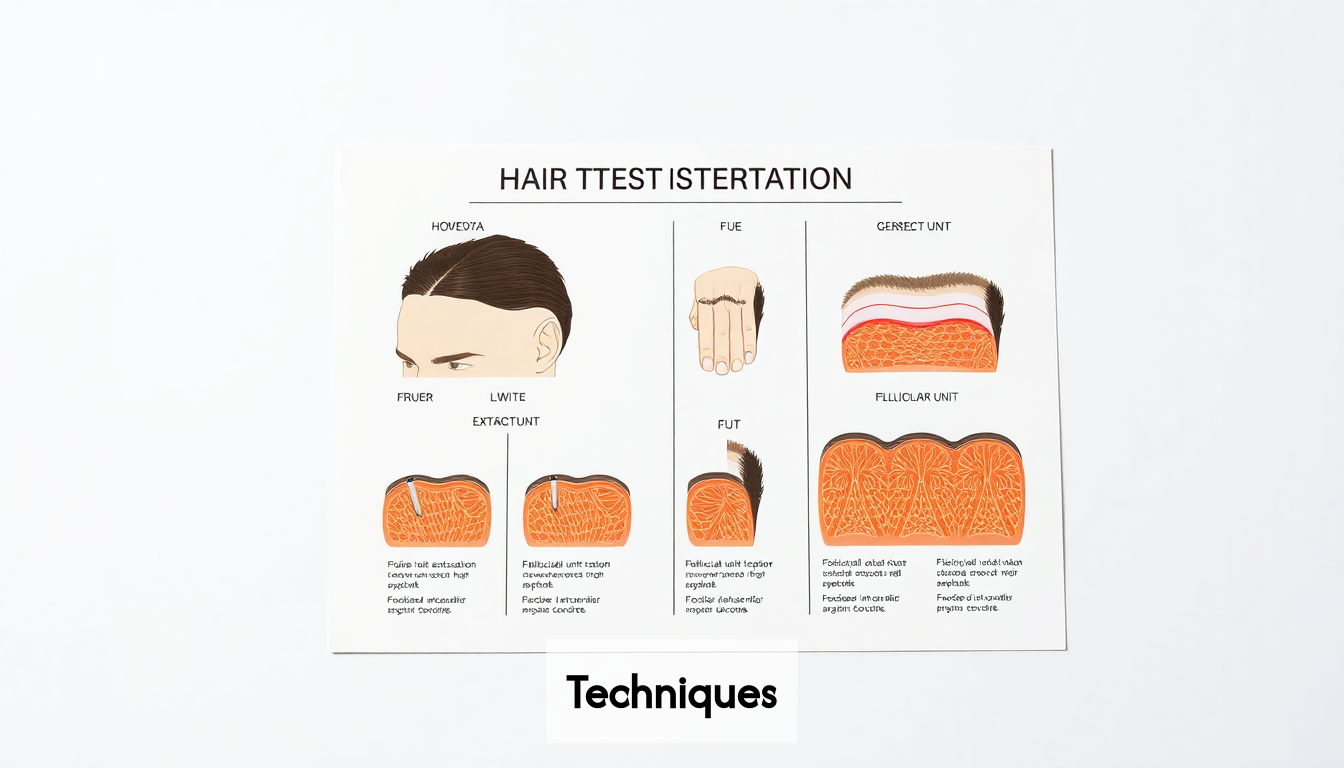
Understanding Hair Restoration Techniques
When it comes to hair follicle restoration, knowledge is power! Understanding the various hair restoration techniques out there is crucial to making informed decisions about your journey towards revitalizing your hair. With options ranging from traditional methods to modern surgical procedures, let’s explore the most popular hair replacement techniques and shed light on what works best for different scenarios.
Follicular Unit Transplantation (FUT)
One of the most well-known procedures is Follicular Unit Transplantation (FUT). This method involves removing a strip of skin from the back of the scalp, where hair is usually denser. The removed strip is then divided into smaller units, each containing one to four hair follicles, and is implanted in the balding areas. This technique is particularly effective for those looking for extensive hair restoration, as it allows for a large number of grafts to be transplanted in one session. However, keep in mind that it does leave a linear scar, which can be a concern for some.
Follicular Unit Extraction (FUE)
Another popular technique is Follicular Unit Extraction (FUE). Unlike FUT, FUE involves extracting individual hair follicles directly from the scalp using a specialized tool. This method is less invasive and often causes minimal discomfort, resulting in quicker recovery times. Plus, it leaves no visible scarring—bonus! FUE is ideal for those who prefer shorter hairstyles and want to avoid the telltale signs of traditional hair transplant procedures.
Scalp Micropigmentation (SMP)
Now, if you're not ready for surgery, let's talk about Scalp Micropigmentation (SMP). This non-invasive hair restoration technique involves tattooing tiny dots on the scalp to mimic hair follicles, giving the illusion of a fuller head of hair. SMP is particularly appealing for individuals looking for a quick solution to disguise thinning hair or balding patches.
Laser Therapy
And then we have the less invasive option of laser therapy. This promising technology utilizes low-level lasers to stimulate hair follicles, promoting hair regrowth without any surgical intervention. It's a fantastic alternative for those looking for a less daunting approach to hair restoration.
Ultimately, the best hair restoration method for you will depend on your unique situation. It could be a combination of techniques or a single procedure that meets your needs. Consulting with a hair restoration specialist is essential to devise a customized plan that will pave the way for successful hair implementation! So, let’s delve deeper into the specifics of each procedure in the upcoming sections.

The Hair Restoration Process: What to Expect
So, you’ve decided to take the leap into hair follicle restoration—exciting times ahead! But what can you expect during the hair restoration process? Knowing the journey and the steps involved can help ease your nerves and keep you brimming with enthusiasm!
Consultation and Assessment
First things first: the consultation! Booking an appointment with a hair restoration specialist will kick off your journey. During this initial meeting, the doctor will assess your hair loss pattern, examine your scalp, and discuss your medical history. It’s essential to be open and honest here, as your specialist will determine the best method for hair restoration tailored to your unique needs. Plus, don’t hesitate to ask questions like, "What is the procedure for hair transplant?" Your doctor will guide you through understanding the restorative process.
Pre-Procedure Preparations
Once you've settled on a technique—be it the tried-and-true FUT, the popular FUE, or even SMP—you'll have a chance to prepare yourself. This might involve some lifestyle adjustments, such as avoiding blood thinners and quitting smoking, as these can hinder the healing process. Your specialist will provide you with a comprehensive list of pre-procedure instructions, so be sure to follow them closely!
Day of the Procedure
On the day of the hair restoration procedure, you can expect to feel a mix of excitement and nerves—it’s totally normal! Arrive at the clinic with a positive mindset. The procedure starts with local anesthesia to numb the area, ensuring you’re comfortable throughout the process. Depending on the chosen technique, the procedure can take anywhere from a few hours to a whole day. For instance, FUE might take slightly longer, but the minimal discomfort and quicker recovery are often worth it!
Post-Procedure Care
Once the big moment is over, it’s essential to follow your doctor’s post-procedure care instructions. You might experience slight discomfort, redness, or swelling, but don’t worry, this is entirely normal! Your specialist will outline aftercare to promote healing and maximize results. You could be advised to avoid strenuous activities for a few days and to keep the scalp moisturized.
Results Timeline
Patience is key during the hair restoration process. Generally, you can expect to see initial hair growth within a few months, with the final results usually becoming more apparent between six months and a year! Just remember: good things come to those who wait. As your hair regrows, you'll be ecstatic to look in the mirror and witness your transformed look!
Your hair restoration journey is all about understanding what to expect along the way—from consultations to aftercare. So buckle up, my friends, because you're on an exciting path toward fuller, thicker hair!
Common Hair Replacement Techniques and Technologies
As we delve deeper into the world of hair follicle restoration, let's take a closer look at some common hair replacement techniques and emerging technologies that are reshaping the landscape of hair restoration. Whether you’re looking for a long-term solution or a quick fix, there are various options that cater to different needs and scenarios.
Hair Transplant Surgery
Perhaps the most well-known method, hair transplant surgery focuses on transferring healthy hair follicles from one part of the scalp (often the back or sides) to balding or thinning areas. This procedure typically falls into two categories – Follicular Unit Transplantation (FUT) and Follicular Unit Extraction (FUE), which we previously discussed. FUT excels in graft density, while FUE is praised for its minimal scarring. According to Dr. John Adams, a renowned hair restoration surgeon, "The best method for hair restoration largely depends on the patient’s specific hair loss patterns and personal preferences. Each technique has its unique advantages."
Synthetic Hair Implants
For those who may not be ready for surgery or want immediate results, synthetic hair implants can be an alternative. This procedure involves the implantation of artificial hair fibers into the scalp. While this option provides instant fullness, it may not blend as seamlessly with natural hair, and maintenance can be trickier. It's worth discussing potential downsides with a specialist before jumping aboard this method.
Hairpieces and Wigs
Don’t underestimate the power of a good hairpiece or wig! Modern advancements in wig technology have led to incredibly natural-looking products that can be a great temporary or even permanent solution for hair loss. With options ranging from custom-fit wigs to topper pieces that blend with existing hair, many individuals are finding that these solutions can enhance their confidence without undergoing surgical procedures.
Platelet-Rich Plasma (PRP) Therapy
Another groundbreaking technique gaining traction in the hair restoration community is Platelet-Rich Plasma (PRP) therapy. This non-surgical procedure involves drawing a small amount of your blood and processing it to concentrate the platelets. The PRP is then injected into the scalp, stimulating hair growth and improving hair follicle health. Many individuals swear by PRP therapy for improved hair thickness, making it one of the most popular non-invasive options available today!
Low-Level Laser Therapy (LLLT)
Low-level laser therapy, or LLLT, harnesses the power of lasers to stimulate hair follicles and enhance hair regrowth. It’s a painless, non-invasive procedure that can be done in a clinical setting or at home with specialized laser devices. Users report noticing improvements in hair density over time, making it an attractive option for those who prefer a more gradual approach.
Combining Techniques
The good news here is that many people find success in combining hair restoration methods for optimal results. For instance, someone undergoing hair transplant surgery might also consider PRP therapy to enhance healing and promote hair growth. The beauty of today’s hair replacement landscape is the vast array of options, making it possible to find a method or combination that best suits your needs.
Embracing the right hair replacement technique and technology can make a world of difference in your journey to restore your crowning glory. As we continue this guide, remember that each option is designed to cater to your individual needs, helping you step out with renewed confidence!
Choosing the Best Method for Hair Restoration
With so many options available in the realm of hair follicle restoration, you might feel like a kid in a candy store. However, the key to successful hair restoration is carefully considering which method suits you best! Let’s break down the essential factors to consider as you embark on this exciting journey toward hair replenishment.
Assess Your Hair Loss Situation
Before diving into any hair replacement techniques, it's essential to evaluate your unique hair loss pattern. Are you experiencing thinning on the crown, or is your hairline receding? Understanding the specifics of your hair loss helps determine the most effective hair restoration method. Most professionals recommend seeking an initial consultation with a specialist who can perform a thorough scalp analysis to tailor a personalized plan just for you.
Consider Your Lifestyle
Are you a busy bee constantly on the go, or do you have a bit more time to dedicate to post-procedure recovery? Surgical methods, like Follicular Unit Transplantation (FUT) and Follicular Unit Extraction (FUE), may require significant downtime. If you prefer to avoid surgery altogether, consider non-invasive options like PRP therapy or laser therapy, which often involve fewer restrictions post-treatment. As my friend often says, "Choose a method that fits your lifestyle so you can focus on enjoying life and not worrying about your hair!"
Evaluate Your Budget
Let’s not forget about the financial aspect! Hair restoration procedures can vary significantly in price. While surgical options like FUT and FUE tend to have a higher upfront cost, they often provide long-lasting results. Non-surgical methods may require ongoing treatments and maintenance, so take the time to calculate your budget over the long term. It’s essential to find a method that provides value without breaking the bank.
Research Your Options
Take the time to dive deep into the various techniques available. Read up on success stories, real-world applications, and before-and-after photos to help guide your decision. forums and online communities can also be goldmines of information, sharing various experiences with hair restoration processes. Being well-informed will empower you to make the best choice for your situation.
Consult with Professionals
Finally, don’t hesitate to consult with multiple hair restoration specialists. Each practitioner may have a different approach and expertise, which can help you refine your options. A good professional will gladly share their recommendations and help you understand which method aligns with your goals.
Final Thoughts
Selecting the best method for hair restoration is all about doing your homework and considering what factors are most crucial to you. Whether you end up going for an advanced hair transplant follicle surgery or a low-maintenance solution like laser therapy, the most important thing is that you feel confident in your choice and excited about the results to come.
So, embrace your journey toward the restoration of hair with an open mind and a well-researched plan. Remember, when it comes to hair restoration, it’s not just about where you start but where you envision yourself going. Let's keep this momentum rolling!
Frequently Asked Questions
What is hair follicle restoration?
Hair follicle restoration refers to various procedures that aim to revitalize hair growth and replenish hair follicles that have been damaged or lost due to factors like aging or stress.
What are the main techniques used in hair restoration?
The primary techniques include Follicular Unit Transplantation (FUT), Follicular Unit Extraction (FUE), Scalp Micropigmentation (SMP), Laser Therapy, and Platelet-Rich Plasma (PRP) therapy.
How long does it take to see results from hair restoration procedures?
Initial hair growth can typically be seen within a few months, with final results often becoming more apparent within six months to a year.
What factors should I consider when choosing a hair restoration method?
You should assess your specific hair loss situation, consider your lifestyle, evaluate your budget, research your options, and consult with professionals to determine the best method for you.
Unlock Your Hair's Potential with Myhair.ai
Are you feeling overwhelmed by hair loss, considering hair restoration techniques, but unsure where to start? You're not alone! Many individuals concerned about thinning hair often struggle with choices around methods like Follicular Unit Transplantation (FUT) or Follicular Unit Extraction (FUE). With so much to consider—from evaluating your unique hair loss pattern to choosing the best method for your lifestyle—the journey to restore your hair health can be daunting.
Imagine having an AI-powered platform at your fingertips that analyzes your hair health in an instant! At Myhair.ai, we understand your concerns and have designed a solution that provides personalized insights tailored just for you.
- Analyze Your Hair: Simply upload your hair images, and let our advanced scanning technology process your condition.
- Receive Tailored Recommendations: Benefit from curated product suggestions based on your specific needs, ensuring you’re on the right path to revitalizing your hair.
- Consult with Experts: Our certified hair specialists are here to guide you every step of the way, ensuring you make informed decisions on your restoration journey.
🌟 Take Action Now: Stop wondering if hair restoration techniques are right for you and start seeing results! Visit Myhair.ai today for your personalized hair analysis, and step confidently into a future filled with fuller, healthier hair. Don’t let your hair hold you back any longer—your journey to hair rejuvenation starts NOW!