Your hair growth journey might seem simple, but it’s actually a complex biological process that unfolds in three key phases. Surprisingly, about 90% of your hair is in the active growth phase at any moment, making it critical to nurture it properly. But here's the twist—many people believe that just using fancy products can guarantee lush, healthy hair. In reality, a strong routine that respects the growth cycle is the secret to achieving not just length but also density and shine. Prepare to discover how you can transform your hair care approach for optimal results.
Understanding Your Hair Growth Cycle
Before diving into the perfect hair growth routine, it's essential to understand how your hair actually grows. Hair doesn't simply extend continuously—it follows a complex biological cycle that determines its health, length, and appearance.
The Three Phases of Hair Growth
Your hair growth journey occurs in three distinct phases that work together in a continuous cycle. According to research from MONPURE, approximately 90% of your hair is in the active growth phase at any given time.
The anagen phase is the active growth period lasting between 2-6 years. This is when your hair follicles are hard at work producing new hair cells, pushing older ones up the follicle shaft as your hair grows about 1cm per month. The length of this phase largely determines how long your hair can potentially grow.
Next comes the catagen phase, a brief 10-12 day transitional period when growth stops and the follicle shrinks. Think of this as your hair's resting period after the intense activity of the anagen phase.
Finally, the telogen phase lasts about three months. During this time, the follicle rests completely while new hair begins forming underneath. The old hair eventually detaches and sheds—explaining why losing 50-100 hairs daily is completely normal and not cause for concern.
How Your Routine Impacts Each Phase
Understanding these phases reveals why a consistent hair growth routine matters so much. The products you use, how you handle your hair, and even your diet directly influence how efficiently your follicles move through these cycles.
When you implement a targeted hair growth routine, you're essentially creating optimal conditions for the anagen phase to extend as long as possible while ensuring smooth transitions through catagen and telogen. This means stronger hair that grows longer before shedding.
Many factors can disrupt this delicate cycle—stress, poor nutrition, harsh styling practices, and environmental damage can all push hair prematurely into the shedding phase or weaken it during growth. That's why a comprehensive hair growth regimen addresses both internal health and external care.
By working with your natural hair cycle rather than against it, you'll see improvements not just in length but in density, strength, and overall appearance. Remember that consistency is key—your follicles respond to long-term care rather than quick fixes.
In the next section, we'll explore exactly how to build that ideal daily routine that supports each phase of your hair's growth journey.
Key Takeaways
| Takeaway | Explanation |
|---|---|
| Understand Hair Growth Phases | Familiarize yourself with the anagen, catagen, and telogen phases to enhance your hair growth routine. Optimizing conditions for the anagen phase is crucial for achieving longer hair. |
| Establish a Consistent Routine | Develop a daily hair care regimen focused on gentle handling, suitable cleansing with sulfate-free products, and regular moisturizing to improve hair health. |
| Prioritize Scalp Health | Maintain a healthy scalp through regular cleansing, targeted treatments for issues like dryness or inflammation, and scalp massages to promote circulation and growth. |
| Embrace Nutritional Support | Incorporate protein, iron, omega-3 fatty acids, and B-complex vitamins into your diet to support hair structure and growth. Stay hydrated and manage stress to prevent hair loss. |
| Select Natural Products Wisely | Choose hair care products with beneficial natural ingredients like aloe vera and rosemary oil, while avoiding harmful fillers like sulfates and parabens, to maintain a balanced scalp environment. |
Establishing Your Daily Hair Growth Routine
Now that you understand how your hair grows, it's time to craft a daily routine that nurtures every phase of the growth cycle. Consistency is the cornerstone of any effective hair growth regimen—your follicles respond best to reliable, gentle care rather than sporadic treatments.
Morning Care Fundamentals
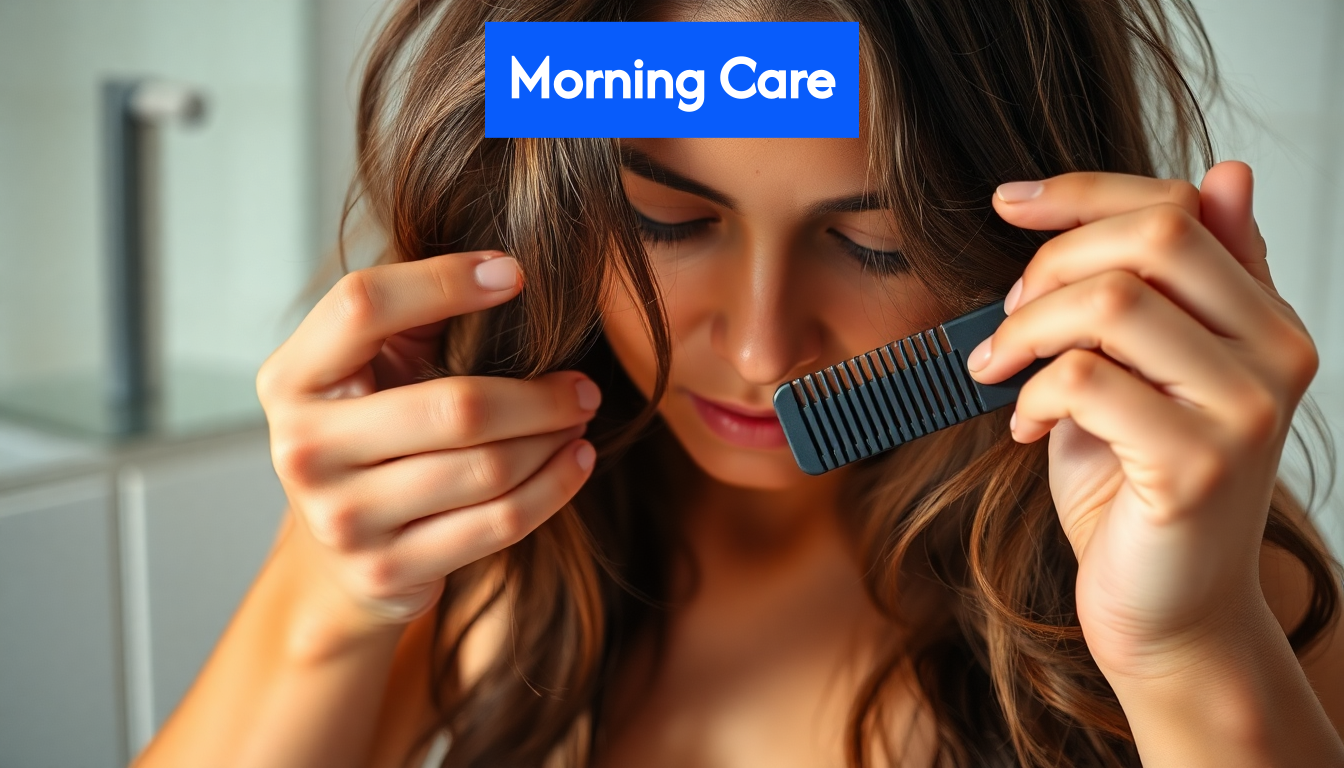
Your morning hair care sets the foundation for how your hair will withstand daily stressors. Start with gentle detangling using a wide-tooth comb or specialized detangling brush, working from ends to roots to minimize breakage. This simple step prevents unnecessary stress on follicles that can disrupt the growth cycle.
If you wash your hair in the morning, choose a sulfate-free shampoo that cleanses without stripping natural oils. According to experts at GK Hair, harsh chemicals in conventional shampoos can damage the scalp environment necessary for optimal growth. Focus the shampoo on your scalp rather than lengths, massaging gently with fingertips to stimulate blood flow to follicles.
Follow with a nutrient-rich conditioner, concentrating on mid-lengths to ends where moisture is most needed. Leave it on for 2-3 minutes to allow ingredients to penetrate the hair shaft. For extra nourishment, incorporate a leave-in conditioner or hair oil focusing on the ends, which are the oldest part of your hair and most prone to damage.
Before heat styling, always apply a heat protectant—temperatures above 350°F can compromise your hair's protein structure and halt growth progress. Better yet, embrace air-drying when possible or use the lowest heat setting on your tools.
Evening Recovery Routine
Your nighttime routine is equally important for a successful hair growth journey. Begin by gently brushing your hair with a natural bristle brush to distribute oils from scalp to ends. This not only prevents tangling but also provides natural conditioning.
Consider a 3-5 minute scalp massage with a growth-promoting oil like rosemary, peppermint, or coconut. This increases blood circulation to follicles, delivering nutrients needed for robust growth during the anagen phase.
Protect your progress by sleeping on a silk or satin pillowcase, which reduces friction that can cause breakage and split ends. For longer hair, a loose braid prevents nighttime tangling without creating tension on the follicles.
Weekly Support Treatments
Complement your daily routine with weekly treatments that address deeper needs. A nourishing hair mask applied for 15-30 minutes once a week can dramatically improve elasticity and strength. Alternate between protein treatments to strengthen strands and moisturizing masks to maintain flexibility.
Schedule a weekly scalp exfoliation to remove buildup that can clog follicles and impede growth. Use a gentle scrub specifically formulated for scalp care or a diluted apple cider vinegar rinse to restore pH balance.
Tracking your progress is essential—take monthly photos in consistent lighting to observe changes. Remember that visible results typically emerge after 3-4 months of consistent practice, as your hair completes its growth cycles.
By establishing this comprehensive daily routine, you're creating optimal conditions for each hair to maximize its growing potential. The key is persistence—even on busy days, prioritize the essentials of gentle handling, protection, and nourishment to maintain momentum in your hair growth journey.
Effective Scalp Care and Maintenance
While much attention goes to the visible part of your hair, the true foundation of any successful hair growth routine lies beneath the surface. Your scalp is the fertile soil from which healthy hair springs—neglect it, and even the most expensive products will fall short of their promises.
Recognizing Signs of an Unhealthy Scalp
Before implementing new care strategies, assess your scalp's current condition. According to research from EvolveH, common indicators of scalp issues include persistent itchiness, tightness, excessive flaking, or hair that becomes greasy within hours of washing. These symptoms signal that your scalp microbiome—the delicate ecosystem of bacteria and fungi that protect your skin—may be compromised.
Pay attention to changes in hair texture or unexpected shedding, which often indicate underlying scalp inflammation. A healthy scalp should feel comfortable, not tight or itchy, and should maintain balance without excessive oiliness or dryness.
Deep Cleansing Techniques for Optimal Growth
Effective scalp care begins with thorough but gentle cleansing to remove buildup without stripping natural oils. Alternate between a clarifying shampoo once every 1-2 weeks and a gentler daily option that maintains your scalp's natural protective barrier.
When shampooing, focus on technique: use lukewarm water (hot water stimulates excess oil production), and massage the shampoo into your scalp with fingertips for a full 60 seconds. This ensures product residue and dead skin cells are properly dissolved before rinsing thoroughly.
For those with particularly oily scalps or who use styling products regularly, a pre-shampoo scalp scrub can be transformative. These exfoliating treatments remove stubborn buildup that regular shampoo might miss, clearing the way for hair follicles to function optimally.
Targeted Treatments for Common Scalp Concerns
Beyond basic cleansing, targeted treatments address specific scalp issues that may hinder growth. For dry, flaky scalps, weekly oil treatments with jojoba or argan oil can restore moisture balance. Apply to dry scalp sections, massage gently, and leave on for 20 minutes before shampooing.
Those experiencing inflammation may benefit from aloe vera applied directly to the scalp, which soothes irritation while promoting circulation. Tea tree oil diluted in a carrier oil works wonders for fungal issues that can clog follicles and impede growth.
Consider incorporating a dedicated scalp serum into your routine—these lightweight treatments deliver concentrated ingredients directly to follicles without weighing down hair. Look for formulations containing peptides to strengthen hair at the root, niacinamide to regulate oil production, or caffeine to stimulate circulation.
The Scalp Massage Protocol for Enhanced Growth
Perhaps the most underrated yet effective technique for promoting hair growth is regular scalp massage. This simple practice increases blood flow to follicles, delivering vital nutrients while reducing stress hormones that can trigger shedding.
Implement a 5-minute scalp massage using the following technique: place fingertips firmly on your scalp and move the skin in small circular motions without letting your fingers slide across the hair. This movement should be firm enough to move the scalp over the skull but never painful.
For enhanced benefits, try massage with a tool designed specifically for scalp stimulation, such as a silicone scalp massager or a wide-toothed wooden comb. These tools can reach areas your fingers might miss while providing consistent pressure.
By prioritizing scalp health as the foundation of your hair growth routine, you address the root cause of many growth issues. Remember that your scalp responds to consistent care rather than occasional treatments—incorporate these practices daily to create the optimal environment for your hair to thrive from the inside out.
Selecting Natural Products for Growth
The products you choose play a crucial role in your hair growth journey. With countless options claiming miraculous results, navigating the world of hair care products can feel overwhelming. Let's focus on identifying truly effective natural ingredients that support your hair growth routine.
Decoding Hair Product Labels
The first step in selecting growth-promoting products is learning to read labels critically. Many commercial products contain fillers and potentially harmful ingredients that provide immediate cosmetic benefits at the expense of long-term hair health.
Avoid products containing sulfates (like sodium lauryl sulfate), which strip natural oils and irritate the scalp. Similarly, silicones create temporary smoothness but build up over time, suffocating the scalp and preventing moisture absorption. Parabens, synthetic fragrances, and alcohols can also disrupt your scalp's delicate ecosystem.
Instead, according to experts at Flourish Living, rotating between different natural products helps prevent buildup while providing varied nutrients. This approach keeps your scalp environment balanced and receptive to growth.
Essential Natural Ingredients for Growth
When selecting products, prioritize these proven natural ingredients that support the hair growth cycle:
Aloe vera stands out for its ability to balance scalp pH while delivering enzymes that promote healthy cell turnover. Look for it high on ingredient lists in shampoos and leave-in treatments.
Rosemary oil deserves special attention—recent studies show it matches minoxidil (the active ingredient in Rogaine) for promoting growth but without side effects. Products containing rosemary oil or DIY scalp treatments using it diluted in a carrier oil can significantly enhance circulation to follicles.
Peptides strengthen the protein bonds within hair strands and signals follicles to extend the anagen growth phase. These amino acid chains are particularly effective in leave-in treatments and serums that remain on the scalp.
Plant-based oils like argan, jojoba, and coconut provide essential fatty acids that strengthen the hair shaft from within. For fine hair, lighter oils like grapeseed prevent weighing down strands while still nourishing follicles.
Creating a Product Rotation System
Rather than using the same products continuously, implement a thoughtful rotation system based on your hair's changing needs. This prevents buildup and ensures your scalp doesn't become desensitized to active ingredients.
Begin with a clarifying treatment once every two weeks to reset your scalp environment. Between these treatments, alternate between protein-rich products (containing ingredients like keratin or amino acids) and moisture-focused options (with natural humectants like honey or glycerin).
Consider seasonal adjustments as well—during winter months, incorporate more deeply moisturizing ingredients like shea butter or coconut oil, while summer might call for lighter hydrators like aloe vera and hyaluronic acid.
DIY Natural Growth Treatments
Supplementing commercial products with simple home treatments can enhance your routine without breaking the budget. A weekly scalp mask of equal parts plain yogurt and raw honey soothes inflammation while delivering probiotics to restore scalp balance.
For a growth-stimulating scalp treatment, combine 2 tablespoons of coconut oil with 5 drops each of rosemary and peppermint essential oils. Massage into the scalp, leave for 30 minutes, then shampoo as usual. The tingling sensation indicates increased blood flow to follicles—the exact environment needed for optimal growth.
Remember that consistency trumps complexity. A simple routine using a few high-quality natural products will yield better results than constantly switching between dozens of options. Give products at least 4-6 weeks to show results before deciding on their effectiveness, as this aligns with your hair's natural growth cycle phases.
Nutrition and Lifestyle for Hair Health
Even the most meticulous hair care routine cannot compensate for what happens inside your body. Your hair follicles are incredibly sensitive to nutritional status, hormonal changes, and stress levels—often serving as early indicators of internal imbalances before other symptoms appear.
The Hair Growth Diet
Your hair is primarily made of protein (keratin), requiring consistent protein intake to maintain growth. However, according to Philip Kingsley experts, many people underestimate how dramatically nutritional deficiencies impact hair health, often noticing changes 2-3 months after the deficiency begins.
Incorporate these foundation nutrients for optimal hair growth:
Protein serves as the building block of hair structure. Aim for complete proteins (containing all essential amino acids) like eggs, poultry, fish, dairy, or complete plant combinations such as rice with beans. Without adequate protein, hair growth slows and existing strands become brittle.
Iron deficiency is among the most common nutritional causes of hair shedding. Red meat provides highly bioavailable iron, but plant sources like lentils, spinach, and fortified cereals can be effective when consumed with vitamin C to enhance absorption.
Omega-3 fatty acids maintain scalp health by regulating oil production and reducing inflammation. Fatty fish (salmon, mackerel), walnuts, flaxseeds, and chia seeds should feature regularly in your weekly meal plan.
B-complex vitamins—particularly biotin—support keratin infrastructure. Find them in whole grains, nuts, eggs, and leafy greens. While biotin supplements are popular, food sources provide a balanced spectrum of B vitamins that work synergistically.
Vitamin D deficiency correlates strongly with hair loss conditions, yet many adults have insufficient levels. Besides sunlight exposure, incorporate vitamin D-rich foods like fatty fish, egg yolks, and fortified products.
Hydration and Hair Volume
Proper hydration directly impacts hair appearance and growth potential. Hair strands contain about 10% water, affecting their elasticity and volume. Chronic dehydration leads to brittle hair and a dry scalp that flakes and itches, creating an inhospitable environment for healthy growth.
Aim for at least 2 liters of water daily, more during hot weather or intense physical activity. Monitor your hydration status through urine color—pale yellow indicates adequate hydration. Coffee, alcohol, and highly processed foods increase dehydration, requiring additional water intake to compensate.
Stress Management for Hair Retention
Chronic stress triggers a cascade of hormonal responses that can push hair follicles prematurely into the telogen (shedding) phase. This condition, called telogen effluvium, typically causes noticeable thinning 3-4 months after a stressful event.
Implement these stress-reduction practices specifically for hair health:
Regular physical activity increases circulation to the scalp while reducing cortisol levels. Aim for 30 minutes of moderate exercise most days, but avoid excessive high-intensity workouts which can temporarily increase stress hormones.
Adequate sleep is when your body repairs tissues, including hair follicles. Prioritize 7-9 hours of quality sleep, as sleep deprivation raises cortisol and disrupts growth hormone production necessary for cellular repair.
Mindfulness practices like meditation or deep breathing activate your parasympathetic nervous system, countering the stress response. Even 5-10 minutes daily can significantly reduce stress hormones that contribute to hair loss.
Lifestyle Factors That Sabotage Growth
Beyond nutrition and stress, several lifestyle habits can undermine your hair growth efforts:
Excessive heat styling creates microscopic damage to the hair cuticle that accumulates over time. Limit hot tools to 2-3 times weekly, always using heat protection products, and keeping temperatures below 350°F.
Tight hairstyles cause traction alopecia—hair loss from constant pulling force on follicles. Rotate your hairstyles regularly and avoid sleeping in styles that pull on your hairline.
Smoking reduces blood flow to the scalp and introduces toxins that damage the DNA of hair follicles. Studies show smokers have thinner hair and experience earlier graying than non-smokers.
Remember that your hair reflects your overall health with remarkable accuracy. While external treatments certainly help, true transformation begins with internal nourishment and lifestyle balance. The best part? These changes benefit not just your hair but your entire body—creating a foundation for both health and beauty.
Frequently Asked Questions
What are the three phases of hair growth?
The hair growth cycle consists of three phases: the anagen phase (active growth lasting 2-6 years), the catagen phase (transitional period lasting 10-12 days), and the telogen phase (resting phase lasting about three months). Understanding these phases is essential for effective hair care.
How can I establish a daily hair growth routine?
To create an effective hair growth routine, focus on gentle detangling, using sulfate-free shampoos, conditioning, and protecting your hair from heat damage. Consistency is key, and make sure to incorporate scalp health practices and nutritional support into your regimen.
What ingredients should I look for in hair care products?
Opt for natural ingredients like aloe vera, rosemary oil, and peptides, which support hair growth and scalp health. Avoid harmful fillers, including sulfates and parabens, that can damage your hair and scalp.
How does diet affect hair growth?
A balanced diet rich in protein, iron, omega-3 fatty acids, and B vitamins is crucial for healthy hair growth. Staying hydrated and managing stress also play a significant role in maintaining the health of your hair and scalp.
Elevate Your Hair Growth Journey with AI-Powered Insights
Are you ready to transform your hair growth routine from daily struggle to effortless success? After uncovering the secrets of the hair growth cycle—those vital anagen, catagen, and telogen phases—it's clear that understanding your unique hair journey is essential. But what if you could have personalized insights to make this journey easier and more effective? You don't have to navigate this path alone.

With MyHair.ai, you gain access to revolutionary AI technology designed to analyze your hair health and provide tailored recommendations based on your specific needs. Track your hair growth, monitor changes over time, and receive personalized product suggestions that align with your growth goals and the rules of the hair growth cycle explained in the article. No more guesswork; just effective solutions at your fingertips.
Don't wait to unlock the potential for strong, shiny hair that thrives through every phase. Discover your personalized hair growth insights today at MyHair.ai and take the first step towards healthier hair now!