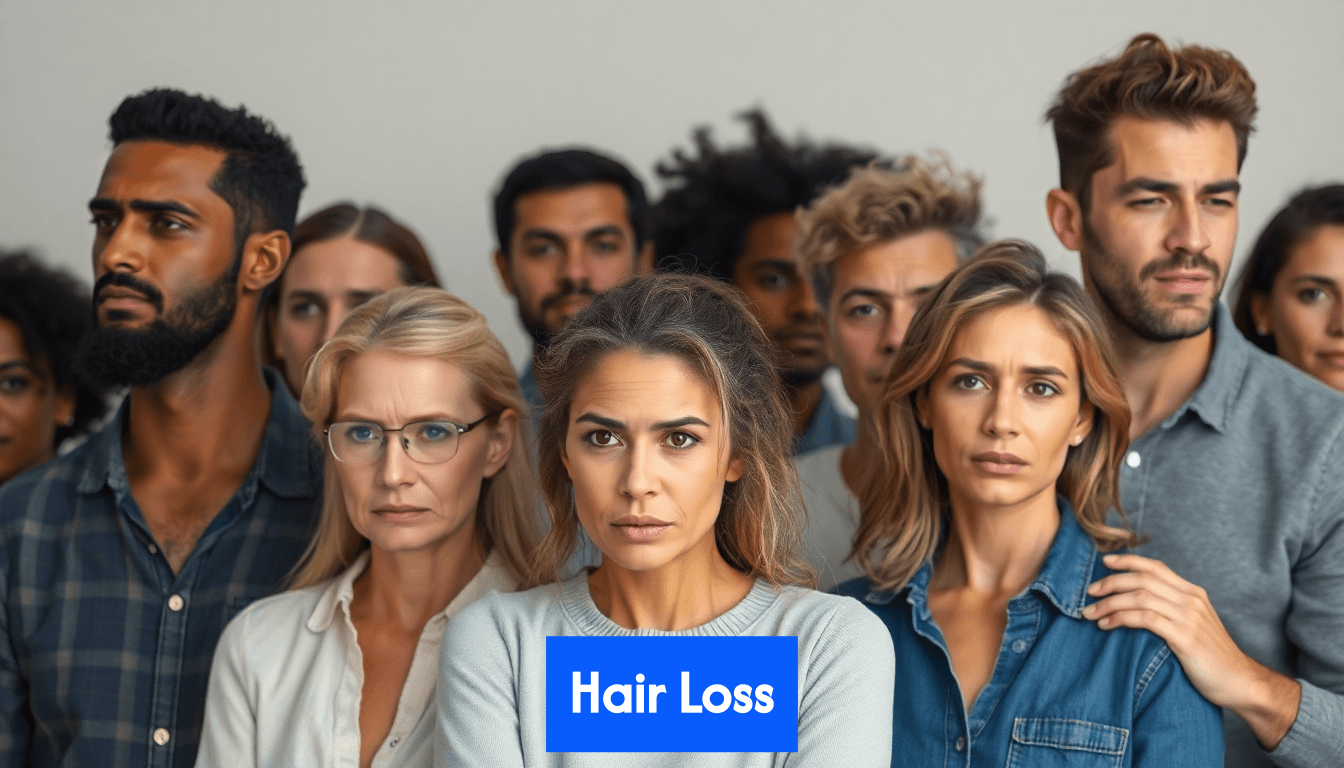
Hair loss is a staggering reality that impacts approximately 30 million women and 50 million men in the United States. But here's the kicker: the root causes of hair loss are far more intricate than most people realize. While many blame genetics, a surprising array of factors ranging from hormonal imbalances to environmental stress can contribute to this condition. Understanding these underlying triggers opens the door to more effective solutions, making it possible to tackle hair loss with a multi-faceted approach.
Understanding Hair Loss Causes
Hair loss affects millions worldwide, causing significant emotional distress and impacting self-confidence. To effectively approach hair loss and hair growth treatment, we must first understand what triggers this condition. Recent research has revealed that hair loss is far more complex than previously thought, with multiple factors often working simultaneously.
The Multifactorial Nature of Hair Loss
Contrary to popular belief, hair loss isn't simply genetic destiny. While hereditary factors play a significant role in conditions like androgenetic alopecia (male and female pattern baldness), they represent just one piece of a complex puzzle. According to research published in the journal Cosmetics, there are eight major etiological factors contributing to hair loss, collectively known as the "Big Eight Strikes."
These factors include hormonal imbalances (particularly androgens), prostaglandin disruptions, overactive glucose metabolism, microbial over-colonization, inflammation, fibrosis, circulation problems, and nutritional deficiencies. What's particularly noteworthy is that these factors don't operate in isolation but often create cascading effects that accelerate hair thinning and loss.
Hormonal Factors
Hormones significantly influence hair growth cycles. In androgenetic alopecia, dihydrotestosterone (DHT), a derivative of testosterone, binds to receptors in hair follicles, causing them to shrink gradually. This process, called miniaturization, leads to shorter growth phases and finer hair strands that eventually stop growing altogether.
While DHT is often viewed as the primary culprit in male pattern baldness, other hormonal imbalances can trigger hair loss as well. Thyroid disorders, polycystic ovary syndrome, pregnancy-related hormonal shifts, and even stress hormones can disrupt normal hair growth cycles.
Lifestyle and Environmental Triggers
Modern lifestyles contribute significantly to hair loss patterns. Chronic stress triggers cortisol production, which can push hair follicles prematurely into the resting phase. Poor nutrition deprives follicles of essential building blocks for healthy growth. Inadequate sleep disrupts hormone regulation and cellular repair mechanisms.
Other lifestyle factors that contribute to hair thinning include:
- Oxidative stress from pollution, smoking, and UV radiation damages follicle cells
- Harsh hair care practices including tight hairstyles and heat styling
- Certain medications including some antidepressants, blood thinners, and chemotherapy drugs
- Rapid weight loss or extreme dieting that creates nutritional deficiencies
Medical Conditions and Inflammatory Responses
Various medical conditions can trigger or exacerbate hair loss. Autoimmune disorders like alopecia areata cause the immune system to attack hair follicles. Scalp infections, both fungal and bacterial, create inflammatory responses that disrupt normal growth cycles. Even COVID-19 has been linked to increased rates of telogen effluvium, a temporary but sometimes dramatic shedding condition.
Understanding these diverse causes is essential when seeking appropriate hair loss and hair growth treatment. The most effective approaches address multiple underlying factors rather than focusing on a single cause. This comprehensive understanding helps explain why some treatments work better for certain individuals than others, and why combining therapeutic approaches often yields the best results for those dealing with significant hair thinning or loss.
Key Takeaways
| Takeaway | Explanation |
|---|---|
| Understand multifactorial causes of hair loss | Hair loss can result from hormonal imbalances, lifestyle factors, medical conditions, and more, thus effective treatments should address multiple underlying causes. |
| Incorporate natural remedies and nutrition | Utilizing plant-based solutions and maintaining a balanced diet rich in essential proteins, vitamins, and minerals can promote hair health and growth. |
| Implement consistent hair and scalp care | Gentle hair care routines and regular scalp massages can enhance blood flow and nutrient delivery to hair follicles, supporting growth and overall hair condition. |
| Consider medical options when necessary | FDA-approved medications like finasteride and minoxidil, as well as treatments like PRP therapy and surgical restoration, can provide effective results for significant hair loss. |
| Practice stress management for better hair health | Techniques such as meditation, regular physical activity, and ensuring adequate sleep help manage stress levels, which are crucial for maintaining healthy hair growth cycles. |
Natural Remedies for Hair Growth
When facing hair loss, many people prefer to start with natural approaches before turning to pharmaceutical treatments. This preference stems from concerns about side effects associated with conventional medications and a desire for sustainable, holistic solutions. Natural remedies for hair loss and hair growth treatment have gained popularity as research increasingly validates traditional practices with scientific evidence.
Plant-Based Solutions
The botanical world offers a treasure trove of compounds that may help combat hair loss and stimulate new growth. According to research published in the journal Diversity, numerous plants traditionally used in African hair care demonstrate potential for improving hair health through what researchers describe as "topical nutrition" - providing essential nutrients directly to the scalp and hair follicles.
Several plant extracts have shown particular promise:
- Rosemary oil contains ursolic acid and carnosic acid, compounds that improve microcirculation in the scalp and have been compared to minoxidil in effectiveness for certain types of hair loss
- Saw palmetto blocks 5-alpha-reductase, the enzyme that converts testosterone to DHT, making it potentially helpful for androgenetic alopecia
- Ginseng contains saponins that stimulate hair follicles and can strengthen the hair shaft
- Aloe vera delivers anti-inflammatory and moisturizing benefits while providing essential amino acids and vitamins

Nutritional Approaches
What you put into your body affects what grows out of it. Hair is primarily made of protein, specifically keratin, so adequate protein intake is fundamental for healthy hair growth. Beyond protein, several nutrients play crucial roles in maintaining normal hair cycles and preventing premature shedding.
Key nutritional components for hair growth include:
Iron deficiency is one of the most common nutritional causes of hair loss, especially in women. Vitamin C enhances iron absorption, making foods like spinach paired with citrus fruits particularly beneficial. B vitamins, especially biotin, support keratin infrastructure, while vitamin D receptors in hair follicles suggest its importance in hair cycling. Zinc and selenium serve as cofactors for enzymes involved in hair development and protection against oxidative damage.
Scalp Care Practices
Healthy hair begins with a healthy scalp. Natural approaches to optimizing the scalp environment can create ideal conditions for hair growth. Regular scalp massage increases blood flow to follicles, potentially improving nutrient delivery and waste removal. This simple practice has shown measurable benefits in studies on hair thickness.
Traditional practices like oil treatments with coconut, jojoba, or argan oils can nourish the scalp and strengthen existing hair. These oils contain fatty acids that penetrate the hair shaft and help prevent protein loss. Many people also report benefits from exfoliating treatments that remove dead skin cells and product buildup, allowing hair to grow unimpeded.
Lifestyle Modifications
Natural hair loss remedies extend beyond topical treatments to encompass lifestyle choices that create systemic conditions conducive to healthy hair growth. Stress reduction techniques like meditation, yoga, and adequate sleep help regulate hormones that influence hair cycles. Regular exercise improves circulation throughout the body, including the scalp, while avoiding extreme diets prevents nutritional deficiencies that can trigger telogen effluvium.
It's important to note that natural remedies typically work more slowly than pharmaceutical options and may be most effective for mild to moderate hair thinning rather than advanced hair loss. For best results, consistency is key - most natural treatments require several months of regular use before improvements become noticeable. Those seeking hair loss and hair growth treatment through natural means should set realistic expectations and consider combining multiple approaches for synergistic benefits.
Medical and Surgical Options
When natural remedies don't provide sufficient results, medical and surgical interventions offer more aggressive approaches to hair loss and hair growth treatment. These options typically deliver more dramatic and faster results, though they often come with higher costs and potential side effects. Understanding the full spectrum of medical treatments available can help those experiencing significant hair loss make informed decisions.
FDA-Approved Medications
Currently, only two medications have received FDA approval specifically for treating hair loss: finasteride and minoxidil. Each works through different mechanisms and may be more effective for certain types of hair loss.
Finasteride (commonly known by the brand name Propecia) is an oral medication that blocks the enzyme 5-alpha-reductase, preventing the conversion of testosterone to DHT. Since DHT is the primary hormone responsible for male pattern baldness, reducing its levels can slow hair loss and sometimes stimulate regrowth. Finasteride is generally prescribed for men, as it can cause birth defects if taken by pregnant women. Potential side effects include decreased libido and sexual dysfunction, though these occur in a small percentage of users.
Minoxidil (often sold as Rogaine) works differently, applied directly to the scalp as a liquid or foam. While its exact mechanism isn't fully understood, it appears to prolong the growth phase of hair follicles and increase blood flow to the scalp. Available in 2% and 5% formulations, minoxidil is suitable for both men and women, though women typically use the lower concentration. Side effects may include scalp irritation, unwanted facial hair growth, and initial shedding as new growth begins.
Emerging Pharmacological Treatments
Beyond the established medications, several promising treatments are gaining traction in the fight against hair loss. Low-level laser therapy (LLLT) devices, including combs, helmets, and caps, use red light to stimulate cellular activity and blood flow in the scalp. These devices have received FDA clearance for treating certain types of hair loss and represent a non-pharmaceutical option with minimal side effects.
Platelet-rich plasma (PRP) therapy involves drawing a patient's blood, processing it to concentrate the platelets, and injecting this growth-factor-rich solution into the scalp. The growth factors released by platelets can stimulate dormant hair follicles and strengthen existing hairs. While research continues to evaluate its long-term efficacy, many dermatologists now offer PRP as a treatment option for various forms of hair thinning.
Other medications sometimes prescribed off-label for hair loss include spironolactone (for women with hormonal hair loss), dutasteride (similar to finasteride but blocks both types of 5-alpha-reductase enzymes), and certain anti-inflammatory drugs for conditions like alopecia areata.
Surgical Hair Restoration
For those seeking permanent solutions to substantial hair loss, surgical options provide the most definitive results. Hair transplantation has evolved significantly over the decades, with modern techniques producing natural-looking outcomes that were impossible with older methods.
Follicular Unit Transplantation (FUT) and Follicular Unit Extraction (FUE) represent the two primary surgical approaches. FUT involves removing a strip of scalp from a donor area (typically the back of the head), dissecting it into individual follicular units, and implanting these units in thinning areas. While this method can move many grafts in a single session, it leaves a linear scar.
FUE, the more modern approach, harvests individual follicular units directly from the donor area using tiny punches, eliminating the linear scar. Though more time-consuming and usually more expensive, FUE typically offers faster recovery and is preferred by patients who want to wear very short hairstyles.
Combination Approaches
Many hair loss specialists now recommend combination therapy, using multiple treatments simultaneously to address hair loss from different angles. For example, a patient might take finasteride to reduce DHT levels, apply minoxidil to stimulate growth, undergo periodic PRP treatments, and use LLLT between office visits. This multi-faceted approach often yields better results than any single treatment alone.
The optimal hair loss and hair growth treatment plan depends on various factors, including the type and extent of hair loss, age, gender, medical history, and personal preferences. A thorough consultation with a dermatologist or hair restoration specialist can help determine which options are most appropriate for each individual's situation, weighing factors like cost, convenience, potential side effects, and expected outcomes.
Lifestyle Tips for Lasting Results
Successful hair loss and hair growth treatment extends beyond medications and procedures to encompass daily habits and lifestyle choices. Even the most effective treatments can be undermined by poor health practices, while supportive lifestyle measures can enhance results and contribute to long-term hair health. These strategies focus on creating an optimal internal and external environment for hair growth.
Stress Management for Hair Health
The relationship between stress and hair loss is well-established. Chronic stress elevates cortisol levels, which can disrupt the normal hair growth cycle and push follicles prematurely into the resting phase. This connection explains why periods of intense stress often precede episodes of increased shedding.
Effective stress management techniques can help maintain healthy hair cycles:
- Regular meditation or mindfulness practice to reduce overall stress levels
- Adequate sleep (7-9 hours for most adults) to allow proper hormone regulation
- Physical activity that you enjoy rather than consider a chore
- Setting realistic expectations and boundaries in work and personal life
- Seeking professional support when needed for chronic or severe stress
Developing consistent stress management habits isn't just beneficial for hair health—it improves overall quality of life and can prevent numerous stress-related conditions.
Nutrition for Optimal Hair Growth
Hair follicles are among the body's most metabolically active structures, requiring substantial nutritional support. A balanced diet provides the building blocks necessary for healthy hair production. Protein deserves special attention, as hair is primarily made of keratin, a structural protein. Aiming for complete proteins that contain all essential amino acids ensures your body has the materials needed for strong hair growth.
Beyond protein, several specific nutrients play crucial roles in hair health:
- Iron and vitamin C work together to ensure proper oxygen delivery to follicles
- Omega-3 fatty acids support scalp health and may reduce inflammation
- Zinc and biotin function as cofactors for enzymes involved in hair growth
- Vitamins A, D, and E contribute to cellular health and protect against oxidative damage
Rather than focusing on supplements, which should be used only to address confirmed deficiencies, emphasize nutrient-dense whole foods. Colorful fruits and vegetables, lean proteins, healthy fats, and whole grains provide a spectrum of nutrients that support not just hair health but overall wellbeing.
Consistent Hair Care Practices
How you treat your hair can significantly impact its health and appearance. Harsh treatments, excessive heat, and aggressive styling can damage hair shafts and even harm follicles over time. Developing gentle, consistent hair care routines helps preserve existing hair while creating favorable conditions for new growth.
Consider these hair-friendly practices:
- Wash with lukewarm (not hot) water using gentle, sulfate-free shampoos
- Limit heat styling and always use heat protectant products when necessary
- Avoid tight hairstyles that create tension on follicles
- Use wide-tooth combs rather than brushes on wet hair to prevent breakage
- Protect hair from UV damage with hats or UV-filtering products
Habit Formation and Long-Term Adherence
Perhaps the most challenging aspect of lifestyle-based approaches to hair health is maintaining them long enough to see results. According to research published in Nature, successful long-term health outcomes are strongly linked to sustainable habit changes rather than short-term interventions.
To build lasting hair-healthy habits:
- Start with small, manageable changes rather than complete lifestyle overhauls
- Connect new habits to existing routines (such as adding a scalp massage to your shower routine)
- Track your progress with photos taken in consistent lighting every 2-3 months
- Find accountability through support groups or sharing goals with trusted friends
- Prepare for occasional setbacks without abandoning your overall approach
Remember that visible improvements in hair typically take at least 3-6 months due to the natural growth cycle. Patience and consistency are essential when implementing lifestyle changes for hair loss and hair growth treatment. While these approaches may work more slowly than medical interventions, they often produce more sustainable results and contribute to overall health and wellbeing beyond just addressing hair concerns.

Frequently Asked Questions
What are the main causes of hair loss?
Hair loss can be caused by a variety of factors, including hormonal imbalances, genetics, medical conditions, environmental stressors, poor nutrition, and certain medications. The complexity of hair loss often means multiple factors may be contributing simultaneously.
How can I naturally promote hair growth?
To naturally promote hair growth, consider using plant-based remedies like rosemary oil, saw palmetto, and ginseng. Additionally, maintaining a balanced diet rich in proteins, vitamins, and minerals is essential, along with regular scalp massages to improve circulation.
What medical treatments are available for hair loss?
Medical treatments for hair loss include FDA-approved medications like finasteride and minoxidil. Other options include low-level laser therapy, platelet-rich plasma (PRP) therapy, and surgical interventions such as hair transplantation.
How does stress impact hair loss?
Chronic stress can elevate cortisol levels, pushing hair follicles into a resting phase and potentially causing increased shedding. Effective stress management techniques, like meditation and regular exercise, can help maintain a healthier hair growth cycle.
Unlock Your Hair's Potential with MyHair.ai
Are you struggling with hair loss or trying to enhance growth, feeling overwhelmed by the complex causes outlined in the Ultimate Guide: Hair Loss and Hair Growth Treatment? You're not alone. With 30 million women and 50 million men affected, countless individuals face anxiety and loss of confidence due to thinning hair. But fret not—MyHair.ai is here to transform your hair care journey with personalized insights and solutions tailored just for you.
Discover how our AI-powered platform identifies your unique hair health patterns through detailed analysis, helping you address the multifaceted issues including hormonal imbalances, nutritional deficiencies, and stress factors discussed in the article. With just a simple scan upload, you can receive:
- Tailored product recommendations that target your specific needs.
- Personalized growth projections to track your transformation over time.
- Comprehensive assessments that evolve with your hair health journey.
Don’t let hair loss dictate your confidence any longer! Experience the power of personalized hair care today. Visit MyHair.ai and take the first step towards restoring your luscious locks—your hair deserves tailored attention NOW!