
Introduction to Hair Loss at 18 Male
As a teenager stepping into the fascinating yet tumultuous world of adulthood, I never expected to find myself facing the daunting issue of hair loss at 18. The thought of thinning hair or even worse, a bald spot at 16, seemed like something out of a bad teen drama. Yet, here I was, contemplating why my hair seemed to be abandoning ship at such a young age.

For many of us, hair loss at 18 male isn't just a personal battle; it's a social concern that can impact our confidence and self-image. But why is this happening? Turns out, it’s not as uncommon as one might think. Research indicates that almost 25% of men experience some form of hair loss by the time they hit their twenties, and it’s not just magic—it’s rooted in various factors ranging from genetics to lifestyle.
So, what's going on under that mop of hair? From my personal experience and some chats with friends who, like me, are dealing with hair falling out at 18, I’ve discovered that several underlying causes can contribute to this annoying predicament. It ranges from hormonal changes during those chaotic teenage years to finding oneself suddenly balding as a teenager due to stress and dietary habits—or in my case, an unfortunate combination of all of the above!
In this article, we’ll dive deep into the causes, symptoms, and effective solutions for hair loss at 18 male so that we can tackle this issue together. And hey, let’s face it—understanding what's going on can empower us to make informed choices, whether it’s trying new treatment options or, dare I say, embracing the baldness in teens with style!
Common Causes of Hair Loss in Teenage Males
Understanding hair loss at 18 male often leads us down a rabbit hole of confusion, especially when we consider all the potential culprits that might be plotting against our luscious locks. Let’s take a light-hearted journey through some of the most common causes of this unwanted phenomenon.
Genetics: The Hair Thief
You know how they say, "It’s all in the genes?" Well, my friend, that’s particularly true when it comes to hair. If you’ve got a family history of baldness in teenage males, like an uncle who started balding at 15, you might be more prone to hair loss yourself. Research suggests that genetic factors can kick in earlier than you’d expect, often showing up in teens when they’re just starting to figure out their identities—talk about an unwelcome distraction!

Hormonal Changes: A Hair-Raising Experience
Adolescence is a thrilling ride of hormonal changes that can wreak havoc on our bodies. Testosterone, which usually struts around feeling all manly, can sometimes convert to dihydrotestosterone (DHT), leading to hair thinning and balding. So, if you’re asking yourself, "Why is my hair thinning at 18?" those fluctuating hormones may be one of the first suspects on the list.
Stress: The Hidden Culprit
Let’s face it—teen life can be stressful. Between exams, relationships, and trying to figure out what in the world you want to do with your life, stress can take a toll on our physical health. Hair loss in teens can be a noticeable side effect of prolonged stress, and you might find yourself losing hair at 18 simply due to the mounting pressures of everyday life.
Diet: What’s on Your Plate?
Ever heard the phrase, "You are what you eat?" Well, it turns out that poor nutrition might directly correlate with our hair’s health. If you find your diet lacking in essential nutrients, like iron and proteins, you might be contributing to your own hair loss at 18. Imagine munching on nothing but chips and cookies while wondering why you’re going bald at 18—definitely not the recipe for happy hair.
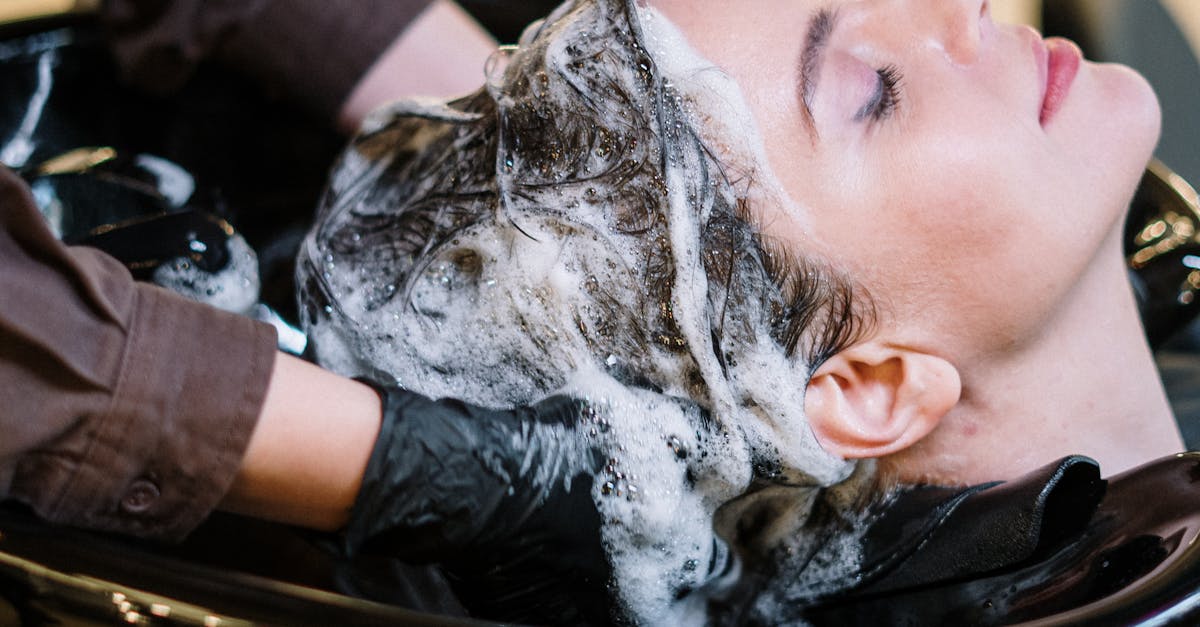
Medical Conditions and Medications
Sometimes, the issue runs deeper than just genetics or diet. Certain medical conditions, such as alopecia areata, can cause hair loss at any age, even in teens. What’s more, some medications can have side effects that lead to unwanted hair shedding. If you’re losing hair at 18 male and suspect something more serious, consulting with a healthcare professional is definitely the way to go!
In summary, hair loss in teenage males can stem from a variety of sources. By pinpointing these common causes, we can better understand our own situations and hopefully take steps to keep our hair where it belongs—on our heads!
Identifying Symptoms: How to Recognize Hair Loss at 18
Recognizing hair loss at 18 male can sometimes feel like trying to find the last piece of a puzzle in a messy room. It can be confusing, especially if you’ve never really thought about hair loss before. But trust me, being attentive to the signs can make a world of difference—and who knows, maybe even help you turn things around before it's too late!
Common Symptoms of Hair Loss in Teens
So, how do you know if what you’re experiencing is something to worry about? Here are some common symptoms of hair loss as a teenage male:
-
Thinning Hair: This is often one of the first noticeable signs. If you find yourself wondering why is my hair thinning at 18 while watching your friends rock their full manes, it may time to take stock.
-
Receding Hairline: One day you’re sporting a fabulous hairstyle, and the next you catch a glimpse of your receding hairline in the mirror. This can be a significant indicator that hair loss is creeping in—even if it seems early.
-
Excessive Shedding: We all lose hair—it’s a normal part of life. However, if you notice large clumps of hair in your shower drain or on your pillow, you might be experiencing hair falling out at 18.
-
Bald Spots: Finding a bald spot at 16—yikes! If you see patches or areas where hair seems to be missing, it’s definitely time to pay attention.
-
Changes in Texture: Sometimes, hair loss doesn’t manifest as shedding but rather changes in texture. If your hair starts to feel thinner or finer, it might indicate an underlying issue.
What Should I Do?
Now that you know the common symptoms to look out for, it's essential to take action. If you’re experiencing thinning hair at 18, have a chat with someone you trust—whether it’s a parent, a friend, or a doctor.
Remember, recognizing hair loss early can make a huge difference in addressing the issue. And while it may feel like a daunting mountain to climb, just know that you’re not alone. Many are experiencing the same challenges and anxieties regarding baldness in teens. So, keep your chin up, and let’s tackle this together!
Impact of Hair Loss on Teenage Males: Emotional and Social Effects
When I first started noticing hair loss at 18 male, I didn’t realize just how much it would affect my emotional well-being and social life. Hair is often tied to our identity, especially during the teenage years when self-image is still being forged. As I chatted with friends who are also losing hair at 18, it became clear that this struggle is more than just physical; it digs deep into our minds and can sway how we see ourselves in the world.
Emotional Effects
For many teenage males, hair loss can feel like a betrayal from their own bodies. I mean, who would think that at 18, we’d have to worry about thinning hair or—dare I say it—balding as a teenager? Here are some common emotional impacts that come with hair loss:
-
Loss of Confidence: I remember standing in front of the mirror, pondering, "Why am I balding at 18?" This simple question seemed to slide—unknowingly—into a crisis of self-esteem. Losing that full head of hair can make one feel less attractive and self-assured.
-
Anxiety and Stress: The thought of going to social gatherings became a question filled with anxiety. The worry that people were noticing my hair loss definitely took a toll on my mental health, making me more self-conscious than ever. Even attempting to style my hair started to feel like a high-stakes game!
-
Depression: In some unfortunate cases, teenage males experiencing hair loss can sink into depression. According to clinical psychologist Dr. Lisa Morrison, "The social pressures and expectations surrounding appearance in adolescence can lead to heightened emotional responses to changes in hair." Noticing that others seemed to have flourishing hair made it challenging to maintain a positive outlook.
Social Effects
Social life is another realm where hair loss can cast a long shadow. Friend groups often sit at the heart of teenage life, and any perceived physical deficiency can lead to awkwardness or even bullying. I’ve seen firsthand how hair loss shares similarities with growing pains, where everyone seems to be pointing fingers at the odd one out.
-
Isolation: Some of my friends who were losing hair at 18 felt the need to withdraw from social situations altogether. The fear of being judged or teased for thinning hair was simply too much.
-
Peer Pressure: There’s something inherently stressful about trying to maintain our appearance, especially when surrounded by others flaunting their thick hair. This peer pressure can lead to attempts at drastic changes—whether through hair products that promise to regrow hair, or even thinking about hairstyles that attempt to mask the problem.
-
Changing Relationships: Relationships can shift when hair loss becomes a feature of one’s identity. I noticed some bonds strengthen through shared experiences, but also saw others stretch thin under the weight of insecurity.
In a nutshell, the impact of hair loss at 18 male is multifaceted. It influences how we feel about ourselves and how we engage with others. While it’s easy to think this is solely about hair, the truth is that the emotional and social effects can be profound and require us to confront deeper issues of self-worth, confidence, and resilience. But remember, the journey to acceptance often leads to a stronger, more enriched persona.
Treatment Options for Hair Loss at 18: What You Need to Know
So, you’re staring at your reflection thinking, "Okay, I’m experiencing hair loss at 18 male. What now?" Don’t worry; you’re definitely not alone on this journey. Thankfully, there are various treatment options available that can help tackle hair loss head-on. From lifestyle changes to medical interventions, let's explore the common paths to reclaiming that glorious mane!
1. Lifestyle Changes
First off, I can't stress enough how fundamental lifestyle changes can be. It may sound cliché, but adjusting your daily habits can lead to positive outcomes:
- Diet: Eating a balanced diet rich in essential nutrients can work wonders. Incorporate more proteins, vitamins, and minerals to nourish your hair from the inside out. Think leafy greens, fish, nuts, and eggs—your hair will thank you!
- Stress Management: Practicing relaxation techniques like yoga or meditation can help. Less stress = less chance of hair loss. I still remember the first time I tried meditation—it really helps quiet those nagging worries!
- Good Hair Hygiene: Don't skip on hair care products! Avoiding harsh shampoos and over-styling your hair can also minimize further damage. Sometimes, simple adjustments can lead to fuller hair!
2. Over-the-Counter Products
If you’re looking for a quick fix, you might want to explore topical treatments such as minoxidil (Rogaine). This over-the-counter option is widely talked about, especially for younger men facing thinning hair. It stimulates blood circulation to the scalp and promotes hair regeneration, but consistency is key! Just like a gym routine, you'll need to be patient to see results.
3. Prescription Medications
Sometimes, a stronger approach is needed! Consulting a healthcare provider might lead to prescription options like finasteride (Propecia). This medication blocks the production of DHT, the pesky hormone responsible for shrinking hair follicles. However, be aware of the potential side effects, and make sure to get all the information from your doctor prior to starting any treatment.
4. Professional Treatments
If you're really serious about tackling your hair loss, look no further than professional treatments. Options like low-level laser therapy (LLLT) have shown promising results in clinical studies. Picture this: a relaxing spa-like environment where you can take care of those mane issues without any scalpels or stitches.
5. Hair Transplant Surgery
For those who find themselves way down the road of hair loss, there is the option of hair transplant surgery. While it can be quite costly and invasive, many find it to be a worthwhile investment in the long run. Just ensure thorough research and consultation before making such a big decision.
6. Embracing Your Look
Finally, let’s not forget the option of embracing your look! Experimenting with different hairstyles or even going for a shaved head is a bold yet manageable way to reclaim confidence. Some guys rock the bald look like pros! In fact, people like Dwayne "The Rock" Johnson have shown us that confidence and charisma can shine through, hair or no hair.
In summary, while hair loss at 18 male can feel overwhelming, there are numerous avenues you can explore to tackle the issue. From simple lifestyle tweaks to advanced medical treatments, knowing your options empowers you to make the best decision for yourself. So, take a deep breath, stay informed, and remember that you're not navigating this alone.
Preventive Measures: How to Maintain Healthy Hair During Teenage Years
As someone who’s jumped down the hair loss rabbit hole at just 18, I’ve learned that prevention can be a game-changer when it comes to maintaining healthy hair. While I’ve faced some challenges, understanding proper hair care has empowered me—and can empower you too! Let’s dive into some smart preventive measures that cater specifically to the teenage years, an essential time for making choices that can influence our hair health for years to come.
1. Eat a Balanced Diet
I can’t emphasize enough how much nutrition plays a vital role in hair health. When I started focusing on my diet, I began noticing positive changes! Food rich in proteins, iron, zinc, and vitamins (especially biotin) can significantly support healthy hair. So, try incorporating:
- Lean meats, fish, and beans for protein
- Fruits and vegetables like oranges and spinach for vitamins
- Nuts and seeds for healthy fats and minerals. Think of it this way: You wouldn’t want to run a car on empty, right? Your body is no different!
2. Keep Your Scalp Healthy
Just like any good garden needs proper care, your scalp deserves attention too! Regularly cleaning your scalp helps prevent buildup of oils and flakes that can inhibit hair growth. It’s important to use a gentle shampoo that suits your scalp type, and don't forget to condition those strands to keep them hydrated. I learned the hard way that using harsh chemicals from styling products can lead to unnecessary damage—so proceed with caution!
3. Avoid Heat and Chemical Damage
I get it—sometimes we want to try new styling techniques or colors. But hear me out: excessive heat styling and harsh chemicals can weaken hair follicles, leading to breakage and thinning. Instead, I’ve opted for air-drying my hair and using heat tools sparingly. When I do use heat, I make sure to protect my hair with a good heat protectant spray. Trust me; your future self will thank you!
4. Manage Stress
Managing stress is crucial for more reasons than just hair health—it’s a biggie for mental wellness too! Engaging in activities that make you happy, whether it's sports, hobbies, or socializing with friends, can help mitigate stress levels. I found that incorporating mindfulness practices like meditation not only calms my mind but also positively affects my hair.
5. Maintain a Healthy Hair Care Routine
Consistency is key! Establishing a routine that includes regular washing (not too often to dry it out) and conditioning will help keep your hair looking and feeling its best. It’s helpful to avoid tying hair too tightly or using accessories that might cause breakage—keeping it gentle and lavish!
6. Don’t Skip Regular Check-ups
Sometimes, hair loss can signal underlying health issues. Making it a point to visit your healthcare provider for regular check-ups can help identify any potential problems early on. If you're noticing thinning hair, consult a professional to investigate any possible medical concerns.
7. Know When to Seek Help
Lastly, be aware of when it’s necessary to seek professional help. If you start attributing hair loss to specific triggers in your life, don’t hesitate to talk to a dermatologist or a hair specialist. They can provide tailored advice or treatments that suit your individual needs, saving you time and frustration in the long run.
In conclusion, preventive measures for maintaining healthy hair during the teenage years extend far beyond hair products. By eating right, taking care of your scalp, managing stress, and establishing a consistent hair care routine, you'll pave the way for a thriving mane. Remember, even in the face of challenges like hair loss at 18 male, small choices can have a big impact!
When to See a Doctor: Consulting a Professional About Hair Loss
Alright, so we’ve journeyed through the labyrinth of hair loss at 18 male, covering symptoms, causes, and treatment options. But when do we roll up our sleeves and step into the professional realm? Let’s explore when it’s time to see a doctor about your hair loss concerns and how they can help you navigate the often murky waters of thinning hair.
Recognizing the Signs
First off, it’s crucial to understand that it’s perfectly normal to shed some hair daily. However, if you start noticing significant hair loss or any of these alarming signs, it might be time to pick up the phone and schedule an appointment with a healthcare professional:
-
Rapid Hair Loss: If you find yourself losing clumps of hair—in the shower, on your pillow, or during styling—this warrants investigation. Losing hair at 18 should not resemble a scene from a horror movie!
-
Persistent Symptoms: If you’re experiencing persistent scalp itchiness, redness, or inflammation accompanying your hair loss, don’t brush it off. These could be signs of underlying conditions that require medical attention.
-
Bald Spots or Uneven Thinning: Finding bald spots at 16 or any unusual patterns of hair thinning can indicate conditions like alopecia areata or other medical issues. Seeing a doctor can help diagnose the problem accurately.
-
Family History: If you have a family history of premature baldness and start noticing changes, it’s worth getting checked out early on. Genetic factors can be surprisingly influential, and early intervention can lead to better outcomes.
-
Changes in Health: If your hair loss coincides with significant changes in your health, such as unexplained weight loss or fatigue, it’s time to have a thorough health evaluation. Sometimes, hair loss can signal larger issues at play.
What to Expect During Your Appointment
Once you’ve decided it’s time to consult a professional, you might wonder what to expect during your appointment. Here’s a little insight to soothe any nerves:
-
Medical History Review: The doctor will likely start by taking your medical history. They might ask about your family history of hair loss, any medications you’ve been taking, and lifestyle habits. Be honest—it’s all vital information!
-
Physical Examination: Expect a physical exam of your scalp and hair. The doctor will check for signs of inflammation, patchy hair loss, or any abnormalities that might indicate a condition.
-
Possible Tests: Depending on their findings, they might recommend blood tests or a scalp biopsy to delve deeper into the potential causes of your hair loss. It may sound intimidating, but these tests can provide clarity on issues related to hormone levels, iron deficiency, or thyroid function.
-
Treatment Options: If the doctor determines there's an underlying issue, they will discuss suitable treatment options tailored just for you. This may include lifestyle changes, medications, or referral to a dermatologist for specialized care.
Don’t Hesitate to Seek Help
It’s essential to recognize that seeking professional help isn’t a sign of weakness but rather a proactive step toward empowerment. The sooner you take action regarding hair loss, the better your chances will be of preserving your locks and boosting your confidence. Remember, you deserve to feel great about your appearance without worrying about a receding hairline or thinning strands.
In conclusion, knowing when to see a doctor about hair loss at 18 male will help you navigate this journey effectively. By arming yourself with knowledge and seeking timely help, you can face this challenge head-on, knowing you're taking the right steps for your hair and self-esteem!
Conclusion: Embracing Change and Finding Solutions for Thinning Hair at 18
As we wrap up this exploration of hair loss at 18 male, it’s vital to remember that facing thinning hair—or even full-on baldness—during our teenage years certainly feels like a heavy burden. However, it’s essential to recognize that this phase can also be an opportunity for growth, self-discovery, and proactive health management.
Embracing Change
I know firsthand how disheartening it can be to look in the mirror and see signs of hair loss before stepping into adulthood. Yet, embracing this change may lead to some surprising benefits! It challenges us to develop resilience, boost our self-confidence, and perhaps even redefine our styles. With countless icons having rocked the bald or thinning look—think of famous personalities like Jaden Smith or Dwayne Johnson—who doesn’t want to feel empowered to own their appearance?
Finding Solutions
With the knowledge we've discussed on the causes, symptoms, preventive measures, and treatment options, you now hold the tools to tackle the issues head-on. Remember, small lifestyle changes, nourishing your body with a balanced diet, and prioritizing scalp health can lead to meaningful improvements.
If you find yourself battling with significant hair loss or noticeable thinning, don’t hesitate to consult a healthcare professional. By seeking help when needed, you can pave the way for better hair health, peace of mind, and overall well-being.
A Journey Together
As we navigate this uncertain terrain of adolescence, let’s stand together and remember that we’re not alone in this journey. Many are also grappling with hair loss at 18, and sharing experiences can strengthen our bonds and lessen the emotional weight we carry. From being open with friends to finding online communities, there's solace in knowing you're part of something larger.
So, whether you choose to embrace a new style, explore treatment options, or make lifestyle shifts, acknowledge the journey you’re on as a vital part of your personal growth. Remember, hair can be a significant aspect of identity, but it doesn’t define who you are or your worth.
In closing, let’s take this experience—hair loss or not—and turn it into a personal narrative filled with strength, authenticity, and confidence. Here’s to embracing change and loving ourselves, hair or no hair!
Frequently Asked Questions
What causes hair loss at 18 in males?
Research indicates that hair loss at 18 males can stem from various factors, including genetics, hormonal changes, stress, poor diet, and certain medical conditions. Genetics often play a significant role if there's a family history of baldness.
How can I identify hair loss symptoms at 18?
Common symptoms include thinning hair, a receding hairline, excessive shedding of hair, bald spots, and changes in hair texture. If you notice significant changes in your hair, it's important to take action.
What are some effective treatments for hair loss at 18?
Treatment options range from lifestyle changes like improving diet and managing stress to over-the-counter products like minoxidil. Prescription medications and professional treatments, such as low-level laser therapy, may also be effective for more severe cases.
When should I see a doctor about hair loss?
You should consult a healthcare professional if you experience rapid hair loss, persistent symptoms such as scalp itching, visible bald spots, or if hair loss is accompanied by other health changes like fatigue or weight loss. Early intervention can lead to better outcomes.
Take Control of Your Hair Journey with Myhair.ai
As you navigate the emotional landscape of hair loss at just 18, feeling anxious about thinning hair, bald spots, or receding hairlines is completely normal. The struggles discussed in "Understanding Hair Loss at 18 Male" resonate deeply: from the shame of losing your youthful mane to grappling with social pressures. But here’s the silver lining: you don’t have to face this battle alone!
At Myhair.ai, we understand your unique challenges and provide the AI-powered tools you need to boost your hair health. With our innovative scanning technology, you can upload images of your hair, receive a personalized evaluation, and uncover the mysteries behind your hair loss. Our features include:
- Bald Spot Detection: Track those thinning areas over time.
- Personalized Product Recommendations: Get curated hair care suggestions tailored to your specific needs.
- Consultation Services: Connect with certified hair specialists for in-depth advice—because sometimes, a helping hand is all you need.
🔍 Don’t let hair loss define you! Take action now and empower yourself with insights that can transform your hair health. Visit Myhair.ai today and start your path towards a fuller, healthier mane—because every day is an opportunity for a fresh start. Why wait? Your hair deserves the best!