Introduction to Hair Loss at 25 Female
Let's talk about a topic that's often brushed under the rug—or should I say, swept off the floor? Hair loss, especially hair loss at 25 female, may come as a shocking revelation for many women in their twenties. In my own experience, those golden tresses seemed like an eternal part of my identity, and suddenly watching them thin out felt like an unwelcome surprise party—one with no party favors!
Surprisingly, hair loss in your twenties is not as rare as you might think. In fact, I’ve learned that many women face hair loss at 25. If you’re wondering about the reasons behind this alarming shift, or if you’re like me, obsessively Googling, "Why is my hair thinning at 25 female?"—you’re not alone. Studies show that approximately one-third of women experience some form of female pattern hair loss in 20s. Yes, 20s! That's like finding out that adulting comes with unexpected challenges, like hair thinning at 25 female.
Losing hair at 25 female can be a frustrating and confusing experience. It’s important to recognize that hair loss in women in their 20s can stem from various factors—ranging from genetics to hormonal changes, stress, and even lifestyle choices. Understanding these causes can not only empower you to address the issue but also alleviate some of that impending panic. In this guide, we're going to dig deep into the various aspects surrounding hair loss in women 20s, exploring causes, solutions, and real-life experiences. Let’s not just pull straws; let’s get down to the roots of this hair-raising dilemma!
Understanding Hair Loss in Women: A Focus on the 20s
As I journey through my late twenties, I’ve met too many women who are scratching their heads, wondering why their once luscious locks are appearing less and less voluminous. Understanding hair loss in women—especially in your 20s—is crucial for a lot of us navigating this often-ignored terrain. What I’ve discovered is that hair loss in women early 20s, including hair thinning at 25 female, isn’t merely a cosmetic issue; it's often tied to biological, emotional, and environmental factors.
The Science Behind Hair Loss in Your 20s
So, what’s happening below the surface? Our hair grows in cycles, and each hair strand can be in one of three phases: growth (anagen), rest (telogen), or shedding (catagen). Female pattern hair loss in 20s often disrupts this cycle. The biological clock doesn't wait for us to finish binge-watching our favorite shows; it’s ticking, and hormonal fluctuations, particularly with androgens, can speed up the process.
Genetics play a significant role as well. If your mom or grandma dealt with female hair loss, it might be time to have a heart-to-heart about those family traits.
Factors Contributing to Hair Thinning
There’s also the question of stress—ah, the age-old enemy. Stress has been linked to hair loss and can trigger conditions like telogen effluvium—an experience where significant stress leads to excessive shedding. The frenetic lifestyle of your 20s, filled with work deadlines, social obligations, and relationship dramas, can add layers of stress that we often underestimate.
Other contributors can include poor nutrition, lack of sleep, and even certain medical conditions, which collectively make female hair loss in 20s a multifaceted issue. In fact, I recently read a study highlighting how dietary deficiencies can lead to hair loss, especially iron and protein deficiencies—which, if you ask me, is a double blow for anyone trying to maintain a healthy lifestyle.
Real Talk
And if you’re wondering "What does this all mean for me?"—I hear you! Recognizing that you’re not alone is half the battle. Many women face similar concerns, and understanding these factors can empower you to take steps towards solutions tailored to your needs.
It's an uphill fight, but it’s one we can tackle together. Keep reading as we unravel more about the causes of female hair loss in your 20s and what you can do to nurture your strands back to life!
Common Causes of Female Hair Loss in 20s
Ah, the thorns among the roses—let's delve into the common causes of female hair loss in 20s that are all too familiar and sometimes downright annoying. As someone navigating this rocky path, I’ve often found myself asking, “What gives? Why is my hair thinning at 25 female?” Spoiler alert: there’s no one-size-fits-all answer!
Genetics: The Hand You’re Dealt
First up, genetics. It’s like receiving a surprise package you never ordered. If you have a family history of female pattern hair loss in 20s, you might find yourself inheriting that lovely (not!) trait. According to dermatologists, about 30% of women experience familial hair loss by the time they hit their 30s. While you can’t change your genes, you can keep an eye on how this might play out for you.
Hormonal Changes: The Roller Coaster Ride
Then there are hormonal changes. Your hormones can be as unpredictable as a soap opera plot twist. From menstrual cycles to birth control, these hormonal fluctuations play a huge role in hair health. Many of us notice hair loss at 21 female or even hair loss at 23 female during periods of hormonal upheaval, such as after pregnancy or during menopause. Yes, even in your twenties, your hormones can cause havoc!
Stress: A Silent Saboteur
Let’s not forget about stress. Stress acts like a ninja, sneaking up on you and manifesting in ways you wouldn't expect—like losing hair at 25 female. Be it from work, relationships, or the sheer pressure of adulthood, high levels of stress can lead to a condition known as telogen effluvium, where hair follicles enter a resting phase prematurely, causing noticeable shedding. Just the other week, my friend experienced major shedding after finals season, illustrating how stress can significantly impact our hair.

Nutritional Deficiencies: You Are What You Eat
And then there's nutrition—oh, don’t get me started! The phrase "you are what you eat" rings eerily true. A balanced diet rich in vitamins, minerals, and proteins is essential for robust hair health. Deficiencies in iron, zinc, and vitamins D and B12 have been linked to hair thinning in women 20s. I’ve learned that those late-night ramen noodle dinners are not my hair’s best friend!
Medical Conditions: More Than Skin Deep
Lastly, let's touch on medical conditions. Issues like thyroid disorders or autoimmune diseases can contribute to hair loss in women in their 20s as well. Conditions like alopecia areata can cause patchy hair loss, and it’s vital to consult a healthcare provider if you suspect there may be an underlying issue.
Conclusion
Recognizing these causes of female hair loss in 20s can not only empower you, but also help guide your next steps in treatments and self-care practices. So, let’s jump into the solutions that can help reverse this trend—stay tuned for what you can do to take control of your hair health!
Types of Hair Loss Affecting Women in Their 20s
Alright, folks! Now that we've unraveled the common causes of female hair loss in 20s, let's dig deeper into the different types of hair loss that might be affecting us. Understanding these types can feel a bit like deciphering a mystery novel—one that I never thought I’d be reading at this age—but it’s essential to connect the dots between the what, the why, and the how.
1. Female Pattern Hair Loss (Androgenetic Alopecia)
The classic. Female pattern hair loss, or androgenetic alopecia, tends to be a thief in the night, stealing away your precious locks gradually and insidiously. It usually starts with a widening part and thinning at the crown, and while it can begin as early as your twenties, many women experience it's merciless grip even sooner. If you've ever looked in the mirror and felt like your hairline is slowly retreating, this could very well be what’s going on. Genetics often play a role here, showing that the apple doesn't fall far from the tree, especially if your mom dealt with it.
2. Telogen Effluvium
If you’ve ever found yourself in a heightened state of stress—hello finals, breakups, or work demands—you might be experiencing telogen effluvium. This type is often triggered by sudden stressors, be it physical (like illness) or emotional. Your hair follicles enter the telogen (resting) phase prematurely, leading to a significant amount of shedding after a couple of months. I know I’ve definitely had moments where I felt my stress-related hair loss is like an unwanted party guest who overstayed their welcome!
3. Alopecia Areata
Alopecia areata takes the cake for being a surprising plot twist. This autoimmune disorder can cause sudden hair loss in patches; in fact, I have friends who've described waking up to find perfectly round patches devoid of hair! The immune system gets a little too curious and mistakenly attacks hair follicles, leading to hair loss. It can happen to anyone at any age, and while not overly common in 20-somethings, it's still essential to know.
4. Traction Alopecia
Let’s not forget the hairstyles we adore! Traction alopecia is often caused by tight hairstyles like ponytails, braids, or cornrows. While trying to look "on fleek," I’ve discovered that pulling hair too tightly can contribute to hair loss—who knew those stylish hairdos could become our hair’s worst enemy? If you're a fan of tight hairstyles, it might be time to loosen up a bit to give those strands some much-needed love.
5. Scarring Alopecia
Lastly, we’ve got scarring alopecia, a rare but serious type. Conditions like lichen planopilaris can lead to inflammation of the hair follicles, causing irreversible damage and permanent hair loss. Although it is less prevalent among women in their 20s, being alert and consulting a specialist if you see symptoms is a significant proactive step.
In Conclusion
Being informed about types of hair loss affecting women in their 20s allows for early detection and empowerment in seeking treatment. As we navigate this maze, let’s uncover the solutions and preventive measures available, so we can embrace our beautiful selves, one hair strand at a time!
Dealing with Hair Thinning at 25: Emotional and Psychological Impact
Let’s get real for a moment. Dealing with hair thinning at 25 female is more than just a concern over our hairstyle—it can evoke a whole whirlwind of emotions, from frustration to embarrassment, and sometimes even despair. As someone who's been in the trenches, I can vouch for the emotional rollercoaster that often comes with 25 female hair loss.
The Emotional Toll
First off, let’s talk about how it feels. One day, you might wake up and look in the mirror, only to be confronted with a thinner mane than you remember. Suddenly, that cute bob haircut doesn’t feel so cute anymore, leading to feelings of self-doubt and insecurity. I often find myself wondering if people can notice my thinning hair or if they’re silently judging me at social gatherings.
Hair holds so much cultural significance; it’s often tied to our identity, femininity, and self-esteem. According to a recent survey I stumbled upon, about 60% of women with hair loss reported lower self-esteem and increased anxiety. Yup, that hit home. It’s not just hair; it feels like a part of our very essence is at stake.
The Psychological Effects
The psychological impact can be just as profound. Some women may experience anxiety and depression due to hair loss in women 20s, which can create a vicious cycle. You feel anxious about your appearance, you avoid social situations, and the stress leads to even more hair loss—or worse, it can trigger a type of hair-pulling disorder called trichotillomania. I’ll admit, after staring at my thinning hair for hours on end, the thought of pulling at those few strands did cross my mind at one point. Thankfully, I just opted for a cute hat instead!
Dealing With The Pressure
However, the good news is support is around the corner! Connecting with friends or support groups—even online communities—can help normalize your feelings. Sharing our individual experiences with female hair loss can be liberating; suddenly the burden feels lighter when we realize we’re all in this together. And let’s not underestimate the power of a good hair day! A careful choice of hairstyles or products can make a fantastic difference in how we feel about ourselves.
Getting Professional Help
Sometimes, though, it’s crucial to seek professional guidance. Speaking with a therapist or a counselor who understands how body image issues can affect mental health can be incredibly beneficial. Remember, hair may grow back or change over time, but focusing on our emotional well-being is crucial for living our best lives.
Conclusion
In conclusion, dealing with hair thinning at 25 goes beyond the strands of hair lost—it’s about embracing our worth and courageously navigating through emotional hurdles. Let’s arm ourselves with knowledge and self-love, and turn the page to what’s next: understanding how to care for those precious strands—whether they’re few or many!
Effective Treatments for Hair Loss at 25 Female
Alright, let’s get into the meat of this matter! If you're experiencing hair loss at 25 female, knowing that there are effective treatments available can feel like finding the light at the end of a tunnel. Trust me, this journey has led me down a maze of options, and while some treatments might feel like they’re made for wizards, I’m here to share the ones that actually work!
1. Over-the-Counter Treatments
First up, over-the-counter treatments. If you haven’t heard of minoxidil, let me introduce you to this magical elixir. Minoxidil is a topical solution that's FDA-approved for treating hair loss in women and is available without a prescription. I started using it a few months ago, and while progress can be slow—think tortoise not hare—it can help stimulate hair growth and reduce shedding.
The key? Consistency. Applying it daily is essential, and it can take about 3-6 months to see notable results. I often joke that when my friends saw me slathering my scalp with it, they thought I was just trying to add a fancy hair product to my routine. But hey, I’ll take the benefit!
2. Prescription Medications
If over-the-counter treatments don’t do the trick, it might be time to consult with a dermatologist about prescription options. Spironolactone is commonly prescribed for women experiencing hair loss due to hormonal issues. It acts like a hormone blocker, reducing the effects of androgens that can lead to that annoying thinning. I’ve even met women in their mid-20s who had transformative experiences with it—the key is to have an open conversation with your doctor about your symptoms and concerns.
3. Nutritional Supplements
Let’s not underestimate the power of nutrition! Sometimes, hair loss can be a sign that our bodies are lacking vital nutrients. Supplements such as biotin, vitamin D, and iron can be incredibly beneficial if we’re deficient in these areas. I remember introducing a daily multivitamin to my routine, and while it might not have resulted in a hair miracle overnight, my hair felt healthier overall—and let’s be real, hair should be strong from the inside out.
4. Lifestyle Changes
Keep in mind that lifestyle plays a vital role as well. If you suspect stress might be contributing to your hair dilemma, incorporating stress-relief practices like yoga, meditation, or even just taking leisurely walks can do wonders. I may have started my journey with hair concerns, but along the way, I found that aligning my mental health with physical well-being led to better hair health as well.
5. Low-Level Laser Therapy (LLLT)
If you’re looking for the latest in hair care technology, you might want to consider Low-Level Laser Therapy (LLLT). Devices like laser combs or caps utilize low-level lasers to stimulate hair growth at the follicle level. While I haven't personally tried these yet, many reviews rave about their effectiveness and ease of use. Talk about a sci-fi solution!
6. Hair Transplants
If you’ve hit a wall with other treatments, hair transplants are an option to consider. This procedure involves relocating hair follicles from a donor area to areas with thinning hair. For those of us in our 20s, it's often seen as a last resort (or an impulsive decision after a bad hair day). It’s essential to thoroughly research and consult with a professional to make sure it's the right avenue for you.
Conclusion
So, there you have it—a toolbox of effective treatments for hair loss at 25 female! Embracing these solutions can feel empowering. It's not about covering up; it's about taking charge and making informed decisions about our hair journey. Let’s keep pushing forward, loving ourselves, and making every strand count!
Lifestyle Changes to Address Hair Thinning in Women 20s
Now that we’ve unraveled the treatments for hair loss, let’s dive into some lifestyle changes that can significantly impact hair health. As someone who’s experimented with everything from stress-relief techniques to dietary tweaks, I can tell you firsthand that small adjustments can lead to substantial improvements when addressing hair thinning in women 20s.
1. Nourish Your Body
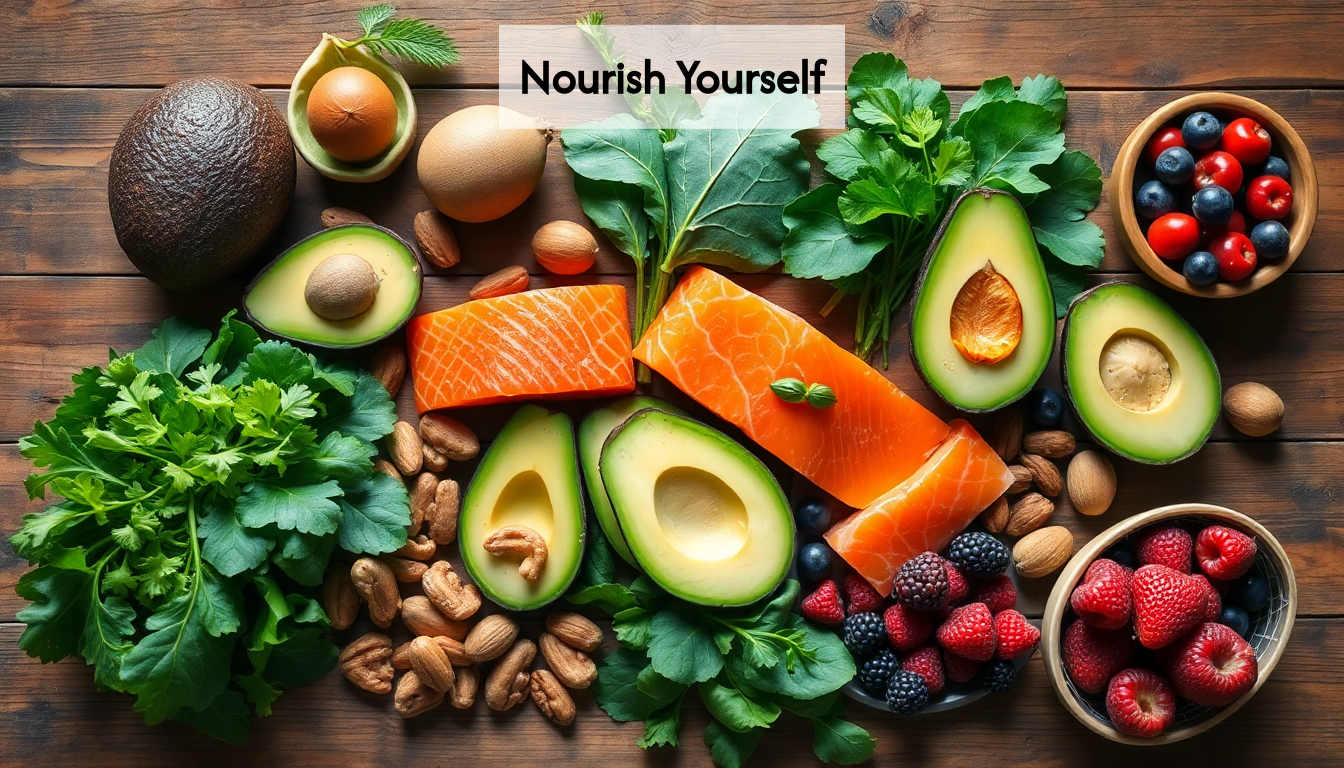
First and foremost, let’s talk nutrition. Our bodies are like finely-tuned machines, and just like a car needs good fuel, our hair needs nourishment. A balanced diet rich in proteins, vitamins, and minerals is fundamental to promoting hair health. Foods high in omega-3 fatty acids (think salmon and avocados), iron (hello, spinach!), and biotin (nuts and seeds, anyone?) can work wonders. Personally, I’ve made it a habit to include at least one serving of leafy greens in my meals. It’s a simple step, but it’s like giving those hair follicles a hearty hug!
2. Stay Hydrated
Let’s not forget about hydration! Drinking plenty of water is not only vital for overall health, but it also keeps your hair hydrated and strong. I’ve experienced days when I force myself to guzzle water, and it’s like my hair starts thanking me the next morning! Aim for at least eight glasses a day; invest in a fun water bottle to make this chore feel less daunting.
3. Manage Stress
Stress management is crucial! As we covered previously, high stress is like a villain lurking around to wreak havoc on our hair. Incorporating practices like yoga, meditation, or even regular exercise can lessen stress levels and promote overall well-being. I personally love cardio—there’s just something cathartic about sweating out my worries while listening to upbeat tunes. Consider it a two-for-one deal for your mind and hair!
4. Be Gentle with Your Hair
Let’s talk about our hair care routines. It’s time to treat those precious strands with care! Avoid harsh shampoos and styles that pull at the hair, limiting ponytails and braids that may contribute to traction alopecia. When shampooing, be gentle; massage the scalp with your fingertips, and when drying, opt for a soft towel instead of aggressive rubbing. When I started taking these little steps, it was eye-opening how much healthier my hair felt.
5. Regular Scalp Massage
Speaking of scalp massages, they're pure bliss! Not only do they promote relaxation, but they also increase blood circulation to the hair follicles, promoting growth. You could even use essential oils like rosemary or lavender mixed with a carrier oil while pampering yourself. Treat it like a mini spa session—you’ll feel fabulous, and your scalp will thank you!
6. Consistent Sleep Schedule
Let’s not underestimate the importance of sleep! Lack of sleep can lead to hormonal imbalances, which often contribute to hair issues. Aim for a consistent sleep schedule of 7-9 hours each night. A well-rested body often leads to a healthier mane. I promise, those late-night scrolling sessions can wait until the morning!
7. Limit Heat and Chemical Treatments
If you’re a fan of styling, I feel you—who doesn’t love a good blowout? But let’s be wise. Limiting heat styling tools and harsh chemical treatments can significantly reduce damage. Try to embrace your natural texture sometimes. I found out my hair is surprisingly healthier (and happier) when I let it breathe a bit.
Conclusion
By implementing these lifestyle changes to address hair thinning in women 20s, you can proactively nurture those lovely locks while loving yourself just a bit more. After all, it’s not just about the hair on our heads; it’s about cultivating a holistic approach toward well-being. Let’s face this challenge together and come out stronger and more fabulous!
Coping Strategies for Women Experiencing Hair Loss
Navigating through hair loss can feel like being on a roller coaster—full of ups and downs, and sometimes you just want to press pause. If you’re experiencing female pattern hair loss in 20s or the unsettling feeling of thinning hair, having a professional in your corner can unlock better avenues for treatment and relief. I’ve gathered my favorite tips and tricks that have helped not just me but countless other women who have walked this challenging path.
1. Embrace Your Feelings
Let’s start with the emotional aspect. It’s okay to feel what you’re feeling. Whether it’s frustration, sadness, or even anger, acknowledging these feelings is the first step. I remember feeling like I was alone in my struggle, but sharing my thoughts with close friends helped lift some of that weight. It’s important to remind yourself that it’s perfectly normal to feel upset about your hair loss. You’re not alone, and your feelings are valid!
2. Seek Professional Support
If you find your emotions overwhelming, talking to a therapist or counselor can be incredibly beneficial. They can provide coping strategies tailored to your needs, helping you process your feelings and develop resilience. A friend of mine found therapy immensely helpful during her hair loss journey, allowing her to focus on self-esteem and body positivity. Remember, there’s no shame in seeking help!
3. Connect with Others
Finding a support network can make a gigantic difference. Consider joining online forums or local support groups where women share their experiences with hair loss. Trust me—getting to know others who are undergoing the same challenges can bring a sense of community. I found solace in group chats where we exchanged tips, shared successes, and even made each other laugh about our hair mishaps. It’s like having a squad for those tough days!
4. Explore New Hairstyles
Sometimes, a fresh perspective is just what the doctor ordered. Experimenting with different hairstyles, haircuts, or even colors can empower you and help shift your focus from what’s lost to what you can still rock. I took a leap and tried bangs, and while they could be a risky choice, they also brought a delightful change that boosted my confidence! Find a style that makes you feel fabulous, even if it’s a dramatic change.
5. Focus on What You Can Control
When grappling with hair loss, it can be easy to feel powerless. Instead, focus on the aspects you CAN control—your diet, hair care routines, and stress levels. Consider implementing the lifestyle changes we discussed earlier; they’ll not only be beneficial for your hair but for your overall well-being. Investing time into self-care can redirect your energy in a positive direction.
6. Practice Mindfulness
Mindfulness techniques like meditation, deep breathing, or journaling can greatly reduce anxiety and improve your mental health. Take a moment each day to reflect and focus on your body’s strengths rather than its perceived flaws. This mental shift can help cultivate self-love and appreciation for who you are as a whole, regardless of hair thickness.
7. Consider Professional Styling Options
If hair loss significantly affects your confidence, exploring options like wigs, hairpieces, or even extensions might be the solution for you. There’s no need to shy away from these tools—they can add volume and styling possibilities that help you embrace a look you love. I’ve seen incredible transformations on friends who playfully switch up their hairstyles with high-quality wigs, and the confidence boost is just amazing!
Conclusion
In conclusion, coping strategies for women experiencing hair loss are not just about addressing the physical changes; they’re about nurturing our mental and emotional health throughout this journey. Embrace your feelings, connect with others, and remember you have the power to lead a fulfilling life irrespective of the challenges you face. Together, let’s tackle this from all angles and shine in our unique beauty!
Consulting Professionals: When to Seek Help for Hair Loss
So, you’ve done your research, changed your lifestyle, and learned some coping strategies. But when is it time to consult professionals regarding hair loss? If you’ve started to notice your hair thinning at 25 female, or if your hair seems to have a mind of its own, having a professional in your corner can unlock better avenues for treatment and relief. Let’s decode when and why seeking help should be on your radar!
1. Persistent Shedding
If you’re witnessing dramatic changes like excessive shedding, it might be time to seek a specialist. I remember getting used to seeing extra strands on my pillow and in the shower, but when it began to feel like I was losing clumps, I knew something was off. If you’re shedding more than 100 hairs a day or noticing bald patches, don’t wait months hoping it’s just stress or seasonal shedding. A professional can evaluate your condition and guide you toward effective treatments.
2. Sudden Hair Loss
Hair loss that seems to happen overnight can be alarming and is often a sign to consult a professional. Conditions like alopecia areata can cause sudden patches of hair loss, and recognizing it early can lead to timely treatment. After experiencing sudden thinning, I was amazed at how quickly consulting with a dermatologist provided clarity. It turned out to be a manageable condition, but only because I sought help promptly!
3. Family History of Hair Loss
If you come from a family with a history of hair loss, consulting a specialist early on can be instrumental. While genetics cannot be changed, understanding your predisposition can help you take proactive steps. A dermatologist might recommend preventative measures or prescriptions to slow the process. I found it insightful, as this knowledge empowered me to take charge before things became too serious.
4. Difficulty Identifying Underlying Conditions
Have you noticed that your hair isn’t the only area being affected—perhaps you’ve seen changes in your skin or nails as well? Consulting a professional can help identify any underlying medical issues that may contribute to hair loss. Conditions like thyroid disorders, anemia, or hormonal imbalances can impact your hair, and a specialist can perform comprehensive tests to determine if these factors are at play.
5. Need for Customized Treatment Plans
Sometimes, the realm of hair loss can feel overwhelming with so many options. Consulting a professional—be it a dermatologist or a trichologist—can lead you to personalize your treatment. They’ll evaluate your specific situation and can suggest targeted treatments or lifestyle modifications that would work best for you. After my own consultations, I felt more informed and empowered about my choices!
6. Emotional and Psychological Strain
If dealing with hair loss is becoming too emotionally taxing, it might be worth considering professional help specifically for mental health support. While hair loss can affect self-esteem, a mental health professional can guide you through feelings of anxiety or depression that may come as a result. They’re equipped with the strategies to help you cope better, validating your experiences along the way.
Conclusion
Consulting professionals should not be seen as a last resort or a sign of defeat; rather, it’s about taking proactive steps toward regaining control over your hair health. Whether it’s persistent shedding or simply wanting a better understanding of your condition, professionals can help you create a tailored path that leads to healthier, fuller hair. Remember, seeking help is a sign of strength and determination, so don’t hesitate to make that call! Let’s tackle this journey together—after all, we’re all in this to care for ourselves, one strand at a time!
Conclusion: Embracing Change and Finding Solutions
As we wrap up this journey through the intricate world of hair loss at 25 female, it’s essential to take a step back and reflect on the bigger picture. Navigating through changes in our hair can be daunting—it’s like trying to solve a puzzle with pieces that seem to be reshuffling every day. But remember, you are not alone in this, and embracing this change can lead to newfound strength and resilience.
A Positive Mindset
One of the biggest takeaways from this exploration is the power of a positive mindset. Rather than viewing hair loss solely as a setback, try to flip the script and see this as an opportunity for self-discovery and growth. Embracing change can often lead to exciting new styling choices, discovering products that truly work for you, and even re-evaluating your lifestyle choices. I like to think of this journey not just as a challenge but as an invitation for transformation—both inside and out!
Finding Your Support
Don’t underestimate the impact of community and support. Sharing your experiences with friends, joining support groups, or even connecting with others online can provide the comfort and understanding we often seek during tough times. By uniting in our vulnerabilities, we can collectively celebrate progress and learn from each other's experiences.
Seek Professional Guidance
Lastly, don’t shy away from seeking professional help. Whether it’s consulting a dermatologist for personalized treatments or talking to a mental health professional for emotional support, recognizing when to reach out is a vital step in your journey. It’s about arming yourself with the knowledge and tools that empower you to take control of your situation.
Your Hair Journey
In closing, just remember: hair loss in your twenties doesn’t define your beauty or your worth. Life comes with changes, and as we embrace these changes, we often find solutions—solutions that foster self-love and resilience. Whether you choose to rock a new haircut, explore different treatments, or simply adopt a healthier lifestyle, it’s about finding what makes you feel confident and fabulous.
So as we step forward, let’s commit to being our own advocates, celebrating our journeys, and maintaining a sparkle in our eyes—even during those hair-raising moments. Here’s to embracing change and finding solutions together—let’s take this journey one strand at a time!
Frequently Asked Questions
What causes hair loss in women at 25?
Hair loss in women at 25 can be caused by several factors, including genetics, hormonal changes, stress, poor nutrition, and certain medical conditions.
Is hair loss at 25 normal for women?
Yes, hair loss at 25 is not uncommon. Many women experience some form of hair thinning or hair loss at this age, often related to hormonal changes or genetics.
What treatments are available for hair loss in women?
Treatments for hair loss in women include over-the-counter solutions like minoxidil, prescription medications such as spironolactone, nutritional supplements, and lifestyle changes like managing stress and improving diet.
When should I see a doctor about my hair loss?
You should see a doctor if you experience persistent shedding, sudden hair loss, a family history of hair loss, difficulty identifying underlying conditions, or if hair loss causes significant emotional strain.
Empower Your Hair Health Journey with Myhair.ai!
Feeling overwhelmed by the reality of hair loss at just 25? You're not alone. Many women face the confusion and emotional weight of watching their once-thick hair thin out due to genetics, hormonal shifts, or stress. The anxiety and self-doubt can weigh heavily, but it’s essential to remember that solutions are available.
At Myhair.ai, we understand your struggles with female pattern hair loss and have crafted a personalized approach to nurture your hair back to life:
- AI-Powered Hair Health Analysis: Upload images of your hair and receive an in-depth evaluation that identifies hair count, condition, and growth forecasts.
- Personalized Product Recommendations: Enjoy curated hair care options tailored to your unique hair needs, ensuring you get the right solutions at the right time.
- Consultation Services with Certified Hair Specialists: Get expert advice crafted for you, guiding your hair health journey.
🌟 Don’t wait another day to take action! Start your path towards healthier, fuller hair now. Visit Myhair.ai and discover just how simple it can be to understand and enhance your hair health. Why wait for change when you can start your transformation today?