
Hair loss isn't just about genetics or age. Your hormones orchestrate a complex symphony that determines whether your follicles thrive or shrink. Androgenetic alopecia affects roughly 50% of men and 40% of women by age 50, yet most people chase solutions without understanding the hormonal drivers behind their thinning hair. AI-powered analysis is changing that equation. By mapping your unique hormonal patterns, scalp condition, and growth cycles, personalized technology delivers insights that generic treatments can't match. This guide reveals how hormones control your hair destiny and how AI empowers you to take charge of your hair health in 2026.
Table of Contents
- How Hormones Regulate Hair Growth And Loss
- Understanding Androgenetic Alopecia: Prevalence And Causes
- Innovations In Personalized Hair Loss Solutions Using Ai Technology
- Choosing The Right Treatment: Hormone-Focused Therapies And Beyond
- Discover Personalized Ai Hair Analysis With Myhair
- Frequently Asked Questions About Hair Loss
Key takeaways
| Point | Details |
|---|---|
| Hormones drive hair growth | Androgens, estrogens, thyroid hormones, prolactin, insulin, and cortisol regulate follicle activity and cycling. |
| AGA is widespread | Androgenetic alopecia impacts approximately half of men and 40% of women by their fifth decade. |
| AI personalizes treatment | Advanced algorithms analyze scalp images and hormonal data to recommend tailored interventions. |
| Early detection matters | Tracking hormonal health and hair changes early maximizes treatment success and reversal potential. |
| Combination approaches work best | Integrating hormone-focused therapies, lifestyle changes, and AI monitoring yields optimal results. |
How hormones regulate hair growth and loss
Your hair follicles respond to a cascade of chemical messengers. Hormones such as androgens, estrogens, thyroid hormones, prolactin, insulin, and cortisol play pivotal roles in modulating hair follicle activity. Each hormone influences different phases of the follicular cycle: anagen (growth), catagen (transition), and telogen (rest). When these signals fall out of balance, your hair pays the price.
Androgens, particularly dihydrotestosterone (DHT), shrink follicles in genetically susceptible areas. Estrogens extend the anagen phase, which explains why many women experience fuller hair during pregnancy. Thyroid hormones regulate metabolic rates in follicle cells, so hypothyroidism often triggers diffuse thinning. Prolactin excess can disrupt the growth cycle, while elevated cortisol from chronic stress pushes follicles prematurely into telogen. Insulin resistance may impair nutrient delivery to follicles.
Symptoms of hormonal imbalance extend beyond your scalp. You might notice fatigue, weight changes, mood swings, or skin issues alongside hair loss. Women with polycystic ovary syndrome (PCOS) often experience both elevated androgens and thinning hair. Men with low testosterone may see reduced body hair but paradoxically suffer scalp hair loss due to DHT sensitivity. Recognizing these patterns helps you target the root cause.
Hormone dysregulation doesn't just thin your hair. It can trigger conditions like hirsutism (excess body hair), alopecia areata (autoimmune patches), and telogen effluvium (sudden shedding). Understanding which hormones are misbehaving guides you toward effective solutions, whether that's treating androgenetic alopecia or addressing thyroid dysfunction.
Pro Tip: Schedule comprehensive hormone panels (thyroid function, sex hormones, cortisol, insulin) annually if you're experiencing unexplained hair changes. Early detection of imbalances allows targeted intervention before follicle damage becomes irreversible.
Key hormones and their hair impacts:
- Androgens (DHT): Miniaturize follicles in pattern baldness zones
- Estrogens: Prolong growth phase and increase hair density
- Thyroid hormones: Control follicle metabolism and cycling speed
- Prolactin: Disrupts normal growth when elevated
- Insulin: Affects nutrient delivery and androgen metabolism
- Cortisol: Triggers premature shedding during chronic stress
Understanding androgenetic alopecia: Prevalence and causes
Androgenetic alopecia (AGA) dominates the hair loss landscape. Androgenetic alopecia affects approximately 50% of men and 40% of women by age 50, making it the most common form of hair loss worldwide. Yet the mechanisms differ dramatically between genders, and recognizing these distinctions shapes treatment strategy.
In men, DHT binds to androgen receptors in scalp follicles, triggering miniaturization in a characteristic pattern: receding temples and crown thinning. The process is progressive. Hair shafts become finer and shorter with each cycle until follicles produce only vellus (peach fuzz) hairs. Genetics determine receptor sensitivity, which explains why brothers may experience vastly different outcomes despite similar hormone levels.
Women typically show diffuse thinning across the crown while maintaining their frontal hairline. Hormonal fluctuations during menopause, when estrogen drops and androgen ratios shift, often accelerate female pattern hair loss. PCOS complicates the picture by elevating androgens earlier in life. Some women develop AGA in their twenties, challenging the notion that it's purely an age-related condition.
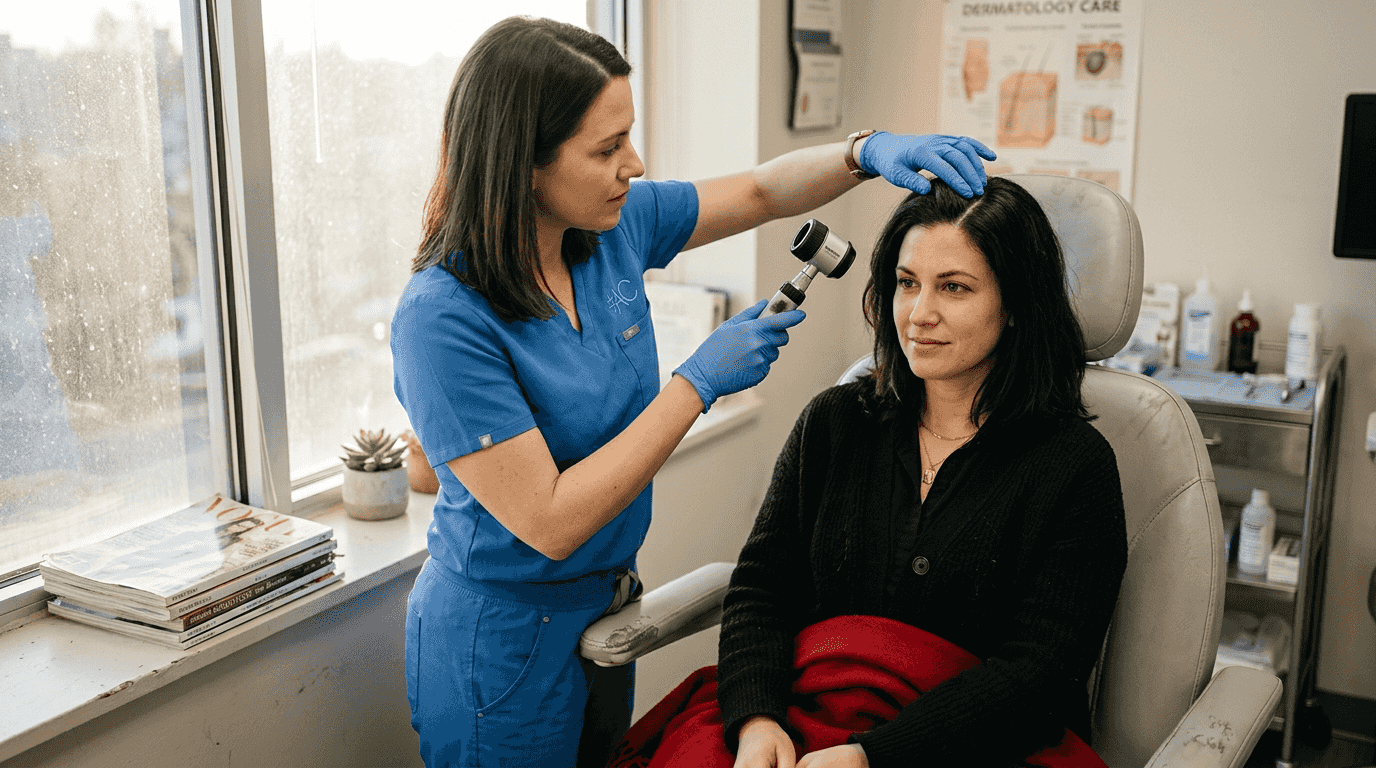
Comorbid conditions frequently accompany AGA. Seborrheic dermatitis, metabolic syndrome, and cardiovascular issues show statistical associations with pattern baldness. These links suggest shared pathways involving inflammation, insulin resistance, and hormonal dysregulation. Addressing AGA often means optimizing overall metabolic health, not just applying topical treatments.
| Age Group | Men with AGA | Women with AGA |
|---|---|---|
| 20-29 years | 15-20% | 5-10% |
| 30-39 years | 25-30% | 12-17% |
| 40-49 years | 35-45% | 25-35% |
| 50+ years | 50-65% | 40-55% |
The progression timeline varies widely. Some people stabilize after moderate thinning, while others advance to near-complete baldness. Genetic markers, hormone levels, and environmental factors all influence trajectory. Early intervention with AGA treatment options 2025 can slow or halt progression, but waiting until significant loss occurs limits reversal potential.
Women seeking solutions should explore hair growth treatment for women that addresses hormonal drivers. Anti-androgens like spironolactone or finasteride (off-label) can reduce DHT activity. Minoxidil stimulates follicles regardless of hormonal status. Combining approaches based on your specific hormonal profile maximizes results.
Key AGA characteristics:
- Progressive miniaturization of hormone-sensitive follicles
- Distinct patterns: male (temples and crown) vs. female (diffuse crown thinning)
- Genetic predisposition determines androgen receptor sensitivity
- Often begins in twenties or thirties, accelerates with age
- Associated with metabolic and inflammatory conditions
Innovations in personalized hair loss solutions using AI technology
Generic treatments ignore your unique biology. AI-powered platforms analyze thousands of data points from your scalp images, creating a personalized hair health profile that evolves with each scan. This precision transforms how we diagnose and treat hair loss in 2026.
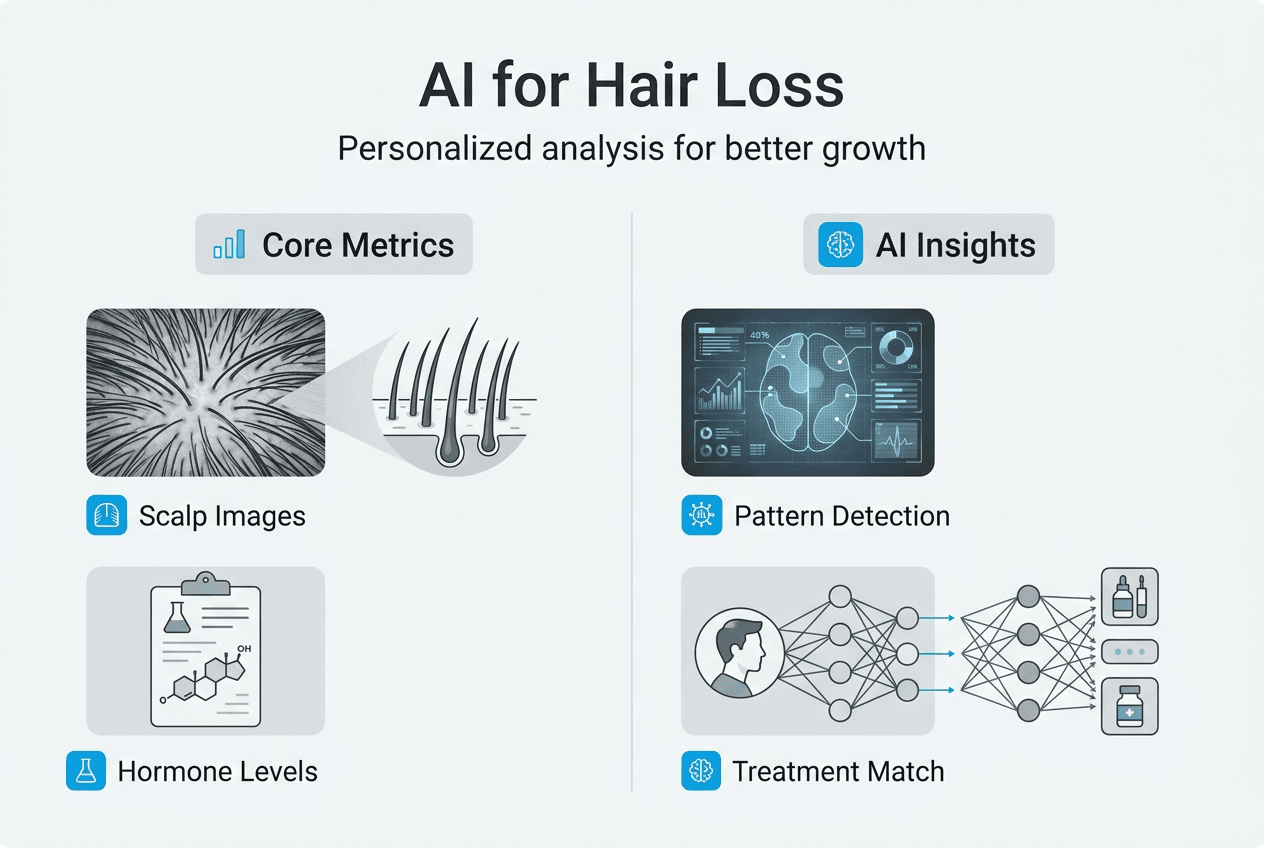
Advanced imaging captures hair density, shaft thickness, scalp inflammation, and follicle distribution. Algorithms compare your baseline against population databases, identifying subtle changes invisible to the naked eye. A 5% density decrease might not alarm you visually, but AI flags it as an early warning sign. This granularity enables proactive intervention before thinning becomes cosmetically significant.
The AI hair analysis scanner process follows a systematic approach:
- Capture high-resolution images of multiple scalp zones under standardized lighting
- AI algorithms segment individual hairs and measure diameter, density, and growth phase distribution
- Machine learning models compare your metrics against age and gender-matched norms
- System generates a comprehensive hair health score with specific problem areas highlighted
- Personalized recommendations integrate your hormonal profile, lifestyle factors, and treatment history
- Ongoing scans track changes over weeks and months, adjusting recommendations as your hair responds
AI doesn't just measure hair. It integrates hormonal data when available, cross-referencing symptoms like scalp oiliness, inflammation, or sudden shedding with likely endocrine causes. If you report fatigue and weight gain alongside hair loss, the system might suggest thyroid evaluation. This holistic approach catches issues that isolated assessments miss.
Pro Tip: Scan your scalp monthly at the same time of day under consistent lighting. Regular tracking builds a robust dataset that reveals seasonal patterns, treatment efficacy, and early signs of regression, allowing you to adjust your approach before setbacks become severe.
The hair analysis onboarding process guides you through initial setup, ensuring accurate baseline measurements. You'll answer questions about medical history, current treatments, and lifestyle factors. This context helps AI distinguish between temporary shedding (telogen effluvium from stress) and progressive conditions (AGA) that require different interventions.
Traditional dermatology relies on visual assessment and patient reports, both prone to subjectivity. You might underestimate gradual thinning, while your doctor sees you infrequently. AI provides objective, continuous monitoring that catches changes early. Research from MyHair research demonstrates how machine learning models achieve diagnostic accuracy comparable to experienced dermatologists while offering scalability and accessibility.
Advantages of AI-driven hair analysis:
- Detects density changes of 3-5% that escape visual detection
- Tracks treatment response objectively, removing guesswork
- Identifies patterns suggesting specific hormonal or nutritional deficiencies
- Provides 24/7 access to professional-grade assessment
- Reduces cost and time compared to frequent clinical visits
- Empowers you with data to make informed treatment decisions
Choosing the right treatment: hormone-focused therapies and beyond
Understanding your hormonal drivers unlocks targeted treatment. Dysregulation of hormones contributes to diverse hair disorders including androgenetic alopecia, hirsutism, and thyroid-related hair loss. Matching therapy to your specific imbalance dramatically improves outcomes compared to generic approaches.
Anti-androgen medications block DHT production or receptor binding. Finasteride inhibits 5-alpha reductase, the enzyme converting testosterone to DHT. Dutasteride blocks both type 1 and type 2 isoforms for more complete suppression. Women often use spironolactone, which competes with androgens at receptor sites. These medications slow or stop AGA progression in most users, with some experiencing regrowth.
Thyroid hormone replacement addresses hypothyroidism-related hair loss. Levothyroxine normalizes thyroid function, typically restoring hair growth within months. Hyperthyroidism requires different management, often involving anti-thyroid drugs or radioactive iodine. Regular monitoring ensures optimal dosing.
Prolactin-lowering medications like cabergoline or bromocriptine treat hyperprolactinemia. Elevated prolactin disrupts the hair cycle, so normalizing levels often reverses associated thinning. These cases highlight why comprehensive hormone testing matters before starting treatment.
| Treatment Type | Mechanism | Benefits | Potential Side Effects | Best For |
|---|---|---|---|---|
| Anti-androgens | Block DHT production or receptors | Slows AGA, some regrowth | Sexual dysfunction, breast tenderness | Androgen-driven hair loss |
| Thyroid hormones | Normalize thyroid function | Restores metabolism and growth | Heart palpitations if overdosed | Hypothyroid hair loss |
| Prolactin inhibitors | Lower prolactin levels | Normalizes cycle disruption | Nausea, dizziness | Hyperprolactinemia cases |
| Minoxidil | Stimulates follicles directly | Works regardless of cause | Scalp irritation, unwanted facial hair | Most hair loss types |
| Platelet-rich plasma | Growth factors stimulate follicles | Natural, minimal side effects | Cost, variable results | Mild to moderate AGA |
Lifestyle modifications support hormonal balance and scalp health. While rarely sufficient alone, they enhance medical treatments and prevent further imbalance.
Lifestyle factors that improve hair health:
- Stress management: Meditation, exercise, and adequate sleep lower cortisol
- Balanced nutrition: Protein, iron, zinc, biotin, and omega-3s support follicle function
- Regular exercise: Improves insulin sensitivity and reduces inflammation
- Limit alcohol and smoking: Both disrupt hormone metabolism and scalp circulation
- Scalp care: Gentle cleansing removes DHT and sebum without irritation
Emerging therapies show promise. Low-level laser therapy stimulates cellular activity in follicles. Microneedling enhances topical absorption and triggers growth factors. JAK inhibitors, originally developed for autoimmune conditions, show dramatic results in alopecia areata and are being studied for AGA. Stem cell treatments and follicle cloning remain experimental but could revolutionize hair restoration.
Combining AI insights with treatment selection optimizes results. If your scans show inflammation alongside thinning, addressing scalp health becomes priority. If density drops correlate with stress periods, cortisol management might matter more than anti-androgens. Personalized data removes guesswork. Explore male pattern baldness treatments and hair regrowth treatment for men for gender-specific guidance.
Discover personalized AI hair analysis with MyHair
You've learned how hormones orchestrate hair loss and how AI personalizes solutions. Now it's time to apply that knowledge to your own hair health journey. MyHair transforms complex biology into actionable insights you can use today.
Our AI-powered hair analysis scanner delivers clinical-grade assessment from your smartphone. Capture images, receive detailed analysis within minutes, and track changes over time with precision that rivals dermatology clinics. The platform integrates your hormonal symptoms, lifestyle factors, and treatment responses to refine recommendations continuously.
The hair analysis onboarding takes just minutes but provides the foundation for months of personalized guidance. You'll establish baseline metrics, set goals, and receive your first customized treatment plan. As you scan regularly, AI detects patterns and adjusts recommendations, ensuring your approach evolves with your hair.
Pro Tip: Combine monthly AI scans with quarterly hormone testing for comprehensive monitoring. This dual approach catches both visible changes and underlying imbalances, allowing you to intervene at the earliest signs of trouble.
Our commitment to science-backed solutions shows in every recommendation. MyHair research demonstrates how machine learning achieves diagnostic accuracy comparable to experienced specialists while offering unprecedented accessibility. You gain expert-level insights without the wait times, costs, or geographic limitations of traditional care.
Start your personalized hair health journey today. Download the app, complete your first scan, and discover what AI-driven precision can do for your hair growth goals in 2026.
Frequently asked questions about hair loss
How quickly can AI detect hair loss progression?
AI algorithms identify density changes as small as 3-5% within four to eight weeks of consistent scanning. This sensitivity enables intervention before thinning becomes visually obvious. Monthly scans build a robust dataset that reveals trends invisible to periodic visual checks, allowing you to adjust treatments proactively rather than reactively.
Are hormonal tests necessary before treatment?
Hormone testing provides critical diagnostic information that shapes treatment selection, especially when hair loss accompanies symptoms like fatigue, weight changes, or irregular periods. While not absolutely required for starting minoxidil or basic scalp care, testing prevents wasted time on ineffective treatments. AI platforms can recommend when testing adds value based on your symptom profile and pattern of loss.
Can lifestyle changes alone stop hair loss?
Lifestyle improvements like stress reduction, nutrient optimization, and scalp care support hormonal balance and follicle health, but rarely reverse significant androgenetic alopecia without medical intervention. They work best as complementary strategies that enhance treatment efficacy and prevent additional triggers. Combining lifestyle modifications with targeted therapies and AI monitoring delivers superior results compared to any single approach.
What are common side effects of hormone therapies?
Side effects vary by medication but may include scalp irritation, sexual dysfunction (finasteride), breast tenderness (anti-androgens), nausea (prolactin inhibitors), or heart palpitations (thyroid hormones if overdosed). Most side effects are mild and resolve with dose adjustment. Always consult healthcare providers before starting hormone-based treatments, and report any concerning symptoms immediately for proper management.
Is hair loss permanent or reversible with treatments?
Many types of hormone-related hair loss can be stabilized or partially reversed with timely, personalized intervention. Androgenetic alopecia responds well to anti-androgens and minoxidil when caught early, though completely restoring lost density is challenging. Thyroid and nutritional deficiencies often fully reverse once corrected. The key is early detection and consistent treatment. AI monitoring maximizes your chances by catching changes at the earliest reversible stage.