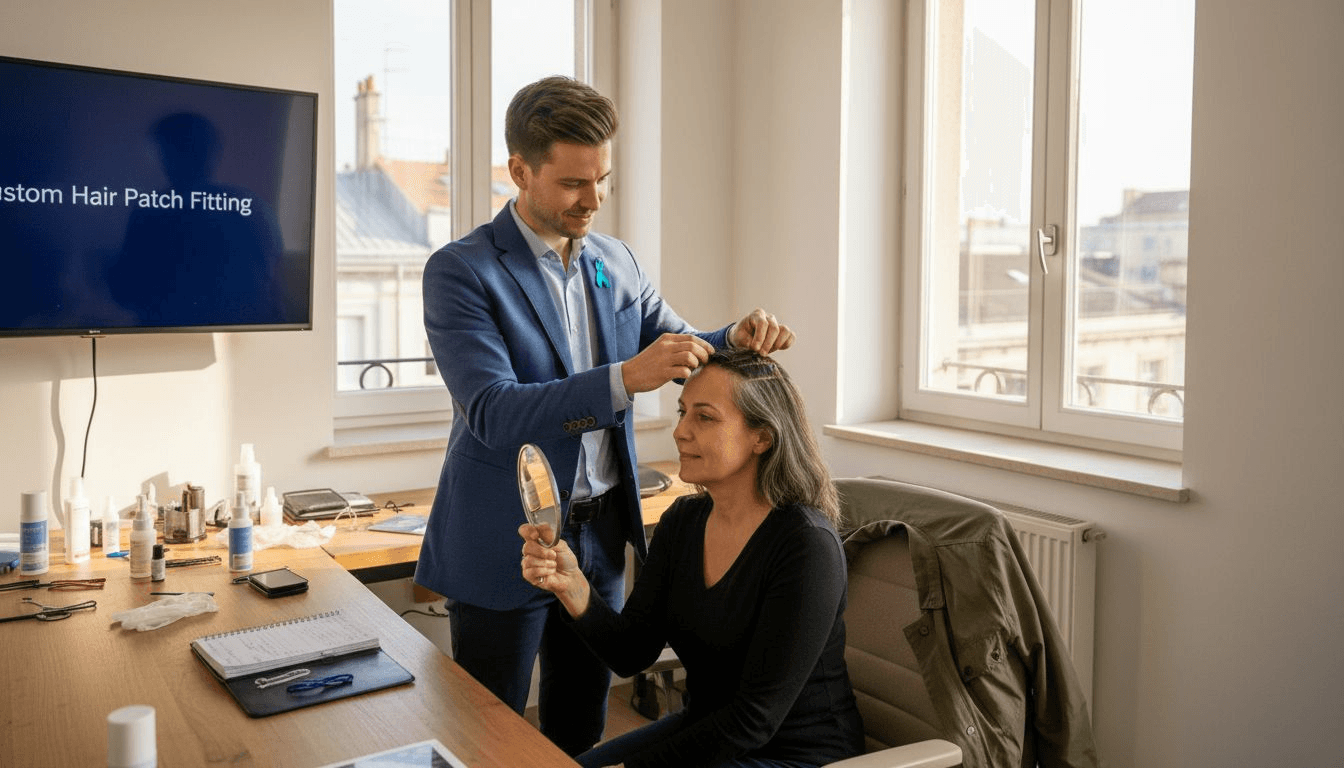
Spotting a bald patch on your scalp can feel frustrating, especially when you want a seamless and confident look without invasive procedures. For individuals facing patchy hair loss caused by conditions like Alopecia Areata, hair patches offer targeted coverage that blends naturally with existing hair. AI technology is changing how you select and customize these solutions, making it easier than ever to match your needs. Discover how modern hair patches and AI tools can deliver both precision and privacy in your hair restoration journey.
Table of Contents
- Defining Hair Patches for Bald Spots
- Types and Materials of Hair Patches
- How Hair Patches Work and Application Methods
- AI Technology for Personalized Hair Patch Selection
- Risks, Costs, and Common Mistakes
- Comparing Hair Patches to Alternatives
Key Takeaways
| Point | Details |
|---|---|
| Customized Hair Solutions | Hair patches are tailored to address specific bald spots with options for color, texture, and size matching. |
| Diverse Material Options | Various base materials provide unique advantages in terms of comfort, durability, and aesthetics for individual needs. |
| Advanced Attachment Techniques | Professional application using medical-grade adhesives ensures seamless integration and longevity of hair patches. |
| Cost and Maintenance Considerations | Hair patches can range in price from $200 to $3000, requiring regular maintenance and professional assessments for optimal results. |
Defining Hair Patches for Bald Spots
Hair patches represent specialized solutions designed to address localized hair loss, offering individuals struggling with bald spots a transformative cosmetic intervention. These custom-crafted hairpieces provide targeted coverage for areas experiencing patchy hair loss caused by various medical conditions like alopecia areata.
Hair patches are precision-engineered hair replacement systems specifically constructed to blend seamlessly with an individual's existing hair, creating a natural and undetectable appearance. Unlike traditional wigs, these patches are strategically designed to cover specific bald areas rather than replacing entire hair systems.
Key characteristics of hair patches include:
- Customized sizing to match exact bald spot dimensions
- Ability to match natural hair color, texture, and growth patterns
- Non-surgical application method
- Immediate visual restoration of hair density
- Temporary or semi-permanent attachment options
The underlying technology behind hair patches involves sophisticated attachment mechanisms that ensure secure placement while maintaining a realistic aesthetic. Medical-grade adhesives and specialized bonding techniques allow these patches to remain firmly in place during daily activities, providing users with confidence and comfort.
Pro tip: Consult with a hair loss specialist to determine the most appropriate hair patch solution tailored to your specific hair loss pattern and scalp condition.
Types and Materials of Hair Patches
Hair patches are sophisticated solutions engineered with diverse materials to address unique hair restoration needs. Different base materials offer varying levels of comfort, durability, and aesthetic appeal, allowing individuals to select the most suitable option for their specific hair loss situation.
Base materials play a critical role in determining the performance and appearance of hair patches. The primary types include:
- Polyurethane bases: Thin and natural-looking, but less breathable
- Lace bases: Lightweight and highly breathable, ideal for hot climates
- Silicone bases: Known for exceptional durability and secure attachment
- Monofilament bases: Designed to mimic natural scalp texture with hand-tied hair
- Combination bases: Blending multiple materials for optimal comfort and performance
Each base material offers unique advantages, with selection depending on factors like scalp sensitivity, climate, activity level, and desired aesthetic outcome. Polyurethane bases, for instance, provide an ultra-thin profile that creates an almost invisible transition between the patch and natural hair, while lace bases offer superior ventilation for individuals living in warm environments.
The hair used in these patches also varies significantly, ranging from synthetic fibers to premium human hair. High-end options feature individually hand-tied strands that replicate natural hair growth patterns, ensuring a seamless and undetectable integration with existing hair.
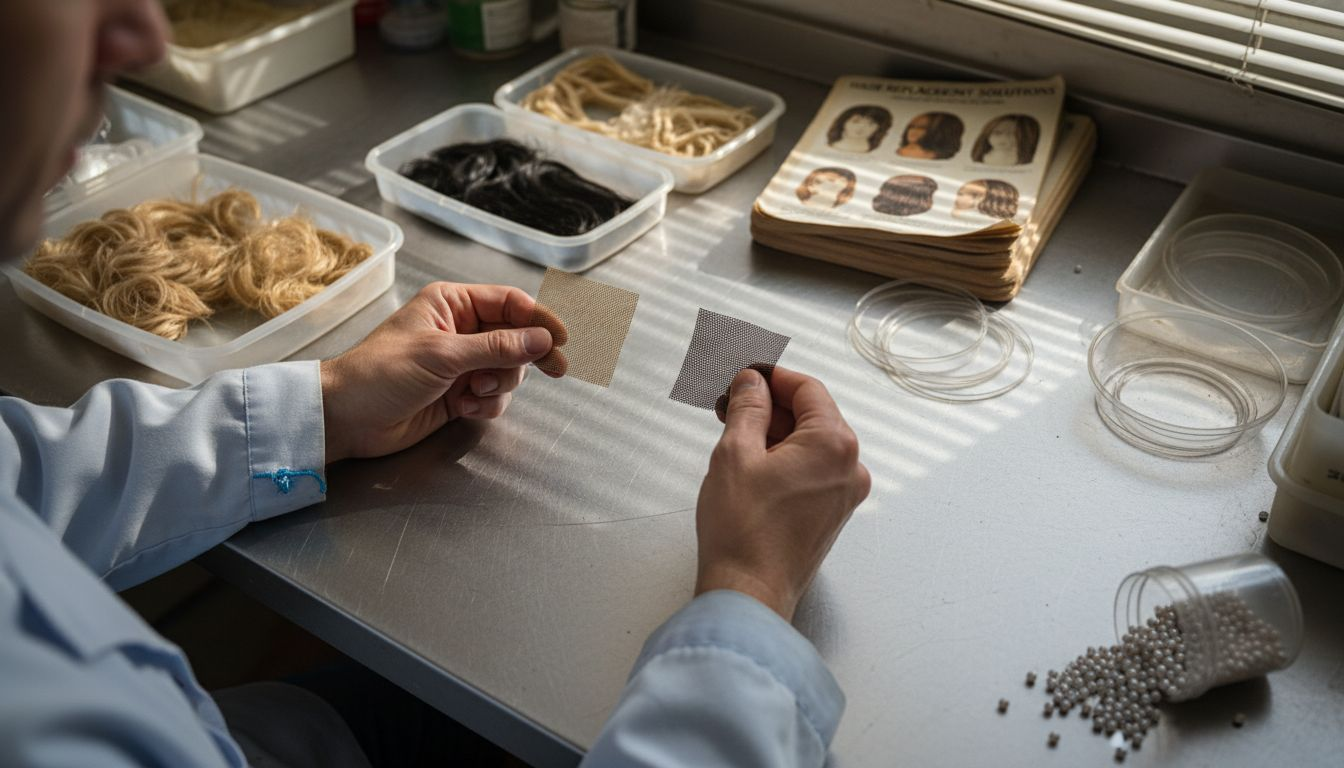
Here's a quick comparison of base materials used in hair patches:
| Material Type | Comfort Level | Durability | Best For |
|---|---|---|---|
| Polyurethane | Moderate | Good | Thin, invisible blending |
| Lace | Very high | Moderate | Maximum breathability |
| Silicone | High | Excellent | Long-term wear |
| Monofilament | High | Good | Natural scalp appearance |
| Combination | Customizable comfort | Varies by blend | Versatility and balance |
Pro tip: Consult a hair restoration specialist to assess your specific scalp condition and lifestyle needs before selecting a hair patch material.
How Hair Patches Work and Application Methods
Hair patches provide an innovative solution for individuals experiencing localized hair loss, utilizing advanced attachment techniques to create seamless hair coverage. These specialized hairpieces are meticulously designed to integrate with an individual's existing hair, offering a natural and undetectable restoration approach.
Application methods for hair patches involve several precise steps:
- Professional scalp measurement and mapping
- Custom patch sizing and trimming
- Selection of appropriate medical-grade adhesive
- Careful alignment with natural hair growth patterns
- Precise attachment techniques
The attachment process relies on specialized medical-grade adhesives or double-sided tapes engineered to provide secure, long-lasting placement. These advanced bonding materials create a strong connection between the hair patch and scalp while remaining gentle enough to prevent skin irritation. Professional application ensures the patch blends invisibly, creating a seamless transition that mimics natural hair growth.
Modern hair patches utilize 100% human hair or high-quality synthetic fibers, allowing for exceptional customization. Technicians carefully match hair color, texture, and density to the individual's existing hair, ensuring an undetectable and natural-looking result. The precision of modern hair patch technology enables users to restore confidence and achieve a full, natural hair appearance without invasive surgical procedures.
Pro tip: Always have your hair patch professionally fitted and learn proper maintenance techniques to maximize longevity and natural appearance.
AI Technology for Personalized Hair Patch Selection
Advanced artificial intelligence is revolutionizing hair restoration by transforming personalized hair care solutions. These sophisticated algorithms analyze complex scalp data, enabling unprecedented precision in hair patch selection and customization for individuals experiencing localized hair loss.
AI diagnostic technologies leverage multiple data points to create personalized recommendations:
- High-resolution scalp imaging
- Machine learning pattern recognition
- Detailed dermatological analysis
- Individual hair follicle health assessment
- Comprehensive hair loss pattern evaluation
The diagnostic process involves sophisticated imaging techniques that capture microscopic details of an individual's scalp condition. Artificial Intelligence models process these images, comparing them against extensive databases of hair and scalp characteristics to generate highly accurate recommendations. These advanced algorithms can predict optimal hair patch materials, size, color matching, and attachment techniques tailored to each user's unique physiological profile.
By integrating multiple data sources, AI technology goes beyond traditional hair replacement approaches. The system considers factors like skin sensitivity, hair growth patterns, lifestyle conditions, and genetic predispositions to recommend the most suitable hair patch solution. This data-driven approach ensures that hair patches are not just cosmetic additions but personalized interventions designed to seamlessly integrate with an individual's natural hair characteristics.
Pro tip: Capture clear, well-lit scalp images from multiple angles to enable the most accurate AI-powered hair patch recommendation.
Risks, Costs, and Common Mistakes
Hair patches offer transformative solutions, but understanding potential risks and safety considerations is crucial for successful hair restoration. While these solutions provide remarkable cosmetic benefits, users must navigate potential challenges to ensure optimal results and scalp health.
Potential risks associated with hair patches include:
- Scalp irritation from adhesive materials
- Allergic reactions to patch components
- Traction alopecia from improper attachment
- Potential skin infections
- Reduced natural hair follicle health
Cost variations depend significantly on patch complexity and material quality. Human hair patches represent the most expensive option, with prices ranging from $500 to $3,000, while synthetic alternatives typically cost between $200 and $800. Professional installation adds another $100-$500 to the total expense, making comprehensive hair patch solutions a substantial investment requiring careful consideration.
Common mistakes can dramatically compromise hair patch effectiveness and user experience. Improper maintenance, failing to follow professional recommendations, and neglecting scalp hygiene can lead to premature patch deterioration, skin complications, and reduced aesthetic appeal. Users should prioritize regular professional consultations, follow precise cleaning protocols, and monitor their scalp's response to patch implementation.
Pro tip: Schedule quarterly professional assessments to ensure your hair patch remains secure, comfortable, and maintains optimal aesthetic quality.
Comparing Hair Patches to Alternatives
Individuals experiencing hair loss have multiple options for restoration, with hair patches representing just one approach among several alternative hair restoration strategies. Understanding the comparative advantages and limitations of each method enables more informed decision-making about personal hair restoration journeys.
Alternative hair restoration approaches include:
- Pharmaceutical treatments (minoxidil, finasteride)
- Stem cell regenerative therapies
- Hair transplant surgeries
- Laser therapy treatments
- Scalp micropigmentation
- Natural supplement regimens
Pharmaceutical interventions like minoxidil and finasteride offer potential hair regrowth, but typically require consistent long-term use and may produce side effects. These medical treatments frequently demand months of continuous application before showing measurable results, contrasting with hair patches' immediate cosmetic solution. Surgical options like hair transplantation provide more permanent solutions but involve higher risks, longer recovery periods, and substantially greater financial investments.
Hair patches distinguish themselves through immediate visual results, minimal medical intervention, and customizable aesthetic options. Unlike regenerative treatments that promise potential regrowth, patches deliver instant coverage and confidence restoration. The non-invasive nature of hair patches, combined with their ability to match individual hair characteristics precisely, makes them an attractive alternative for those seeking quick, adaptable hair loss solutions.
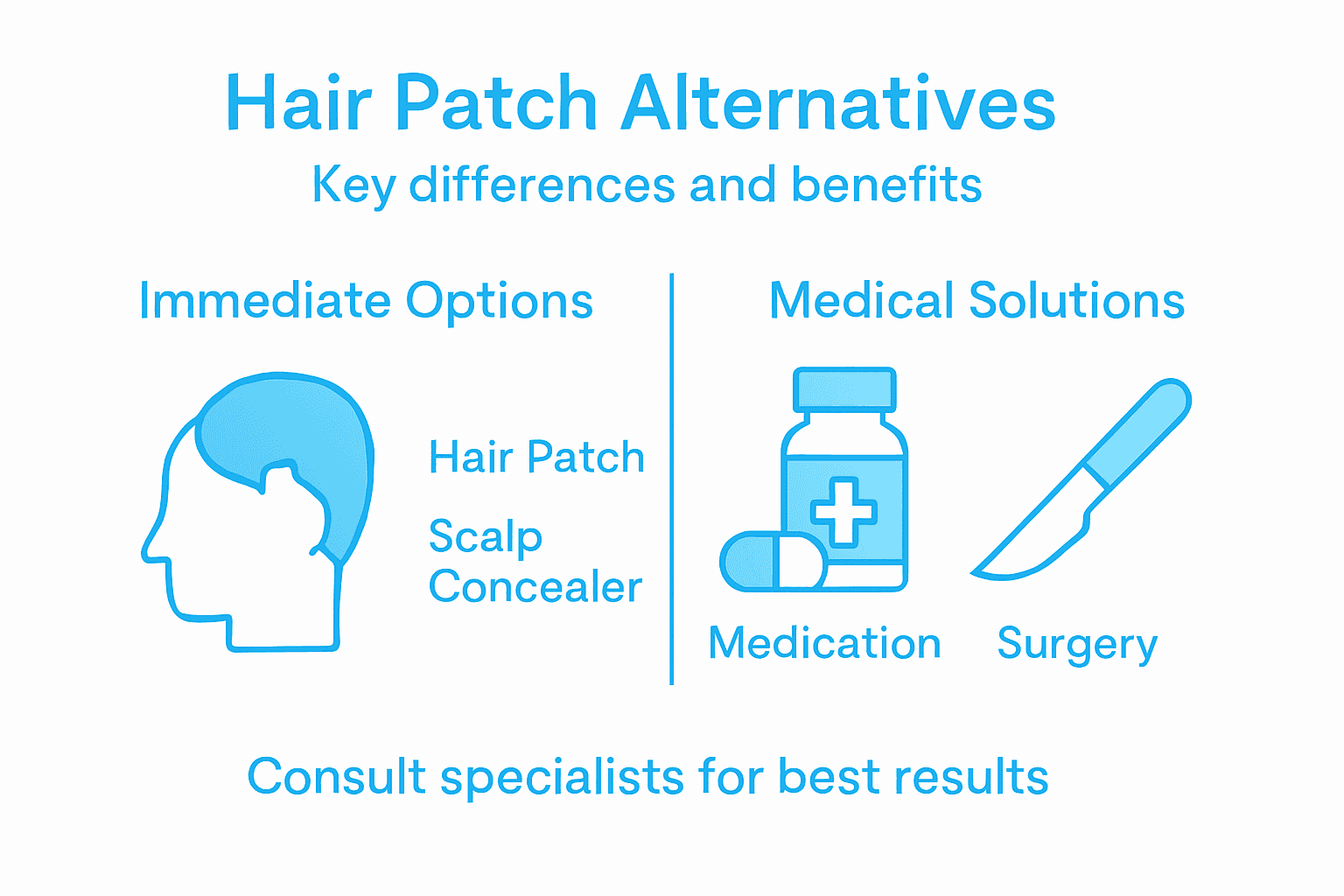
Compare hair patches to other hair restoration solutions at a glance:
| Method | Result Speed | Procedure Type | Maintenance Needs |
|---|---|---|---|
| Hair Patch | Immediate | Non-surgical | Routine cleaning |
| Hair Transplant | Months | Surgical | Post-op care required |
| Pharmaceutical (Minoxidil) | Several months | Topical/Medical | Daily application |
| Stem Cell Therapy | Unproven timelines | Medical/Surgical | Ongoing assessments |
| Scalp Micropigmentation | Immediate | Non-surgical | Occasional touch-ups |
Pro tip: Consult multiple hair restoration specialists to understand which approach best matches your specific hair loss pattern, budget, and personal comfort level.
Discover Personalized Hair Patch Solutions with AI Technology
Struggling with bald spots and searching for a natural, comfortable way to restore your hair's appearance can feel overwhelming. The article highlights key challenges like finding the right hair patch material, ensuring proper attachment, and achieving a seamless match with your natural hair color and texture. These pain points can leave many feeling frustrated or uncertain about the best path forward.
MyHair.ai offers a cutting-edge AI-powered platform designed to analyze your unique scalp condition and hair loss pattern in detail. By harnessing advanced algorithms, the service delivers personalized insights aimed at helping you select the most suitable hair patch options and complementary treatments. Gain confidence through a tailored approach that considers your specific hair characteristics and lifestyle needs.
Take control of your hair restoration journey today by visiting MyHair.ai to get a customized hair health assessment based on your scalp scans. Explore valuable resources like AI-powered diagnostics and learn how modern hair patches can blend flawlessly with your natural hair. Act now to unlock expert guidance and product recommendations that will help you overcome the challenges of bald spots with personalized solutions.
Frequently Asked Questions
What are hair patches for bald spots?
Hair patches are specialized hair replacement systems designed to cover specific areas of hair loss, providing localized cosmetic solutions for individuals experiencing bald spots due to conditions like alopecia areata.
How are hair patches customized to an individual's needs?
Hair patches are customized based on the individual's specific bald spot dimensions, hair color, texture, and growth patterns, ensuring a natural and seamless appearance.
What materials are commonly used in hair patches?
Common materials for hair patches include polyurethane, lace, silicone, monofilament, and combination bases, each offering various levels of comfort, durability, and aesthetic appeal.
What are the potential risks associated with using hair patches?
Potential risks may include scalp irritation from adhesives, allergic reactions, traction alopecia from improper application, skin infections, and reduced natural hair follicle health.