Hair products promise radiant locks but can actually be detrimental to your hair health. Studies reveal that as many as 25 percent of individuals experience hair loss linked to the ingredients in their hair care products. Surprisingly, the biggest culprits are not just those flashy ads but rather toxic chemicals hiding in plain sight. It turns out that many popular brands include harmful ingredients that can lead to irreversible damage. Taking the time to understand these risks can save your hair and give you back your confidence.
Table of Contents
- Common hair product ingredients linked to hair loss
- Signs your hair product is causing damage
- FDA review and what it means for you
- Protecting your hair from harmful ingredients
Quick Summary
| Takeaway | Explanation |
|---|---|
| Identify Toxic Ingredients | Key harmful substances in hair products include formaldehyde, sulfates, parabens, and synthetic fragrances, which can contribute to hair loss and scalp irritation. |
| Monitor Your Hair and Scalp Health | Be alert for physical signs such as increased brittleness, dryness, or thinning hair, as well as scalp irritation symptoms like itching or redness, which may indicate product-related damage. |
| Understand FDA Regulations | Only use FDA-approved treatments for hair loss, as these are rigorously tested for safety and efficacy, while many marketed solutions may lack proper oversight. |
| Choose Natural Alternatives | Opt for natural hair care products with minimal synthetic ingredients, such as aloe vera and coconut oil, to reduce chemical exposure and support healthy hair growth. |
| Implement Gentle Hair Care Practices | Avoid harsh treatments, tight hairstyles, and excessive heat styling to prevent damage and reduce the risk of traction alopecia, ensuring long-term hair health. |
Common hair product ingredients linked to hair loss
Hair products promise transformation but can secretly sabotage your hair health. Understanding which ingredients trigger hair loss helps consumers make informed choices about their hair care routine.
Toxic Chemical Culprits in Hair Products
Certain chemicals in everyday hair products can cause significant damage to hair follicles and scalp health. Formaldehyde and formaldehyde releasers represent one of the most dangerous ingredient categories. According to GoodRx Health, these preservatives found in numerous hair treatments can directly contribute to hair loss and scalp irritation.
Specifically, ingredients like DMDM hydantoin, quaternium-15, and bronopol break down and release formaldehyde over time. These chemicals can trigger inflammatory responses in the scalp, potentially damaging hair follicles and interrupting normal hair growth cycles. Several major brands have faced class action lawsuits for including these harmful substances in their products.
Harsh Preservatives and Synthetic Compounds
Beyond formaldehyde, multiple synthetic compounds can negatively impact hair health. Coal tar, commonly used in medicated shampoos for scalp conditions, presents significant risks. Medical News Today highlights that coal tar can cause scalp irritation, leading to dry and brittle hair structures.
 Other problematic ingredients include:
- Sulfates (sodium lauryl sulfate)
- Parabens
- Phthalates
- Synthetic fragrances
These chemicals can strip natural oils, disrupt hormonal balance, and create inflammatory responses that compromise hair follicle health. Prolonged exposure may lead to progressive hair thinning and increased hair loss rates.
Nutritional Disruption and Hair Loss
Interestingly, some hair products can indirectly cause hair loss by interfering with nutritional absorption. Journal of Clinical and Aesthetic Dermatology research suggests that certain chemical interactions can impede zinc and biotin absorption. Zinc deficiency is a well-established contributor to hair loss, while biotin plays a critical role in maintaining healthy hair growth.
Consumers should carefully review product ingredient lists, prioritizing natural, gentle formulations that support scalp and hair health. Look for products free from harsh chemicals, with transparent ingredient disclosure and preferably certified by dermatological associations.
Protecting your hair means being an informed consumer. By understanding which hair products can cause hair loss, you can make smarter choices that preserve your hair's natural strength and beauty.
Signs your hair product is causing damage
Recognizing early warning signs of hair product damage can prevent long-term hair loss and scalp health complications. Your hair communicates its distress through subtle yet significant indicators that demand immediate attention.
Physical Changes in Hair Texture and Appearance
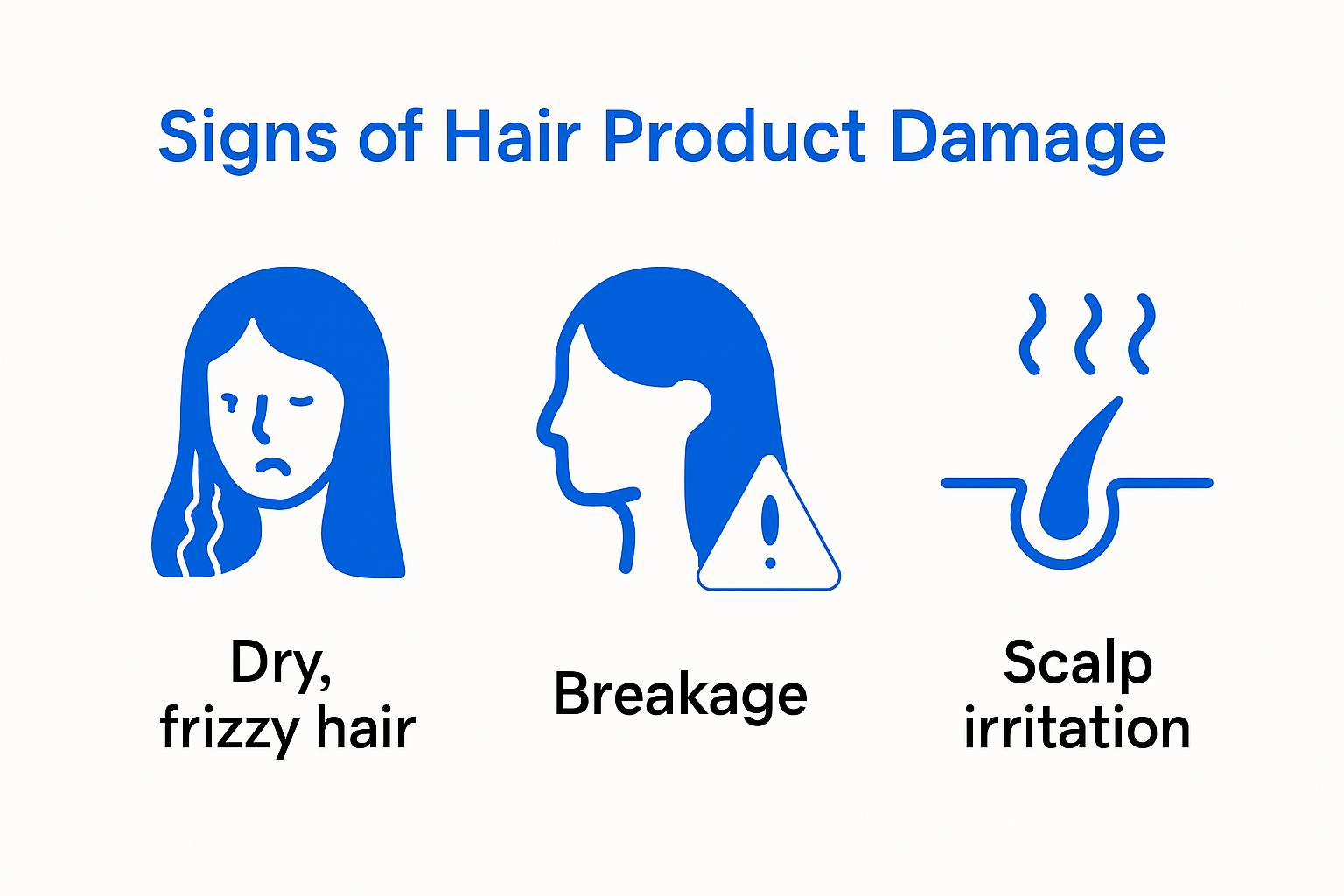
Your hair serves as a visual health indicator. Sudden changes in texture, shine, and strength often signal underlying product-related damage. Excessive breakage becomes a critical red flag. When you notice more hair strands in your brush or shower drain than usual, your hair products might be causing irreversible harm.
Key physical signs include:
- Increased hair brittleness
- Sudden loss of natural shine
- Hair feeling unusually dry or straw-like
- Visible split ends occurring more frequently
- Unexpected thinning or reduction in hair volume
According to National Center on Aging, Americans are projected to spend $2.22 billion on hair loss products by 2025, underscoring the widespread concern about hair health and product-related damage.
Scalp Health and Irritation Indicators
Scalp condition provides crucial insights into potential hair product damage. Persistent irritation, inflammation, or unusual sensations suggest your current hair care routine might be causing harm. Scalp sensitivity emerges as a primary warning sign that should not be ignored.
Watch for these scalp-related symptoms:
- Persistent itching
- Burning or tingling sensations
- Increased dandruff or flaking
- Redness and inflammation
- Unusual dryness or excessive oiliness
Chemicals like DMDM hydantoin have been directly linked to scalp irritation. GoodRx Health reports multiple class-action lawsuits against products containing such problematic ingredients, emphasizing the serious health implications of harsh chemical formulations.
Biochemical and Hormonal Disruption Signs
Beyond visible symptoms, hair products can cause biochemical disruptions that compromise follicle health. Hormonal imbalances triggered by certain chemicals can lead to progressive hair loss. Unusual hair growth patterns might indicate deeper physiological changes caused by toxic product ingredients.
Subtle biochemical warning signs include:
- Unexpected hair thinning in specific areas
- Changes in hair growth cycle
- Reduced hair density
- Slower hair regeneration
Emergent research offers hope. UCLA scientists have identified a promising molecule called PP405 that could potentially reactivate dormant hair follicles, suggesting innovative approaches to understanding and addressing hair loss mechanisms.
Proactive monitoring of these signs empowers you to make informed decisions about your hair care routine. By recognizing early damage indicators, you can prevent long-term hair health complications and maintain vibrant, resilient hair.
FDA review and what it means for you
Navigating the complex landscape of hair loss treatments requires understanding official regulatory perspectives. The Food and Drug Administration (FDA) plays a critical role in protecting consumers from potentially harmful products while ensuring safe, effective hair loss solutions.
FDA Oversight of Hair Loss Products
The FDA maintains strict guidelines for hair loss treatments, carefully evaluating products for safety and efficacy. Regulatory scrutiny helps protect consumers from unproven and potentially dangerous treatments. Not all hair loss products receive official approval, and many marketed solutions operate in a regulatory gray area.
Key aspects of FDA oversight include:
- Rigorous testing requirements
- Evaluation of potential side effects
- Verification of manufacturer claims
- Monitoring post-market product performance
FDA Regulations emphasize the importance of comprehensive clinical trials and transparent reporting of potential risks associated with hair loss treatments.
Warnings and Potential Risks
Recent FDA communications have highlighted significant concerns about unregulated hair loss products. According to Healthline, the agency has issued public warnings regarding compounded topical finasteride products sold through telehealth platforms.
Specifically, the FDA has raised red flags about:
- Unapproved topical formulations
- Potential mental health side effects
- Unreported sexual health complications
- Lack of comprehensive safety data
Consumer protection remains the primary goal of these regulatory interventions. The FDA strongly advises against using unverified hair loss treatments that lack official approval.
Navigating FDA-Approved Treatments
Consumers should prioritize FDA-approved treatments with documented safety profiles. Powers Health Research emphasizes that while oral finasteride is approved for hair loss, topical spray or compounded versions remain unapproved and potentially dangerous.
Recommendations for safe hair loss treatment selection:
- Consult healthcare professionals
- Choose FDA-approved medications
- Review comprehensive clinical research
- Understand potential side effects
- Monitor personal health responses
Understanding FDA reviews empowers you to make informed decisions about hair loss treatments. By staying informed and cautious, you can protect your health while seeking effective solutions for hair restoration.
Remember, your safety is paramount. Always consult medical professionals and rely on scientifically validated treatments when addressing hair loss concerns.
Protecting your hair from harmful ingredients
Safeguarding your hair requires a proactive approach to understanding and eliminating potentially damaging ingredients. By making informed choices, you can maintain healthy hair and prevent long-term damage caused by toxic hair care products.
Reading and Understanding Product Labels
Deciphering product labels is your first line of defense against harmful ingredients. Ingredient awareness empowers consumers to make smarter hair care choices. Most hair product labels list ingredients in descending order of concentration, allowing you to identify potentially harmful components quickly.
Key ingredients to avoid include:
- Sulfates (sodium lauryl sulfate)
- Parabens
- Formaldehyde-releasing preservatives
- Synthetic fragrances
- Alcohol-based compounds
According to GoodRx Health, certain chemical ingredients can cause significant scalp irritation and contribute to hair thinning, especially for individuals with sensitive skin.
Natural and Safe Hair Care Alternatives
Transitioning to natural hair care solutions offers a protective strategy against harmful ingredients. Holistic hair health involves selecting products with minimal, natural ingredients that support your hair's natural ecosystem. Look for products containing nourishing botanical extracts, essential oils, and scientifically backed natural compounds.
Recommended natural ingredients include:
- Aloe vera
- Coconut oil
- Argan oil
- Jojoba oil
- Biotin-rich botanical extracts
These natural alternatives provide multiple benefits:
- Reduced chemical exposure
- Enhanced hair moisture
- Improved scalp health
- Minimized risk of irritation
Protective Hair Care Practices
Beyond ingredient selection, your hair care routine plays a crucial role in preventing damage. Mindful hair management involves reducing harsh treatments and adopting gentler styling practices. Research indicates that repeated chemical treatments and tight hairstyles can increase the risk of traction alopecia—a form of permanent hair loss caused by consistent tension and breakage.
Protective practices include:
- Limiting chemical treatments
- Using heat protectant products
- Avoiding tight hairstyles
- Implementing gentle detangling techniques
- Protecting hair from environmental stressors
Consult with professional dermatologists or trichologists who can provide personalized advice tailored to your specific hair type and concerns. They can help you develop a comprehensive hair care strategy that minimizes damage and promotes long-term hair health.
Remember, protecting your hair is an ongoing process. Stay informed, be proactive, and prioritize gentle, natural approaches to hair care. Your hair's health reflects your overall well-being, and investing in proper care now can prevent significant issues in the future.
Frequently Asked Questions
What ingredients in hair products can cause hair loss?
Certain toxic ingredients commonly found in hair products, such as formaldehyde, sulfates, parabens, and synthetic fragrances, can contribute to hair loss and scalp irritation.
How can I tell if my hair products are damaging my hair?
Signs of damage include increased hair brittleness, loss of shine, thinning hair, scalp irritation such as itching or redness, and changes in hair growth patterns.
What does the FDA say about hair loss treatments?
The FDA oversees hair loss products to ensure safety and efficacy. It's essential to choose FDA-approved treatments, as unregulated products may pose health risks.
What are some natural alternatives to harmful hair products?
Natural hair care alternatives include ingredients like aloe vera, coconut oil, argan oil, and jojoba oil. These products are often gentler on the hair and scalp, reducing the risk of damage.
Don’t Let Harmful Hair Products Be Your Downfall!
Your hair deserves better than the toxic ingredients hidden in popular products. With 25% of individuals linked to hair loss due to harmful chemicals like sulfates and parabens, it’s time to take control of your hair health. Understanding the signs of product damage is crucial, and knowing which ingredients to avoid can save you from irreversible hair loss. Luckily, MyHair.ai is here to guide you through this journey.
Why wait until it's too late? With our AI-powered hair health analysis, you can receive personalized insights tailored to your unique hair needs. Upload your hair scans, track changes over time, and get expert recommendations for safe, effective products that actually work—keeping your hair and scalp protected from harmful ingredients!
👉 Start your hair health journey today at https://myhair.ai and discover the solutions that bring your hair back to life! Don't settle for less; your hair's well-being is just a scan away!