
Choosing the wrong shampoo can strip dry hair of up to 20% more natural oils than gentler alternatives. Many individuals struggle with persistent dryness because they don't understand key product selection criteria. This article guides you through evidence-backed product choices to restore moisture and manage dryness effectively. You'll learn which ingredients to seek, which to avoid, and how to build a personalized regimen that delivers real results.
Table of Contents
- How to Choose Hair Products for Dry Hair: Key Selection Criteria
- Shampoos for Dry Hair: Sulfate-Free and Moisturizing Options
- Conditioners and Leave-In Conditioners: Immediate Moisture and Protection
- Hair Masks and Deep Treatments: Intensive Hydration Boosters
- Oils and Serums: Natural Nourishment for Dry Hair
- Comparing Product Options: Efficacy, Cost, and Suitability for Dry Hair
- Considerations and Precautions: Avoiding Common Pitfalls in Dry Hair Care
- Situational Recommendations: Best Hair Products for Specific Dry Hair Needs
- Discover Personalized Hair Solutions with AI-Powered Analysis
- Frequently Asked Questions
Key Takeaways
| Point | Details |
|---|---|
| Sulfate-free shampoos retain 15-20% more natural oils during washing than sulfate shampoos. | Preserving these oils prevents additional moisture loss. |
| Hair masks improve hydration 40-50% more than daily conditioners for dry hair. | Weekly mask treatments provide intensive moisture restoration. |
| Natural oils reduce hair breakage by 35-45% when applied regularly to dry hair. | Argan and jojoba oils improve elasticity and strength. |
| Product effectiveness depends on matching formulations to your hair texture and dryness severity. | Personalized selection maximizes hydration benefits. |
How to Choose Hair Products for Dry Hair: Key Selection Criteria
Now that you know why product choice matters, here's how to identify effective products by key criteria.
Prioritize hydrating ingredients that actively pull moisture into your hair shaft. Humectants like glycerin and hyaluronic acid increase moisture retention by up to 60% in dry hair. Ceramides strengthen the hair cuticle and lock in hydration. These ingredients form the foundation of any effective dry hair regimen.
Avoid products containing sulfates and drying alcohols. Sulfates strip away protective natural oils, leaving hair even drier. Drying alcohols like denatured alcohol or isopropyl alcohol evaporate quickly and pull moisture from your hair strands. Check ingredient labels carefully before purchasing.
Select products specifically formulated for dry hair rather than generic options. These targeted formulations contain higher concentrations of moisturizing ingredients. They balance gentle cleansing with moisture preservation. Generic products often prioritize cleaning power over hydration, worsening dryness over time.
Understand how different product forms address dry hair needs:
- Shampoos cleanse while preserving natural oils
- Conditioners seal the cuticle and add immediate softness
- Masks provide intensive hydration for severe dryness
- Oils nourish and reduce breakage
- Leave-in conditioners protect hair throughout the day
Match your product choices to your hair type and dryness severity. Fine dry hair needs lightweight formulations to avoid greasiness. Thick coarse dry hair benefits from richer creams and heavier oils. Consider your budget, lifestyle, and styling preferences when building your regimen. For more guidance on choosing the right oil for dry hair, explore specialized oil selection strategies.
Pro Tip: Start with one new product at a time to identify which formulations work best for your hair. This approach helps you pinpoint effective ingredients without overwhelming your routine.
Shampoos for Dry Hair: Sulfate-Free and Moisturizing Options
Sulfate-free shampoos preserve 15-20% more natural oils during washing compared to sulfate-containing formulas. This preservation prevents additional moisture loss that worsens dryness. When your hair retains these protective oils, it maintains better hydration between washes.
Many moisturizing shampoos include glycerin and natural oils in their formulations. These ingredients add hydration during the cleansing process rather than just removing dirt and oil. Look for shampoos listing coconut oil, argan oil, or shea butter in the top ingredients. These additions compensate for any moisture lost during washing.
Affordable sulfate-free shampoos often perform as well as premium brands. Lab testing shows budget options can match or exceed expensive formulas in moisture retention. Focus on ingredient quality rather than price when selecting your shampoo. Many drugstore brands now offer effective sulfate-free formulations under $15.
Key features to seek in dry hair shampoos:
- Sulfate-free surfactants like cocamidopropyl betaine
- Hydrating ingredients in the first five listed components
- pH balanced formulations between 4.5 and 5.5
- Absence of harsh alcohols and heavy silicones
- Creamy texture that doesn't strip hair
Use shampoos that balance cleansing with moisture retention for long-term hair health. Over-cleansing removes too many natural oils, while under-cleansing leads to buildup that blocks moisture absorption. Most dry hair types benefit from shampooing two to three times weekly. Explore top sulfate-free shampoos to compare formulations and find your ideal match.
Let's explore how conditioners complement shampoos by providing immediate moisture and protection.
Conditioners and Leave-In Conditioners: Immediate Moisture and Protection
Leave-in conditioners create a protective barrier that reduces moisture loss throughout the day. Formulations with silicones reduce moisture loss by approximately 25% compared to untreated hair. This barrier shields your hair from environmental damage and prevents water evaporation from the hair shaft.
Specialized leave-in products deliver noticeable improvements. Survey data shows 68% of users report enhanced softness and manageability after switching to quality leave-in conditioners. These products work continuously between washes, unlike rinse-out conditioners that provide temporary benefits.
Silicone buildup presents a potential risk if you don't wash it out periodically. Heavy silicones coat the hair shaft, which initially creates smoothness but eventually prevents moisture absorption. Use a clarifying shampoo every two to three weeks to remove accumulated silicones and allow hydrating ingredients to penetrate again.
Differentiate between rinse-out conditioners and leave-in types for proper application:
- Rinse-out conditioners contain higher concentrations of heavy moisturizers
- Leave-in formulas use lighter ingredients that won't weigh hair down
- Rinse-out products work for 3 to 5 minutes before removal
- Leave-in conditioners absorb throughout the day
- Combining both types maximizes hydration benefits
Apply leave-in conditioners strategically to avoid dullness or excessive buildup. Focus on mid-lengths and ends where dryness concentrates. Avoid applying directly to roots unless your scalp is also extremely dry. Start with a small amount and add more only if needed.
Pro Tip: Apply leave-in conditioner to damp hair rather than soaking wet or completely dry hair. Damp hair absorbs products more effectively while minimizing the risk of greasiness. Discover more benefits of leave-in conditioners for comprehensive hydration strategies.
Beyond daily conditioner use, intensive treatments can further boost dry hair hydration.
Hair Masks and Deep Treatments: Intensive Hydration Boosters
Hair masks improve hydration 40-50% more than daily conditioners for severely dry hair. This dramatic improvement comes from higher concentrations of moisturizing ingredients and longer application times. Masks penetrate deeper into the hair shaft, repairing damage and restoring elasticity.
Ceramide-containing masks boost hydration by 45% after just one application. Ceramides fill gaps in the hair cuticle, creating a smoother surface that retains moisture better. Regular use strengthens hair structure and reduces breakage from brittleness.
Premium masks often cost $50 or more but contain advanced ingredient combinations. These formulations may include keratin proteins, botanical extracts, and multiple oil blends. However, mid-range masks at $20 to $35 frequently deliver comparable results if they contain the right active ingredients.
| Mask Type | Key Ingredients | Average Cost | Best For |
|---|---|---|---|
| Ceramide Masks | Ceramides, fatty acids | $25-$60 | Severe dryness, damaged cuticles |
| Protein Masks | Keratin, hydrolyzed proteins | $20-$50 | Weak, brittle hair |
| Oil-Based Masks | Coconut, argan, avocado oils | $15-$45 | General dryness, shine restoration |
| Honey/Glycerin Masks | Humectants, natural extracts | $12-$35 | Moisture retention, softness |
Use masks routinely for sustained results, balancing cost and application frequency. Most dry hair types benefit from weekly mask treatments. Severely damaged hair may need twice-weekly applications initially. Adjust frequency as your hair condition improves to maintain hydration without product buildup.
Application technique affects mask effectiveness:
- Apply to clean, towel-dried hair for better absorption
- Concentrate product on the driest areas
- Use a shower cap to trap heat and enhance penetration
- Leave on for 10 to 20 minutes minimum
- Rinse thoroughly to prevent residue
Masks provide intensive treatment ideal for severe dryness that daily products can't fully address. They work especially well before events when you want your hair looking its best. Find targeted options among deep conditioning masks for dry damaged hair to restore moisture and strength.
To complete your regimen, natural oils and serums nourish and protect dry hair effectively.
Oils and Serums: Natural Nourishment for Dry Hair
Argan and jojoba oils reduce hair breakage by 35-45% when used regularly on dry hair. These natural oils improve hair elasticity, allowing strands to bend rather than snap under stress. They also add shine by smoothing the cuticle layer and reflecting more light.
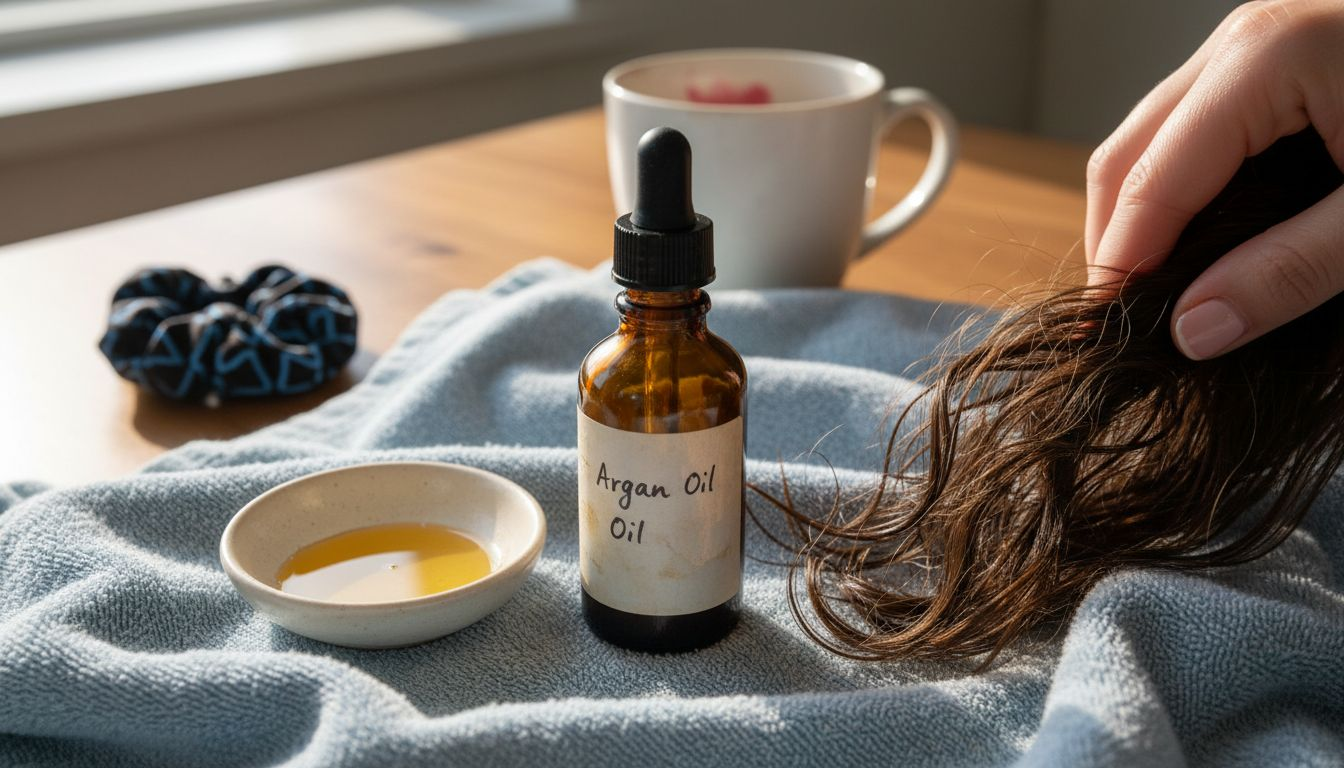
Natural oils work best when applied correctly to clean, damp hair. A few drops warmed between your palms and worked through ends prevents breakage without causing greasiness. Oils seal in moisture from your conditioner or leave-in treatment, creating a protective layer that lasts until your next wash.
Heavy oils may cause greasiness in fine dry hair for about 30% of users. Coconut oil and castor oil are particularly prone to weighing down fine textures. These individuals experience flat, limp hair that looks unwashed even shortly after application. The thickness of these oils doesn't allow for easy distribution through fine strands.
Choose lighter oils for fine hair to avoid buildup and maintain volume:
- Argan oil absorbs quickly without residue
- Jojoba oil mimics natural scalp oils
- Grapeseed oil provides lightweight moisture
- Sweet almond oil offers moderate weight
- Marula oil delivers antioxidants and hydration
Understanding oil absorption rates helps optimize nourishment. Fast-absorbing oils like argan and jojoba penetrate the hair shaft rather than sitting on the surface. Slow-absorbing oils like coconut and olive create more surface coating. Match absorption speed to your hair porosity for best results.
Apply oils strategically based on your hair needs. Use them as pre-shampoo treatments to protect hair during washing. Add a drop to your leave-in conditioner for extra shine. Smooth a tiny amount over dry hair to tame frizz without re-wetting. Learn more about the benefits of argan oil for dry hair and explore comprehensive guidance on choosing the best oil for dry hair based on your specific texture and needs.
After exploring key product categories, here's a detailed comparison of efficacy, cost, and suitability.
Comparing Product Options: Efficacy, Cost, and Suitability for Dry Hair
Budget dry hair shampoos can outperform premium brands by 10-15% in hydration according to lab testing. Price doesn't always correlate with effectiveness. Many affordable drugstore brands use the same sulfate-free surfactants and moisturizing ingredients as luxury lines. Basic shampoo and conditioner sets costing $10 to $20 often deliver comparable results to products priced at $40 or more.
Protein-infused products improve hair tensile strength by 20%, making strands more resistant to breakage. These formulations work especially well for dry hair weakened by heat styling or chemical treatments. Protein treatments fill structural gaps in damaged hair, temporarily reinforcing the cortex.
Premium masks and oils priced at $50 or above typically offer intensive benefits through concentrated formulations. These products contain higher percentages of active ingredients and may include patented complexes. However, you can achieve similar results by layering affordable products strategically.
| Product Type | Hydration Boost | Average Cost | Key Benefit | Potential Drawback |
|---|---|---|---|---|
| Sulfate-Free Shampoo | 15-20% oil retention | $10-$25 | Gentle daily cleansing | May not remove heavy buildup |
| Silicone Leave-In | 25% moisture retention | $8-$20 | Immediate smoothness | Potential buildup over time |
| Deep Conditioning Mask | 40-50% vs daily conditioner | $15-$60 | Intensive repair | Requires time commitment |
| Natural Oil Treatment | 35-45% breakage reduction | $10-$35 | Nourishment, shine | May cause greasiness if overused |
| Protein Treatment | 20% strength improvement | $12-$40 | Structural repair | Can cause stiffness with overuse |
Compare sulfate-free shampoos versus silicone-based leave-ins for different moisture retention mechanisms. Sulfate-free shampoos preserve existing oils during cleansing. Silicone leave-ins add an external protective layer after washing. Using both provides comprehensive protection.
Consider your hair type and budget to select the optimal product combination. Fine hair needs lightweight options totaling $30 to $50 monthly. Thick coarse hair may require richer formulations costing $50 to $80 monthly. Prioritize products that address your primary concerns first, then add complementary items as budget allows. Review price considerations for dry hair products to make informed purchasing decisions.
With these comparisons in mind, let's explore precautions and usage to avoid common pitfalls in dry hair care.
Considerations and Precautions: Avoiding Common Pitfalls in Dry Hair Care
Silicone buildup causes dullness if you don't remove it with clarifying shampoos periodically. Silicones create an impermeable coating that initially smooths hair but eventually prevents moisture absorption. This buildup makes hair look lifeless and feel waxy. Use a sulfate-based clarifying shampoo every two to four weeks to reset your hair.
Heavy oils prove unsuitable for fine hair due to greasiness in approximately 30% of users. These individuals experience flat roots and stringy texture within hours of application. Their fine hair strands can't support the weight of thick oils like coconut or castor oil. The excess oil migrates to the scalp, creating an unwashed appearance.
Avoid products containing harsh sulfates and drying alcohols that worsen dryness:
- Sodium lauryl sulfate strips natural oils aggressively
- Denatured alcohol evaporates quickly, pulling moisture out
- Isopropyl alcohol causes brittleness with repeated use
- SD alcohol 40 dries both hair and scalp
- Propanol damages the hair cuticle over time
Adapt product frequency based on your hair condition and type. Oily scalps with dry ends need different application patterns than uniformly dry hair. Apply hydrating products primarily to your ends if your scalp produces adequate oil. Extend application to roots only if your scalp is also dry.
Proper routine maintenance sustains long-term hair health. Consistency matters more than product quantity. Using the right products irregularly produces worse results than using moderate products consistently. Track your hair's response over four to six weeks before changing your regimen.
Pro Tip: Keep a hair journal noting which products you use and how your hair responds. This record helps you identify patterns and optimize your routine over time. Note factors like humidity, styling methods, and seasonal changes that affect dryness. Discover strategies to avoid hair product pitfalls and maintain healthy hydration.
Understanding pitfalls prepares you to choose the best products for your unique dry hair needs.
Situational Recommendations: Best Hair Products for Specific Dry Hair Needs
For severe dryness, combine ceramide-rich masks with protein treatments for comprehensive repair. Apply a ceramide mask weekly to rebuild the cuticle structure. Use a protein treatment every two weeks to strengthen the cortex. This dual approach addresses both surface and internal damage. Your hair needs intensive intervention to restore moisture retention capacity.
Fine dry hair benefits from lightweight products that hydrate without weighing strands down. Choose watery leave-in conditioners over creamy formulas. Select light oils like argan or jojoba applied sparingly to ends only. Avoid heavy butters and thick creams that flatten fine textures. Your goal is moisture without sacrificing volume.
Budget-conscious consumers should invest in these core products first:
- A quality sulfate-free shampoo as your foundation
- A basic moisturizing conditioner for daily use
- One weekly deep conditioning mask
- A small bottle of lightweight natural oil
- A leave-in conditioner for daily protection
This essential lineup costs $40 to $60 total and addresses all major dry hair needs. Add specialized treatments only after mastering this foundation. Quality basics outperform a drawer full of mediocre specialty products.
For quick softness before events, silicone-based leave-in conditioners deliver immediate smoothness. These products coat the hair shaft instantly, eliminating frizz and adding shine within minutes. While not a long-term solution for dryness, they excel for temporary improvement. Apply them after your regular hydrating products for best results.
Match products to your hair's unique characteristics to maximize benefits. Coarse hair absorbs rich creams readily. Porous hair needs protein to fill gaps. Low porosity hair requires heat or steam to open the cuticle for product absorption. Color-treated dry hair needs sulfate-free formulas to preserve color while adding moisture. Explore tailored solutions for dry damaged hair and discover essential hair products for dryness recovery matched to your specific situation.
With your product choices optimized, discover how advanced AI tech can further elevate your hair care routine.
Discover Personalized Hair Solutions with AI-Powered Analysis
Understanding which products work best for dry hair becomes even more effective when you know your hair's specific condition and needs. Advanced technology now makes personalized analysis accessible to everyone seeking healthier hair.
Leverage AI-powered hair analysis to precisely assess your hair's current state and dryness severity. This technology examines your hair at a detailed level, identifying issues you might miss visually. The analysis reveals which areas need the most attention and tracks improvement over time.
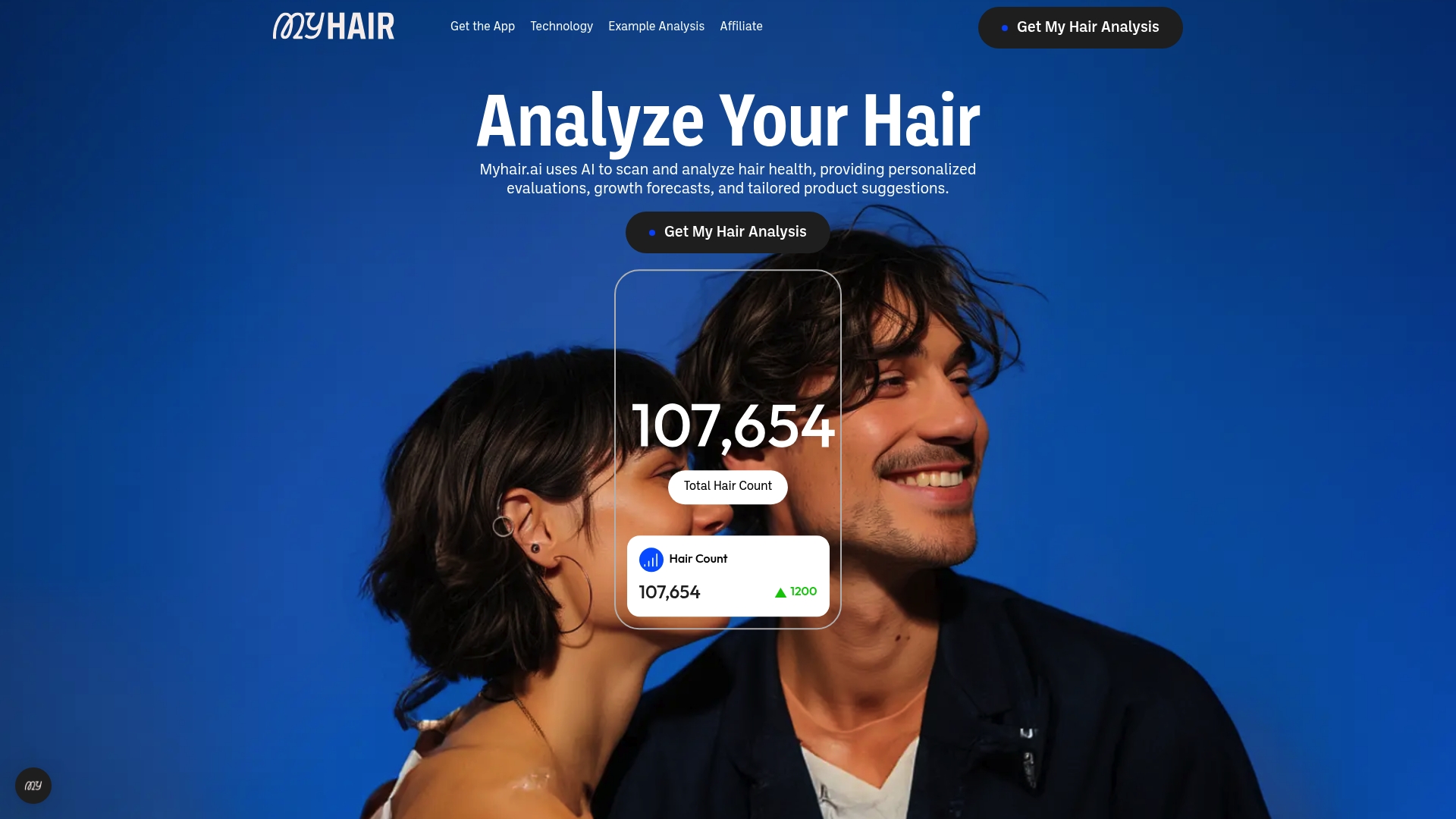
Receive customized product recommendations tailored specifically to your unique hair characteristics. Rather than guessing which formulations suit your needs, you get targeted suggestions based on your scan results. These recommendations consider your hair texture, porosity, damage level, and moisture content. Explore personalized hair care kits designed to restore moisture and reduce dryness through scientifically matched product combinations.
Join thousands already improving their hair health with data-driven insights and expert guidance. Personalized approaches consistently outperform generic routines because they address your specific concerns. Track your progress with regular scans that show measurable improvement. Discover personalized hair growth solutions that extend beyond dryness management to comprehensive hair health optimization.
Frequently Asked Questions
What ingredients should I avoid if my hair is dry?
Avoid sulfates like sodium lauryl sulfate that strip away protective natural oils and worsen dryness. Drying alcohols including denatured alcohol, isopropyl alcohol, and SD alcohol 40 evaporate quickly and pull moisture from your hair. These ingredients counteract the benefits of moisturizing products you're using. Look instead for hydrating ingredients like glycerin, ceramides, hyaluronic acid, and natural oils that actively add and retain moisture.
How often should I use deep conditioning masks for dry hair?
Apply deep conditioning masks once or twice weekly for optimal hydration without causing product buildup. Weekly treatments work well for moderate dryness and maintenance. Twice-weekly applications benefit severely dry or damaged hair initially. Adjust frequency as your hair condition improves to maintain hydration levels. Monitor your hair's response and reduce frequency if it starts feeling heavy or looks dull from excess product.
Are natural oils suitable for all dry hair types?
Lightweight oils like argan and jojoba suit most dry hair types and effectively reduce breakage by 35 to 45%. They absorb quickly without leaving residue. However, heavy oils cause greasiness in approximately 30% of users with fine dry hair. These individuals experience flat, limp hair that looks unwashed shortly after application. Select oils based on your hair texture, starting with lighter options if you have fine strands. Avoid overapplication by using just a few drops and focusing on ends rather than roots.
Can sulfate-free shampoos clean hair effectively without buildup?
Sulfate-free shampoos clean effectively while retaining 15-20% more natural oils than harsh sulfate alternatives. They use gentler surfactants that remove dirt and excess oil without stripping protective moisture. These formulations minimize dryness and prevent the cycle of over-stripping followed by heavy conditioning. For heavy product buildup, use a clarifying shampoo occasionally, then return to your sulfate-free formula for regular washing.