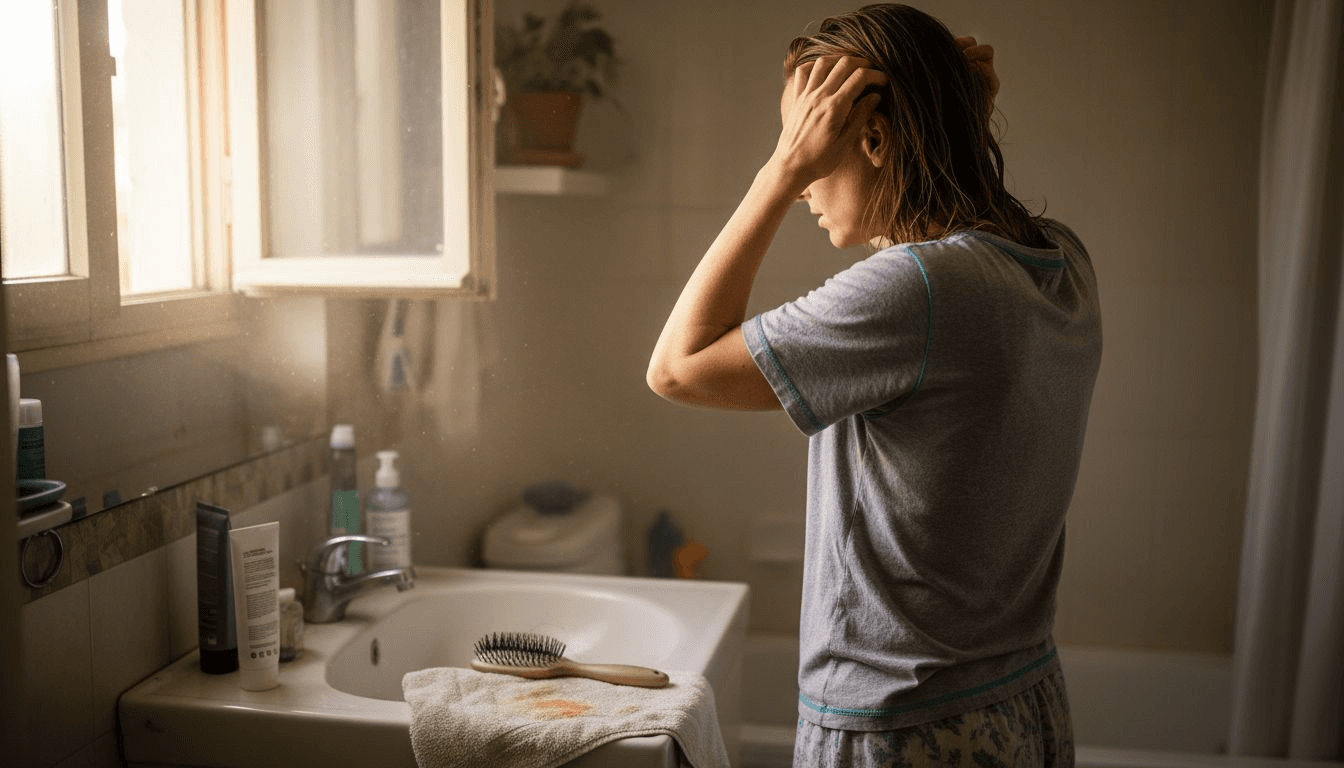
Watching your hair thin can leave you feeling uncertain and frustrated as the causes are rarely simple. With female hair loss linked to hormones, genetics, nutrition, stress, and aging, finding solutions requires more than just grabbing any shampoo from the shelf. The right approaches target both the symptoms and the root causes so you can take charge of your hair health. This list will unpack actionable methods for understanding thinning hair, using cutting-edge AI personalization, and choosing dermatologist-recommended products. Get ready to discover practical strategies that support fuller, stronger hair at every step.
Table of Contents
- 1. Understanding the Causes of Thinning Hair in Women
- 2. How AI Technology Personalizes Product Recommendations
- 3. Top Volumizing Shampoos and Conditioners for Thinning Hair
- 4. Scalp Serums and Treatments to Stimulate Growth
- 5. Leave-in Products for Fuller, Healthier Hair
- 6. Lifestyle and Hair Care Tips to Enhance Product Results
Quick Summary
| Takeaway | Explanation |
|---|---|
| 1. Understand hair loss causes | Identify factors like genetics, hormones, and nutrition affecting your hair thinning. Proper diagnosis leads to effective treatment. |
| 2. Invest in AI-based recommendations | Use AI technology for personalized product suggestions tailored to your hair's unique needs, improving outcomes significantly. |
| 3. Choose targeted shampoos and conditioners | Opt for formulations with beneficial ingredients like biotin and keratin that strengthen hair while promoting scalp health. |
| 4. Apply scalp serums consistently | Use serums with proven ingredients to improve scalp conditions and stimulate hair growth, applying them several times a week. |
| 5. Maintain a holistic hair care approach | Combine proper nutrition, gentle styling, and stress management with products for optimal hair health and thickness. |
1. Understanding the Causes of Thinning Hair in Women
Hair thinning in women isn't a single condition—it's often the result of multiple factors working together. Understanding what's causing your hair loss is the first step toward choosing the right products and treatments that will actually work for you.
Unlike male pattern baldness, female hair loss typically involves a complex mix of causes rather than one dominant factor. Your genetics, hormones, age, nutrition, stress levels, and overall health all play a role in how your hair grows and sheds.
The Most Common Causes of Thinning Hair
Women experience hair loss through several distinct patterns. The most prevalent cause is androgenetic alopecia, also known as female pattern hair loss, which accounts for a significant portion of cases. This condition stems from a combination of genetic predisposition and hormonal sensitivity, particularly to dihydrotestosterone (DHT), a hormone that can shrink hair follicles over time.
Beyond genetics and hormones, female hair loss involves multiple factors that interact in your body:
- Hormonal imbalances from thyroid disorders, PCOS, or menopause
- Nutritional deficiencies in iron, zinc, biotin, or vitamin D
- Stress and emotional factors that trigger telogen effluvium (temporary shedding)
- Scalp inflammation that disrupts the hair growth cycle
- Oxidative stress that damages hair follicles at the cellular level
- Aging-related changes that naturally affect hair thickness and growth
Why a Holistic Approach Matters
Hair health isn't isolated to your scalp. Research shows that maintaining healthy hair requires addressing the follicle, scalp, and hair shaft simultaneously. A single product won't solve the problem if underlying causes like nutritional deficiencies or hormonal imbalances remain untreated.
This is why diagnosis matters. Knowing whether your thinning stems from hormonal issues, nutritional gaps, or inflammation helps you select products that target the actual root cause rather than just the symptoms.
Hair thinning in women is multifactorial, meaning you'll see better results by addressing multiple causes at once rather than relying on a single solution.
Age also plays a significant role. As you move through your 30s, 40s, and beyond, your hair naturally experiences changes in growth cycles, diameter, and pigmentation. Menopause intensifies this process due to hormonal shifts that affect how your follicles function.
Pro tip: Consider getting a consultation or scalp analysis to identify your specific causes—whether hormonal, nutritional, or inflammatory—before selecting products, as this targeted approach dramatically improves results.
2. How AI Technology Personalizes Product Recommendations
Generic hair products work for some people but fail spectacularly for others. AI technology changes this by analyzing your individual hair characteristics and recommending products specifically tailored to your unique situation.
Traditional shopping means guessing based on your hair type or reading random reviews. AI takes a completely different approach by examining your scalp condition, hair growth patterns, and specific concerns to create personalized product combinations designed for maximum effectiveness.
How AI Analyzes Your Hair
AI systems work by processing multiple data points about your hair and scalp. Advanced algorithms examine scalp images, hair density patterns, and other individual characteristics to understand what's actually happening with your hair.
This analysis goes deeper than surface-level information. The technology identifies specific concerns like inflammation, follicle miniaturization, or scalp health issues that generic products might miss entirely.
The Results Speak for Themselves
Recent clinical research demonstrates that AI-personalized treatment regimens produce measurable improvements. In trials with women experiencing thinning hair, AI-recommended product combinations led to significant gains in:
- Enhanced hair growth and thickness
- Improved scalp health and reduced irritation
- Better hair shaft quality and resilience
- Faster visible results compared to standard products
The key difference is that AI doesn't recommend the same products to everyone. It identifies which ingredients and formulations work best for your specific hair loss pattern, scalp condition, and health profile.
Why Personalization Matters for You
Your hair thinning might stem from hormonal factors, nutritional deficiencies, inflammation, or aging. A product designed for hormonal hair loss won't help if your real issue is scalp inflammation or nutritional gaps. AI matching ensures you're treating the actual cause.
This personalized approach also saves you money. Instead of buying multiple products hoping one works, you get recommendations for exactly what your hair needs right now.
AI personalization eliminates the guesswork by matching you with products based on your individual hair analysis rather than generic categorizations.
The technology learns from your data over time. As you use recommended products and update your hair assessment, AI refines its recommendations for even better results moving forward.
Pro tip: Take clear scalp photos under consistent lighting when using AI analysis tools, as image quality directly impacts the accuracy of personalized recommendations your AI system provides.
3. Top Volumizing Shampoos and Conditioners for Thinning Hair
Your shampoo and conditioner are the foundation of any hair care routine for thinning hair. The right formula can strengthen individual hair strands, add density to your scalp, and create the appearance of thicker, fuller hair.
Not all shampoos are created equal when it comes to thinning hair. Generic products often weigh hair down or strip away natural oils, making thinning worse. You need formulas specifically designed to strengthen hair fiber while maintaining scalp health.
What Makes a Shampoo Effective for Thinning Hair
The best volumizing shampoos contain ingredients that coat and thicken each hair strand from root to tip. Biotin and keratin are standout ingredients that work by reinforcing hair structure and adding body without heaviness.
These ingredients fill in gaps along the hair shaft, making each strand appear thicker and feel stronger. When applied consistently, they prevent breakage and support healthier hair growth from the follicle outward.
Expert-Recommended Products Worth Your Investment
Experts recommend shampoos that strengthen hair for thinning as your first line of defense. Two standout picks are:
- Ouai Fine Hair Shampoo strengthens delicate strands and adds resilience without buildup
- Living Proof Full Shampoo volumizes at the root while supporting density throughout
Both formulas focus on enhancing hair fiber strength and supporting scalp health. This dual approach creates fuller, thicker looking hair while addressing underlying concerns.
Conditioner Strategy for Thinning Hair
Conditioners require a different approach than shampoos. Heavy, creamy conditioners can weigh down fine hair and make thinning more noticeable. Look for lightweight, volumizing formulas that hydrate without adding density.
The best conditioners for thinning hair focus on strengthening the hair shaft and sealing the cuticle. Apply conditioner mainly to the mid-lengths and ends, avoiding your scalp where oils accumulate naturally.
Starting early with targeted shampoos and conditioners improves outcomes significantly, as consistent use strengthens hair over time and prevents further breakage.
Building Your Routine
Consistency matters more than individual product perfection. Use your volumizing shampoo and conditioner regularly to build results. Most people notice improved hair texture and visible density within 4 to 8 weeks of consistent use.
Pro tip: Apply shampoo to your scalp, massaging gently to stimulate blood flow and distribution, then let the lather rinse down through your hair strands naturally rather than vigorously scrubbing your lengths.
4. Scalp Serums and Treatments to Stimulate Growth
Your scalp is the foundation where hair growth happens. A healthy scalp environment directly determines whether your hair follicles produce thick, resilient strands or thin, fragile ones that break easily.
Scalp serums and treatments work differently than regular conditioners. They penetrate deeper to address underlying scalp health issues like inflammation, poor circulation, and oxidative stress that directly sabotage hair growth.
Key Ingredients That Drive Results
The most effective scalp serums contain scientifically-proven ingredients that stimulate follicles and improve scalp conditions. Peptides strengthen hair structure from the root, while niacinamide reduces inflammation and supports circulation.
Botanical extracts like ginseng and caffeine increase blood flow to the scalp, delivering more nutrients to hair follicles. Scalp serums containing these growth-promoting ingredients reduce shedding while encouraging thicker regrowth over time.
Expert-Recommended Serums and Treatments
Dermatologists recommend specific products that deliver measurable results. Top picks include:
- Nutrafol Women's Hair Serum combines peptides and botanicals for comprehensive scalp support
- Verb Density Peptide Scalp Serum strengthens hair and improves scalp health simultaneously
- Dove DermaScalp Density Boost Serum targets thinning areas with targeted volumization
- Act+Acre Stem Cell Serum uses stem cells and hyaluronic acid to revitalize scalp tissue
Each serum addresses specific scalp concerns while supporting healthier, thicker hair growth.
Choosing Based on Your Scalp Type
Not all scalp treatments work equally for everyone. Your choice depends on your individual scalp condition and what's actually causing your hair thinning.
If your scalp is oily or prone to buildup, lightweight serums that won't add greasiness work best. Dry, irritated scalps benefit from hydrating treatments with hyaluronic acid and soothing botanicals. Itchy or inflamed scalps need serums with niacinamide and anti-inflammatory ingredients.
Selecting the right serum for your specific scalp condition ensures you're addressing the root cause of thinning rather than masking symptoms.
Scalp treatments that improve circulation and reduce inflammation create an optimal environment for thicker hair growth while strengthening existing strands.
Application Strategy for Maximum Benefits
Consistency matters more than occasional application. Apply your chosen serum directly to the scalp, focusing on thinning areas where you need the most support. Most serums work best when applied to a clean scalp 3 to 4 times weekly.
Massage gently for 2 to 3 minutes to stimulate blood flow. This simple step amplifies the serum's effectiveness by increasing nutrient delivery to your hair follicles.
Pro tip: Apply scalp serums before bed on non-shampoo days, allowing the treatment to penetrate deeply overnight without being immediately rinsed away by washing.
5. Leave-in Products for Fuller, Healthier Hair
Leave-in products work all day and night without rinsing, providing continuous nourishment and protection to your hair. Unlike rinse-out treatments that spend only minutes on your strands, leave-in formulas deliver sustained benefits that build over time.
For thinning hair, the right leave-in product makes a dramatic difference. These treatments strengthen individual strands, reduce breakage, and create the appearance of fuller hair while you go about your day.
Why Leave-in Products Matter for Thinning Hair
When you have thin or delicate hair, every ounce of damage matters. Leave-in products protect your hair from environmental stress, heat styling, and friction that causes breakage throughout the day.
They also work actively to improve hair health. Quality leave-in serums contain growth-supporting ingredients that penetrate the hair shaft and scalp, continuously working toward thicker, more resilient hair.
Key Ingredients That Transform Results
The most effective leave-in products contain active growth-promoting compounds that dermatologists recommend. Hair growth serums with Capixyl™ and Red Clover Extract increase hair thickness and fullness when applied consistently.
Other powerhouse ingredients include peptides that strengthen structure and botanical oils that nourish follicles:
- Capixyl™ stimulates scalp circulation and supports thicker hair growth
- Red Clover Extract provides antioxidant protection and reduces hair loss
- Peptides reinforce hair fiber strength and resilience
- Botanical oils nourish scalp health and improve manageability
- Panthenol hydrates and adds shine without heaviness
These lightweight formulations won't weigh down fine hair, a critical factor when dealing with thinning.
How to Use Leave-in Products Effectively
Application strategy determines results. Apply leave-in products to damp hair after shampooing and conditioning, focusing on mid-lengths and ends where damage occurs most frequently.
For maximum benefit, apply a small amount to your scalp as well, gently massaging to ensure the serum reaches your follicles. Most formulas work best when you use them consistently every single day.
Leave-in products provide continuous nourishment throughout the day, delivering stronger results than rinse-out treatments alone when used consistently.
Choosing the Right Consistency
Leave-in products come in different textures. Serums are lightweight and ideal for fine or thin hair that can't handle heavier products. Creams or lotions provide more moisture but risk weighing hair down.
Start with a serum formula if you have thinning hair. You can always add a lighter cream to ends if needed, but you can't easily remove excess weight from thin strands.
Pro tip: Use only a dime-sized amount of leave-in serum on thin hair, warming it between your palms before applying to distribute evenly and avoid product buildup that makes hair appear thinner.
6. Lifestyle and Hair Care Tips to Enhance Product Results
The best hair products work hardest when you support them with smart lifestyle and hair care choices. Your daily habits either amplify or undermine everything your serums and shampoos are trying to accomplish.
Think of it this way: expensive products can only do so much if you're constantly damaging your hair through stress, poor nutrition, or harsh styling. The magic happens when products and lifestyle work together.
Nutrition Forms the Foundation
Your hair grows from inside out, meaning what you eat directly affects hair strength and thickness. Iron and B vitamins are especially critical for women with thinning hair because deficiencies directly contribute to increased shedding.
Protein, zinc, and biotin also play essential roles in maintaining healthy hair structure. Eating a balanced diet rich in these nutrients gives your hair the raw materials it needs to grow thick and resilient.
Consider that your body prioritizes vital organs over hair growth. When you're malnourished or deficient in key nutrients, your hair suffers first. Combining good nutrition with targeted supplements can dramatically improve how your hair responds to treatment products.
Gentle Hair Care Practices Matter Enormously
Even the best volumizing shampoos won't help if you're damaging your hair daily through harsh handling. Reduce washing frequency to just 2 to 3 times weekly, as over-washing strips natural oils that protect thin hair.
When you do wash, use lukewarm water instead of hot, which opens the hair cuticle and causes breakage. Practicing gentle hair care techniques prevents damage that undoes your product investments.
Avoid these common mistakes:
- Tight hairstyles that pull on delicate follicles
- Harsh chemical treatments like frequent coloring or relaxing
- Aggressive brushing or blow-drying
- Sleeping on cotton pillowcases that create friction
- Excessive heat styling without proper heat protectant
Stress Management Directly Impacts Hair Health
Chronic stress triggers telogen effluvium, a condition where stress pushes hair prematurely into the shedding phase. This means your stress management isn't optional—it's a critical component of your hair recovery strategy.
Incorporate stress-reduction practices like meditation, exercise, or yoga into your routine. Even 20 minutes daily of movement or relaxation can measurably improve your hair's growth cycle.
Combining targeted products with proper nutrition, gentle hair care, and stress management creates the optimal environment for thicker, healthier hair growth.
Timeline Expectations
Realizing results takes time. Hair grows about half an inch monthly, meaning you won't see dramatic thickness changes for 3 to 4 months of consistent effort.
This is why early intervention matters. Starting treatment now with both products and lifestyle changes means better outcomes 6 months from now compared to waiting longer.
Pro tip: Track your hair progress monthly with photos taken under consistent lighting, as subtle improvements in thickness and shine become obvious when comparing month-to-month photos even if daily changes feel invisible.
Below is a comprehensive table summarizing the main causes, strategies, and recommendations for addressing thinning hair in women as discussed in the article.
| Aspect | Details | Recommendations |
|---|---|---|
| Causes of Thinning Hair | Genetic predisposition, hormonal changes (e.g., menopause, DHT sensitivity), nutritional deficiencies (iron, vitamin D), and aging effects. | Identify specific causes through consultation; address underlying factors like nutrition and hormonal balance alongside topical treatments. |
| Treatments and Products | Targeted shampoos and conditioners, scalp serums with peptides and botanical extracts, and personalized AI recommendations. | Use recommended products consistently for maximum effect, focusing on products tailored to specific concerns like inflammation or follicle health. |
| Lifestyle Factors | Includes stress management, balanced diet, and gentle hair care practices. | Reduce harsh styling and ensure nutrient-rich food intake, including proteins and B vitamins for overall hair health. |
| Effective Application Practices | Regular use and optimal product application techniques, such as focusing on the scalp and massaging gently. | Follow application guidelines for shampoos, serums, and leave-in products to ensure proper distribution and absorption, building results over time. |
| AI Technology Benefits | Personalized recommendations based on individual hair analysis and scalp condition. | Utilize AI-based solutions for precise treatments to address unique hair concerns, improving efficiency and reducing trial-and-error cycles. |
Unlock Personalized Solutions for Thinning Hair Today
Thinning hair in women involves many underlying causes like hormonal imbalances, scalp inflammation, and nutritional deficiencies. You deserve more than generic products that guess at your needs. By embracing a holistic, data-driven approach, you can target these root causes with precision. MyHair.ai uses advanced AI technology to analyze your unique hair health profile and deliver personalized recommendations tailored specifically to your thinning hair challenges.
Take control of your hair journey now with MyHair.ai. Benefit from detailed hair assessments that identify the exact factors affecting your hair growth and receive customized product suggestions that match your scalp condition and current hair status. Don’t wait months wondering if the products you try will work. Visit MyHair.ai today to start your personalized hair analysis and discover the best next steps for fuller, healthier hair.
Frequently Asked Questions
What are the most effective ingredients for thinning hair products?
The most effective ingredients for thinning hair products include biotin, keratin, peptides, and botanical extracts like ginseng and caffeine. Look for shampoos, conditioners, and serums that contain these ingredients to strengthen hair and promote growth.
How long should I use hair products for thinning hair to see results?
You should use targeted hair products consistently for at least 3 to 4 months to see noticeable results in thickness and growth. Commit to a daily routine and track your progress monthly with photos to evaluate changes.
Can I use multiple products at once for thinning hair?
Yes, you can use multiple products, such as volumizing shampoos, conditioners, and scalp serums, simultaneously for thinning hair. Just ensure that each product is suited to your specific hair needs to maximize their benefits and improve your overall hair health.
How can I tell if a hair product is effective for my thinning hair?
To determine if a hair product is effective, observe changes in hair texture, thickness, and growth within a few months of consistent use. If you notice reduced shedding and improved scalp health, the products are likely working as intended.
Should I change my hair care routine if I have thinning hair?
Yes, you should adjust your hair care routine if you have thinning hair to prevent further damage. This includes using gentle hair care practices, reducing heat styling, and limiting harsh chemicals while using targeted products designed to strengthen and nourish your hair.
Is nutrition important for hair health, and what should I focus on?
Absolutely, nutrition plays a critical role in hair health. Focus on a balanced diet rich in iron, zinc, biotin, and protein to provide your hair with the essential nutrients needed for strength and growth.