Hair loss is more common than you might think. In fact, about 40 percent of women and 50 percent of men experience noticeable hair loss by the age of 50. But here’s the catch: many people still believe that hair loss is solely genetic. It’s a misconception that can lead to misguided solutions. The reality is much more complex, influenced by a variety of factors like stress, diet, and hormonal changes. Understanding these causes is the first step toward developing an effective hair regrowth routine that truly works.
Understanding Hair Loss Causes
Before developing an effective hair regrowth routine, it’s essential to understand what causes hair loss in the first place. Hair loss isn’t simply a cosmetic concern—it’s often a symptom of underlying issues that require attention. By identifying the root causes, you can tailor your hair growth regimen to address specific problems rather than applying generic solutions.
The Multifactorial Nature of Hair Loss
Hair loss rarely stems from a single factor. Research has identified what experts call the “Big Eight Strikes” of hair loss: androgens, prostaglandins, glucose metabolism issues, microbial overgrowth, inflammation, fibrosis, circulation problems, and nutritional deficiencies as mentioned in the Journal of Cosmetics. These factors interact in complex ways, creating a cascade effect that disrupts the normal hair growth cycle.
Many people mistakenly believe hair loss is purely genetic and therefore unavoidable. While genetics certainly play a role, especially in conditions like androgenetic alopecia (pattern baldness), environmental factors and lifestyle choices significantly influence hair loss outcomes. This explains why even identical twins can show different patterns of hair loss despite sharing identical DNA.
Hormonal Imbalances
Hormones are powerful regulators of hair growth. In androgenetic alopecia, dihydrotestosterone (DHT), a derivative of testosterone, binds to receptors in hair follicles, causing them to shrink gradually. This miniaturization process leads to thinner, shorter hairs until the follicles stop producing hair altogether.
Women experience hormone-related hair loss differently, often during significant hormonal shifts such as pregnancy, menopause, or thyroid disorders. The delicate balance of estrogen and progesterone affects hair growth cycles, making women particularly vulnerable to temporary shedding during hormonal fluctuations.
Lifestyle and Environmental Factors
Your daily habits significantly impact hair health. Chronic stress triggers the release of cortisol, which can push hair follicles into a resting phase prematurely. Poor sleep quality disrupts hormone regulation and cellular repair processes essential for healthy hair growth.
Nutritional deficiencies represent another critical factor. Your hair requires adequate protein, iron, zinc, vitamin D, and B vitamins to maintain its growth cycle. Even subclinical deficiencies—those not severe enough to cause other symptoms—can manifest as hair thinning or increased shedding.
Medical Conditions and Medications
Certain health conditions directly impact hair growth. Thyroid disorders, autoimmune diseases like alopecia areata, scalp infections, and inflammatory conditions can all trigger hair loss through different mechanisms. Additionally, many common medications list hair loss as a potential side effect, including some antidepressants, blood pressure medications, and chemotherapy drugs.
The timing and pattern of hair loss provide important clues about its cause. Sudden, patchy loss differs from gradual thinning, and shedding that occurs with scalp discomfort suggests inflammatory causes rather than hormonal ones.
Understanding your specific hair loss triggers is the first step in developing an effective hair regrowth routine. By identifying whether your hair loss stems primarily from hormonal imbalances, nutritional deficiencies, stress, or medical conditions, you can implement targeted strategies rather than relying on generic approaches. This foundational knowledge will guide your choices regarding diet, supplements, topical treatments, and lifestyle modifications that form the cornerstone of any successful hair growth regimen.
Key Takeaways
| Takeaway | Explanation |
| Understand the Causes of Hair Loss | Identifying the multifactorial causes, such as hormonal imbalances, nutritional deficiencies, and lifestyle factors, is crucial for tailoring an effective hair regrowth routine. |
| Establish a Consistent Daily Routine | Create a manageable regimen that includes proper cleansing, scalp treatments, and gentle styling to support your hair’s natural growth cycle and improve product absorption. |
| Prioritize Nutrition for Hair Health | Ensure adequate intake of essential nutrients, particularly proteins, iron, zinc, and vitamins, to support hair growth and combat deficiencies. |
| Incorporate Stress Management Techniques | Use daily practices like meditation, exercise, and journaling to reduce stress levels, as chronic stress negatively impacts hair growth. |
| Protect Hair from Environmental Damage | Shield hair from UV exposure, chlorine, and pollution by wearing protective gear and using appropriate hair products, thereby preserving hair health and promoting growth. |
Building a Daily Hair Regrowth Routine
Developing an effective hair regrowth routine requires consistency, patience, and a multi-faceted approach that addresses the underlying causes of hair loss. While quick fixes might be tempting, sustainable results come from daily habits that support your hair’s natural growth cycle. The key is creating a regimen that’s both effective and manageable enough to maintain long-term.
Morning Essentials for Hair Growth
Your morning routine sets the foundation for hair health throughout the day. Start with proper cleansing using a sulfate-free shampoo that won’t strip your scalp of its natural oils. The frequency of washing depends on your hair type—oily scalps may benefit from daily cleansing, while dry hair types should limit washing to 2-3 times weekly.
After cleansing, apply treatments when your scalp is most receptive. Research shows that the combination of specific nutrients and growth factors can significantly stimulate inactive hair follicle stem cells as demonstrated in studies on hair follicle regeneration. This is why many effective hair growth serums contain both nutritive elements and compounds that directly stimulate follicular activity.
Massage these treatments into your scalp for 3-5 minutes using circular motions with moderate pressure. This stimulates blood circulation to hair follicles while improving product absorption. For those concerned about product buildup, lightweight, non-greasy formulations are preferable for daytime use.
Complete your morning hair care with gentle detangling and minimal heat styling. When necessary, apply a heat protectant and use the lowest effective temperature setting on styling tools. Remember that excessive heat damages the protein structure of hair and can counteract your regrowth efforts.
Evening Routine Components
Evening presents an opportunity for more intensive treatments without concern for styling or appearance. Begin with a scalp massage using clean fingertips or a specialized tool. This practice increases blood flow to follicles and has been shown to enhance hair thickness in clinical studies.
Next, consider applying overnight treatments that work while you sleep. These might include growth-stimulating serums with peptides, botanical extracts rich in antioxidants, or lightweight oils that nourish both the scalp and hair shaft. For maximum benefit, slightly warm these products between your palms before application to enhance penetration.
Protect your progress by sleeping on a silk or satin pillowcase, which creates less friction and reduces breakage compared to cotton. For those with longer hair, loosely braiding or gently securing it can prevent tangling and stress on fragile strands during sleep.
Weekly Intensive Treatments
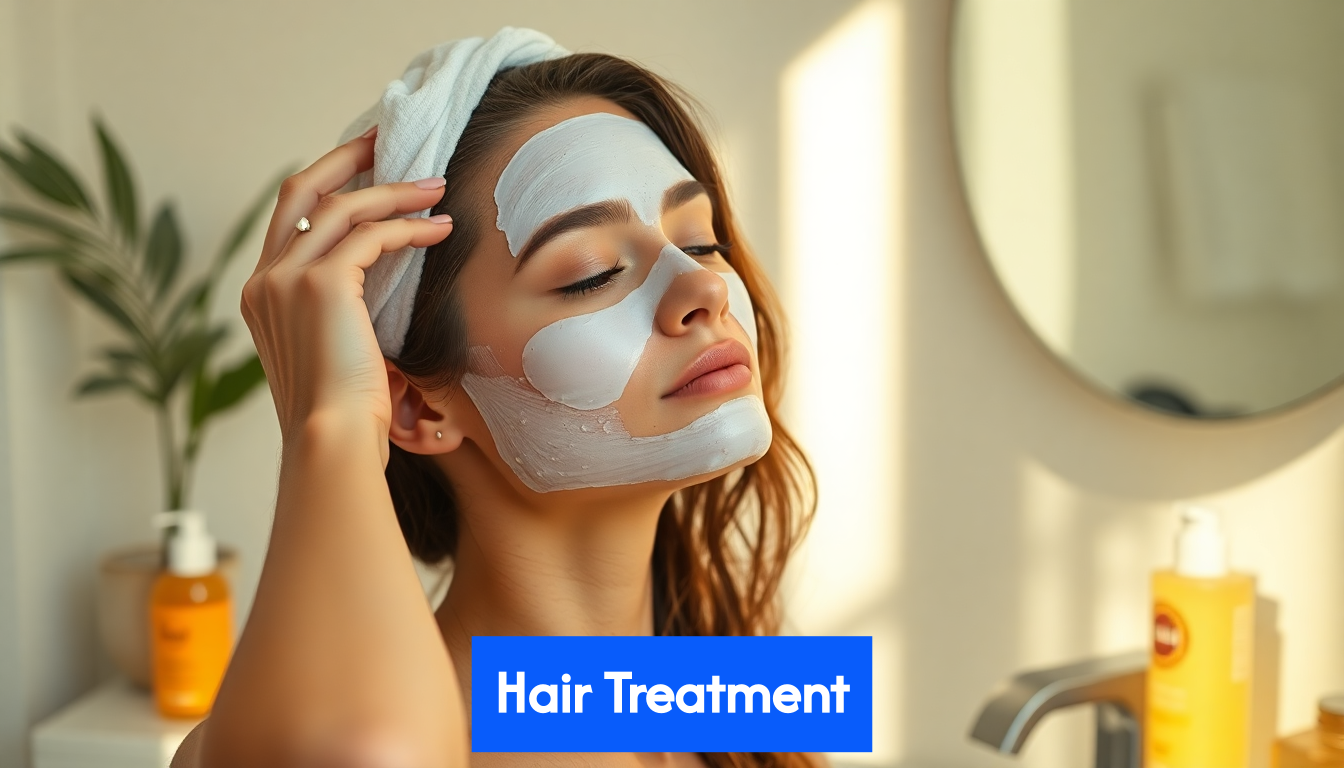
Supplementing your daily regimen with weekly intensive treatments accelerates progress. Exfoliating the scalp once weekly removes dead skin cells, product buildup, and excess sebum that can clog follicles and hinder growth. Choose gentle chemical exfoliants with ingredients like salicylic acid rather than harsh physical scrubs.
Deep conditioning treatments help maintain the integrity of existing hair while creating an optimal environment for new growth. These treatments should target your specific concerns—protein-based formulas for weakened hair or moisturizing masks for dry, brittle strands.
For those comfortable with more advanced techniques, microneedling performed once every 1-2 weeks (using a derma roller with needles no longer than 0.5mm) can enhance the delivery of growth-promoting ingredients to hair follicles. Always follow proper sterilization protocols and manufacturer guidelines if incorporating this method.
Consistency and Progress Tracking
The effectiveness of any hair regrowth routine hinges on consistency. Hair growth is a slow process—each follicle produces only about half an inch of new growth monthly. Visible improvement typically requires at least 3-4 months of dedicated adherence to your regimen.
Document your journey by taking monthly photos under consistent lighting conditions. This provides objective evidence of progress that might be difficult to notice day-to-day. Maintain a simple journal noting any changes in products, lifestyle factors, or unusual shedding patterns to identify what works best for your specific situation.
Remember that your hair regrowth routine should evolve as your needs change and as you discover which elements produce the best results. The most sustainable approach combines science-backed treatments, proper nutrition, stress management, and protection of existing hair—all working together to create an environment where healthy hair can thrive.
Boosting Growth with Nutrition
While topical treatments form the foundation of most hair regrowth routines, what you put into your body is equally important. Hair follicles are among the body’s most metabolically active structures, requiring consistent nutritional support to function optimally. Addressing nutritional deficiencies often leads to noticeable improvements in hair growth, density, and overall health.
Essential Nutrients for Hair Growth
Hair is primarily composed of a protein called keratin, making protein intake crucial for new hair production. Aim for complete proteins containing all essential amino acids, particularly those rich in cysteine and methionine—the sulfur-containing amino acids that strengthen hair’s structure. Quality sources include lean meats, fish, eggs, and plant-based combinations like legumes with whole grains.
Beyond protein, several micronutrients play specialized roles in hair growth. Iron deficiency is one of the most common nutritional causes of hair loss, particularly in women. Iron helps red blood cells deliver oxygen to hair follicles, and without adequate levels, follicles can enter a dormant state. Dark leafy greens, organ meats, and legumes provide bioavailable iron, especially when consumed with vitamin C-rich foods to enhance absorption.
Zinc is another mineral critical for hair tissue growth and repair. It helps maintain the oil glands around follicles and assists in protein synthesis. Oysters, beef, pumpkin seeds, and lentils are excellent sources of this essential mineral.
Vitamin deficiencies can significantly impact hair growth as well. The B-vitamin complex, particularly biotin (B7), supports keratin production and improves hair structure. While biotin supplements are popular, adequate amounts are typically available through a balanced diet including eggs, nuts, sweet potatoes, and avocados.
Antioxidants and Anti-inflammatories
Oxidative stress accelerates follicle aging and contributes to premature hair loss. Antioxidant-rich foods counteract this damage by neutralizing free radicals that would otherwise harm follicle cells. Vitamin E (found in nuts, seeds, and olive oil) and vitamin C (abundant in citrus fruits, berries, and bell peppers) are particularly beneficial for maintaining scalp and follicle health.
Inflammation represents another significant threat to healthy hair growth. Chronic inflammation can disrupt the hair growth cycle and contribute to conditions like alopecia areata. Incorporating anti-inflammatory foods such as fatty fish rich in omega-3s, turmeric, ginger, and colorful fruits and vegetables helps create an environment conducive to optimal hair growth.
Dietary Patterns for Optimal Hair Health
Research indicates that overall dietary patterns may be more important than individual nutrients when it comes to hair health. According to a review on foundational nutrition, suboptimal diets contribute to numerous health issues, including those affecting hair growth. The researchers advocate for a “Foundational Nutrition” approach that emphasizes whole foods, adequate micronutrients, and gut health—all factors that support hair growth through improved nutrient absorption and reduced inflammation.
A Mediterranean-style diet rich in fruits, vegetables, whole grains, lean proteins, and healthy fats provides many of the nutrients essential for hair growth while minimizing pro-inflammatory foods. This dietary pattern not only supports hair health but also benefits overall wellness, creating a foundation for sustainable hair growth.
Hydration also plays a key role in hair health. Water comprises about 25% of the weight of a hair strand, and dehydration quickly leads to dry, brittle hair prone to breakage. Aim for at least 8 cups of water daily, adjusting upward for exercise, climate, and body size.
Addressing Food Sensitivities
Undiagnosed food sensitivities can contribute to inflammation and nutrient malabsorption, indirectly affecting hair growth. Common culprits include gluten, dairy, and processed foods high in artificial additives. Some individuals notice significant improvements in hair thickness and growth rate after identifying and eliminating problematic foods from their diet.
Keep in mind that dietary changes typically take 3-6 months to visibly affect hair growth due to the hair follicle cycle. Patience and consistency are essential when implementing nutritional strategies for hair regrowth.
While supplements can help address specific deficiencies, they work best as complements to a nutrient-dense diet rather than replacements. Always consult with a healthcare provider before beginning any supplementation regimen, especially if you’re taking medications or have underlying health conditions. Blood testing can identify specific nutritional deficiencies that might be contributing to hair loss, allowing for targeted dietary adjustments and supplementation when necessary.
Lifestyle Habits for Healthy Hair
While specialized treatments and proper nutrition form the backbone of any hair regrowth routine, your daily lifestyle choices significantly impact hair health. Even the most expensive products and supplements can’t overcome the effects of poor lifestyle habits. Creating an environment where hair can thrive requires addressing several key aspects of your daily routine.
Stress Management for Hair Preservation
Chronic stress is a well-documented trigger for hair loss, particularly telogen effluvium—a condition where hair prematurely enters the shedding phase. When your body experiences ongoing stress, it produces excess cortisol, which can disrupt the hair growth cycle. Research has shown that stress directly impacts cellular metabolism and can influence genetic expression, potentially accelerating hereditary hair loss patterns or triggering new ones.
Incorporating stress-reduction practices into your daily routine isn’t just beneficial for mental health—it’s essential for hair preservation. Even brief daily meditation sessions (10-15 minutes) have been shown to lower cortisol levels. Other effective stress management techniques include regular physical activity, adequate sleep, breathing exercises, and mindfulness practices.
Some people find that keeping a stress journal helps identify specific triggers that might be contributing to hair shedding. By recognizing patterns, you can develop targeted strategies to manage unavoidable stressors and minimize their impact on your hair health.
Sleep Quality and Hair Growth
During sleep, your body repairs itself and releases growth hormones that are crucial for hair follicle regeneration. Poor sleep disrupts this process and elevates stress hormones, creating a double threat to healthy hair growth.
Quality sleep begins with consistent habits. Aim for 7-9 hours nightly, going to bed and waking at similar times each day. Create an environment conducive to restful sleep by keeping your bedroom dark, quiet, and cool. Limit screen time before bed, as blue light can interfere with melatonin production and disrupt sleep patterns.
For those struggling with sleep quality, consider implementing a wind-down routine that signals to your body it’s time to rest. This might include gentle stretching, reading, or a warm bath with sleep-promoting essential oils like lavender or chamomile.
Physical Activity Benefits
Regular exercise promotes healthy hair growth through multiple mechanisms. First, it improves circulation, ensuring hair follicles receive adequate oxygen and nutrients. Second, it helps regulate hormone levels that can impact hair growth. Finally, exercise serves as a natural stress reliever, indirectly supporting hair health.
Aim for at least 150 minutes of moderate activity weekly, incorporating both cardiovascular exercise and strength training. Activities that increase blood flow to the scalp, such as inversions in yoga or brief periods of hanging your head below heart level, may specifically benefit hair follicles by improving nutrient delivery.
Be mindful that excessive high-intensity exercise without adequate recovery can potentially increase stress hormones, having the opposite effect. Balance is key—moderate, consistent activity typically produces better results for hair health than intense, sporadic workouts.
Environmental Protection
Your hair faces numerous environmental challenges daily. Sun exposure damages hair proteins and degrades color through UV radiation. Chlorine in swimming pools strips natural oils and weakens the hair shaft. Even air pollution deposits harmful particles on hair and scalp, potentially disrupting follicle function.
Protect your hair by wearing hats in intense sunlight, using UV-protective hair products before outdoor activities, and thoroughly rinsing with fresh water before and after swimming in chlorinated pools. In highly polluted areas, consider more frequent washing with gentle cleansers and periodic clarifying treatments to remove environmental buildup.
Harmful Habits to Avoid
Certain everyday habits can undermine your hair regrowth efforts. Smoking restricts blood flow to follicles and exposes hair to damaging chemicals. Excessive alcohol consumption depletes nutrients essential for hair growth and disrupts sleep patterns. Even tight hairstyles that pull on the hairline can lead to traction alopecia if worn regularly.
Hair-damaging habits often become automatic, requiring conscious effort to change. Begin by identifying your most problematic behaviors—is it daily tight ponytails, frequent hot styling, aggressive towel-drying, or brushing wet hair? Addressing these seemingly minor habits can produce noticeable improvements in hair thickness and strength over time.
Incorporating these lifestyle modifications might seem overwhelming at first. Start with the changes most relevant to your situation, then gradually adopt additional habits as they become sustainable. Remember that the goal isn’t perfection but progress toward creating an environment where your hair regrowth routine can achieve maximum effectiveness. The cumulative effect of these lifestyle adjustments, combined with proper nutrition and targeted treatments, creates the optimal foundation for healthy hair growth.
Frequently Asked Questions
What are the common causes of hair loss?
Hair loss can result from several factors, including hormonal imbalances, nutritional deficiencies, lifestyle choices (such as stress), and medical conditions. It’s essential to identify the underlying causes to tailor an effective hair regrowth routine.
How can I create a daily hair regrowth routine?
Establish a daily regimen that includes gentle cleansing with a sulfate-free shampoo, scalp massages for improved circulation, application of growth-stimulating treatments, and minimal heat styling to support your hair’s natural growth cycle.
What nutrients are essential for healthy hair growth?
Key nutrients for hair health include protein, iron, zinc, and B vitamins. Foods rich in antioxidants and anti-inflammatories, like fruits, vegetables, and fatty fish, also support optimal hair growth.
How does stress affect hair growth?
Chronic stress contributes to hair loss by increasing cortisol levels, which can push hair follicles into a resting phase. Incorporating stress management practices, such as meditation and exercise, can help mitigate this impact.
Unlock Your Personalized Path to Fuller, Healthier Hair
Feeling frustrated with your hair loss journey? You’re not alone. Many individuals grappling with hair thinning often encounter stress, hormonal imbalances, and nutritional deficiencies that hinder their progress towards thicker locks. But what if you could turn this struggle into motivation by discovering precisely what’s affecting your hair health?
At MyHair.ai, we specialize in offering customized insights tailored to your unique hair concerns. Our AI-based hair health analysis provides an initial assessment that identifies specific problems so you can understand the underlying causes of your hair loss. Leveraging advanced algorithms, we can help you track changes in your hair over time, offering personalized product recommendations aimed at improving your condition.
👉 Don’t wait to take control of your hair health. Visit https://myhair.ai today to get started with your personalized hair assessment and put your best hair forward confidently—because every journey to regrowth begins with that first step!