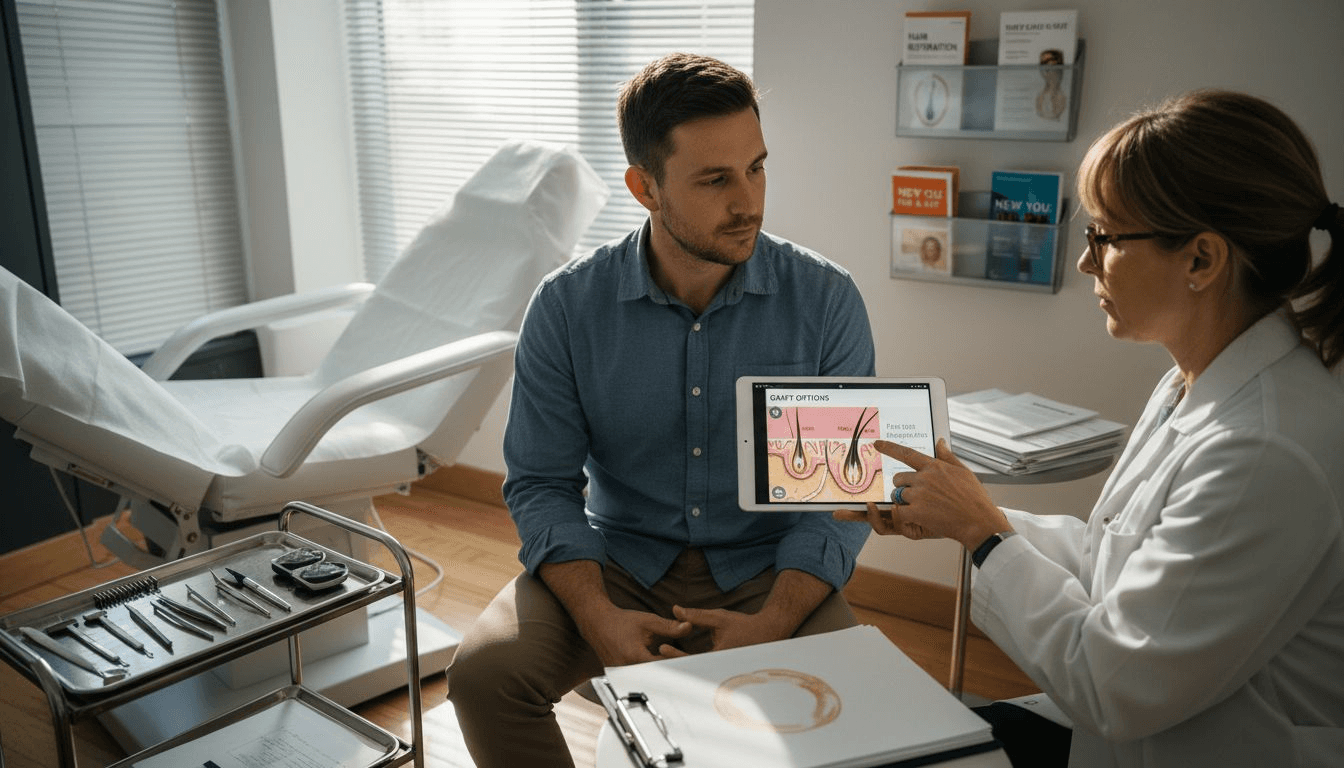
Many believe packing more grafts into the scalp guarantees fuller, better hair transplant results. This misconception can lead to overcrowding, reduced graft survival, and disappointing outcomes. Understanding how grafts work, optimal density limits, and the role of AI-driven personalized planning helps you make smarter decisions. This guide explains graft types, their impact on transplant success, how AI technology reduces overestimation by up to 25%, and essential aftercare strategies to maximize growth.
Table of Contents
- Introduction to Hair Transplant Grafts
- How Graft Number and Quality Affect Hair Transplant Outcomes
- The Role of AI in Personalized Graft Assessment and Planning
- Comparison of Graft Extraction Techniques: FUE vs FUT
- Post-Transplant Care to Maximize Graft Survival and Growth
- Conclusion and Practical Guidance for Patients Considering Hair Transplant Grafts
- Discover Personalized Hair Transplant Solutions with MyHair
- Frequently Asked Questions
Key Takeaways
| Point | Details |
|---|---|
| Graft composition matters | Each graft contains 1 to 4 hair follicles, affecting density and natural appearance. |
| Optimal density is 30-40 grafts/cm² | Exceeding this range impairs blood supply and reduces survival rates. |
| AI cuts overestimation by 25% | Personalized AI assessments optimize graft counts and predict individual outcomes. |
| FUE vs FUT trade-offs | FUE offers minimal scarring with 80-90% survival; FUT provides higher yield with linear scar. |
| Aftercare boosts growth 15-25% | PRP therapy and proper post-transplant protocols significantly enhance graft uptake. |
Introduction to Hair Transplant Grafts
A hair transplant graft is a small bundle of 1 to 4 hair follicles grouped for transplantation, extracted from donor areas and relocated to thinning or balding regions. The two primary extraction methods are follicular unit extraction (FUE) and follicular unit transplantation (FUT). FUE involves harvesting individual follicular units directly from the scalp, leaving tiny circular scars that heal quickly. FUT removes a strip of scalp tissue, which is then dissected into individual grafts, resulting in a linear scar.
Graft composition directly affects the natural appearance and density of transplanted hair. Single-hair grafts mimic the hairline's natural softness, while multi-hair grafts add volume behind the hairline. Understanding these distinctions helps you set realistic expectations and communicate effectively with your surgeon. Achieving lasting natural hair transplant results depends on selecting the right graft types for your unique hair pattern and aesthetic goals.
Key considerations include:
- Graft size: Single grafts for hairline refinement, larger grafts for density.
- Extraction method: FUE for minimal scarring, FUT for maximum yield.
- Donor area quality: Healthy follicles ensure higher survival rates.
- Surgeon expertise: Precise handling preserves graft viability during extraction and placement.
How Graft Number and Quality Affect Hair Transplant Outcomes
Graft quantity alone does not guarantee success. Optimal graft density for natural fullness is 30-40 grafts/cm², balancing coverage with adequate blood supply to each follicle. Exceeding this density can starve grafts of oxygen and nutrients, reducing survival rates and causing patchy growth. Quality matters just as much as quantity. Grafts must be handled gently, kept hydrated, and transplanted quickly to maintain viability.
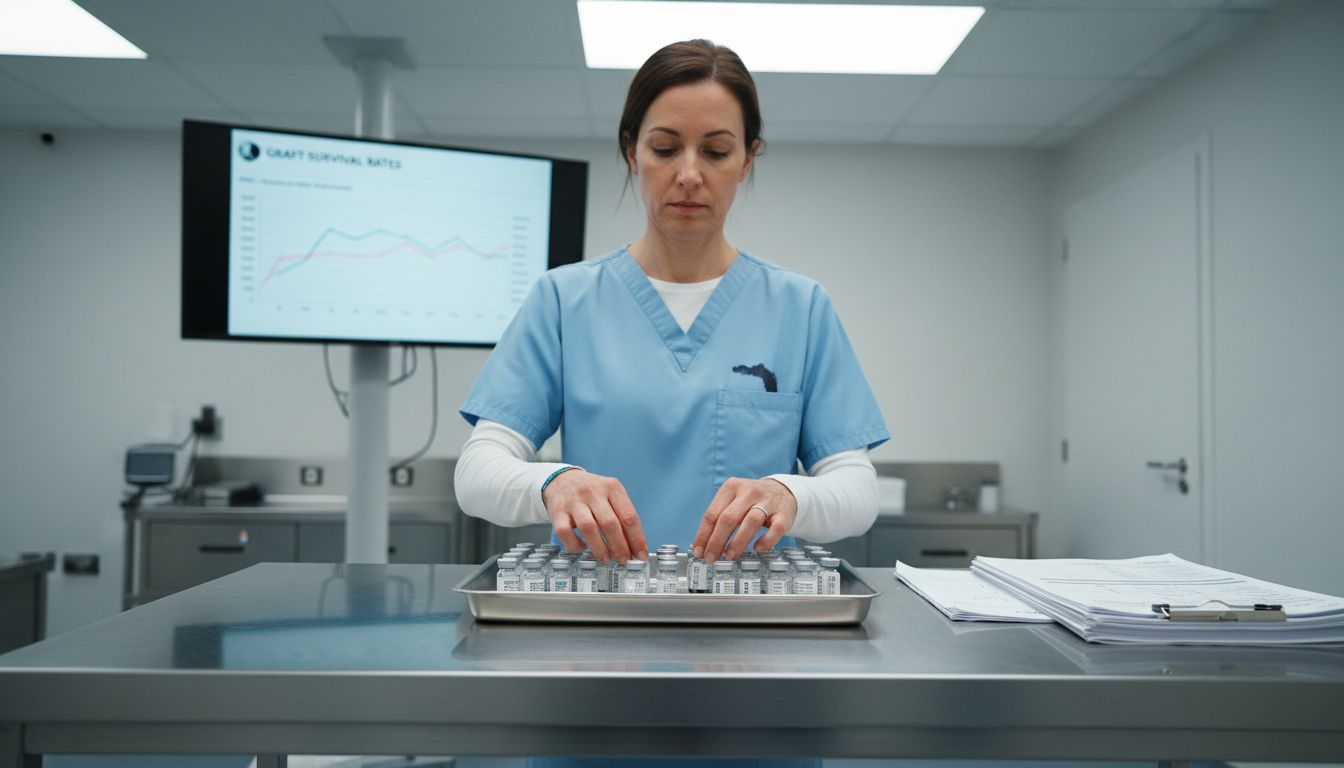
Surgeons carefully plan graft distribution to match your natural hair pattern and density. Overloading recipient sites can impair circulation, leading to graft failure. Conversely, too few grafts leave gaps and unnatural thinning. Multiple factors influence graft survival, including follicle health, scalp condition, and post-transplant care. Understanding these dynamics helps you evaluate proposals and avoid clinics promising unrealistic graft counts. For comprehensive insights, explore successful hair transplant factors and the hair transplant outcomes guide.
Essential quality factors:
- Hydration: Grafts dry out within minutes, damaging follicles.
- Temperature control: Cool storage preserves cellular integrity.
- Minimal trauma: Gentle extraction and insertion prevent follicle damage.
- Speed: Shorter time outside the body increases survival.
Pro Tip: Ask your surgeon about their graft handling protocol and average survival rates. Clinics using advanced storage solutions and rapid placement techniques typically report 90% or higher graft survival.
The Role of AI in Personalized Graft Assessment and Planning
AI technology transforms hair transplant planning by analyzing hair density, scalp laxity, follicle health, and growth patterns with precision. Traditional assessments rely on manual measurements and subjective estimates, often leading to graft count errors. AI assessments reduce graft overestimation by up to 25%, ensuring you receive the optimal number of grafts for your specific condition. This prevents unnecessary procedures, reduces costs, and improves aesthetic outcomes.
AI-powered platforms scan your scalp, map hair distribution, and predict graft survival based on individual characteristics. Predictive modeling accounts for factors like scalp vascularity, donor area density, and expected growth timelines. This data-driven approach helps surgeons design customized transplant strategies that align with your goals and biological reality. You gain realistic expectations and avoid disappointment from overpromised results.
AI advantages include:
- Precision mapping: Identifies exact areas needing coverage.
- Survival prediction: Estimates which grafts will thrive based on scalp health.
- Customized density: Matches natural hair patterns for seamless blending.
- Timeline forecasting: Predicts when visible growth will occur.
Pro Tip: Use AI-powered hair growth therapy tools before consulting surgeons. Arriving with AI-generated assessments gives you leverage to question inflated graft recommendations and ensures you receive evidence-based planning. Discover how personalized AI hair care can optimize your transplant journey.
Comparison of Graft Extraction Techniques: FUE vs FUT
Choosing between FUE and FUT depends on your priorities regarding scarring, graft yield, procedure duration, and recovery. Each method has distinct pros and cons affecting transplant outcomes and patient satisfaction.
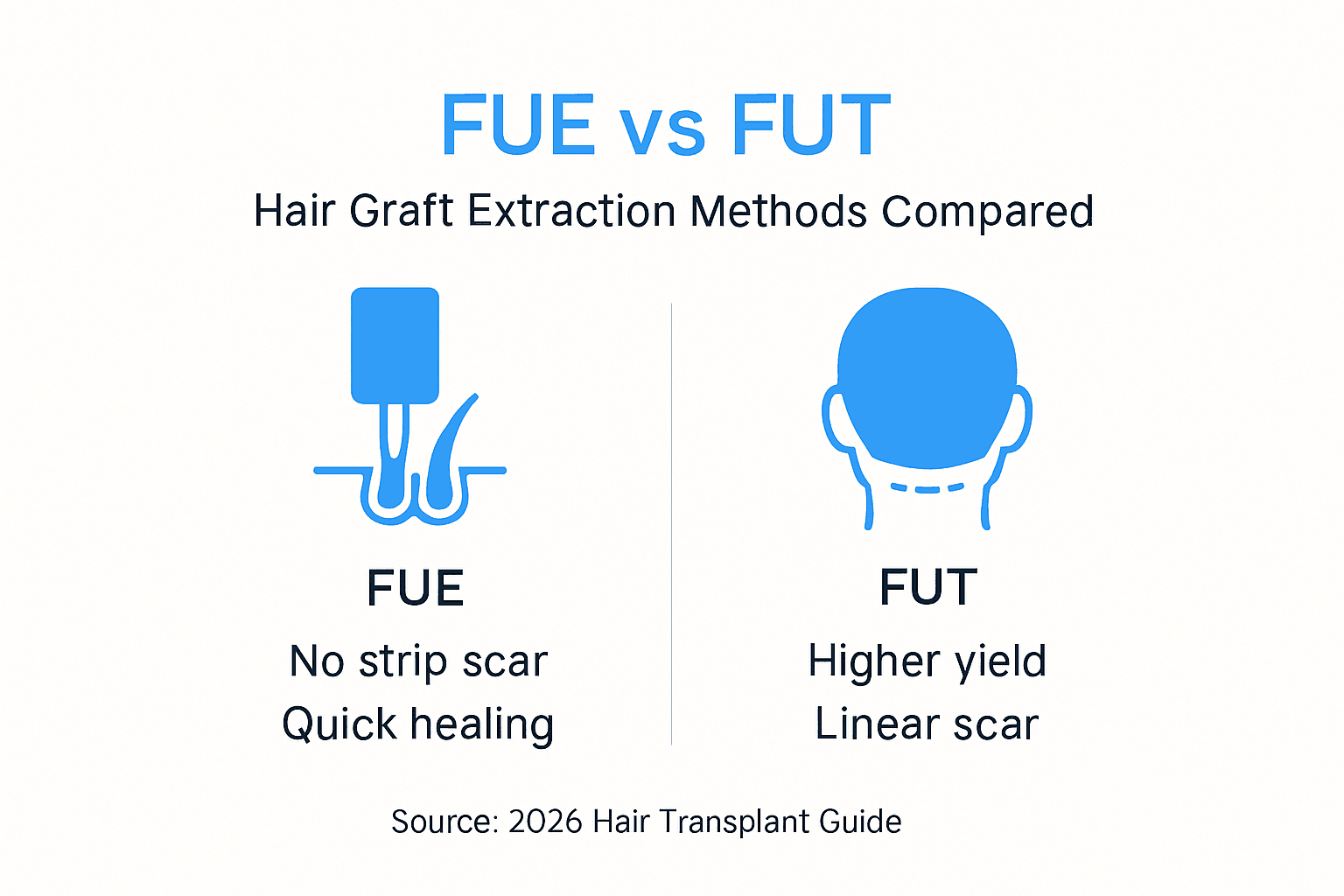
| Factor | FUE | FUT |
|---|---|---|
| Graft Survival Rate | 80-90% | ~95% |
| Scarring | Tiny circular scars, nearly invisible | Linear scar, concealable with hair |
| Procedure Duration | 2-3 hours longer | Shorter, efficient strip removal |
| Graft Yield per Session | 10-20% fewer grafts | Higher yield from strip dissection |
| Recovery Time | Faster healing, less discomfort | Longer recovery, suture removal needed |
| Ideal for | Short hairstyles, scar-conscious patients | Maximum coverage, cost efficiency |
FUE advantages:
- Minimal scarring: No linear scar, ideal for buzz cuts or short hair.
- Faster recovery: Less invasive, reduced post-op pain.
- Flexibility: Suitable for small touch-ups or beard transplants.
FUT advantages:
- Higher graft yield: More follicles per session for extensive balding.
- Better survival rates: Strip dissection preserves follicle integrity.
- Cost-effective: Fewer sessions needed for large transplants.
Your choice should align with your hair goals, lifestyle, and tolerance for scarring. Consult with experienced surgeons who offer both methods and can recommend the best fit. For more details on achieving lasting results with FUE and FUT, review patient outcomes and survival data before deciding.
Post-Transplant Care to Maximize Graft Survival and Growth
Proper aftercare is critical to protecting grafts and ensuring optimal growth. Transplanted follicles are vulnerable in the first 48 hours, requiring gentle handling and strict adherence to care protocols. Keeping grafts hydrated and minimizing air exposure prevents desiccation and cellular damage. PRP therapy and scalp cooling improve graft uptake and hair growth by 15-25%, enhancing blood circulation and nutrient delivery to newly placed follicles.
Scalp cooling reduces inflammation and swelling, creating an ideal environment for graft integration. PRP injections deliver concentrated growth factors that stimulate healing and accelerate hair regeneration. Avoiding trauma from scratching, rubbing, or tight headwear prevents graft dislodgment. Following your surgeon's aftercare instructions significantly improves outcomes and reduces complications.
Essential aftercare steps:
- Gentle washing: Use prescribed shampoos, avoid direct water pressure for 10 days.
- No touching: Keep hands away from grafts to prevent infection or displacement.
- Sleep position: Elevate head to reduce swelling, avoid sleeping on transplant area.
- Avoid sun exposure: Protect scalp from UV damage during healing.
- No strenuous activity: Skip heavy exercise for 2 weeks to prevent sweating and strain.
- Medication compliance: Take prescribed antibiotics and anti-inflammatories as directed.
For comprehensive strategies, consult the hair transplant aftercare guide and learn about PRP therapy aftercare benefits to maximize your investment.
Conclusion and Practical Guidance for Patients Considering Hair Transplant Grafts
Successful hair transplants depend on individualized graft planning, not simply maximizing numbers. Understanding optimal density, graft quality, and extraction methods empowers you to evaluate surgeon recommendations critically. AI-driven assessments provide precision and reduce overestimation, ensuring you receive the right number of grafts for your unique scalp and hair characteristics.
Realistic expectations are essential. Hair growth occurs gradually over 6 to 12 months, with full results visible after 18 months. Choosing between FUE and FUT requires weighing scarring concerns against graft yield and cost. Prioritizing post-transplant care, including PRP therapy and gentle handling, boosts survival rates and accelerates growth. Armed with this knowledge, you can confidently navigate consultations, ask informed questions, and select surgeons who prioritize quality over quantity. Achieving lasting natural hair transplant tips starts with understanding the science behind grafts and leveraging technology for personalized planning.
Discover Personalized Hair Transplant Solutions with MyHair
Ready to take control of your hair restoration journey? MyHair offers an AI-powered hair analysis that scans your scalp, maps density, and predicts optimal graft requirements with precision. Our advanced algorithms eliminate guesswork, helping you set realistic expectations and avoid overestimation.
Clinics partnering with MyHair through clinic onboarding gain access to cutting-edge tools that enhance patient outcomes and streamline treatment planning. Whether you're exploring transplant options or optimizing post-procedure care, MyHair delivers personalized hair growth insights with AI tailored to your unique needs. Start your AI-driven hair analysis today and discover how technology can transform your transplant experience.
Frequently Asked Questions
How many grafts do I typically need for a hair transplant?
Graft requirements vary based on the extent of hair loss, donor density, and desired fullness. Mild thinning may require 1,000 to 1,500 grafts, while advanced balding can need 3,000 to 4,000 grafts or more. AI assessments provide precise estimates tailored to your scalp.
What is the difference in healing times between FUE and FUT?
FUE typically heals within 7 to 10 days with minimal discomfort, as tiny circular scars close quickly. FUT requires 10 to 14 days for suture removal and linear scar healing, often involving more initial discomfort. Both methods allow most patients to resume normal activities within 2 weeks.
When will I see hair growth after a transplant?
Transplanted hairs shed within 2 to 4 weeks, a normal process called shock loss. New growth begins around 3 to 4 months, with noticeable density appearing by 6 to 9 months. Full results become visible after 12 to 18 months as grafts mature.
Is AI assessment for hair transplants safe and accurate?
Yes, AI assessments are non-invasive, using high-resolution imaging and algorithms trained on thousands of cases. They provide accurate density maps, graft predictions, and survival forecasts, helping surgeons design personalized plans. AI does not replace human expertise but enhances precision and reduces errors.
How can I maximize graft survival after surgery?
Follow your surgeon's aftercare instructions strictly, including gentle washing, avoiding touching grafts, sleeping with your head elevated, and protecting your scalp from sun exposure. Consider PRP therapy to boost growth by 15-25% and avoid strenuous activities for 2 weeks to prevent sweating and trauma.