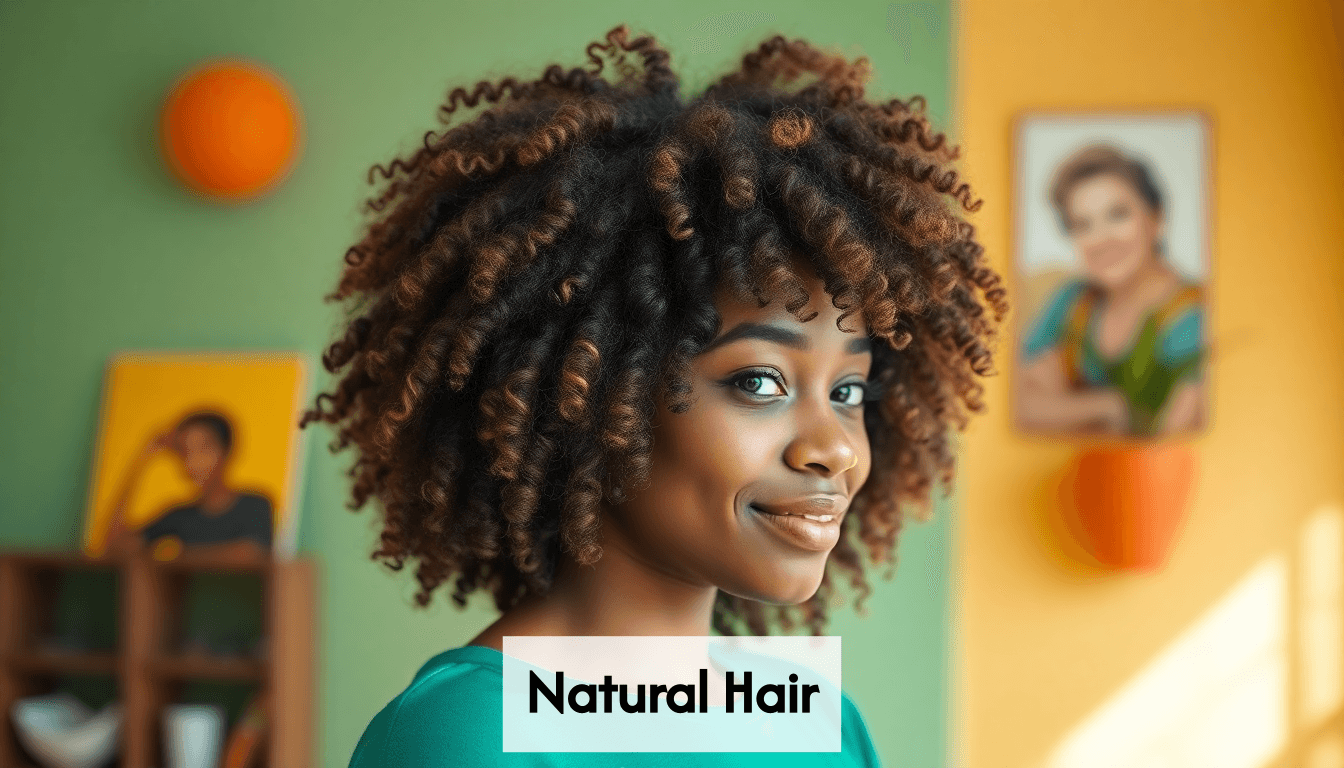
Natural hair is a beautiful and vibrant expression of individuality, but it requires special care to thrive. Surprisingly, up to 70% of people with natural curls struggle with hydration and damage. You might think that just using the right products will solve the problem, but here's the twist: the secret lies in understanding your hair's unique structure and needs. Learning how to balance moisture and protein can elevate your curls to their fullest potential, making them healthier, bouncier, and more defined than ever before.
Understanding Natural Hair Needs
Natural hair requires special attention and care to maintain its health and beauty. Whether you're newly embracing your natural texture or have been on your natural hair journey for years, understanding the unique needs of your hair is essential for developing an effective hair treatment routine.
The Science of Natural Hair Structure
Natural hair, particularly Afro-textured hair, has distinct characteristics that influence its care requirements. The coiled structure of natural hair creates a challenge for sebum (the scalp's natural oil) to travel down the hair shaft, which is why natural hair tends to be drier than straight hair types. According to research on hair structure diversity, Afro-textured hair typically has higher density but lower moisture retention compared to other hair types, making hydration a top priority.
The tight curl pattern also makes natural hair more susceptible to breakage and damage. Each bend in the curl creates a potential weak point, which is why gentle handling is crucial. Understanding this structural reality helps explain why moisture and protein balance are the cornerstones of effective natural hair care.
Identifying Your Hair's Specific Needs
Before diving into treatments for natural hair, it's important to assess your hair's current condition. Is your hair feeling dry and brittle? It likely needs more moisture. Does it stretch significantly before breaking? Your hair might be lacking protein. Is it breaking easily despite regular conditioning? You might need to balance both.
Porosity—your hair's ability to absorb and retain moisture—is another crucial factor in determining the right hair treatment for natural hair. High porosity hair absorbs moisture quickly but loses it just as fast, while low porosity hair resists moisture uptake but retains it longer once absorbed. Medium porosity represents the ideal balance.
To test your porosity, take a clean strand of hair and place it in a glass of water. If it floats, you likely have low porosity. If it sinks immediately, your porosity is high. If it floats momentarily before sinking, you have medium porosity.
The Moisture-Protein Balance
Achieving the right balance between moisture and protein is perhaps the most critical aspect of natural hair care. Too much moisture without adequate protein can lead to overly soft, mushy hair that stretches excessively before breaking. Conversely, too much protein without sufficient moisture results in stiff, brittle hair that snaps easily.
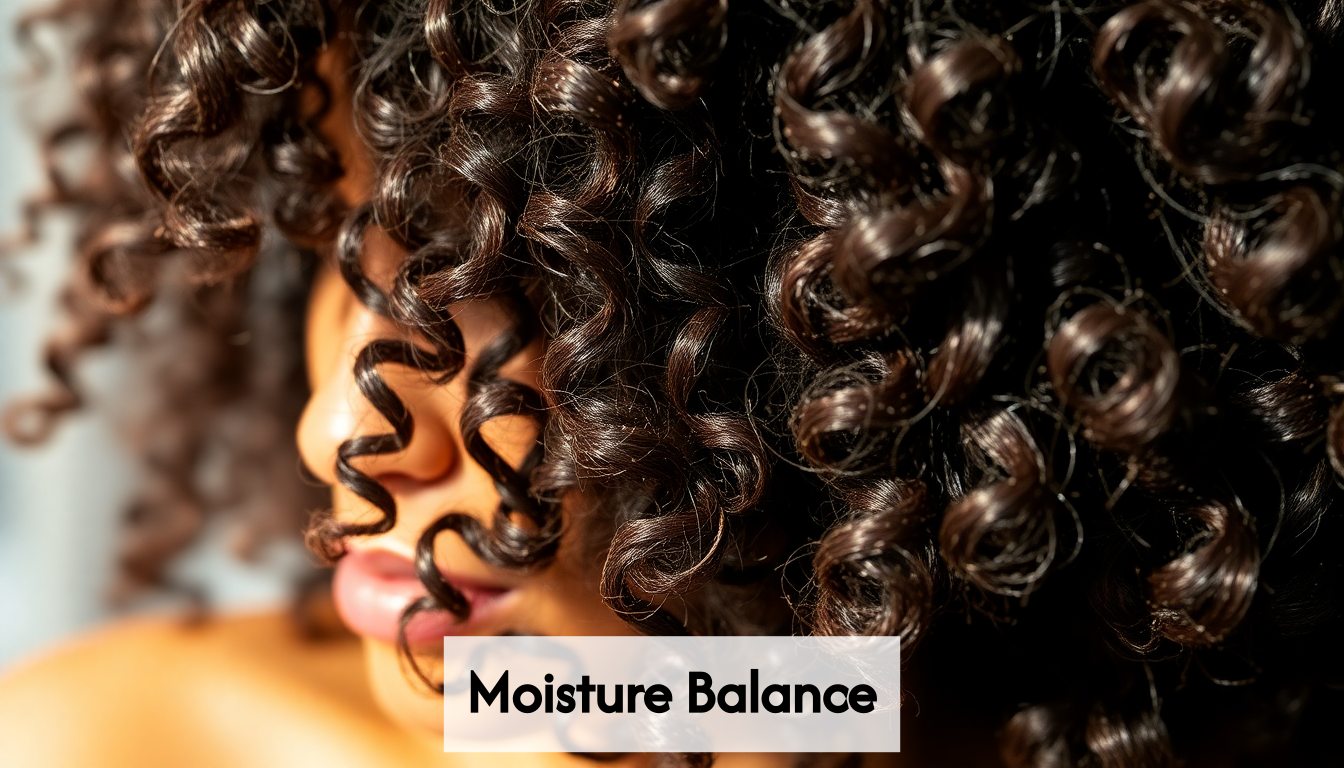
Seasonality also affects your hair's needs. During winter months or in dry climates, your hair typically requires more moisture-focused treatments. In humid environments, protein treatments might be needed more frequently to maintain structure and prevent frizz.
By understanding these fundamental aspects of natural hair care, you'll be better equipped to select the right treatments and create a customized regimen that keeps your curls healthy, defined, and flourishing. Remember that natural hair care is not one-size-fits-all—your unique hair texture, porosity, and condition will guide your individual treatment approach.
Key Takeaways
| Takeaway | Explanation |
|---|---|
| Moisture and Protein Balance is Crucial | Achieving the right balance between moisture and protein is essential for maintaining healthy natural hair. Too much of either can lead to breakage or limp curls, so adjusting treatments based on hair needs is necessary. |
| Assess Hair Condition and Porosity | Understanding your hair's current condition (dryness, elasticity) and porosity (high, low, medium) helps tailor effective treatments specifically for your hair type and needs. |
| Consistency with DIY Treatments | Regular application of deep conditioning masks, hydrating sprays, and oil treatments is key to improving hair health. Homemade remedies can provide moisture and strengthen hair without the need for expensive products. |
| Incorporate Steam Therapy | Using steam therapy enhances the absorption of moisture and nutrients, especially beneficial for low porosity hair, and improves overall hair hydration and elasticity. |
| Protective Styling and Nighttime Care | Employing protective styles reduces breakage and promotes growth, while nighttime routines using silk or satin can minimize friction and moisture loss during sleep. |
DIY Treatments for Moisturized Curls
Moisture is the lifeblood of natural hair. When your curls are properly hydrated, they're more defined, manageable, and resistant to breakage. The beauty of hair treatment for natural hair is that you don't need expensive products—your kitchen likely contains ingredients that can transform your curls. Let's explore some effective DIY treatments that deliver intense moisture and definition.
Deep Conditioning Treatments
Deep conditioning is non-negotiable for maintaining healthy natural hair. These treatments penetrate the hair shaft to deliver moisture and nutrients where they're needed most.
Avocado-Honey Mask: This protein-moisture balanced treatment works wonders for most curl patterns.
- Mash one ripe avocado until smooth
- Mix in 2 tablespoons of honey and 1 tablespoon of olive oil
- Apply to clean, damp hair from roots to ends
- Cover with a shower cap and leave for 30-45 minutes
- Rinse thoroughly and style as usual
The natural oils in avocado penetrate the hair shaft while honey acts as a humectant, drawing moisture into your strands. This combination helps maintain the critical moisture-protein balance that natural hair requires.
Banana-Yogurt Revitalizer: Particularly effective for dry, damaged curls.
- Blend one ripe banana with 2 tablespoons of plain yogurt
- Add 1 tablespoon of coconut oil and blend until completely smooth
- Apply to clean, damp hair and leave for 30 minutes
- Rinse thoroughly with cool water
Bananas are rich in potassium and natural oils that strengthen hair and minimize breakage, while yogurt contains protein and lactic acid that help cleanse the scalp and restore shine.
Hydrating Sprays and Refreshers
Keeping natural hair moisturized between wash days is essential for maintaining curl definition and preventing dryness. According to hair care experts at Curl Junkie, tight curl patterns tend to lose moisture more easily, making daily hydration crucial for maintaining healthy curls.
Aloe Vera Refresh Spray:
- Mix ½ cup of aloe vera juice with ¼ cup of distilled water
- Add 1 tablespoon of vegetable glycerin and 5-10 drops of your favorite essential oil
- Pour into a spray bottle and shake well before each use
- Spray on dry or slightly damp hair to refresh curls
This simple spray helps revitalize curls between washes without causing product buildup. The glycerin acts as a humectant while aloe vera soothes the scalp and adds shine.
Oil Treatments for Sealing Moisture
Properly sealing in moisture after conditioning is a critical step that many naturals overlook. The right oil treatment creates a protective barrier that prevents moisture from escaping your hair shaft.
Hot Oil Treatment:
- Mix equal parts of olive oil and coconut oil (about 3 tablespoons each)
- Warm the mixture slightly (not hot) in the microwave or over a double boiler
- Apply to clean, damp hair, focusing on the ends
- Cover with a shower cap and wrap with a warm towel for 20-30 minutes
- Rinse lightly or leave a small amount in as a sealant
This treatment is particularly effective for high porosity hair that struggles to retain moisture. The warm oil opens the cuticle slightly, allowing deep penetration before sealing the cuticle as it cools.
Whipped Shea Butter Cream: For a richer sealant, especially for coarser textures:
- Melt ½ cup of raw shea butter
- Mix with 2 tablespoons each of coconut oil and jojoba oil
- Allow to cool slightly, then whip with a hand mixer until fluffy
- Apply to damp hair after conditioning, focusing on ends
This rich cream locks in moisture and provides excellent definition for tighter curl patterns. The combination of oils and butter creates a protective barrier against environmental stressors while keeping curls soft and defined.
Remember that consistency is key when implementing hair treatments for natural hair. Even the most effective treatments need regular application to show lasting results. Pay attention to how your hair responds and adjust ingredients accordingly—your curls will tell you what they need.
Protein Treatments for Fuller Locks
While moisture is essential for natural hair, protein is equally important for maintaining strong, resilient curls. Protein treatments for natural hair help rebuild and strengthen the hair shaft, resulting in fuller, more defined curls and reduced breakage. Understanding when and how to incorporate protein into your hair treatment for natural hair routine can dramatically improve your hair's health and appearance.
Understanding Protein's Role in Hair Health
Hair is primarily made of keratin protein. When our strands become damaged through chemical processing, heat styling, or environmental factors, this protein structure weakens, leading to limp, lifeless curls that lack definition. According to hair care experts at Davines, damaged hair is inherently protein-deficient, and protein treatments are the only way to effectively repair this damage.
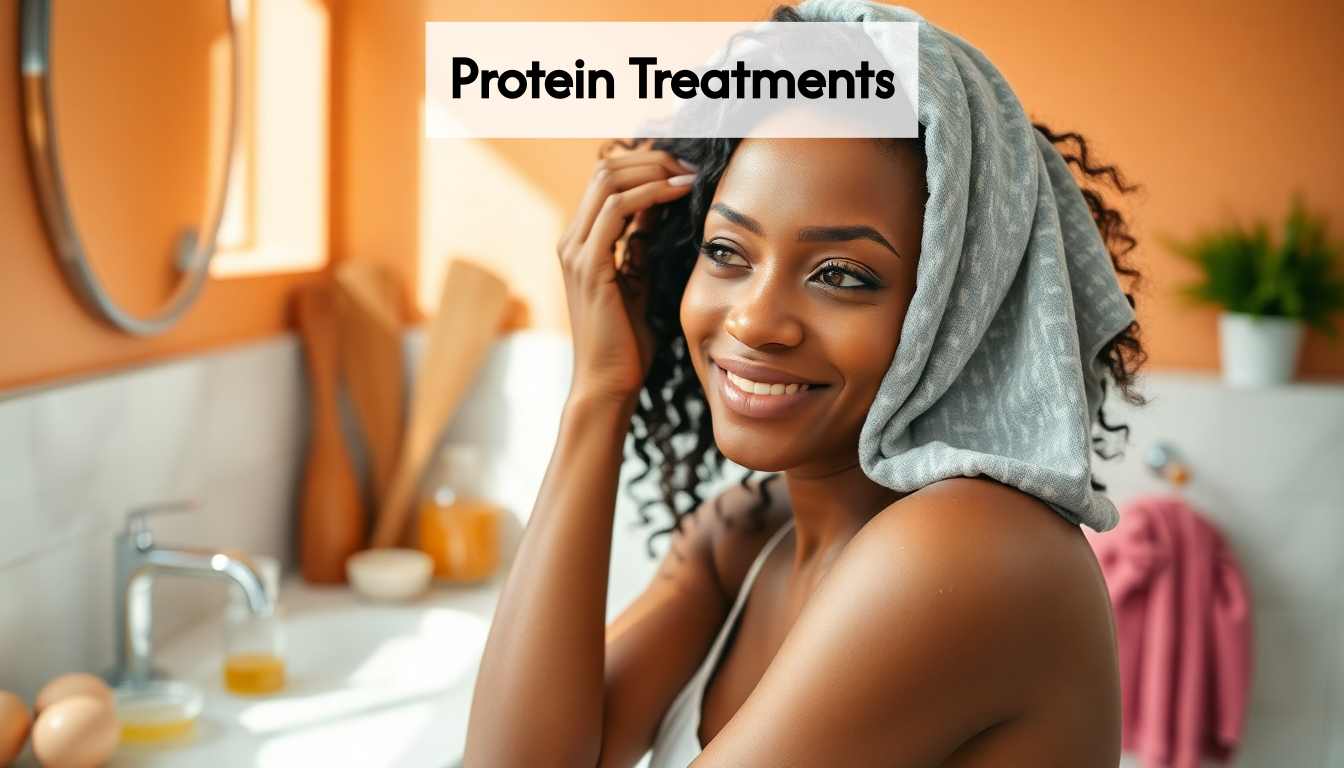
Protein treatments work by providing hydrolyzed proteins—proteins broken down into smaller molecules—that can penetrate the hair shaft. These proteins then bind with your hair's existing keratin, filling gaps in the cuticle and reinforcing the strand from within. The result is stronger, more resilient hair that can better withstand styling and environmental stressors.
Signs Your Natural Hair Needs Protein
Before incorporating protein treatments into your regimen, it's important to recognize whether your hair actually needs protein. Here are some telltale signs:
- Your curls have lost their definition and appear limp
- Your hair stretches significantly when wet and doesn't return to its original shape
- Your hair feels mushy, gummy, or overly soft when wet
- You're experiencing more breakage than usual despite regular moisturizing
- Your hair takes unusually long to dry
If you notice several of these signs, your hair likely needs a protein boost to restore balance and strength.
DIY Protein Treatments for Natural Hair
Egg and Yogurt Treatment: Eggs contain protein that closely resembles the keratin in our hair, making this an effective DIY protein treatment.
- Whisk 1-2 eggs (depending on hair length)
- Add 2 tablespoons of plain Greek yogurt
- Mix in 1 tablespoon of olive oil for added moisture
- Apply to clean, damp hair from roots to ends
- Cover with a shower cap and leave for 20-30 minutes
- Rinse with cool water (hot water will cook the egg!)
This treatment provides a moderate protein boost while the yogurt offers probiotics that benefit scalp health, and the olive oil ensures the treatment doesn't leave hair feeling stiff.
Rice Water Rinse: This ancient beauty secret has gained popularity for its protein-enhancing properties.
- Rinse ½ cup of rice thoroughly
- Soak the rice in 2 cups of water for 30 minutes to 2 hours
- Strain the rice, reserving the water
- After shampooing, pour the rice water through your hair
- Massage into scalp and hair for 5 minutes
- Rinse partially, leaving some rice water in your hair
- Follow with a moisturizing conditioner
Rice water contains amino acids, vitamins, and minerals that strengthen hair from the inside out. Regular use can lead to noticeably stronger, shinier curls with improved elasticity.
Balancing Protein and Moisture
The key to successful natural hair care lies in balancing protein and moisture treatments. Too much protein without adequate moisture can lead to brittle, stiff hair that breaks easily. Here's how to maintain the balance:
- For most natural hair types, aim for a protein treatment every 4-6 weeks
- Always follow a protein treatment with a moisturizing deep conditioner
- If your hair feels stiff or brittle after a protein treatment, focus on moisture for the next few weeks
- In hot, humid climates, you may need protein more frequently to maintain curl structure
- During winter months, you might need less protein and more moisture
Gelatin Protein Treatment: For a stronger protein boost when your hair needs more serious repair:
- Dissolve 1 tablespoon of unflavored gelatin in 1/3 cup of warm water
- Add 1 tablespoon of apple cider vinegar and 1 teaspoon of honey
- Apply to clean, damp hair and leave for 10-15 minutes (not longer)
- Rinse thoroughly and follow with a moisturizing deep conditioner
This treatment provides a stronger protein effect and should be used less frequently—typically once every 6-8 weeks for most hair types. The apple cider vinegar helps balance pH and close the cuticle, while honey adds a touch of moisture.
Remember that protein treatments are not one-size-fits-all. Fine, low-porosity hair typically needs less protein and may benefit from milder treatments. Coarse, high-porosity hair often requires more frequent protein treatments to maintain structure and prevent excessive moisture absorption. By tuning in to your hair's specific needs and adjusting accordingly, you'll achieve the perfect balance for bouncy, resilient curls that turn heads.
Steam Therapy for Extra Hydration
One of the most effective yet underutilized hair treatment for natural hair techniques is steam therapy. This method leverages the power of warm vapor to open the hair cuticle, allowing deep penetration of moisture and nutrients. For natural hair that craves hydration, steam therapy can be transformative, especially when combined with high-quality conditioning treatments.
Why Steam Works Wonders for Natural Hair
The science behind steam therapy is straightforward but powerful. When hair is exposed to warm steam, the heat causes the cuticle layer to lift slightly. This opening of the cuticle allows moisture and conditioning ingredients to penetrate deeper into the hair shaft rather than merely coating the outside. The result is more thoroughly hydrated hair from the inside out.
Steam therapy is particularly beneficial for low porosity natural hair, which typically resists moisture absorption due to tightly closed cuticles. The gentle heat from steam temporarily opens these resistant cuticles, allowing water molecules and conditioning agents to finally reach the cortex of the hair shaft.
Additionally, steam therapy increases blood circulation in the scalp, which can promote healthier hair growth by ensuring hair follicles receive adequate nutrients and oxygen. This makes steam treatments a dual-purpose solution for both existing hair health and encouraging new growth.
DIY Steam Treatment Methods
Shower Steam Method:
This is perhaps the simplest approach to steam therapy:
- Apply a deep conditioner or treatment mask to clean, damp hair
- Cover with a shower cap or plastic bag
- Take a hot shower, allowing the steam to fill the bathroom
- Remain in the steamy environment for 15-20 minutes
- Rinse with cool water to close the cuticle
This method uses steam that's already part of your shower routine, making it an efficient addition to your regimen.
Hot Towel Technique:
For a more targeted approach:
- Apply your deep conditioner or treatment to clean hair
- Cover with a shower cap
- Wet a towel with hot water (not scalding) and wring out excess water
- Microwave the damp towel for 1-2 minutes until hot but comfortable to touch
- Wrap the hot towel around your plastic-covered hair
- Cover with a dry towel to insulate and retain heat
- Leave for 20-30 minutes before rinsing
This method provides more concentrated steam and can be especially effective for very dry or damaged sections of hair.
Enhanced Conditioning Formulas for Steam Therapy
While regular conditioners work well with steam, you can boost effectiveness with specific ingredients that thrive in steam environments:
Honey-Aloe Enhanced Conditioner:
- Mix 3 tablespoons of your regular deep conditioner
- Add 1 tablespoon of raw honey (a powerful humectant)
- Incorporate 1 tablespoon of pure aloe vera gel
- Apply to damp hair before your steam session
Honey is particularly effective during steam treatments because it's a natural humectant that draws moisture from the steam into your hair shaft. The aloe vera provides additional moisture while soothing the scalp.
Oil-Infused Steam Treatment:
- Combine 2 tablespoons of your favorite deep conditioner
- Mix in 1 teaspoon of olive oil and 1 teaspoon of jojoba oil
- Add 5 drops of rosemary essential oil (optional, for scalp health)
- Apply thoroughly to hair, then proceed with your steam method
The heat from the steam helps these oils penetrate more effectively than they would at room temperature, providing deep conditioning without the heaviness that can sometimes come with oil treatments.
Frequency and Best Practices
Steam treatments should typically be done once every 1-2 weeks, depending on your hair's needs. Those with extremely dry or high porosity hair may benefit from weekly sessions, while those with more balanced moisture levels might find bi-weekly treatments sufficient.
If you find yourself getting serious about steam therapy, you might consider investing in a tabletop hair steamer designed specifically for this purpose. These devices provide consistent, controlled steam and often allow for hands-free operation.
Remember these key points for successful steam therapy:
- Always apply treatments to clean hair – product buildup can prevent effective penetration
- Follow steam treatments with a cool water rinse to close the cuticle and seal in moisture
- Don't overdo it – excessive heat can actually damage hair over time
- Pay attention to how your hair responds and adjust accordingly
With regular steam therapy incorporated into your natural hair care routine, you'll likely notice improved moisture retention, enhanced curl definition, and an overall increase in hair elasticity and shine. This simple yet effective treatment addresses one of the most common challenges of natural hair care – achieving deep, lasting hydration.
Expert Tips for Lasting Hair Health
Beyond specific treatments, maintaining healthy natural hair requires consistent practices and preventative care. These expert-approved strategies will help you preserve your curl pattern, strength, and moisture over the long term, making every hair treatment for natural hair more effective.
Protective Styling Strategies
Protective styles shield your ends—the oldest and most fragile part of your hair—from environmental damage and manipulation. When done correctly, these styles can dramatically reduce breakage and promote length retention.
Best Protective Styles for Natural Hair:
- Two-strand twists or twist-outs
- Braids (individual or cornrows)
- Buns and updos
- Bantu knots
- Stretched styles like roller sets
The key to truly protective styling is ensuring the style isn't causing more harm than good. Keep these guidelines in mind:
- Avoid styles that pull too tightly at the roots
- Make sure edges aren't stressed or overmanipulated
- Don't leave protective styles in for more than 6-8 weeks
- Continue to moisturize regularly, even in protective styles
- Take breaks between protective styles to give your scalp and edges time to recover
Protective styling is particularly beneficial during harsh weather conditions like extreme heat or cold, which can be especially drying to natural hair.
Nighttime Hair Protection
What happens to your hair while you sleep significantly impacts its health. Friction against cotton pillowcases can rough up the cuticle, causing frizz, tangles, and moisture loss.
Essential nighttime practices:
- Sleep with a satin or silk bonnet, scarf, or pillowcase
- Pineapple your hair (loosely gather at the crown) before bed to prevent flattening
- Re-twist or re-braid at night if needed
- Apply a light oil or butter to ends before covering
According to hair care experts at Rush, these nighttime protection methods can dramatically reduce breakage and help maintain styles for longer periods, saving both your hair and your styling time.
Hydration and Nutrition for Hair Health
Healthy hair truly does start from within. While external treatments are vital, what you put into your body directly affects your hair's strength, shine, and growth.
Internal factors that impact hair health:
- Water intake: Aim for at least 8 glasses daily to keep hair follicles hydrated
- Protein consumption: Hair is made of protein, so ensure adequate intake through lean meats, legumes, nuts, or supplements
- Essential fatty acids: Omega-3s from fish, flaxseed, and walnuts help maintain scalp health and hair elasticity
- Biotin-rich foods: Eggs, sweet potatoes, and almonds support healthy hair growth
- Iron sources: Dark leafy greens help prevent hair loss associated with iron deficiency
Consider a hair-focused multivitamin if your diet is lacking in any of these areas, but remember that supplements work best as additions to a balanced diet, not replacements.
Healthy Detangling Practices
Improper detangling is one of the leading causes of breakage for natural hair. Developing gentle, effective detangling habits will preserve your length and curl integrity.
The optimal detangling method:
- Always detangle when hair is wet and saturated with conditioner
- Use your fingers first to remove major knots
- Section hair into manageable portions
- Start from the bottom and work your way up
- Use a wide-tooth comb or detangling brush designed for curly hair
- Never rush the process—patience prevents breakage
Detangling on dry hair or starting from the roots down almost guarantees unnecessary breakage and should be avoided at all costs.
Minimizing Heat and Chemical Damage
Even the most effective hair treatment for natural hair can't fully reverse serious heat or chemical damage. Prevention is your best defense.
Heat styling guidelines:
- Limit heat styling to special occasions
- Always use a heat protectant
- Keep heat tools below 350°F for curly hair
- Allow hair to air dry at least 70% before blow drying
- Invest in high-quality heat tools with temperature controls
Chemical processing considerations:
- Space out chemical services (coloring, relaxing) by at least 8-12 weeks
- Conduct strand tests before any chemical service
- Deep condition before and after chemical treatments
- Consider semi-permanent or demi-permanent colors over permanent options
- Be realistic about what your hair can handle—not all textures can withstand certain chemical processes
Regular Trims for Healthier Ends
While it might seem counterintuitive when growing your hair, regular trims are essential for maintaining healthy natural hair. Trimming removes split ends before they travel up the hair shaft and cause more extensive damage.
Aim to trim your ends every 10-12 weeks, or whenever you notice increased tangling, splitting, or roughness at the ends. You don't need to remove a lot—even ¼ inch can make a significant difference in how your hair looks and feels.
By incorporating these expert tips into your natural hair care routine, you'll create the optimal foundation for any treatment you apply. Remember that consistency matters more than perfection—finding sustainable practices that work for your lifestyle will lead to the healthiest hair possible over time.
Frequently Asked Questions
What is the best way to moisturize natural hair?
Moisturizing natural hair involves using deep conditioning treatments, hydrating sprays, and sealing in moisture with oils. Regularly applying DIY masks made from ingredients like avocado and honey can also significantly boost hydration.
How can I define my curls naturally?
To define curls naturally, try using moisturizing products, applying curl creams, or using styling techniques like the shingling method. Additionally, keeping hair well-hydrated with regular treatments is key to achieving defined curls.
How often should I do protein treatments on natural hair?
You should do protein treatments for natural hair every 4-6 weeks, depending on your hair's needs. If your hair feels weak and lacks elasticity, consider incorporating protein more frequently, followed by a moisturizing treatment.
What DIY treatments can I use for damaged natural hair?
Effective DIY treatments for damaged natural hair include avocado-honey masks, banana-yogurt revitalizers, and egg-yogurt treatments. These masks provide necessary moisture and protein to restore hair strength and hydration.
Transform Your Curls with AI-Powered Insights
Are you tired of battling dryness, limp curls, and unpredictable frizz? If you've felt the struggle of achieving that perfect moisture-protein balance for your natural hair, you're not alone. The frustrations of identifying your hair’s specific needs can overshadow even the best DIY treatments. But what if you could gain instant clarity on your hair health and receive personalized solutions tailored just for you?
With Myhair.ai, our innovative AI-powered platform empowers you to unlock the secrets of your hair! By simply uploading a photo, you'll receive a detailed analysis that identifies your hair's unique porosity and condition, allowing us to recommend products and strategies perfectly aligned with your needs. Say goodbye to guesswork and hello to healthy, defined curls!
👉 Join our vibrant community and gain access to personalized products, expert consultations, and more — all designed to elevate your hair journey. Visit Myhair.ai today and take the first step towards the curls you’ve always dreamed of. Don’t wait; let’s redefine your hair story together!