
Getting accurate, mobile hair health assessments and structured recommendations is still unreliable for people seeking real progress tracking and clinical referrals. Many hair health software tools restrict diagnostic metrics, hide pricing, or do not connect scans to clinic-ready reports or treatment pathways. This comparison covers five hair health analysis platforms so people can decide which matches their needs for tracking, product recommendations, and clinic referrals without guesswork.
Table of Contents
MyHair.ai
At a Glance
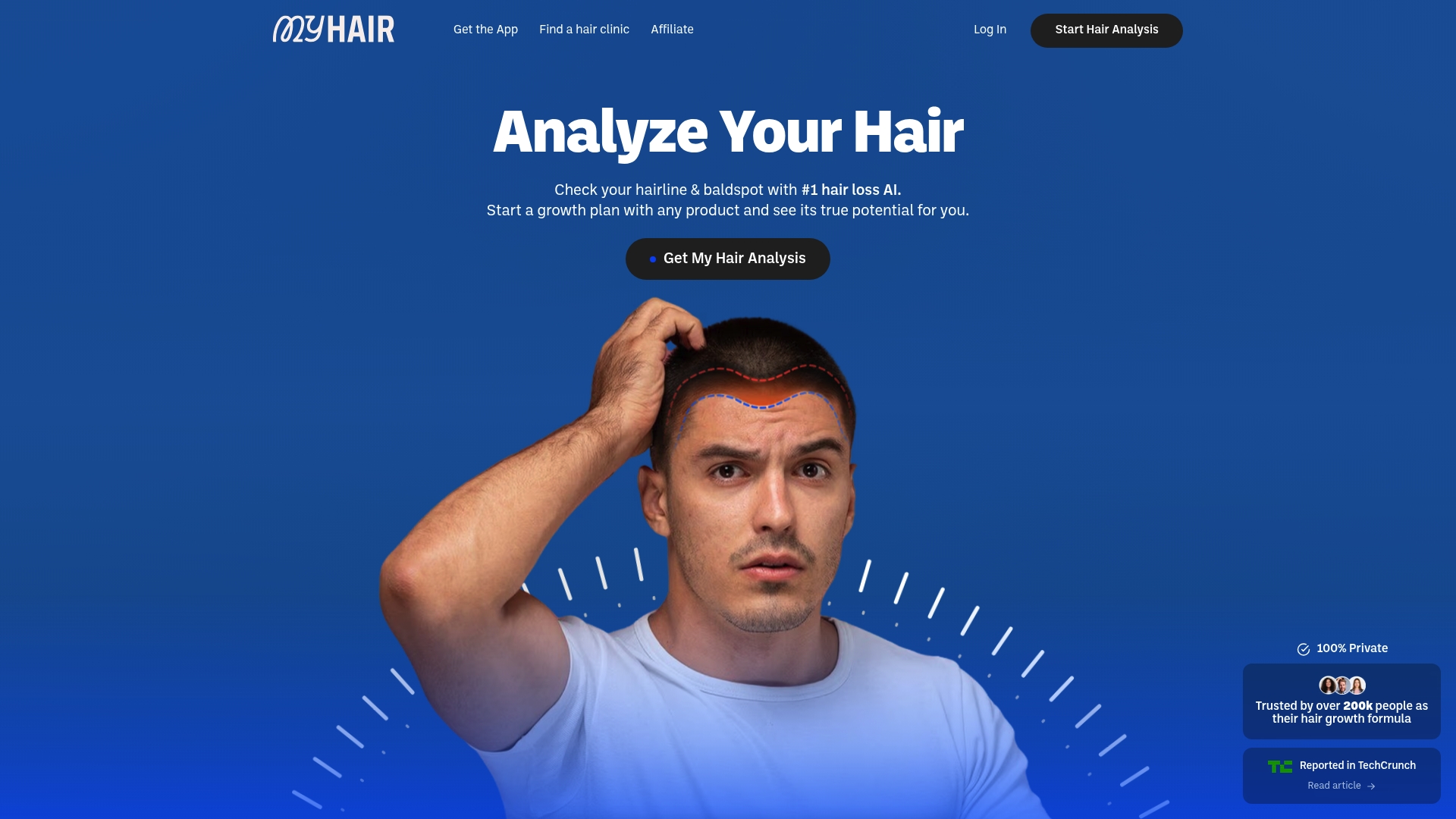
MyHair.ai reports over 200,000 users. The service pairs vision based AI scans with partnerships with clinics and medical experts across more than 20 countries. The platform emphasizes privacy and a mobile app for on the go hair analysis and product recommendations.
Core Features
MyHair.ai runs AI powered image analysis to estimate hair count and flag areas of thinning. It returns detailed hair health assessments that list density, dryness, and related metrics while offering personalized product recommendations. The platform combines customized treatment timelines with clinic and doctor referrals and supports tracking through a mobile app download.
Key Differentiator
The platform’s standout feature is its use of advanced AI vision technology to produce personalized hair analyses tied to clinic partnerships. That workflow turns a phone scan into a clinic ready assessment and treatment pathway. The link between algorithmic assessment and medical partners separates it from simple tracker apps.
Pros
The AI driven scans produce structured metrics such as hair count and density that make comparisons over time practical. Personalized product recommendations save time when you need targeted shampoos or topical options rather than guessing. Clinic partnerships provide a clear route to medical consultation after an at home scan. The mobile app keeps records and makes repeat scans convenient while the platform states a broad international footprint that helps users find local clinics.
Cons
- Limited public information on pricing and which features require a paid plan.
Who It's For
This platform fits people concerned about hair thinning or hair loss who want data driven assessments and clinic referrals. It serves users who prefer doing an initial scan at home before booking a medical consult. The app is useful when you want structured metrics to track treatment response over months.
Unique Value Proposition
The mobile app delivers real time, clinic ready scans and reports that you can show to a specialist. That workflow reduces friction between self assessment and medical consultation and speeds up making an informed appointment choice. Combined product suggestions and clinic access mean you can move from detection to treatment planning without juggling separate services.
Real World Use Case
A user uploads serial photos through the mobile app and the AI flags thinning at the crown. The platform returns a hair count, density notes, and product recommendations tailored to the assessment. The user then books a consultation with a partnered clinic using the app report as a baseline for the visit.
Pricing
Pricing is not publicly listed and the product data labels pricing as not applicable for informational use only. Some advanced features may require a premium plan, but the vendor does not disclose tiers or costs. Contact the vendor or check the app store listing for the latest subscription details.
Website: https://myhair.ai
Hairscope
At a Glance
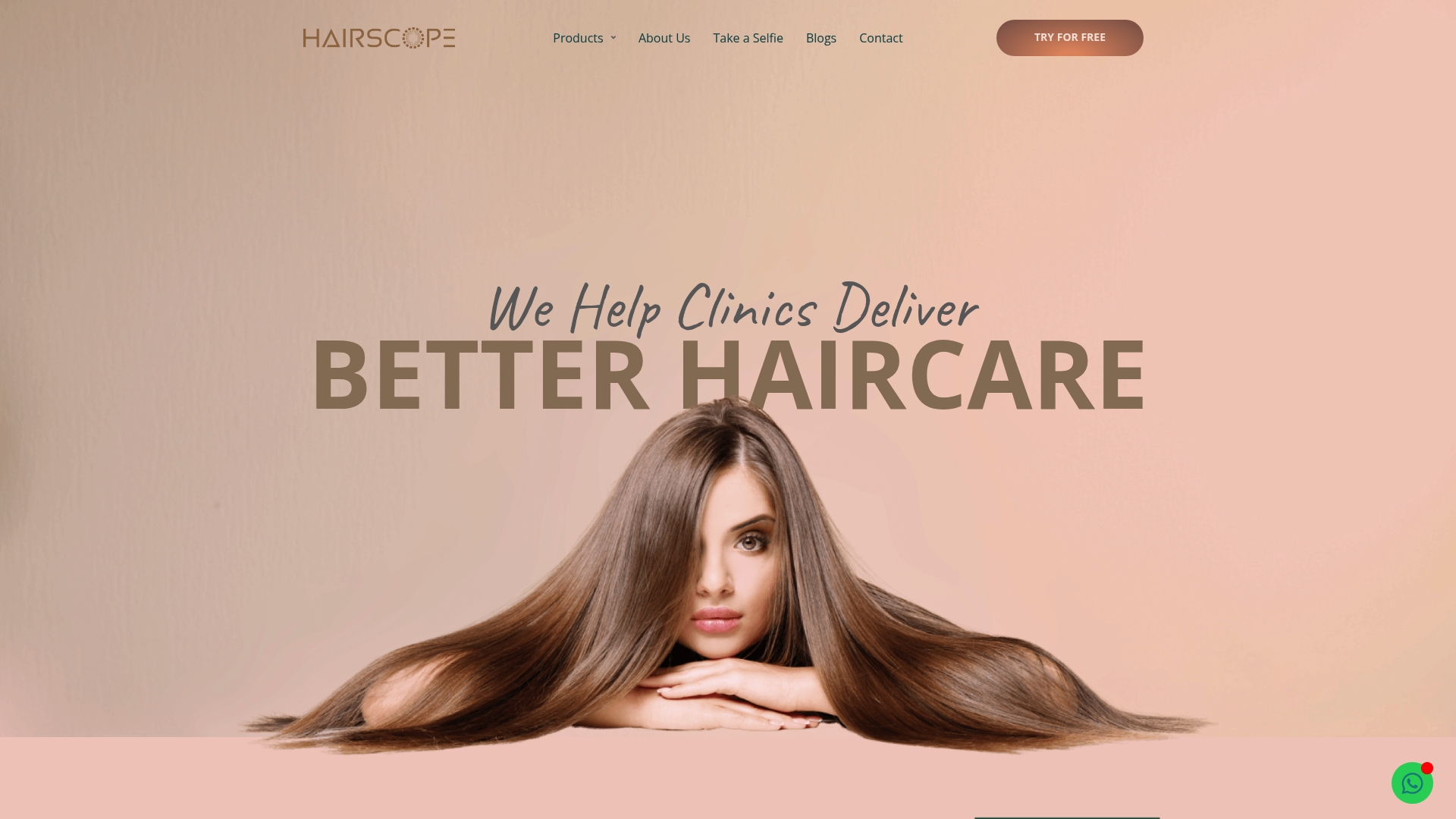
Hairscope's marketing materials state it provides the world's first AI-driven hair analysis from selfies. That contactless analysis runs on clinic websites and apps to generate instant hair health reports. The platform pairs those reports with visual progress charts to help clinics convert casual visitors into booked consultations.
Core Features
Hairscope performs AI powered hair analysis that measures hair count, thickness, density, and scalp condition. It stores images, compares sessions, and shows progress tracking with clear graphs for multi session care. The system also integrates with clinic websites and patient management systems for lead capture and record keeping.
Key Differentiator
The standout capability is the selfie based diagnostic pipeline. This selfie feature brings rapid, contactless assessments directly to a clinic's digital touchpoints. Clinics can use that capability to give visitors an instant preview of potential issues and recommended follow up.
Pros
The vendor advertises reduced diagnosis time by up to 90%. Hairscope pairs fast analysis with image comparison so clinicians spend less time on manual counts and more time on treatment decisions. The platform also supports lead generation through website plugins and claims affordable pricing tiers for small and larger clinics.
Cons
- Trust in results depends on the underlying AI, so clinics should keep professional oversight and confirm complex cases with in person exams.
- Some features and integrations are gated behind higher plans, which may limit adoption for very small clinics.
- Successful use requires good image quality and patient cooperation for reliable comparisons.
When It May Not Fit
Hairscope is less appropriate for practices that cannot control photo quality or that lack staff trained to follow image capture protocols. Clinics that need full multi branch management out of the box may find those tools only in upper tier plans. Practices wanting an entirely offline workflow will not get full value from a web embedded, selfie focused system.
Notable Integrations
- Clinic website plugins for embedding the selfie assessment on public pages. This allows lead capture and instant reports.
- Patient management systems cloud based for syncing patient records and saved session images.
Who It's For
Hairscope fits hair clinics, dermatology practices, and aesthetic centers that want faster diagnostic workflows and digital lead capture. It suits teams ready to standardize photo intake and use visual progress reports to discuss treatment plans. Practices that prioritize web driven patient engagement will find this product aligned with their goals.
Real World Use Case
A facial clinic added Hairscope's selfie analysis to its appointment page, giving visitors an instant hair health snapshot. The clinic used saved comparisons during follow up appointments to show objective progress. The visibility from data backed reports helped increase patient inquiries and improve retention.
Pricing
Plans start at $99/month for the Sprout plan for small clinics. Higher tiers add more analyses, multi user access, and enterprise features. The vendor advertises annual discounts for clinics that commit to a year.
Website: https://hairscope.ai
Genpulse
At a Glance
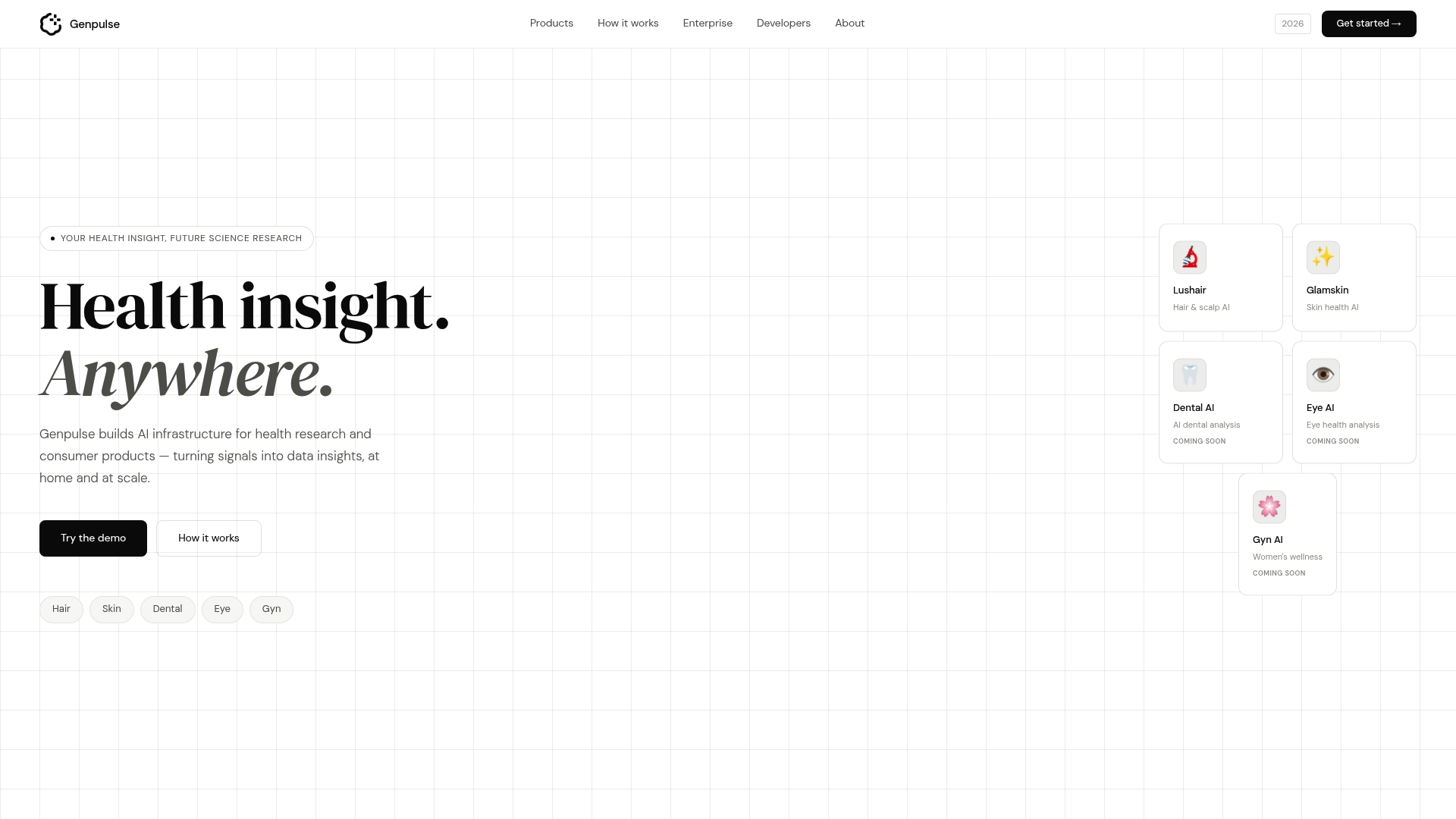
Genpulse's marketing materials state it delivers research-grade AI analysis in real time through purpose-built devices for hair, skin, dental, eye, and women's health. The company pairs hardware capture with cloud models and delivers results to consumer apps, dashboards, or APIs. The product also offers enterprise deployment options for clinics and device makers.
Core Features
Genpulse ships purpose-built hardware devices that capture standardized health images and sensor data and then runs real-time AI analysis in the cloud. Results reach people and clinicians through consumer apps or dashboards, and developers can integrate models using APIs and SDKs. Enterprise customers can license white-label diagnostic infrastructure and request access to Genpulse's medical AI datasets.
Key Differentiator
Genpulse combines hardware capture and cloud models while offering enterprise infrastructure for diagnostic deployment. That accuracy claim and the hardware integration set it apart from software-only analysis tools. The stack targets teams that want device plus model plus deployment rather than just an SDK.
Pros
Genpulse offers specialized devices that standardize data capture, which reduces variability across patient scans and supports repeatable analysis. The platform supports developer workflows with APIs and SDKs, which helps teams build custom apps or integrate models into existing systems. The vendor advertises enterprise-grade, compliant infrastructure for clinical use, and the offering includes access to medical AI datasets useful for research and validation.
Cons
- Some analysis products such as dental, eye, and women's health are listed as "coming soon" and are not yet available.
- Limited third-party review detail means independent validation of model performance is hard to find.
- Error pages and sparse docs appear on parts of the enterprise site, which suggests incomplete or under-maintained documentation.
When It May Not Fit
If you need an out-of-the-box consumer product for every health domain today, this vendor may not meet that need because several products remain in development. If you require extensive third-party validation before deployment, the current public record offers limited independent reviews. Teams that need complete, polished documentation for enterprise rollouts may encounter gaps in the public docs.
Who It's For
Healthcare providers, medical device manufacturers, research institutions, and enterprise health systems that plan to deploy device-driven AI diagnostics will get the most from Genpulse. Developers building clinical apps or teams needing access to curated AI datasets will also find the platform relevant. It suits organizations prepared to engage on custom enterprise terms.
Real World Use Case
A dermatology clinic can deploy Genpulse's skin capture device and cloud model to standardize patient photos and flag lesion changes between visits. A research lab can license datasets and models to run algorithm comparisons and validate new biomarkers. Both scenarios use the same device plus cloud workflow.
Pricing
Not applicable. The product listing is informational only and does not publish standard pricing or public tiered plans. Pricing appears to be handled through custom enterprise arrangements and quotes.
Website: https://gen-pulse.com
iHairium
At a Glance
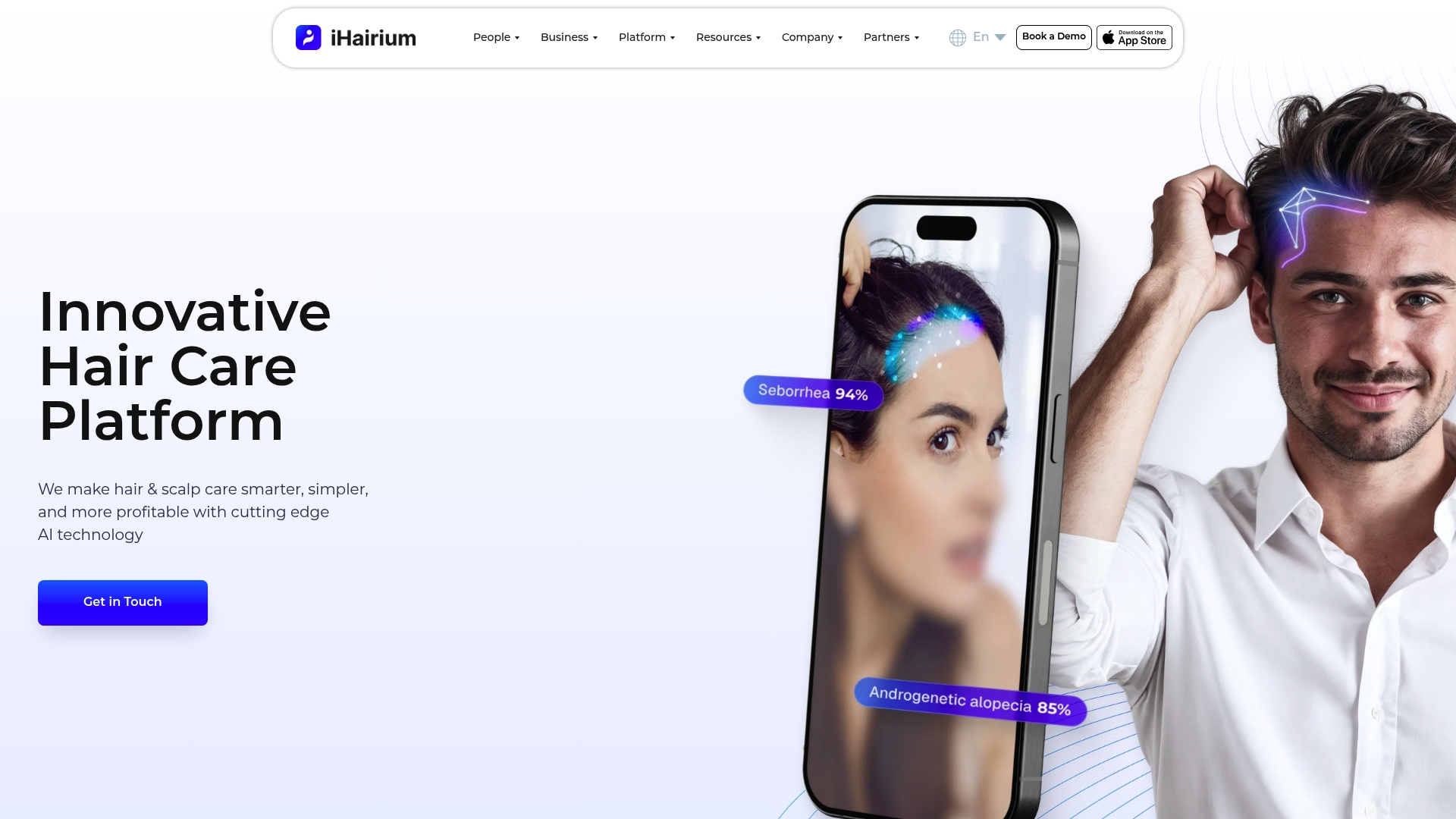
Free initial diagnostics let you get an AI assessment before booking paid consultations. The platform combines diagnostics, treatment plans, and a global clinic marketplace. Mobile and web apps support photo uploads and progress tracking.
Core Features
iHairium runs AI based hair and scalp diagnostics and returns personalized treatment plans with product recommendations. The platform supports online consultations with trichologists, dermatologists, and nutritionists and includes a clinic and transplant center marketplace. A digital health tracker records progress so you can compare photos and notes over time.
Key Differentiator
The vendor advertises its use of advanced AI and machine learning for fast, accurate diagnostics. That claim pairs diagnostics with a global network of clinics and brands so users can move from virtual assessment to in person care. The combination of telemedicine and a clinic marketplace is the platform's distinguishing design.
Pros
The service is accessible worldwide and links you to clinics and experts across multiple countries, which helps when you need local follow up or surgical options. It offers free initial diagnostics and continued virtual support for patients who prefer remote care. That capability supports telehealth visits, personalized treatment plans, and progress tracking, so people can monitor response without repeated clinic trips.
Cons
- Limited transparency on proprietary algorithms and clinical validation. The vendor does not publish detailed algorithm descriptions or validation data.
- Service quality varies by local clinic and practitioner expertise. Outcomes depend on the clinician you book through the marketplace.
- Some features require paid plans or ongoing subscriptions. Free diagnostics are initial only, and treatment programs often use paid tiers.
When It May Not Fit
The platform requires internet access and a compatible phone or PC to run AI diagnostics and video consultations. Effectiveness depends on the quality of uploaded photos and user compliance with treatment plans. If you cannot take clear scalp images or prefer fully offline care, this platform will not match your needs.
Who It's For
You are a person experiencing hair loss or scalp issues who want a fast, tech driven assessment and a way to book specialists. Clinics and brands that want to add AI diagnostics or digital intake will find the marketplace useful. The product suits people comfortable with telehealth and mobile apps.
Real World Use Case
A user uploads a smartphone photo of their scalp and receives an AI driven diagnosis and treatment outline within the app. They book an online consultation with a trichologist and schedule an in person clinic appointment through the marketplace. Progress photos and notes populate the health tracker for follow up.
Pricing
Free (initial diagnostics) followed by paid plans for consultations and structured treatment programs. Pricing for consultations and longer term programs is available through the app or clinic listings and varies by provider.
Website: https://ihairium.com
Varl
At a Glance
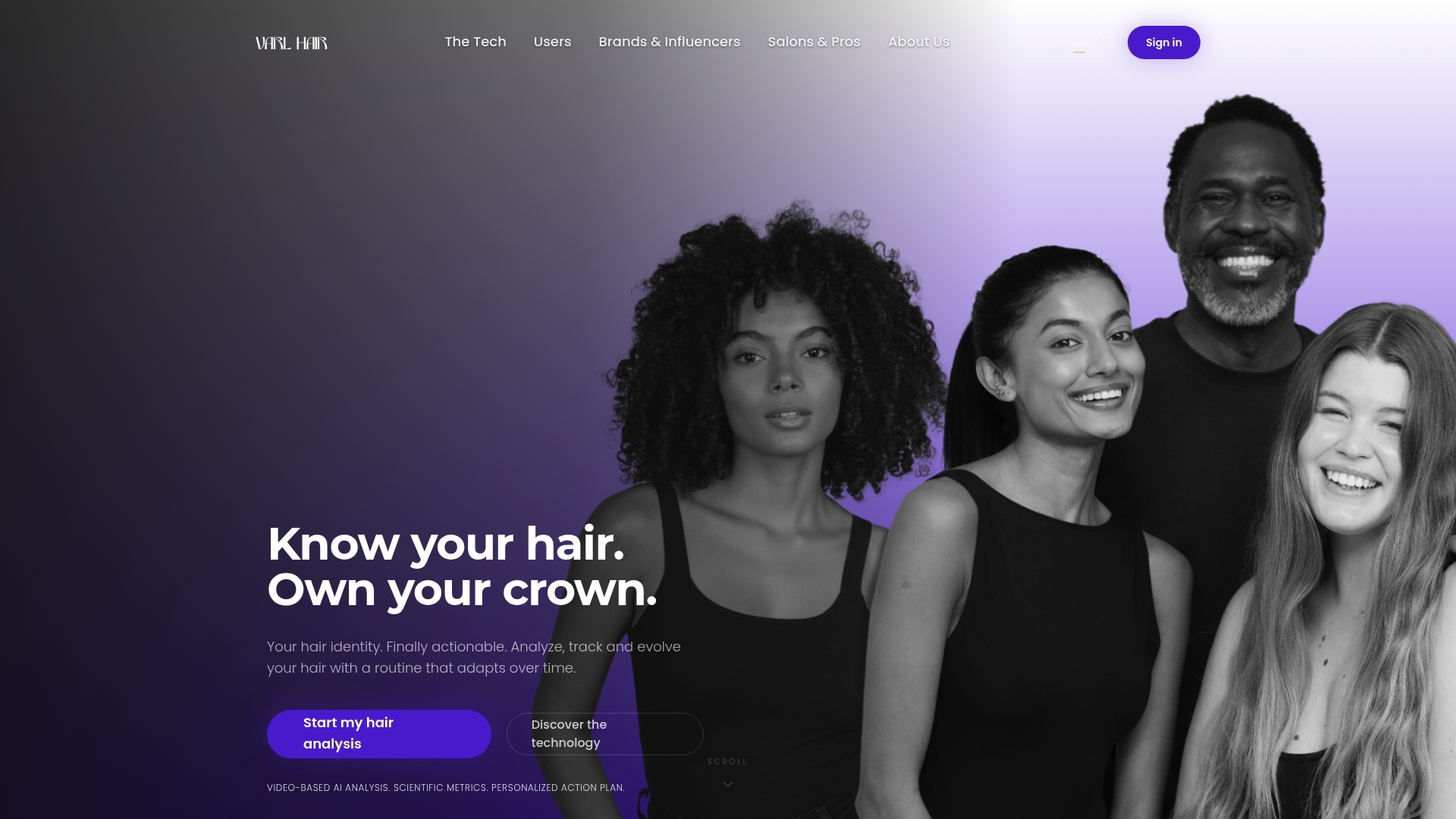
According to the company, Varl maps a short smartphone video into a personalized Biometric ID™ in seconds. The app reports a real-time hair health score called Capital Cheveux that you can track over time. That quick mapping and score aim to make product matching and routines more specific for textured hair.
Core Features
Varl performs video-based AI analysis to map hair type, density, porosity, and scalp condition, then creates an evolving Biometric ID™. The platform stores a structured client hair passport for salons and connects recommendations to brands. It also provides a hair health metric called Capital Cheveux to monitor changes across visits.
Key Differentiator
The vendor advertises proprietary biometric algorithms and multiple patents as the foundation for its fingerprinting approach. That positioning focuses the product on texture-specific, measurable hair attributes rather than broad curl typing. For salons and brands, the fingerprint provides a consistent record for product matching and follow-up.
Pros
Varl delivers more granular hair descriptors than simple curl categories, which helps when you need specific routine choices. Its ecosystem links consumers, salons, and brands so recommendations stay consistent between an at-home user and a professional consultation. The platform adapts a user profile over time with a clear numeric score, which makes progress tracking straightforward for both clients and stylists.
Cons
- Limited public pricing details for advanced tiers; the entry tier is free and paid tiers are listed without granular feature breakdowns.
- Accurate results depend on consistent, good-quality video recordings from the user, including lighting and camera framing.
- Biometric diagnostics rely on cosmetic measurements only; the platform does not support medical or clinical diagnosis.
When It May Not Fit
If you cannot record repeatable, well lit videos, Varl will struggle to deliver consistent profiles. If you need a clinical scalp diagnosis, this software is not suitable because it targets cosmetic hair metrics only. If transparent feature lists for each paid tier matter, the publicly available pricing may feel too vague.
Who It's For
Texture hair owners who want data-driven product suggestions and measurable progress will get the most value. Hair salons seeking structured client records and repeatable consultation metrics can use the client passport during appointments. Hair brands that want biometric profiles for targeted recommendations will find the platform useful for campaign testing.
Real World Use Case
A user records a 30-second hair video with their smartphone and uploads it through the app. Varl returns a profile showing density, porosity, and scalp condition along with product matches. The user applies the recommended routine and checks the Capital Cheveux score during subsequent scans to see changes.
Pricing
Varl offers a free tier for basic analysis. Paid tiers start at €4.99/month with a mid option at €8.99/month for additional features and professional tools.
Website: https://varl.fr
Comparison of alternatives
Among the contenders for hair health analysis platforms, MyHair.ai distinguishes itself by providing clinic-integrated diagnostics and personalized hair care plans driven by cutting-edge AI technology. While other solutions cater to niche requirements or adopt varied methodologies, assessing the specifics reveals unique strengths and trade-offs each platform offers.
Advanced Diagnostic Approaches
MyHair.ai leverages AI vision technology to deliver detailed assessments that include metrics like hair count and density while linking recommendations to clinics and local experts. In contrast, Hairscope integrates automated selfie analysis on clinic portals, emphasizing rapid assessments for lead conversion. While MyHair.ai targets individuals seeking end-to-end treatment alignment, Hairscope excels in supporting clinical practices looking to enhance patient engagement. Both platforms adopt technology; however, the workflow emphasis differentiates their appeal.
Cosmetic Usability and Specific Applications
Varl focuses on textured hair metrics, offering detailed biometric analyses tailored for salons and brands. Its unique Biometric ID and Capital Cheveux scoring provide historical tracking suited to individuals with diverse texture needs. While MyHair.ai supports clinical-level assessments, Varl's ecosystem aligns more with cosmetic enhancements and professional collaborations, offering options not present in other solutions in terms of specialty application.
Best fit
- MyHair.ai suits individuals valuing AI-driven medical guidance integrated with clinic referrals for structured care plans.
- Varl helps salons and brands specializing in textured hair through biometric tracking and personalized product pacing.
- Genpulse serves clinics seeking adaptable hardware setups for integrated diagnostics beyond hair care.
- iHairium favors telehealth users preferring initial free assessments tied to virtual consultations and continuity planning.
Our pick
MyHair.ai is recommended for individuals needing detailed diagnostic metrics and direct links to medical consultations. Its functionality in delivering AI-powered image analysis stands out as a foundational technology for hair loss tracking and management. However, those prioritizing advanced cosmetic profiling or telehealth-first options may prefer Varl or iHairium respectively.
Explore which hair health analysis platform best matches your needs with this side-by-side comparison.
| Product | Core Feature | Key Differentiator | Pricing | Limitation |
|---|---|---|---|---|
| MyHair.ai | AI scans with clinic referrals | Clinic-ready hair assessments | Price not published | Limited public information on pricing |
| Hairscope | Selfie-based hair analysis | Web plugins for lead generation | $99/month starting tier | Requires professional oversight for complex cases |
| Genpulse | AI diagnostics via custom hardware | Device plus cloud integration | Price not published | Several products listed as "coming soon" |
| iHairium | AI diagnostics with global clinic access | Free diagnostics with telemedicine options | Free entry tier | Limited transparency on algorithm validation |
| Varl | Video biometric hair mapping | Real-time Capital Cheveux score tracking | €4.99/month starting tier | Results depend on video quality |
What Is The Best Option Among Hairlineai.com Alternatives For Personalized Hair Assessments?
Hair thinning and loss often leave people searching for clear, data-driven insights. Many platforms fall short by offering only basic metrics without tailored guidance or easy clinic referrals. Myhair addresses these challenges with AI-powered hair analysis that tracks your hair health precisely and provides personalized product recommendations. Its connection to partnered clinics streamlines moving from at-home scans to professional care.
With over 200,000 users relying on Myhair’s mobile app, you get detailed scalp assessments and the convenience of progress tracking wherever you are. Those seeking a trustworthy tool that combines technology with medical partnerships should consider Myhair as a leading option among hairlineai.com alternatives. Visit Myhair to access your personalized hair health report and begin tracking meaningful improvements today.
FAQ
What features does Myhair offer for personalized treatment planning?
Myhair generates personalized treatment plans from each scan, allowing users to track their hair health over time. The platform combines AI analysis with customized timelines to ensure users get targeted advice. Users can start by conducting an initial scan to begin their hair health journey.
How does Myhair compare to Hairscope in terms of diagnostic capabilities?
Hairscope offers rapid selfie-based diagnostics that provide instant hair health reports, helping clinics engage visitors effectively. In contrast, Myhair focuses on detailed assessments including hair count and density, which are crucial for tracking changes over time. Users seeking a robust analysis should consider starting with Myhair.
What is the pricing structure for using Myhair's services?
Myhair’s pricing information is not publicly listed, making it essential for users to contact the vendor for the latest tier details. However, exploring Myhair allows for initial insights without immediate financial commitment, which is beneficial for users unsure about long-term investment.
Can I use Myhair for ongoing hair health tracking after initial diagnostics?
Yes, Myhair allows users to track their hair health over time, facilitating continuous monitoring of progress through its mobile app. This feature helps users stay informed and engaged with their treatment plans as they progress.
What makes Myhair a suitable option for users concerned about hair thinning?
Myhair utilizes AI-powered image analysis to deliver detailed reports on hair density and dryness, addressing concerns related to thinning and hair loss. By generating personalized product recommendations, it empowers users to make informed decisions on their hair care regimen.