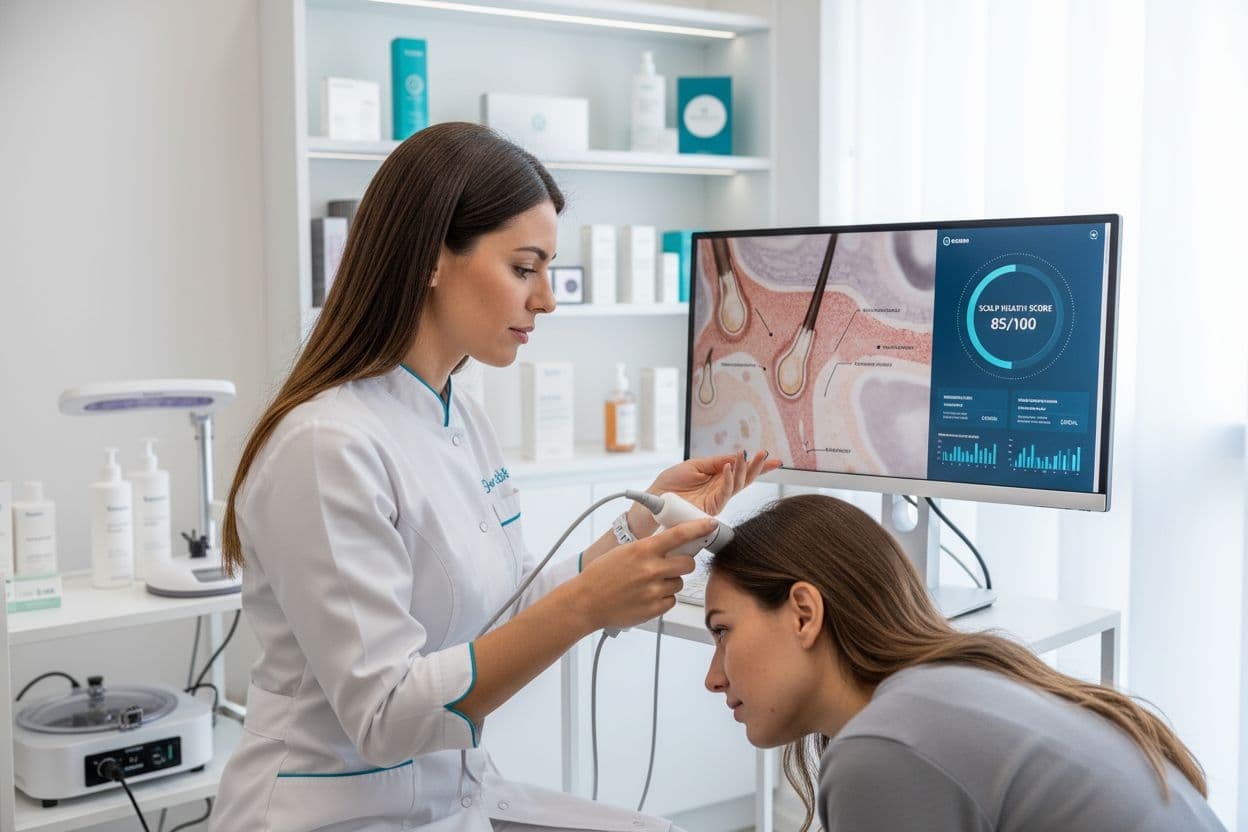
Did you know that most people lose fifty to one hundred hairs each day as part of a healthy cycle? What happens on your scalp can set the stage for strong, vibrant hair or lead to thinning and breakage over time. By recognizing the hidden signals of scalp wellness and learning what really affects hair growth, you can protect your strands from preventable damage and make choices that encourage lasting health.
Key Takeaways
| Point | Details |
|---|---|
| Healthy Scalp is Essential | A healthy scalp free from disease and irritation forms the foundation for optimal hair growth, requiring balanced moisture and consistent care. |
| Holistic Care Approach | Successful hair growth demands a holistic approach, addressing nutrition, stress management, and gentle scalp care to prevent disruptions. |
| AI Technology in Hair Care | AI-driven personalized products and recommendations can significantly enhance hair health and growth by analyzing individual scalp conditions and treatment efficacy. |
| Avoid Common Mistakes | To promote hair growth, it is crucial to avoid practices like overwashing, excessive heat styling, and nutritional neglect that can hinder progress. |
Table of Contents
- Defining Healthy Scalp and Hair Growth
- Common Types of Scalp and Hair Issues
- Key Factors Influencing Hair Growth
- Best Practices for Scalp and Hair Care
- Personalized Approaches Using AI Technology
- Mistakes to Avoid for Optimal Results
Defining Healthy Scalp and Hair Growth
Healthy scalp and hair growth represent a delicate biological ecosystem where multiple factors harmonize to produce strong, resilient hair. Hair cycles are complex processes involving intricate interactions between cellular functions and environmental influences. According to research from the mathematical modeling of human scalp hair cycles, these cycles encompass three primary phases: growth, regression, and rest, each controlled by matrix keratinocyte activity.
At its core, a healthy scalp serves as the foundational environment for hair development. Trichology research defines a healthy scalp as an environment free from disease and optimally supporting normal hair follicle function. Key characteristics of a healthy scalp include:
- Balanced moisture levels
- No inflammation or irritation
- Proper sebum production
- Absence of fungal or bacterial infections
- Consistent blood circulation
When scalp conditions become disrupted—whether through hormonal imbalances, immune system responses, or external stressors—hair growth can be significantly impacted. Disruptions can potentially shorten the growth phase, leading to reduced hair density and potential loss. The biological mechanisms governing hair growth are sensitive, requiring a holistic approach that considers nutrition, stress management, and consistent scalp care.
Understanding these intricate processes empowers individuals to make informed decisions about their hair health, recognizing that growth is not just about external treatments but a comprehensive interaction of internal biological systems and environmental factors.
Common Types of Scalp and Hair Issues
Scalp and hair health can be compromised by various conditions that disrupt normal hair growth and overall wellness. Scalp infections represent a significant category of issues that can dramatically impact hair quality and follicle function. Dandruff and hair loss are among the most common challenges people experience, signaling underlying scalp health problems.
Fungal infections like Tinea capitis illustrate the complexity of scalp disorders. According to medical research, this condition particularly affects children and manifests through distinctive symptoms:
- Patchy hair loss
- Scaling of the scalp
- Inflammation
- Intense itching
Another prevalent scalp condition is Seborrhoeic dermatitis, a chronic inflammatory disorder characterized by flaky, oily patches. This condition can lead to temporary hair loss and significant scalp irritation. The interconnection between scalp health and hair growth becomes evident through these conditions, demonstrating how underlying dermatological issues can directly impact hair development.
Here's a summary of common scalp and hair issues and their characteristics:
| Condition | Main Symptoms | Impact on Hair |
|---|---|---|
| Tinea capitis | Patchy hair loss<br>Scaling<br>Itching<br>Inflammation | Temporary hair loss<br>Scalp discomfort |
| Seborrhoeic dermatitis | Flaky oily patches<br>Irritation<br>Redness | Thinning<br>Temporary hair loss |
| Hormonal imbalance | Excess shedding<br>Thinning | Reduced density<br>Slow growth |
| Nutritional deficiency | Brittle strands<br>Slow growth | Breakage<br>Increased loss |
| Environmental stress | Dry scalp<br>Frizz<br>Brittleness | Loss of strength<br>Weakened growth |
Other common scalp and hair issues include hormonal imbalances, autoimmune disorders, nutritional deficiencies, and environmental stressors. Each of these factors can disrupt the delicate ecosystem of hair follicles, potentially leading to thinning, breakage, or accelerated hair loss. Recognizing early signs and seeking professional guidance becomes crucial in managing and mitigating these complex scalp and hair health challenges.
Key Factors Influencing Hair Growth
Hair growth is a complex biological process influenced by an intricate network of internal and external factors. Understanding hair growth scientifically reveals that multiple elements interact to determine the health and rate of hair development. According to scientific research, the average hair grows approximately half an inch per month, though this can vary significantly based on individual circumstances.
The primary factors affecting hair growth include:
- Genetics: Predetermined genetic blueprint
- Nutrition: Essential nutrients like iron, protein, and vitamins
- Hormonal Balance: Critical for follicular health
- Age: Natural changes in hair production capacity
- Stress Levels: Psychological and physiological impacts
Hormonal imbalances and immune-mediated damage to follicular keratinocytes play a crucial role in modifying the hair growth phase. Research indicates that these disruptions can significantly shorten the growth cycle, potentially leading to reduced hair density. Nutritional status emerges as another critical determinant, with specific micronutrients like vitamins D, B12, and biotin directly influencing hair follicle function and growth rate.
Environmental factors also exert substantial influence on hair growth. Exposure to pollutants, UV radiation, chemical treatments, and extreme temperatures can compromise hair health, potentially disrupting the delicate biological mechanisms that support robust hair development. Maintaining a holistic approach—addressing nutrition, stress management, scalp care, and overall health—becomes paramount in supporting optimal hair growth and preventing potential disruptions.

Best Practices for Scalp and Hair Care
Scalp health forms the foundation of vibrant, resilient hair growth, requiring a holistic and strategic approach. My Haircare Routine encompasses more than just surface-level treatments—it demands understanding and nurturing the intricate ecosystem of your scalp and hair follicles. Experts recommend a comprehensive strategy that addresses multiple aspects of hair and scalp wellness.
Key best practices for optimal scalp and hair care include:
- Regular scalp massages to stimulate blood circulation
- Maintaining a nutrient-rich diet
- Practicing stress reduction techniques
- Using gentle styling methods
- Avoiding tight hairstyles that cause tension
- Getting periodic trims to prevent split ends
- Keeping the scalp consistently clean
Advanced scalp care now emphasizes the use of specialized scalp serums containing potent ingredients. According to recent research, these targeted treatments can significantly improve hair quality. Effective serums often incorporate ingredients like peptides, rosemary oil, salicylic acid, and caffeine—each designed to address specific scalp conditions and promote healthier hair growth.
Ultimately, successful scalp and hair care is about creating a balanced environment that supports natural growth. This means being mindful of your individual hair type, avoiding harsh chemical treatments, protecting your hair from environmental stressors, and maintaining consistent, gentle care routines that respect your hair's natural biological processes.
Personalized Approaches Using AI Technology
Artificial Intelligence is revolutionizing hair care by offering unprecedented levels of personalization and precision. Hair and Skin Care Expert Tips reveal how technology can transform traditional approaches to hair health. Advanced AI platforms now analyze individual scalp conditions with remarkable accuracy, creating tailored treatment strategies that go far beyond generic recommendations.
Key advantages of AI-driven hair care approaches include:
- Precise scalp image analysis
- Comprehensive health questionnaire processing
- Customized treatment recommendations
- Real-time tracking of hair growth progress
- Data-driven intervention strategies
- Personalized product suggestions
- Continuous monitoring and adjustment
Clinical research demonstrates the powerful potential of AI technologies in hair care. A 24-week study utilizing an AI-driven platform showed significant improvements in multiple hair health metrics. Participants experienced notable reductions in hair shedding, decreased water loss, enhanced hair thickness, and improved overall scalp health. Another groundbreaking study confirmed that AI-tailored treatments—incorporating specialized serums, shampoos, and supplements—produced statistically significant enhancements in hair growth, coverage, scalp barrier function, and texture.
The future of hair care lies in these intelligent, personalized approaches. By leveraging sophisticated algorithms and machine learning, AI technologies can now analyze individual genetic predispositions, environmental factors, and physiological characteristics to create truly customized hair care solutions.
This marks a paradigm shift from one-size-fits-all treatments to precision interventions designed specifically for each individual's unique hair health profile.
Mistakes to Avoid for Optimal Results
Hair growth requires careful attention and strategic care, with numerous potential pitfalls that can dramatically impede progress. New Hair Growth Treatment Options highlight the importance of understanding and avoiding common mistakes that compromise scalp and hair health. Recognizing these potential errors is the first step toward developing a more effective hair care approach.
Common mistakes that significantly hinder hair growth include:
- Overwashing hair and stripping natural oils
- Excessive heat styling without protection
- Neglecting overall scalp health
- Wearing consistently tight hairstyles
- Over-oiling or product overload
- Skipping regular trims
- Maintaining poor nutritional habits
- Rough detangling techniques
- Improper towel drying
- Dry combing without moisture
Research indicates that high-tension hairstyles and aggressive hair manipulation can cause significant damage to hair follicles. These practices not only prevent optimal growth but can lead to long-term scalp stress and potential hair loss. Nutritional deficiencies play an equally critical role, with inadequate vitamin intake directly impacting hair's ability to grow strong and healthy.
Effective hair care demands a holistic approach that balances gentle treatment, proper nutrition, and mindful styling. Understanding that each hair interaction—from washing to styling—can either support or hinder growth is crucial.
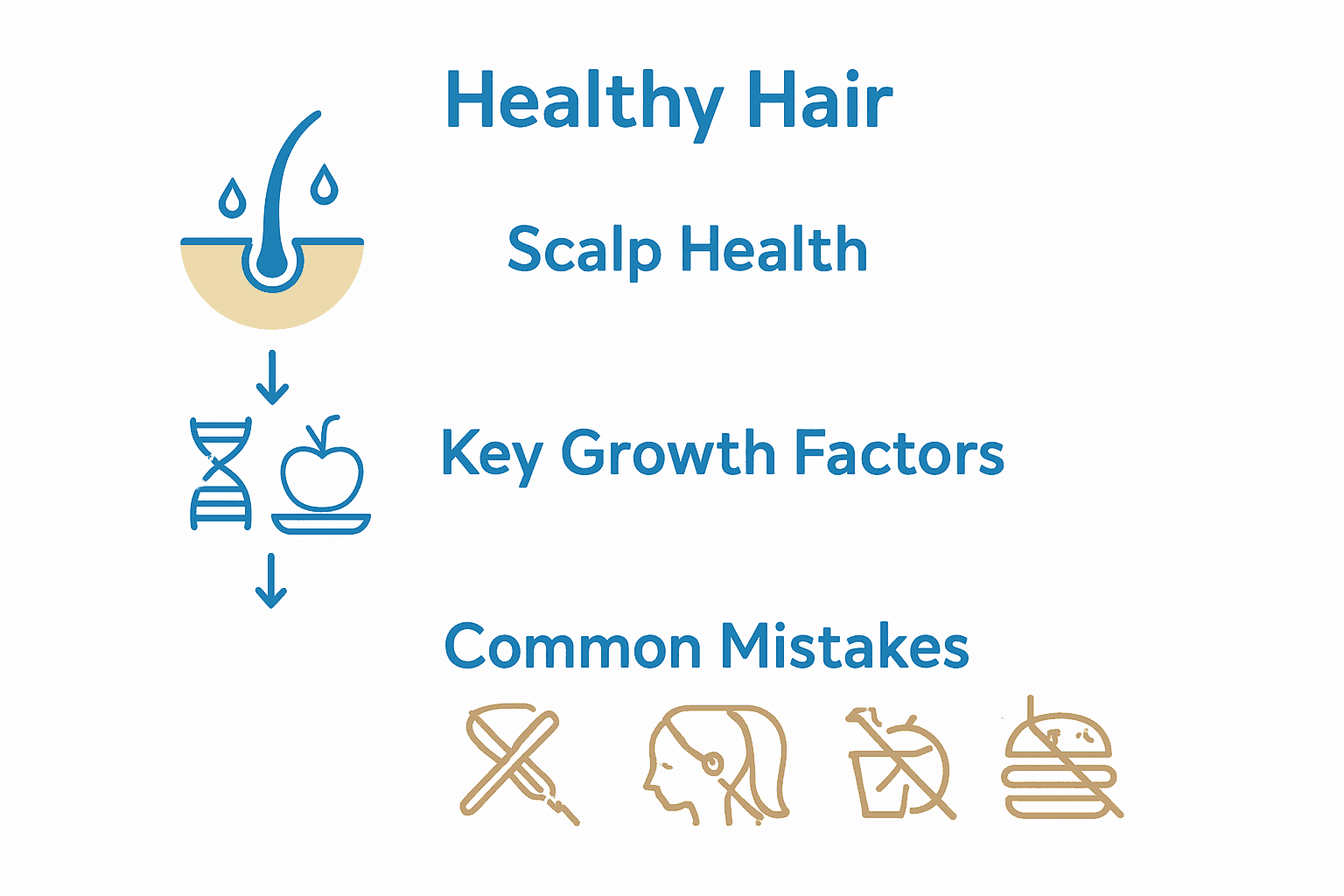 By avoiding these common mistakes and adopting a more intentional, informed approach to hair care, individuals can create an environment that truly supports robust, healthy hair growth.
Ready for Real Results? Unlock Personalized Hair Growth Solutions Now
If you have struggled with persistent scalp issues, irregular shedding, or frustrating cycles of hair loss and regrowth, you know these challenges are more than skin deep. The complete guide above emphasizes how scalp health, the right nutrients, and avoiding common mistakes are all vital for resilient hair. But making sense of what your unique hair truly needs can feel overwhelming.
Stop guessing about your scalp and hair's future. Experience what real personalization looks like by uploading your scan to MyHair.ai. Our platform combines cutting-edge AI-based hair health analysis with customized growth projections, giving you tailored recommendations based on your exact needs. Take control of your journey to healthier hair today with easy-to-understand feedback and proven solutions. Visit https://myhair.ai now and see the difference for yourself.
Frequently Asked Questions
What are the key characteristics of a healthy scalp?
A healthy scalp is characterized by balanced moisture levels, absence of inflammation or irritation, proper sebum production, and consistent blood circulation. It should also be free from fungal or bacterial infections to support normal hair follicle function.
How can nutritional deficiencies affect hair growth?
Nutritional deficiencies can lead to brittle hair strands, slowed growth, and increased hair loss. Essential nutrients like iron, protein, vitamins D and B12, and biotin are vital for healthy hair follicle function and growth rate.
What is the importance of maintaining a holistic approach to hair care?
A holistic approach to hair care considers internal and external factors such as nutrition, stress management, and scalp care. This comprehensive strategy helps create a balanced environment that supports natural hair growth and prevents potential disruptions.
What are common mistakes to avoid for optimal hair growth?
Common mistakes include overwashing hair, excessive heat styling, neglecting scalp health, tight hairstyles, and poor nutritional habits. These practices can damage hair follicles and hinder healthy hair growth.