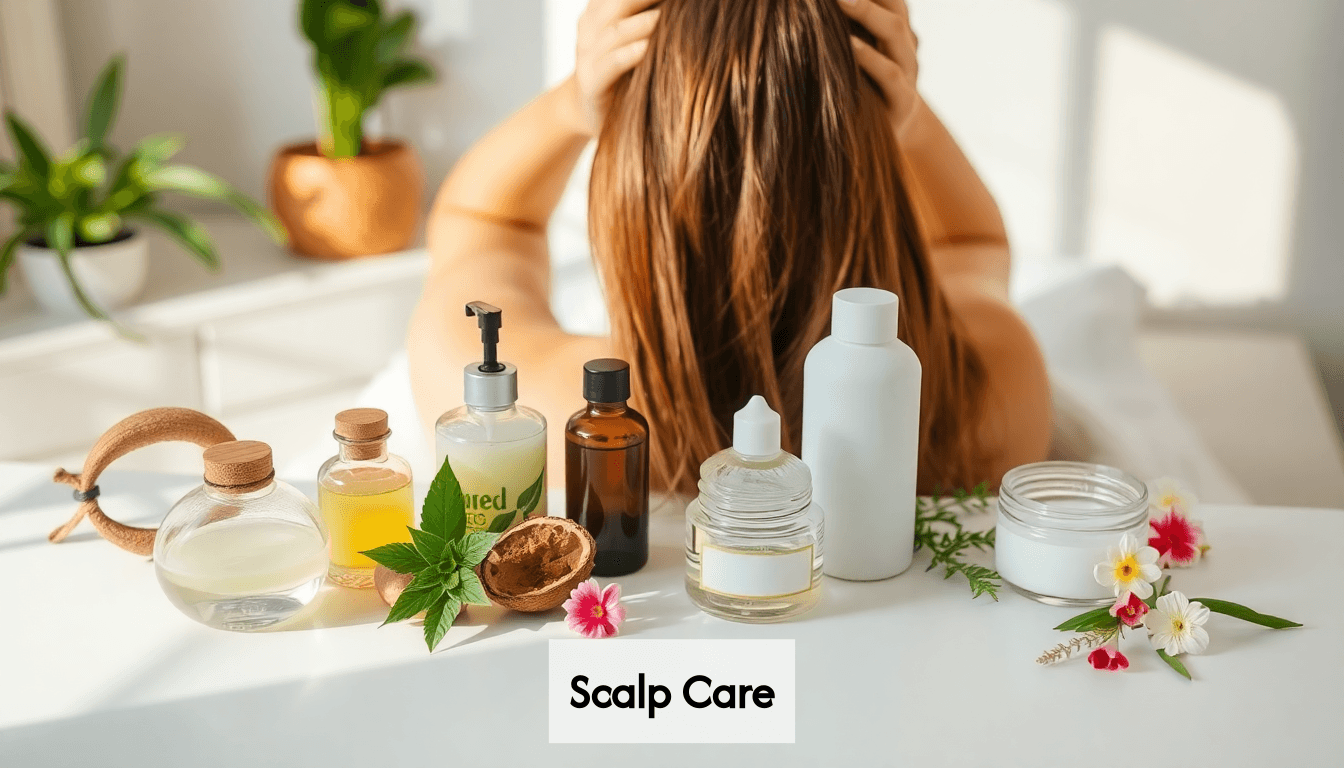
Introduction to Scalp Infections
Scalp infections might sound like something out of a horror movie, but they are a common issue that many people face. Whether it's a pesky fungal scalp infection or an irritating yeast infection, these nuisances can lead to discomfort, embarrassment, and, let’s be honest, a downright bad hair day. In my journey through the world of home remedies for scalp infection, I’ve discovered that these conditions don't have to be a permanent part of our lives.
You see, our scalps are like the neglected corners of our homes—dusty, sometimes ignored, and prone to a buildup of unwanted guests like fungus and bacteria. Various factors can contribute to scalp infections, including poor hygiene, skin conditions, hormonal changes, or even a suppressed immune system. For many of us, it starts with an itch, followed by redness or flakiness, and before we know it, we’re left wondering how to get rid of fungus on our scalp naturally.
But don't worry! With the right approach using effective natural remedies for fungal and yeast infections, relief is often just a few home remedies away. From garlic’s antifungal properties to the soothing qualities of coconut oil, I’ve found a treasure trove of solutions that can help fight those stubborn infections without resorting to harsh chemicals or costly treatments.
In upcoming sections, I’ll dive deeper into specific home remedies for scalp infections, sharing personal anecdotes and expert insights to help guide you on your path to a healthy scalp. So grab your favorite natural remedy and let’s embark on this journey to banishing scalp infections together!
Understanding Scalp Infections: Causes and Symptoms
When it comes to scalp infections, understanding the causes and symptoms is key to tackling them head-on. Scalp infections primarily stem from bacteria, fungi, or yeast—each presenting its unique set of symptoms and challenges. Getting to the bottom of these causes not only gives us insight into effective home remedies for scalp infections but can also help prevent future outbreaks.
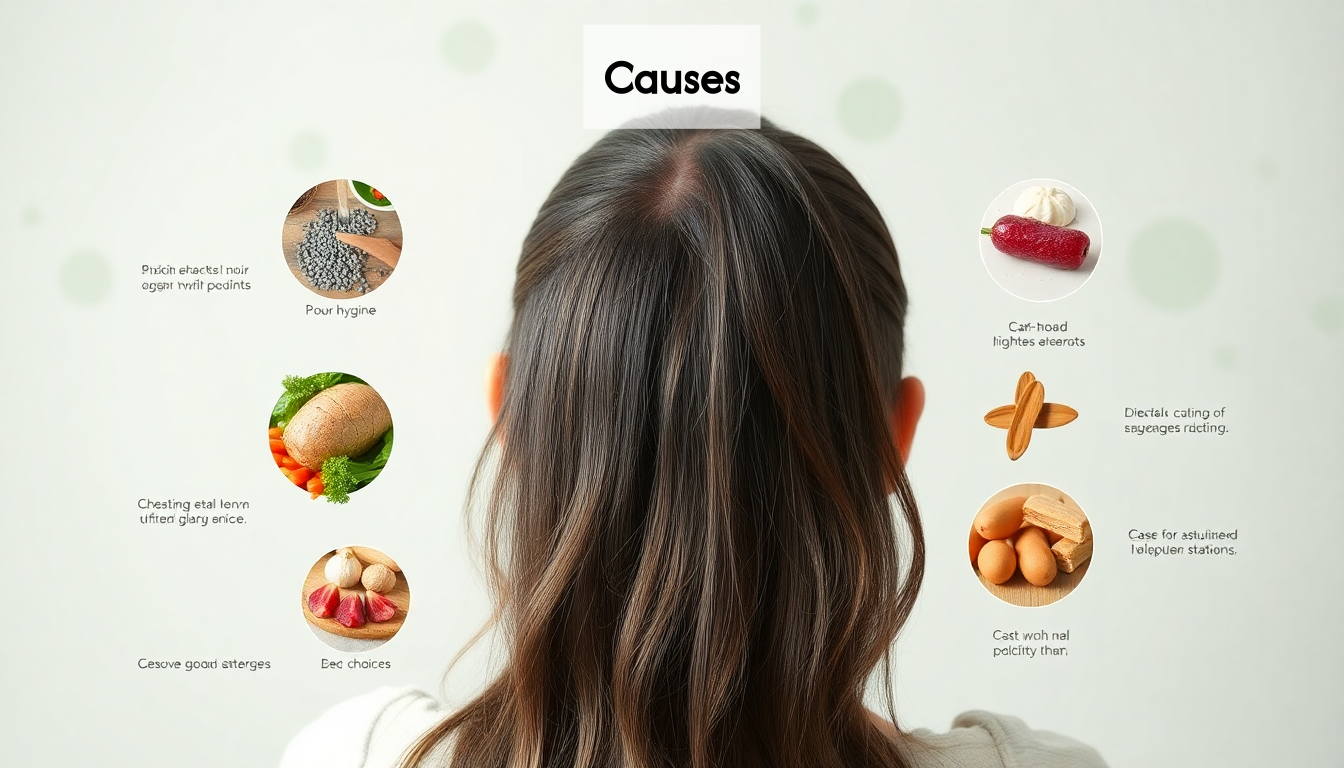
Causes of Scalp Infections
The world of scalp health can be quite complicated. Factors leading to scalp infections can include:
- Poor Hygiene: Let’s face it, no one wants to admit they’ve skipped a few washes! But infrequent cleaning can allow product buildup and bacteria to flourish.
- Fungal Growth: Certain fungi love to make themselves at home on our scalps, leading to fungal infection scalps and prompting us to explore effective fungal scalp infection home remedies.
- Diet and Lifestyle Choices: Diets low in nutrients can weaken the immune system, making us more susceptible to these nasty critters.
- Skin Conditions: Conditions like eczema or psoriasis can break down the skin barrier, allowing infections to take hold. If this is you, fear not; there are natural remedies for scalp infections that cater specifically to these conditions.
- Hormonal Changes: From puberty to pregnancy, hormonal shifts can create an ideal breeding ground for infections.
Symptoms of Scalp Infections
Recognizing the signs of a scalp infection can prevent it from escalating. Common symptoms include:
- Itching or Irritation: Ah, the classic sign! You’ll know it when you feel it. This can sometimes be the initial signal that something is off.
- Redness and Inflammation: Noticeable patches of redness and swollen areas are often telltale signs of an ongoing infection.
- Flakiness and Scaling: As if dandruff wasn’t enough, flakiness can worsen with infections, too.
- Unusual Scalp Odor: If your scalp starts to smell as bizarre as your gym shoes, it might be time to investigate further!
In summary, understanding the causes behind these pesky infections can help us better equip ourselves with knowledge and natural remedies for yeast infection on the scalp or other types. As we explore various home remedies for scalp infections, remember that addressing the root causes is just as vital as treating the symptoms. Now that we’ve set the stage, let’s dive into the world of effective home remedies that will send those unwanted guests packing!
Home Remedies for Scalp Infection: Natural Solutions
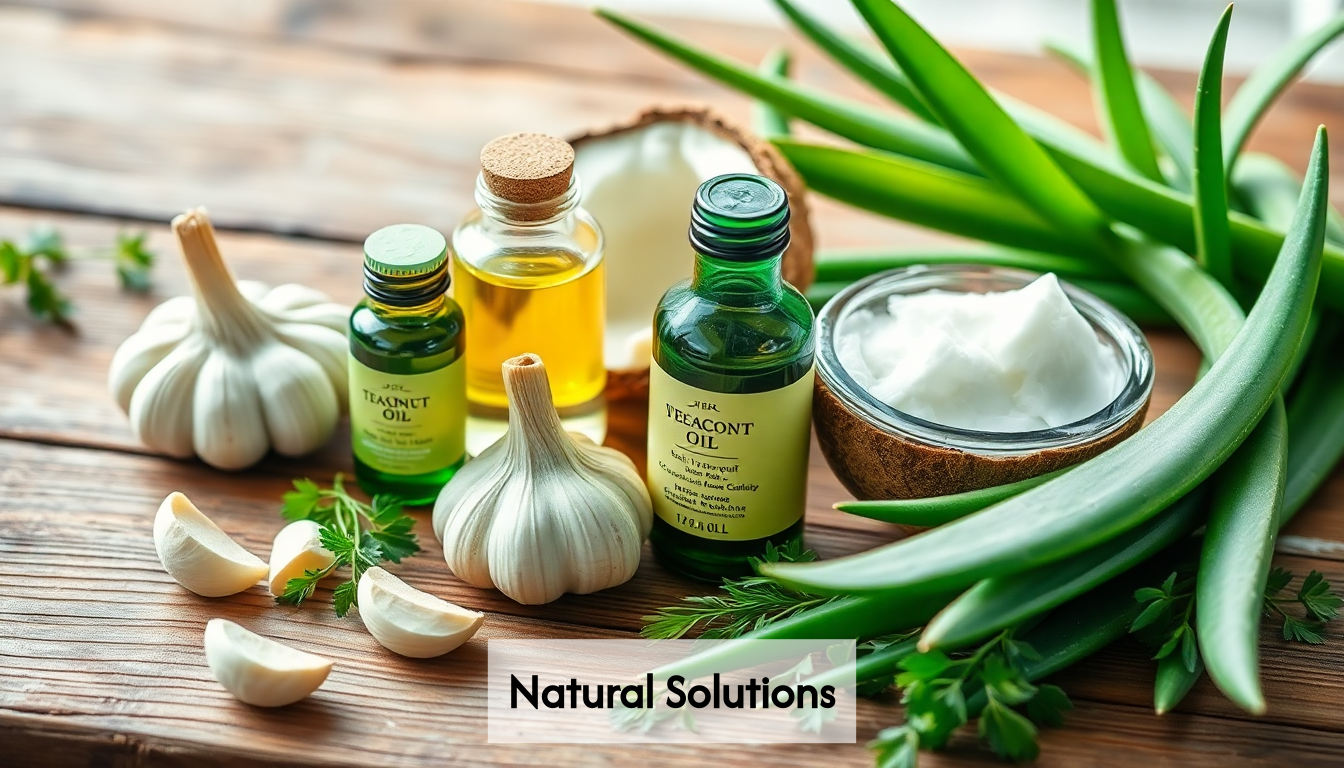
If there's one thing I've learned in my quest to combat scalp infections, it’s that the solution often lies within our own kitchens or gardens! Thankfully, there’s a treasure chest of home remedies for scalp infections waiting to be explored, each brimming with natural goodness and effective results. Let’s break down some of the most popular and effective remedies that can help you tackle fungal, bacterial, or yeast infections on the scalp using simple ingredients.
1. Tea Tree Oil
I like to think of tea tree oil as the superhero of natural remedies for scalp fungus. With its powerful antifungal and antibacterial properties, a few drops mixed into your shampoo or diluted with a carrier oil can do wonders for your scalp. Just be cautious—not everyone’s skin plays nice with it, so a patch test is a must!
2. Apple Cider Vinegar (ACV)
ACV is not just for salad dressings! This tangy elixir is well-known for its natural antifungal properties. I typically mix equal parts of ACV and water and use it as a rinse after shampooing. It helps balance the scalp’s pH and can eliminate odors, too. Not to mention, it leaves your hair feeling super shiny.
3. Coconut Oil
Coconut oil is my go-to for everything—cooking, moisturizing, and of course, as a mighty home remedy for hair fungus! Rich in lauric acid, it has inherent antifungal properties. Apply it warm to your scalp, leave it for about an hour, and then wash it out. Your scalp will feel loved, and you’ll likely see those infection symptoms fade.
4. Garlic
Let’s not ignore the power of garlic in this conversation! This pungent little bulb is a natural antifungal powerhouse. Try crushing a couple of cloves and mixing it with olive oil to create a potent scalp treatment. It might smell a bit like an Italian kitchen, but your scalp will thank you.
5. Aloe Vera
For those of us who adore a soothing touch, aloe vera is the perfect remedy. Its gel is not just hydrating but also has antifungal properties. I recommend applying fresh aloe vera gel directly to the scalp and letting it sit for about 30 minutes before rinsing. It’s like a spa treatment for your scalp!
6. Yogurt
Lastly, don’t overlook the benefits of yogurt! It’s packed with probiotics that can help balance the scalp’s microbiome. I love utilizing plain, unsweetened yogurt as a scalp mask, allowing it to sit for about 20 minutes before rinsing. Plus, the creamy texture feels nice and nourishing!
By incorporating these natural remedies for fungal scalp infections into your routine, you’ll likely experience relief from discomfort while nurturing your hair’s health. Each remedy can be tailored to fit your personal preferences, allowing you to find what works best for you. Now that we’ve armed ourselves with these home remedies, let’s take a look at how to properly implement them into your daily routine for maximum effectiveness!

Fungal Scalp Infection Home Remedies
When it comes to tackling a fungal scalp infection, using effective home remedies can make a world of difference. Having experienced the itchiness and irritation of scalp fungus myself, I know how essential it is to find solutions that work without the harsh chemicals found in many commercial products. So, let’s dive into some tried-and-true fungal scalp infection home remedies that can help soothe your scalp and promote healing naturally.
1. Coconut Oil and Tea Tree Oil Combination
Combining coconut oil with tea tree oil is like creating a dynamic duo against scalp fungus. The fatty acids in coconut oil act as a barrier while the antifungal properties of tea tree oil work to eliminate the pesky fungi. I mix a few drops of tea tree oil into a tablespoon of coconut oil, apply it directly to the scalp, and let it sit for at least 30 minutes before rinsing. It’s a game changer!
2. Baking Soda Paste
Did you know that baking soda isn’t just good for baking? This household staple has antifungal properties, making it an amazing home remedy for scalp fungal infections. I like to create a thick paste by mixing baking soda with a bit of water and applying it to the affected areas of my scalp. Leave it on for about 15 minutes before rinsing it out with warm water. You’ll notice relief from itching, and it helps keep your scalp dry.
3. Neem Oil
Neem oil is well-known in the natural remedies world for its strong antifungal and antibacterial properties. If you can get your hands on some, I recommend mixing a few drops of neem oil with a carrier oil and massaging it into your scalp. Leave it overnight for maximum benefits and rinse it in the morning; your scalp will feel fresh and rejuvenated!
4. Rosemary and Sage Rinse
Herbs aren’t just for seasoning! Rosemary and sage are both known for their antifungal properties. I brew a strong tea using dried leaves and let it cool. After washing my hair, I use the cooled herbal tea as a final rinse to help fight off any lingering fungal spores on my scalp. Not only does the aroma uplift your spirits, but it also sends fungal invaders packing!
5. Oregano Oil
If you can handle a little kick, oregano oil is another powerful antifungal remedy. With just a few drops mixed into a carrier oil, this potent solution can help treat a fungal infection effectively. A little goes a long way; simply apply it to the scalp directly, let it sit for 30 minutes, and then wash out.
6. Fenugreek Seeds
Fenugreek seeds have long been prized for their natural healing properties. Soaking a cup of fenugreek seeds overnight, blending them into a paste the next day, and applying it to the scalp not only helps address fungal infections but also nourishes hair growth. I swear by this remedy when I need an extra boost for my scalp!
By incorporating these fungal scalp infection home remedies into your routine, you'll be able to tackle that pesky fungus head-on. Make sure to observe how your scalp responds to each remedy to find the one that suits you best. With patience and consistency, you’ll be well on your way to a healthier scalp soon enough!
Natural Antifungal Treatments for Scalp Fungus
If you're battling scalp fungus and are on the lookout for effective natural antifungal treatments, you’re in the right place! Having had my fair share of struggles with this issue, I’ve become a bit of a connoisseur when it comes to identifying remedies that are not only effective but also gentle on the scalp. Let’s explore some natural antifungal treatments that can help eradicate those frustrating fungal strains and restore your scalp to its former glory.
1. Colloidal Silver
This magical potion known as colloidal silver has been used for centuries as an antimicrobial and antifungal agent. You can find it in liquid form, and I suggest applying it directly to the affected areas of your scalp using a cotton ball. It helps eliminate the fungus while promoting healing, and it’s safe for most people to use. Just remember to follow the product instructions for the best results!
2. Grapefruit Seed Extract
Grapefruit seed extract is another surprising contender in the antifungal arena. It’s packed with natural compounds that can combat a range of fungi. I like to dilute a few drops of the extract in water and use it as a scalp rinse after shampooing. This powerful treatment not only helps fight off infection but also adds a refreshing zing to your hair.
3. Clove Oil
Don’t underestimate the power of clove oil! Rich in eugenol, this natural antifungal oil is fantastic for tackling pesky scalp fungi. Mixing a couple of drops with a carrier oil and applying it directly to the scalp can provide impressive results. Just keep an eye on your scalp’s reaction; a little goes a long way!
4. Lavender Oil
Lavender isn’t just for soothing scents; it also possesses antifungal properties! I love adding a few drops of lavender oil to my shampoo or conditioner for dual benefits: a calming aroma and relief from fungal growth. It’s a win-win situation!
5. Sweet Almond Oil
Sweet almond oil is a gentle carrier oil that can effectively treat scalp conditions. Beyond moisturizing, it helps with inflammation caused by fungal growth. I find that applying sweet almond oil directly to the scalp helps soothe symptoms while also providing hydration. It's an excellent base for adding other antifungal oils too!
6. Eucalyptus Oil
Who knew eucalyptus could be so versatile? With its inherent antifungal properties, eucalyptus oil can help expel unwanted fungus from your scalp. I often mix a few drops with a carrier oil and massage it into my scalp, letting its invigorating scent clear my mind while it works to combat fungal growth.
Implementing Natural Antifungal Treatments
When using these natural antifungal treatments for scalp fungus, be consistent. I often recommend applying your chosen remedy a couple of times a week for the best results. Patience is crucial as fungal infections can take time to clear up, but with regular application and a little persistence, you should see improvements over time.
In conclusion, exploring natural antifungal treatments can open the door to effective relief from scalp fungus while also caring for your hair in a gentle way. Keep experimenting until you find what resonates with you, and soon, you might just be waving goodbye to that irritating scalp fungus!
How to Prevent Scalp Infections Naturally
If you’re anything like me, once you’ve battled a scalp infection, the last thing you want is a repeat performance. Thankfully, preventing scalp infections naturally is both achievable and manageable with the right practices. After all, an ounce of prevention is worth a pound of cure! Let me share some transparent insights that I’ve gathered over my journey to maintain a healthy scalp and to dodge those pesky infections.
1. Maintain Good Hygiene
Keeping your scalp and hair clean is foundational. I’ve found that washing my hair regularly helps remove excess oils, dirt, and product buildup that can harbor bacteria and fungi. On average, I aim to wash my hair at least twice a week, but if it’s feeling greasy or itchy, I won’t hesitate to add an extra wash! It’s all about finding your personal balance.
2. Don’t Share Personal Items
This is a biggie! Sharing items like hats, hairbrushes, and towels can spread bacteria or fungi like wildfire. I can’t stress enough how important it is to keep your haircare items personal. I’ve made it a habit to use my own tools, and while it may seem a bit rigid, it’s a simple way to keep infections at bay.
3. Choose the Right Hair Products
The hair products we use can make a big difference in our scalp health. After trial and error, I’ve learned to avoid products laden with harsh chemicals and opt for natural shampoos and conditioners instead. Look for ingredients like tea tree oil, aloe vera, or chamomile, as they promote scalp health while keeping things gentle. Your scalp deserves the best!
4. Stay Hydrated and Eat Nutrient-Rich Foods
Believe it or not, the state of your scalp can be influenced by your diet! Staying hydrated and consuming a balanced diet rich in vitamins can strengthen your immune system and keep your skin healthy. Foods high in omega-3 fatty acids, like salmon and walnuts, are particularly beneficial for skin health, helping to ward off infections.
5. Manage Stress
It may be surprising, but stress can weaken the immune system, making it a prime culprit for skin issues, including scalp infections. Incorporating stress management techniques—whether it's yoga, meditation, or simply taking some time for yourself—has made a profound difference in my overall health, including my scalp!
6. Avoid Tight Hairstyles
Tight hairstyles can not only cause tension headaches but can also irritate the scalp and lead to conditions such as folliculitis. I’ve made it a practice to change up my hairstyles regularly and allow my hair to breathe, giving my scalp a break from tightness.
7. Get Some Fresh Air
Lastly, don’t underestimate the power of the great outdoors! Allowing your scalp some exposure to fresh air and sunlight (while protecting it against overexposure) can do wonders for your overall scalp health. I enjoy a nice walk in the park, allowing my hair to flow freely in the breeze while replenishing my vitamin D levels.
By incorporating these natural prevention strategies, you can mitigate the risk of scalp infections while promoting a healthy environment for your hair and scalp. It takes consistent effort, but with dedication, you’ll be well on your way to enjoying a happy and infection-free scalp!
When to Seek Medical Attention for Scalp Infections
Knowing when to seek medical attention for a scalp infection can be a bit tricky, especially when you’re trying to navigate the fine line between a run-of-the-mill itch and a serious condition. Having dealt with my fair share of stubborn scalp issues, I’ve learned that being proactive about seeking help is crucial for both comfort and long-term health. Here’s what I’ve found to be solid indicators that it might be time to see a doctor.
1. Persistent Symptoms
If you’ve been trying various home remedies for scalp infections without any sign of relief after a week or two, it’s a good idea to consult a healthcare professional. Prolonged symptoms like relentless itching, redness, or flakiness may indicate a more serious underlying issue that requires medical attention. Trust me, it’s far better to catch something early than to let it fester.
2. Severe Pain or Discomfort
Sometimes, scalp infections can lead to considerable pain or discomfort that goes beyond irritation. If you find yourself wincing every time you comb your hair or feeling tenderness in your scalp, don’t hesitate to seek help. A healthcare professional can evaluate your situation and recommend suitable treatments.
3. Formation of Blisters or Sores
If you start to notice blisters, open sores, or any unusual swelling on your scalp, it’s time for a trip to the doc. This can be a sign of a more serious infection, such as folliculitis or impetigo, which necessitates immediate medical intervention.
4. Fever or Other Systemic Symptoms
When an infection is severe enough to trigger systemic symptoms like fever, fatigue, or widespread skin issues, it’s crucial to see a medical professional. These signs could indicate that the infection has spread or developed into something more serious that requires immediate treatment.
5. Recurrent Infections
If scalp infections become a recurring theme in your life, don't ignore this pattern. Recurrent infections may signal an underlying condition affecting your immune system or hygiene practices. A medical evaluation can help identify the root cause, allowing you to implement preventive strategies moving forward.
6. Changes in Hair Texture or Hair Loss
Sudden changes in your hair texture or noticeable hair loss accompanying a scalp infection can be concerning. If you're experiencing thinning hair or bald patches, it’s important to consult a healthcare provider. They can help determine if the infection is contributing to these changes and recommend an appropriate treatment plan.
7. Allergic Reactions
Lastly, if you’ve tried over-the-counter treatments or natural remedies that have led to increased irritation or allergic reactions (like redness, hives, or swelling), it’s best to seek professional guidance. An expert can help navigate alternative treatments that may be better suited for your scalp.
In summary, staying in tune with your body and advocating for your health is vital when it comes to scalp infections. Remember, natural remedies can work wonders, but they’re not a one-size-fits-all solution. By recognizing the signs that indicate it’s time to consult a healthcare professional, you can ensure your scalp receives the care it needs for a healthy, happy future!
Conclusion: Embracing Natural Remedies for Healthy Scalp
As we wrap up this journey through the world of scalp infections, it’s clear that embracing natural remedies can lead you toward a healthier scalp while avoiding the pitfalls of harsh chemicals and costly treatments. After exploring the various home remedies for scalp infection, it’s heartening to know that many of these solutions are accessible right from the comfort of your kitchen or local garden.
I’ve shared several effective home remedies for fungal scalp infections, tools for prevention, and tips for understanding when to seek medical attention. But at the core of it all lies empowerment—knowing that you have the tools to restore your scalp health naturally is liberating. Whether you’re casting off the shackles of fungus with tea tree oil or creating nourishing masks with coconut oil and yogurt, each step you take toward natural care is a step toward self-love and healing.
However, let’s not forget that every scalp is unique, much like our hair! What works wonders for one person might not resonate with another, and that’s okay. The key is to explore, experiment, and discover what suits your individual needs best. Keep track of your scalp’s response to treatments and be patient—sometimes improvement takes time.
So, as you venture forth, arm yourself with knowledge, be vigilant about your scalp health, and don’t hesitate to weave in some of these tried-and-true methods into your hair care routine. With love and attention, you’ll find yourself embracing not just a healthier scalp but a newfound appreciation for the balance that natural ingredients can bring to your daily life. Here’s to a happy, healthy scalp and fabulous hair days ahead!
Frequently Asked Questions
What are the common causes of scalp infections?
Common causes of scalp infections include poor hygiene, fungal growth, skin conditions like eczema or psoriasis, hormonal changes, and a weakened immune system.
How can I treat a fungal scalp infection at home?
You can treat a fungal scalp infection at home using remedies such as tea tree oil, apple cider vinegar, coconut oil, garlic, and aloe vera. These ingredients possess antifungal properties and can be applied directly to the scalp.
When should I seek medical attention for a scalp infection?
Seek medical attention if you experience persistent symptoms after self-treatment, severe pain, formation of blisters, fever, hair loss, or if scalp infections recur frequently.
Can diet and lifestyle affect scalp health?
Absolutely! Maintaining a balanced diet rich in nutrients and staying hydrated can strengthen your immune system and promote scalp health, reducing the likelihood of infections.
Don’t Let Scalp Infections Hold You Back!
As you’ve learned from our exploration of effective home remedies for scalp infections, addressing issues like redness, itching, and flakiness doesn't have to mean endless searching for the right treatment. While natural solutions such as tea tree oil or apple cider vinegar are fantastic starting points, truly identifying the underlying causes of your scalp troubles is just as important in your journey toward relief.
Enter Myhair.ai! Imagine a world where you can elevate your hair health confidently. With our AI-powered hair health analysis, you can upload images of your scalp and let advanced technology pinpoint the root of your scalp issues. We not only monitor hair count and diagnose conditions but also provide personalized product recommendations that cater directly to your hair’s specific needs. Combine your newfound knowledge from natural remedies with our tailored insights for a holistic approach to scalp care!
🌟 Ready to take the next step?
Visit Myhair.ai today and unlock the secret to a healthier scalp and lovely locks! Don’t let scalp concerns linger; act now and embrace the transformative power of personalized hair care solutions!
Your new hair journey awaits—let's get started!