More than 60 million people in the US experience hair thinning or loss at some point, yet most never realize how much scalp health influences their results. Understanding the real condition of your scalp and follicles sets the foundation for effective hair growth strategies. With the right insights and techniques, you can create a personalized routine that supports stronger, healthier hair while tracking real progress along the way.
Table of Contents
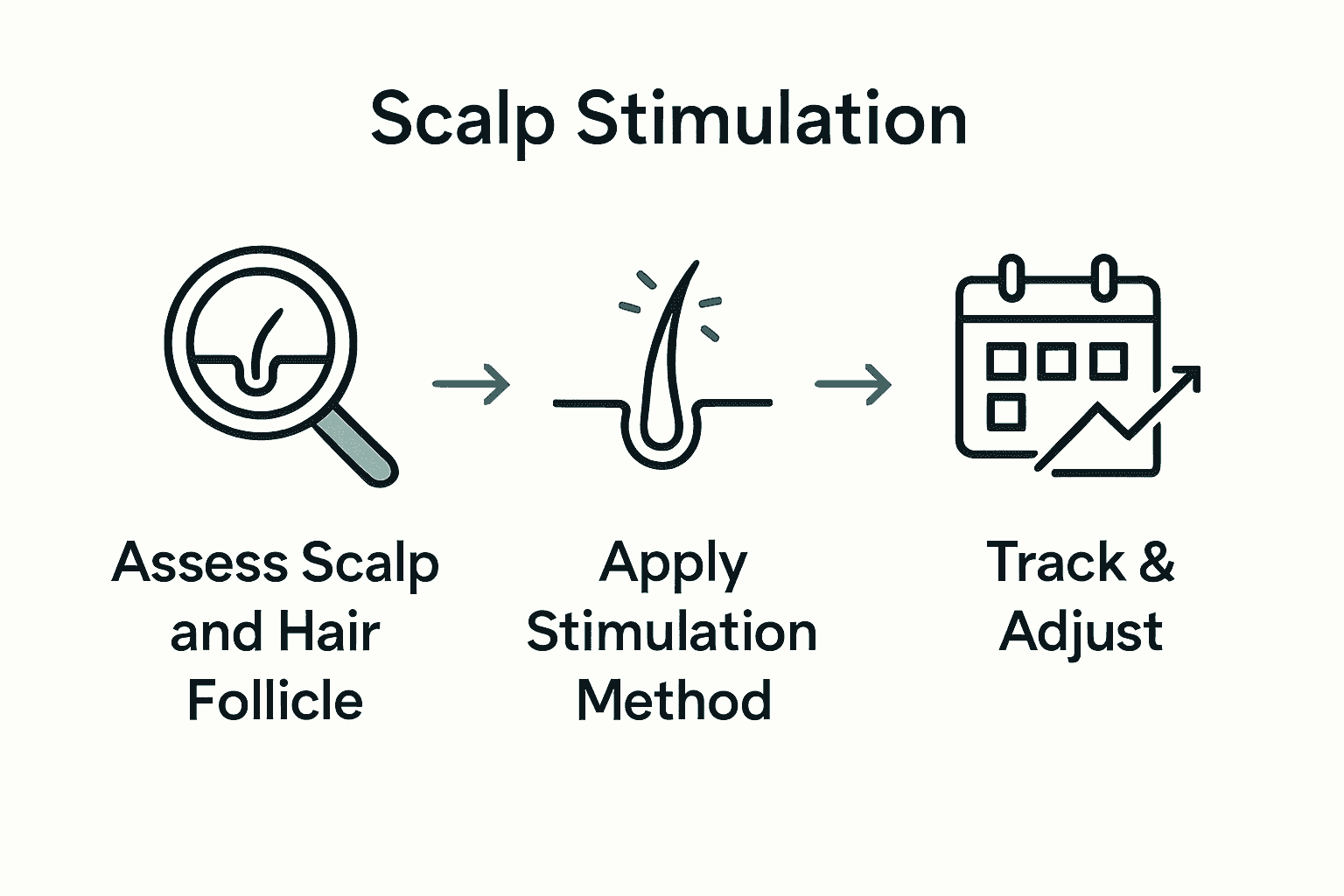
- Step 1: Assess scalp and follicle condition
- Step 2: Select effective follicle-stimulating methods
- Step 3: Incorporate targeted hair care routines
- Step 4: Monitor hair growth and adjust strategies
Quick Summary
| Key Point | Explanation |
|---|---|
| 1. Assess your scalp health first | Start with a thorough evaluation of your scalp to understand its condition and hair follicle status. |
| 2. Choose scientifically-backed stimulation methods | Opt for methods like photobiomodulation or growth factor therapies for effective hair follicle activation. |
| 3. Develop a consistent hair care routine | Implement daily practices like scalp massages and use of hair growth products to support sustained growth. |
| 4. Monitor your progress regularly | Keep track of changes in hair density, shedding rates, and overall scalp condition for effective adjustments. |
Step 1: Assess scalp and follicle condition
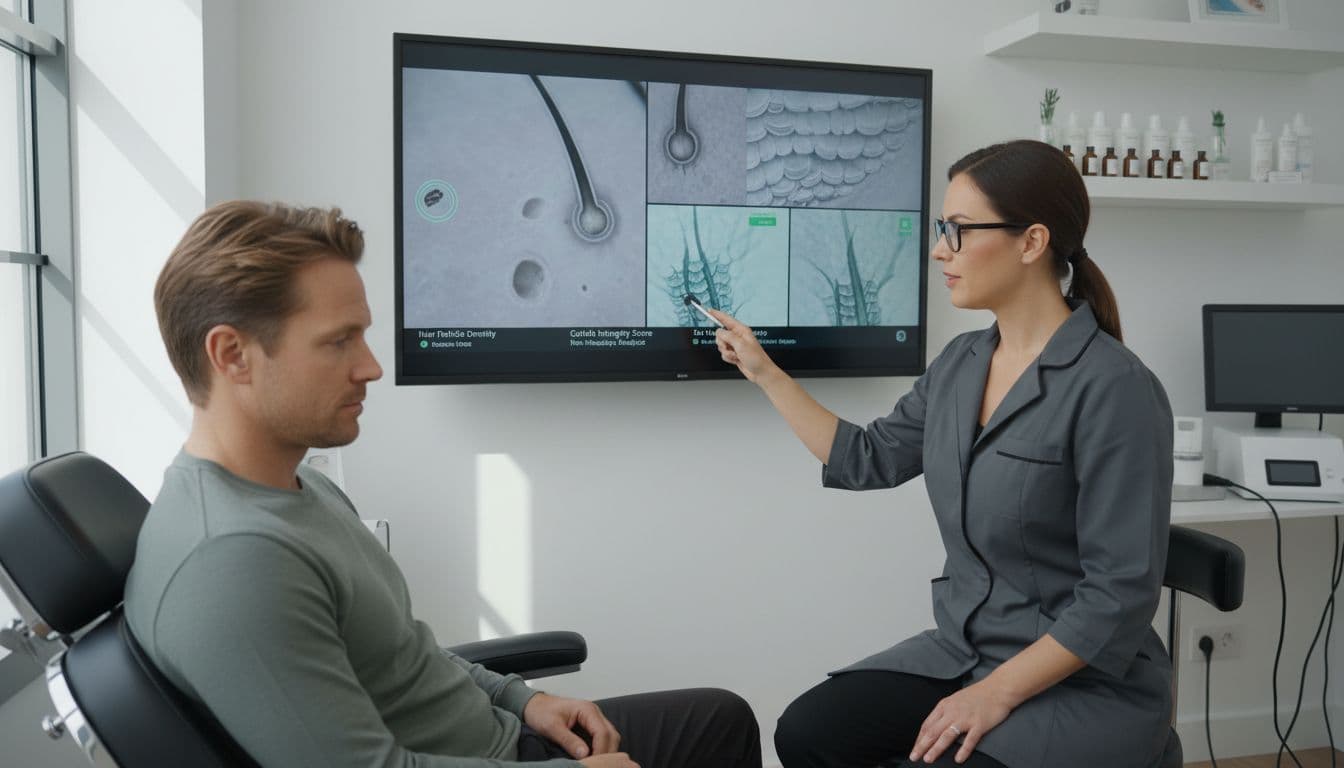
Before stimulating hair follicles, you need a clear understanding of your current scalp health and follicular condition. This initial assessment will help you develop a targeted strategy for hair growth. Using advanced diagnostic techniques can provide precise insights into your scalp's unique characteristics.
According to research in NCBI, reflectance confocal microscopy (RCM) offers an innovative non invasive method to examine your scalp at a cellular level. This advanced imaging technique allows real time visualization of hair shaft structures without requiring any tissue removal. By using RCM, you can measure critical factors like hair shaft thickness and cuticle integrity.
To conduct a thorough assessment, start by examining your scalp under good lighting. Look for signs such as:
- Scalp color and texture variations
- Presence of dandruff or dry patches
- Hair density across different areas
- Signs of inflammation or unusual skin conditions
For a comprehensive understanding, consider consulting a professional who can perform detailed microscopic evaluations. Hair Follicle Growth: Expert Tips and Tracking for 2025 can provide additional insights into professional assessment techniques.
Don't rush this initial examination. A careful, methodical approach will give you the most accurate baseline for tracking your hair growth journey. Understanding your starting point is crucial for developing an effective stimulation strategy.
Step 2: Select effective follicle-stimulating methods
Choosing the right methods to stimulate hair follicles is crucial for promoting healthy hair growth. Your goal is to select scientifically backed techniques that can effectively activate and support your hair follicles through targeted approaches.
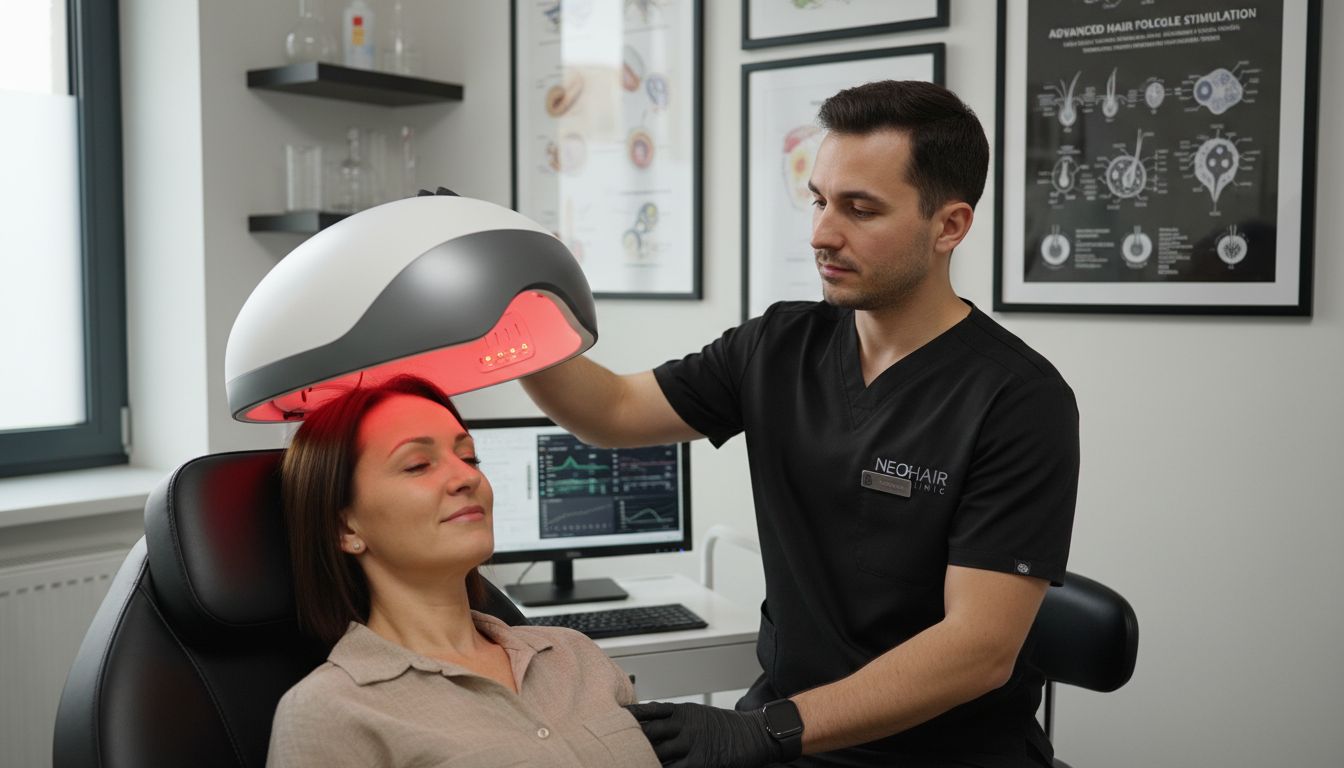
Research from NCBI highlights photobiomodulation (PBM) or low-level light therapy as an innovative non-invasive treatment. This technique uses specific light wavelengths to stimulate hair follicles, helping transition them from the resting phase to the active growth phase. By modulating the hair growth cycle, PBM can increase hair density and reduce unwanted shedding.
Another promising approach involves advanced growth factor therapies. According to scientific studies, growth factors like vascular endothelial growth factor (VEGF), insulin-like growth factor-1 (IGF-1), and fibroblast growth factor-7 (FGF-7) play critical roles in hair follicle proliferation. Innovative delivery systems such as microneedles and nanocarriers have been developed to enhance the targeted release of these growth-promoting compounds.
When selecting your stimulation methods, consider these key factors:
- Your specific hair and scalp condition
- Potential allergies or sensitivities
- Ease of application
- Scientific evidence supporting the method
Understanding How to Improve Scalp Health can provide additional context for making informed decisions about your hair growth strategy.
Remember that individual responses vary. What works brilliantly for one person might yield different results for another. Patience and consistent application are key to seeing meaningful improvements in your hair growth journey.
Step 3: Incorporate targeted hair care routines
Developing a strategic hair care routine is essential for promoting sustained hair growth and maintaining overall scalp health. Your daily and weekly practices can significantly impact follicle stimulation and hair regeneration.
Research highlights the effectiveness of specific treatments in supporting hair growth. According to NCBI, topical minoxidil offers a scientifically proven approach by increasing blood circulation in hair follicles. This medication helps transition hair follicles from the shedding phase to the active growth phase, effectively prolonging the hair growth cycle.
Traditional herbal treatments also demonstrate promising results. Studies have shown that Bhringraj (Eclipta Alba) extract can promote hair follicle activation during the telogen phase. Its rich vitamin E content nourishes the scalp, strengthens hair strands, and provides essential moisture to support follicle health.
To create an effective hair care routine, consider incorporating these key elements:
- Daily scalp massage to stimulate blood flow
- Consistent use of targeted hair growth products
- Gentle cleansing techniques
- Balanced nutrition supporting hair health
- Protection from environmental damage
My Haircare Routine 2025: Simple Yet Effective Steps can provide additional insights into developing a comprehensive approach to hair care.
Remember that consistency is key. Your hair care routine is a long term commitment that requires patience and dedication. Stay motivated by tracking your progress and celebrating small improvements along your hair growth journey.
Step 4: Monitor hair growth and adjust strategies
Tracking your hair growth progress is crucial for understanding the effectiveness of your chosen stimulation methods and making informed adjustments to your hair care approach. Consistent monitoring allows you to identify what works best for your unique scalp and hair characteristics.
Advanced diagnostic techniques offer precise insights into your hair growth journey. According to NCBI, reflectance confocal microscopy (RCM) provides a non-invasive method for real-time cellular-level imaging. This innovative technology enables you to evaluate your hair follicles response to treatments, helping you make data-driven decisions about your hair growth strategy.
Research also suggests that combining monitoring techniques can optimize results. Clinical studies on microneedling treatments demonstrate that regular assessments can help fine-tune treatment frequency and ingredient combinations. This approach allows for personalized adjustments that maximize your hair growth potential.
To effectively monitor your hair growth, consider these tracking methods:
- Take monthly progress photos from consistent angles
- Measure hair density and thickness
- Track hair shedding rates
- Record changes in scalp condition
- Document your treatment routine and observations
Hair Growth Progress: Proven Tips & Trends for 2025 can provide additional guidance on systematic progress tracking.
Remember that hair growth is a gradual process. Stay patient, consistent, and objective in your observations. Small incremental changes often indicate youre on the right path, so dont get discouraged by slow progress.
Unlock Your Hair Growth Potential with Personalized Insights
Struggling to effectively stimulate your hair follicles can be frustrating. The article highlights key challenges such as assessing scalp health, choosing the right stimulation methods, and tracking progress to achieve lasting hair growth. If you feel overwhelmed by the technical details of treatments like photobiomodulation or growth factor therapies, you are not alone. These complex steps demand a personalized approach that fits your unique scalp condition and hair goals.
At MyHair.ai, we simplify this journey by using advanced AI technology to analyze your hair health and offer tailored recommendations. Whether you want to understand your follicle condition in depth or find the right hair care routine to complement growth stimulation, our platform has you covered. Hair Growth Progress: Proven Tips & Trends for 2025 and Understanding How to Improve Scalp Health offer expert advice integrated with your personalized data.
Discover the confidence of a customized hair growth plan backed by real-time scalp analysis.
Take control now and start your transformation with MyHair.ai.
Experience tailored hair health analysis and product recommendations designed just for you. Don’t wait for slow progress. Visit MyHair.ai today and unlock your hair’s full potential.
Frequently Asked Questions
How can I assess my scalp and follicle condition before stimulating hair growth?
To assess your scalp and follicle condition, examine your scalp for variations in color and texture, as well as the presence of dandruff or dry patches. Take note of hair density and any signs of inflammation. Regularly check these factors over a few weeks to establish a baseline for tracking progress.
What follicle-stimulating methods are considered effective for hair growth?
Effective follicle-stimulating methods include low-level light therapy and advanced growth factor therapies. To start, explore options such as photobiomodulation or consider integrating growth factors into your routine through specialized treatments.
How do I create a targeted hair care routine to support follicle stimulation?
To create a targeted hair care routine, incorporate daily scalp massages and use hair growth products regularly. Make it a habit to maintain gentle cleansing techniques and ensure a balanced diet to nourish your scalp weekly for optimal results.
What steps should I take to monitor my hair growth progress?
To monitor your hair growth progress effectively, take monthly photos from the same angles and document hair density and shedding rates. Keep a consistent record of your scalp condition and any changes observed to adjust your strategies accordingly.
How long does it typically take to see results from follicle-stimulating methods?
You can often start seeing initial results from follicle-stimulating methods within 30-60 days. Stay committed to your chosen routine to maximize results and be patient as hair growth can be gradual.
Why is it important to assess my scalp before starting hair stimulation treatments?
Assessing your scalp before starting treatments is crucial to understanding its unique condition and tailoring your approach effectively. A thorough examination can help identify underlying issues that could affect your hair growth journey, ensuring you address them directly.