TL;DR:
- Hair thickness in men depends on follicle size, scalp health, and strand quality, which decline with miniaturization. Medical treatments like minoxidil and finasteride can thicken hair by addressing hormonal causes and stimulating growth, especially if started early. Combining proper nutrition, grooming habits, and medical interventions offers the best chance for thicker, healthier hair.
Hair thickness in men is determined by follicle diameter, strand density, and the health of your scalp. When DHT (dihydrotestosterone) binds to genetically sensitive follicles, it triggers a process called follicle miniaturization, gradually producing thinner, shorter strands until growth stops entirely. The good news: you can make hair thicker male by combining FDA-approved medical treatments, targeted nutrition, and smart grooming habits. This guide covers what the science actually supports, realistic timelines, and the mistakes most men make when trying to get thicker hair.
What biological factors control hair thickness in men?
Hair thickness and hair density are two different things. Thickness refers to the diameter of each individual strand. Density refers to how many follicles you have per square centimeter of scalp. Both decline in men with androgenetic alopecia, the clinical term for male pattern hair loss.
Follicle miniaturization is the core mechanism. DHT binds to receptors in genetically predisposed follicles, shrinking them over successive growth cycles. Each cycle produces a thinner, shorter strand until the follicle goes dormant. This process can begin as early as your mid-20s.
Several factors accelerate or slow this process:
- DHT sensitivity: Inherited from either parent; determines how aggressively follicles respond to the hormone
- Scalp circulation: Poor blood flow reduces nutrient delivery to follicles, weakening strand production
- Nutrition: Deficiencies in protein, zinc, and iron directly impair keratin synthesis
- Grooming habits: Harsh chemicals, excessive heat, and tight hairstyles cause mechanical damage that compounds thinning
- Stress and sleep: Chronic stress elevates cortisol, which disrupts the hair growth cycle
Understanding key concepts in male hair thickness helps you target the right intervention. Treating scalp inflammation or correcting a zinc deficiency will not stop DHT-driven miniaturization. Each factor requires its own approach.
How do clinically proven treatments make hair thicker for men?
Medical treatments are the most direct way to thicken hair for men because they address the biological root causes rather than masking symptoms. Two FDA-approved options lead the evidence base: minoxidil and finasteride.
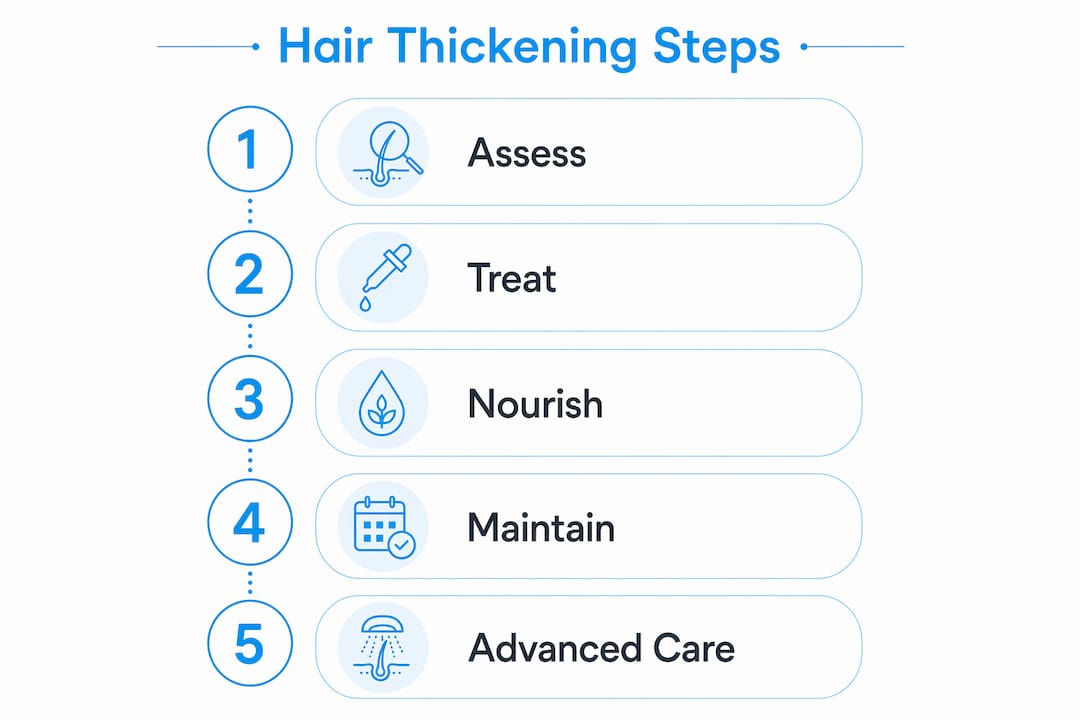
-
Minoxidil (topical or oral): Applied twice daily, minoxidil stimulates follicle activity and prolongs the anagen (growth) phase. Results peak at 6–12 months and are most visible at the crown. It works regardless of the cause of thinning, making it a solid first-line option.
-
Finasteride (oral, 1mg daily): Finasteride reduces scalp DHT by approximately 60%, halting loss in 80–90% of men and producing visible regrowth in 60–70%. Maximum effect takes 1–2 years. It targets the hormonal cause directly, which makes it especially effective for men with androgenetic alopecia.
-
Dutasteride: A stronger DHT blocker than finasteride, used off-label in some cases. It inhibits both type I and type II 5-alpha reductase enzymes. Consult a dermatologist before starting.
-
Platelet-rich plasma (PRP) injections: PRP involves injecting concentrated growth factors from your own blood into the scalp. Evidence is promising but less consistent than minoxidil or finasteride. Best used as an adjunct, not a standalone treatment.
-
Combination therapy: Stacking minoxidil and finasteride produces better outcomes than either alone. Most hair loss specialists recommend this pairing for men with moderate thinning.
Pro Tip: Start treatment as early as possible. Treatments begun between ages 25–35 preserve significantly more follicles than those started after heavy visible loss. Once a follicle is permanently lost, no current treatment can revive it.
Consistency is non-negotiable. Stopping minoxidil causes shedding to resume within months. Finasteride requires ongoing use to maintain DHT suppression. Think of these as long-term commitments, not short-term fixes.
What nutrients support thicker hair growth in men?
Nutrition is the foundation that medical treatments build on. Without adequate protein, vitamins, and minerals, even the best topical treatment will underperform. The best foods for hair growth supply the raw materials your follicles need every day.
Protein is the most critical nutrient. Protein deficiency weakens the hair shaft, causes thinning, and accelerates shedding because keratin, the structural protein of hair, cannot be synthesized without adequate dietary intake. Men aiming for thicker hair should prioritize eggs, chicken, fish, and legumes at every meal.
Key micronutrients for follicle health:
- Zinc: Men need 8–12 mg of zinc daily to support hair growth. Two medium oysters cover that requirement. Zinc deficiency is one of the most common and correctable causes of hair thinning.
- Iron: Low ferritin (stored iron) is a well-documented trigger for diffuse hair loss in men. Red meat, spinach, and lentils are reliable sources.
- Biotin (Vitamin B7): Biotin supplementation only helps if you are deficient. Most men eating a balanced diet get enough. Supplementing without deficiency produces no measurable benefit.
- Vitamin D: Follicle receptors require Vitamin D for normal cycling. Deficiency is widespread, especially in northern climates.
- Vitamins C and E: Both support collagen production and protect follicles from oxidative damage.
| Nutrient | Primary role | Top food sources |
|---|---|---|
| Protein | Keratin synthesis, shaft strength | Eggs, chicken, fish, legumes |
| Zinc | Follicle repair and function | Oysters, beef, pumpkin seeds |
| Iron | Oxygen delivery to follicles | Red meat, spinach, lentils |
| Vitamin D | Hair cycle regulation | Fatty fish, fortified dairy, sunlight |
| Biotin | Keratin infrastructure | Eggs, almonds, sweet potato |
Supplements fill gaps but cannot replace whole foods. A blood panel from your doctor will identify specific deficiencies so you target what your body actually needs.
What daily habits and styling techniques make hair look fuller?
Grooming habits either compound thinning or work against it. The right routine adds visible volume without damaging the follicles you still have.
Washing frequency matters. Washing with a gentle shampoo 2–3 times weekly removes sebum and product buildup that causes scalp inflammation. Inflammation accelerates follicle damage. Overwashing strips protective oils and dries the scalp. Both extremes hurt. A thickening shampoo for hair loss formulated with ingredients like ketoconazole or saw palmetto adds a practical layer of support.
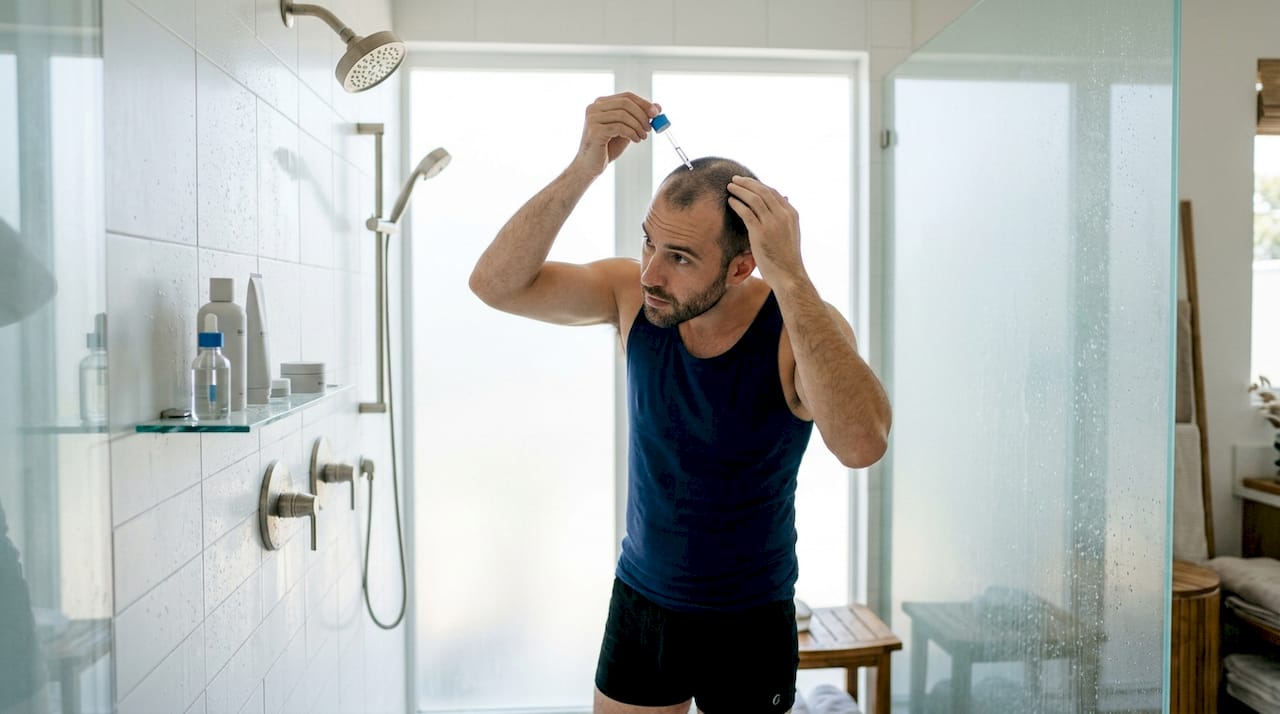
Scalp massage builds thickness over time. Regular scalp massages over 24 weeks increase hair thickness by influencing gene expression related to hair growth. Four minutes daily with firm circular pressure is the studied protocol. This costs nothing and has no side effects.
Pro Tip: Apply a few drops of rosemary oil to your scalp before massaging. Rosemary oil has shown comparable results to 2% minoxidil in some studies for stimulating follicle activity.
Styling choices create immediate visual impact:
- Haircut selection: Short, textured cuts like crew cuts and buzz cuts reduce the contrast between hair and scalp, making thinning far less visible. Longer hair on top with tight sides creates the illusion of volume.
- Styling products: Mousse applied to damp hair adds lift at the root. Sea salt sprays create texture that makes individual strands appear thicker. Avoid heavy waxes and pomades, which flatten hair and highlight scalp.
- Heat and chemical damage: Blow-drying on high heat and using harsh chemical treatments weaken the shaft. Use a low heat setting and a heat protectant spray.
One myth worth addressing directly: shaving your head does not cause thicker regrowth. The blunt tip of a freshly shaved hair feels coarser, but the follicle itself is unchanged. Shaving is a styling choice, not a treatment.
When should you consider hair transplants or advanced therapies?
Hair transplants are the most permanent solution for men with significant thinning. Transplants relocate DHT-insensitive follicles from the back and sides of the scalp to thinning areas. Because these donor follicles are genetically resistant to DHT, the transplanted hair grows permanently.
Two primary surgical methods exist:
| Method | Technique | Best for |
|---|---|---|
| FUE (Follicular Unit Extraction) | Individual follicles extracted one by one | Minimal scarring, smaller sessions |
| FUT (Follicular Unit Transplantation) | Strip of scalp removed, follicles dissected | Larger coverage, single session |
Transplants require ongoing medication. The surrounding native hair continues to thin without finasteride or minoxidil. A transplant without medical maintenance often looks unnatural within a few years as the non-transplanted hair recedes further.
Low-level laser therapy (LLLT) is an emerging option with growing evidence. Devices like laser combs and helmets emit red light at specific wavelengths to stimulate follicle metabolism. Results are modest compared to finasteride but meaningful as an adjunct for men who cannot tolerate oral medications. A dermatologist or hair restoration specialist can assess whether LLLT fits your specific pattern of loss.
Key Takeaways
Combining medical treatment, targeted nutrition, and consistent grooming is the most effective approach to thicker hair for men, and starting early preserves the most follicles.
| Point | Details |
|---|---|
| Start treatment early | Beginning minoxidil or finasteride between ages 25–35 preserves significantly more follicles than waiting. |
| Target DHT directly | Finasteride reduces scalp DHT by approximately 60%, halting loss in 80–90% of men. |
| Fix nutritional gaps first | Zinc, iron, and protein deficiencies impair keratin synthesis and must be corrected for treatments to work. |
| Use styling to your advantage | Short, textured cuts and scalp massages create visible thickness without any medication. |
| Transplants need maintenance | Hair transplants are permanent only when combined with ongoing medical treatment for surrounding hair. |
What I've learned from watching men treat thinning hair
The biggest mistake I see men make is waiting. They notice the hairline shifting at 28, tell themselves it is not that bad, and finally seek help at 38 when the options are far more limited. Once follicles are permanently lost, no cream, supplement, or laser brings them back. The men who get the best results are the ones who act when they still have something to preserve.
The second mistake is treating this as a single-variable problem. Men start finasteride and expect it to do everything. Or they buy an expensive shampoo and ignore their diet. The reality is that hair thickness responds to a system: hormonal control, nutritional support, scalp health, and smart styling working together. Remove any one piece and the results plateau.
I also want to push back on the shame around styling. Choosing a crew cut or a textured crop because it suits your current hair is not giving up. It is a practical decision that makes you look better right now while your treatments work in the background. The men who insist on keeping length to "cover" thinning areas almost always look worse than those who embrace a shorter, structured cut.
Use tools that give you real data. Myhair's AI-powered analysis tracks your scalp condition over time, which means you can see whether your current approach is working before the changes become visible to the naked eye. Guessing is expensive. Knowing is not.
— Cyriac
How Myhair's AI analysis helps men get thicker hair
Knowing which treatments to prioritize is harder than it sounds. Thinning patterns vary, deficiencies differ, and what works for one man may not work for another.
Myhair uses AI to analyze your scalp and hair condition from a simple scan, then delivers a personalized assessment of your hair health. The AI-powered hair analysis identifies your specific thinning pattern, tracks changes over time, and recommends treatments matched to your actual condition. You stop guessing and start acting on real data. The hair score tool gives you a baseline so you can measure whether your current routine is producing results. For men serious about thicker hair, that kind of precision changes everything.
FAQ
What is the fastest way to make hair thicker for men?
Minoxidil applied twice daily produces visible results in 6–12 months and is the fastest clinically proven method for crown thinning. Combining it with finasteride accelerates results further.
Does finasteride actually regrow hair?
Finasteride regrows visible hair in 60–70% of men and halts loss in 80–90%, with maximum effect reached in 1–2 years of daily use.
Can diet alone make male hair thicker?
Diet alone cannot reverse DHT-driven miniaturization, but correcting deficiencies in zinc, iron, and protein removes a major barrier to follicle health and improves the effectiveness of medical treatments.
How often should men wash their hair when it is thinning?
Washing with a gentle shampoo 2–3 times weekly removes buildup and reduces scalp inflammation without stripping protective oils that support follicle health.
At what age should men start treating hair thinning?
Starting treatment between ages 25–35 yields significantly better outcomes than waiting, because more follicles are still active and capable of responding to minoxidil or finasteride.