TL;DR:
- Hair growth depends on genetics, nutrition, hormones, age, and scalp health, which influence follicle activity. Addressing underlying causes like deficiencies, stress, or inflammation offers the best chance for improving hair density. External products alone cannot significantly alter the natural growth rate or prevent hereditary hair loss.
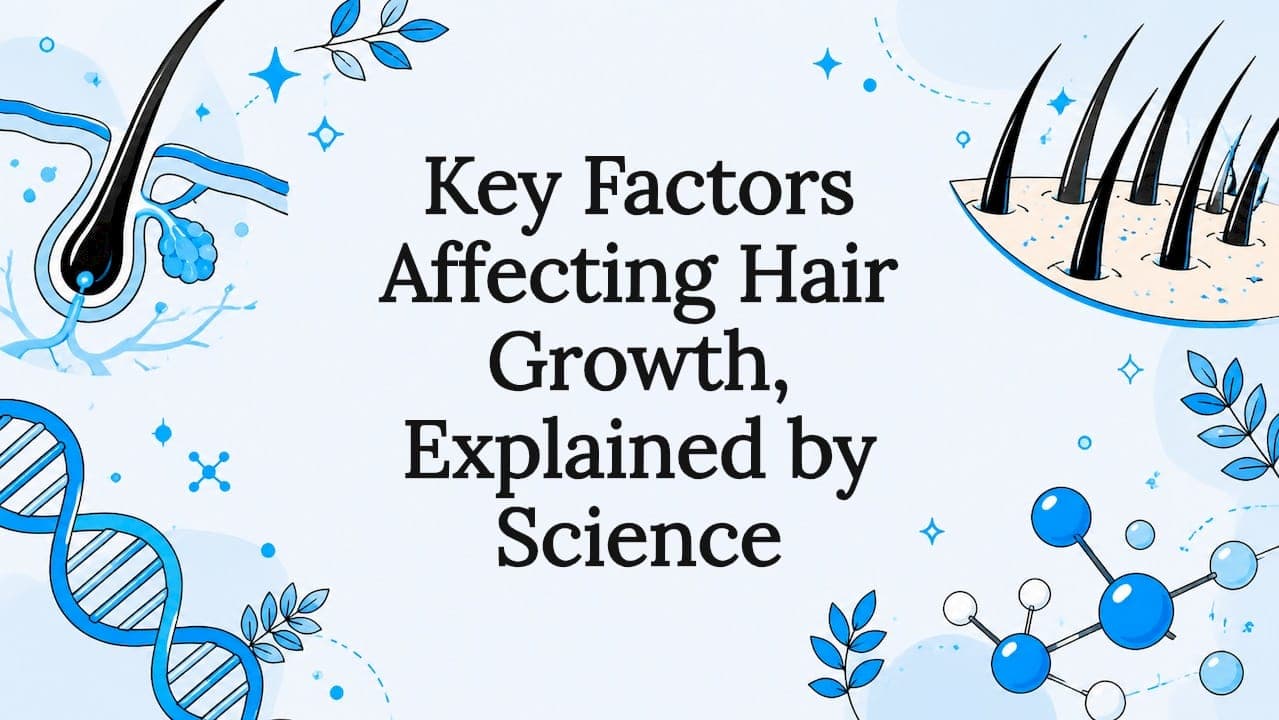
Hair growth is defined as the cyclical biological process by which hair follicles produce new strands through alternating phases of growth, transition, and rest. The factors affecting hair growth span genetics, nutrition, hormones, stress, age, and environmental exposure. Each one acts directly on the hair follicle, the living structure beneath your scalp that determines whether your hair grows thick, thin, fast, or not at all. Understanding these factors gives you a real basis for making better decisions about your hair care, rather than chasing myths or wasting money on products that cannot work.
1. Genetic factors in hair loss and growth rate
Genetics set the baseline for almost everything about your hair. Your genes determine follicle density, hair texture, growth rate, and your likelihood of experiencing androgenetic alopecia, the most common form of hereditary hair loss. This condition causes follicular miniaturization, a process where follicles gradually shrink and produce thinner, shorter strands until they stop producing hair altogether.

The timing of genetic hair loss follows predictable patterns. Male pattern hair loss typically appears around age 30 and can progress to significant baldness by age 60. Female pattern thinning generally begins between ages 30 and 50, presenting as diffuse thinning across the crown rather than a receding hairline. Knowing your family history gives you a useful early warning.
Pro Tip: If close relatives on either side of your family experienced significant hair thinning before age 50, consider getting a baseline scalp assessment in your late 20s rather than waiting for visible loss.
2. Age and follicle stem cell activity
Age reduces the regenerative capacity of hair follicles. As you get older, follicle stem cells become less active, growth phases shorten, and resting phases lengthen. The result is hair that grows more slowly and sheds more easily. Some follicle stem cells become locked in a dormant state at the molecular level, resisting regrowth even when growth-promoting treatments are applied. This explains why older adults often see limited results from products that work well in younger people.
Age-related changes also affect hair pigmentation, shaft diameter, and scalp sebum production. Thinner shafts and a drier scalp together make hair look less full even when follicle count stays the same.
3. Nutrition and hair follicle metabolism
Hair follicles are among the most metabolically active structures in the human body. They require a steady supply of protein, iron, zinc, biotin, vitamin D, and essential fatty acids to complete each growth cycle. Deficiencies in iron, zinc, biotin, and vitamin D disrupt keratin synthesis and mitochondrial function, both of which are critical for healthy strand production.
Iron deserves particular attention. Iron deficiency impairs oxygen transport to matrix cells inside the follicle, increasing shedding risk. This is one reason why women of reproductive age experience disproportionately high rates of hair thinning. The fix is dietary, not cosmetic.
Key nutrients for follicle health include:
- Iron: Supports oxygen delivery to actively dividing follicle cells
- Zinc: Regulates follicle cycling and protein synthesis
- Biotin: Aids keratin infrastructure; deficiency is rare but impactful
- Vitamin D: Activates follicle receptors involved in the growth phase
- Protein: The raw material for keratin, the structural protein in every strand
For deeper guidance on hair nutrition food and which dietary patterns support growth, the specifics matter more than general advice.
Pro Tip: Supplements for hair growth work only when a deficiency exists. A well-nourished person taking extra biotin will not grow hair faster. Get bloodwork done before buying supplements.
4. Hormones and hair growth cycles
Hormones regulate every phase of the hair growth cycle. Androgens, particularly dihydrotestosterone (DHT), bind to receptors in genetically sensitive follicles and trigger miniaturization. Higher DHT sensitivity in certain follicles explains why some areas of the scalp thin while others remain unaffected.
Thyroid hormones also play a direct role. Both hypothyroidism and hyperthyroidism disrupt follicle cycling, producing diffuse shedding across the entire scalp rather than the patterned loss seen with DHT. Estrogen and progesterone fluctuations during pregnancy, postpartum recovery, and menopause create additional shifts in hair density that many people find alarming but are largely predictable.
"Hormonal imbalances affecting hair are rarely isolated events. They reflect systemic changes in metabolism, inflammation, and cellular signaling that require a whole-body approach to address effectively."
Understanding hormones and hair growth means recognizing that no single hormone acts alone. The interaction between androgens, thyroid hormones, and estrogen creates the full picture of your hair's hormonal environment.
5. The impact of stress on hair
Stress triggers the hypothalamic-pituitary-adrenal (HPA) axis, which releases cortisol as part of the body's threat response. Elevated cortisol inhibits hair matrix cell proliferation, prematurely pushing follicles from the active growth phase into the resting phase. The clinical result is telogen effluvium, a condition where large numbers of hairs shed simultaneously, typically two to three months after the stressful event.
Telogen effluvium resolves within 6–8 months after the stress is removed in most cases. Postpartum hair loss, a specific form triggered by the hormonal crash after delivery, can persist for up to two years. The shedding feels alarming, but the follicles remain intact and capable of regrowth.
Chronic stress is the more serious concern. Sustained HPA axis activation alters the immune environment around follicles and can cause lasting disruption to growth cycling. Managing stress is not optional advice for hair health. It is a clinical necessity.
6. Scalp health and the follicle environment
A healthy scalp is the foundation of healthy hair. Chronic scalp inflammation exhausts follicle stem cells, limiting regrowth even when topical treatments are applied consistently. Scalp microbiome imbalance, where harmful microorganisms outcompete beneficial ones, increases follicle miniaturization risk and creates a hostile environment for new growth.
Scalp inflammation can come from multiple sources: seborrheic dermatitis, contact dermatitis from harsh shampoos, mechanical stress from tight hairstyles, and oxidative damage from UV radiation and pollution. Each source compounds the others. Addressing scalp health often produces more visible improvement than any hair growth supplement.
Pro Tip: Scalp massages performed for four minutes daily have been studied for their effect on follicle thickness. The mechanism is increased blood flow to the dermal papilla, the structure that feeds each follicle.
7. Environmental exposures and oxidative stress
UV radiation, air pollution, cigarette smoke, and chemical treatments all generate free radicals that damage follicle DNA and disrupt the proteins that form each hair shaft. Oxidative stress at the follicle level accelerates the transition from growth to shedding phases. People living in high-pollution urban areas show measurably higher rates of hair thinning compared to those in lower-pollution environments.
Chemical treatments including bleach, relaxers, and permanent color do not damage the follicle directly since they act on the shaft above the scalp. However, repeated chemical exposure weakens the shaft to the point of breakage, which creates the appearance of slower growth even when follicle function is normal.
8. Hair growth rate and what is actually normal
Human hair grows at an average rate of about 0.5 inches per month, totaling roughly 6 inches per year. That rate varies by genetics, age, nutrition, and health status. It is not meaningfully changed by any topical product currently available without a prescription.
Knowing this baseline matters because it sets realistic expectations. If your hair grows 0.5 inches per month and you want 6 inches of new growth, you are looking at a full year regardless of what you apply to your scalp. Products that promise faster growth without addressing underlying deficiencies or hormonal issues are not delivering on that promise.
9. Common hair growth myths, clarified
Several widely repeated beliefs about hair growth are simply wrong, and acting on them wastes time and money.
- Trimming makes hair grow faster. Hair growth occurs at the follicle, not the ends. Trimming every 8–12 weeks prevents breakage and maintains appearance, but it does not change growth speed.
- Scalp needs to breathe. Follicle oxygenation comes from blood supply, not air contact. Wearing hats does not cause androgenetic alopecia.
- Plucking a gray hair causes more grays. Each follicle operates independently. Plucking one gray does not affect neighboring follicles.
- Natural oils applied to the scalp regrow hair. Oils condition the shaft and may reduce breakage, but no topical natural remedy has clinical evidence for regrowing hair lost to androgenetic alopecia.
"The most dangerous hair myths are the ones that delay people from seeking real treatment. Believing a coconut oil massage will reverse androgenetic alopecia costs years of follicle function that cannot be recovered."
For a full breakdown of what the science actually supports, the supplements for hair growth guide separates evidence-based options from marketing claims.
Key takeaways
The most effective approach to hair growth is addressing the specific underlying factor causing the problem, whether that is a nutritional deficiency, hormonal imbalance, chronic stress, or scalp inflammation, rather than applying generic solutions.
| Point | Details |
|---|---|
| Genetics set the baseline | Androgenetic alopecia is inherited and begins as early as age 30 in men and 30–50 in women. |
| Nutrition drives follicle function | Deficiencies in iron, zinc, biotin, and vitamin D directly disrupt hair growth cycles. |
| Stress causes measurable shedding | Telogen effluvium from stress resolves in 6–8 months once the trigger is removed. |
| Scalp inflammation blocks regrowth | Chronic inflammation exhausts follicle stem cells, making treatments less effective. |
| Myths delay real solutions | Trimming, hat-wearing, and topical oils do not change growth rate or reverse genetic hair loss. |
What I have learned after years of watching people chase hair growth
The single biggest mistake I see is people treating hair loss as a cosmetic problem when it is almost always a physiological one. Someone buys an expensive shampoo when they are actually iron-deficient. Someone tries five different scalp serums when their real issue is chronic stress keeping their cortisol elevated for months at a time. The product is not the problem. The diagnosis is.
Nutrition and stress management are the two factors most people can actually change, and they are the two most consistently underestimated. I have seen people recover significant density simply by correcting a ferritin deficiency and adding consistent sleep. No prescription required. The catch is that results take four to six months to show up, and most people quit before they see them.
My honest opinion on supplements: they work when you are deficient and do nothing meaningful when you are not. The supplement industry profits from the gap between those two facts. Get bloodwork before you spend money on anything in a bottle.
The other thing worth saying plainly is that genetics are real. If your father and grandfather both lost significant hair by 40, you are likely on the same trajectory. That does not mean nothing can be done. It means the window for intervention is earlier than most people think, and waiting until loss is visible means waiting until follicles have already miniaturized.
Patience is not optional in hair growth. The biology moves slowly by design. The people who get results are the ones who address the right factor and then give it enough time to work.
— Cyriac
How Myhair uses AI to identify your specific growth factors
Understanding which factors are affecting your hair is the hard part. Myhair makes it concrete. The AI-powered hair scanner analyzes your scalp and strand condition from photos, producing a detailed assessment of follicle density, miniaturization patterns, and scalp health markers.
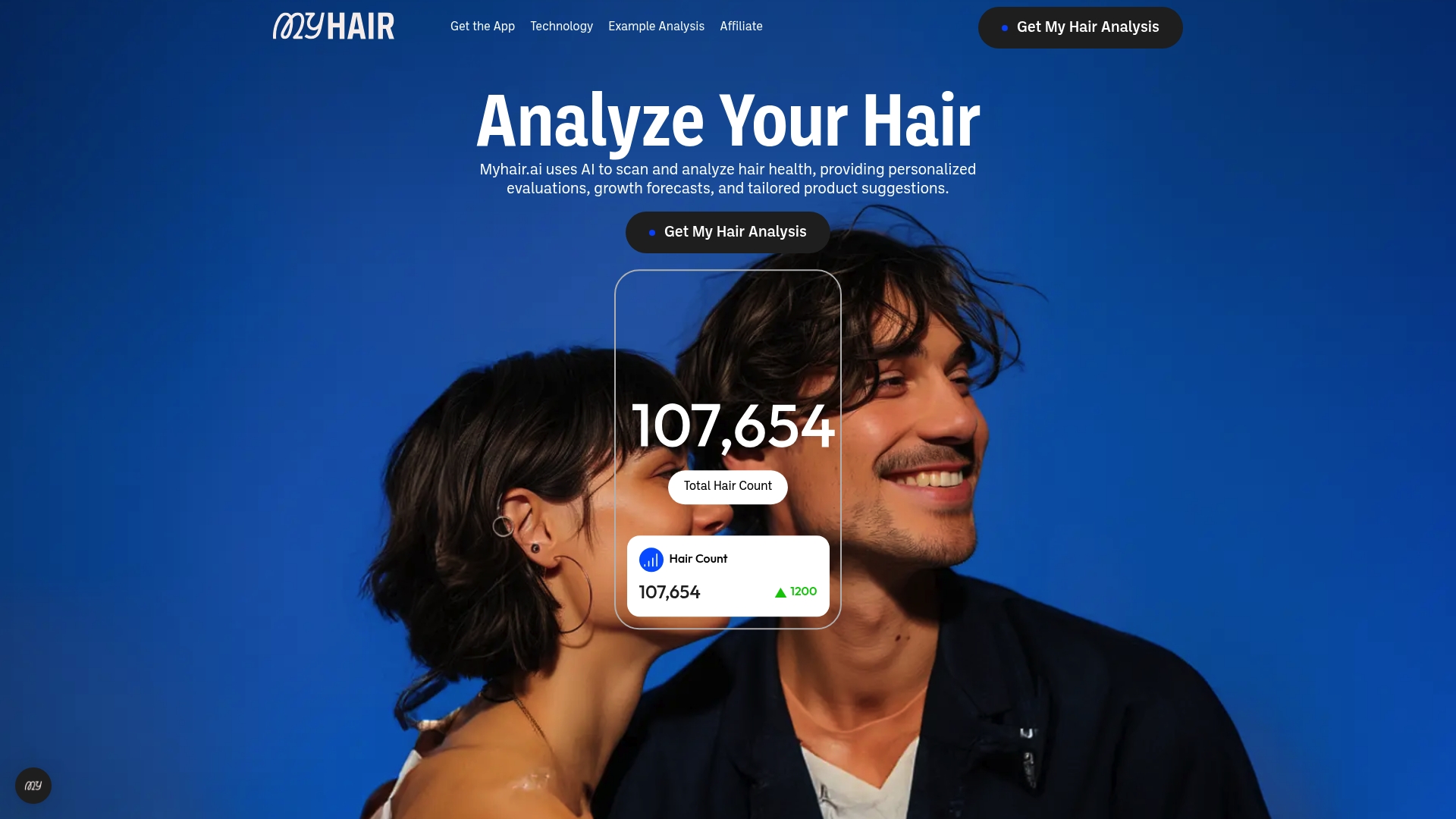
The hair score system translates that analysis into a clear, personalized rating with targeted recommendations based on your specific pattern. Instead of guessing whether your issue is nutritional, hormonal, or structural, you get a data-driven starting point. The onboarding process takes minutes and gives you a baseline you can track over time as you make changes to your routine or address underlying deficiencies.
FAQ
What is the average rate of hair growth per month?
Hair grows at approximately 0.5 inches per month, or about 6 inches per year. This rate varies based on genetics, age, and overall health status.
Can stress permanently stop hair from growing?
Acute stress causes telogen effluvium, which resolves within 6–8 months after the stressor is removed. Chronic, sustained stress can cause longer-lasting disruption to follicle cycling through HPA axis activation.
What vitamins are most important for hair growth?
Iron, zinc, biotin, and vitamin D are the nutrients most directly linked to follicle function and keratin production. Deficiencies in any of these disrupt the hair growth cycle measurably.
Does trimming hair make it grow faster?
No. Hair growth occurs at the follicle beneath the scalp, not at the ends. Trimming every 8–12 weeks prevents breakage and maintains appearance but does not affect growth speed.
How does scalp health affect hair regrowth?
Chronic scalp inflammation exhausts follicle stem cells and reduces the effectiveness of growth treatments. Maintaining a balanced scalp microbiome and reducing inflammation directly supports follicle regenerative capacity.