Protein, healthy fats, and enough carbohydrates to cover your daily energy needs are the three macronutrients that determine how strong your hair grows. Skimp on any one of them and hair follicles, which rank among the most metabolically active tissue in the body, start deprioritizing growth. Protein supplies the amino acids that become keratin, fats support the scalp barrier and calm inflammation, and carbohydrates keep enough energy flowing for follicle cells to keep dividing. A clinical review found that L-cystine paired with B vitamins improved anagen (growth-phase) hair rates in women with telogen effluvium, and Harvard Health advises confirming any deficiency with blood work before reaching for supplements. Tools like Myhair's scan tracking can help you see whether dietary changes are actually moving the needle.
- Protein builds the keratin structure of every strand.
- Fats (especially omega-3s) support scalp circulation and sebum balance.
- Carbohydrates fuel the high-energy work of follicle cell division.
Pro Tip: If you're cutting calories to lose weight, don't cut protein at the same time — keep sufficient protein at each meal so your body doesn't ration keratin production.
Key Takeaways
Hair strength depends on adequate protein for keratin synthesis, sufficient healthy fats for scalp health, and enough carbohydrate energy to keep follicle cells dividing without triggering shedding.
| Point | Details |
|---|---|
| Protein comes first | Aim for 20 to 30 grams per meal from eggs, fish, legumes, or tofu to supply keratin's building blocks. |
| Don't skip fats | Include fatty fish, walnuts, or flaxseed several times a week to support scalp circulation and reduce inflammation. |
| Avoid extreme carb cuts | Severe carbohydrate or calorie restriction is linked to increased shedding, so keep whole grains in the mix. |
| Test before you supplement | Confirm deficiencies with bloodwork (iron, vitamin D, thyroid) before starting any supplement. |
| Track results objectively | Myhair's scan-based tracking lets you measure whether dietary changes are actually improving hair density over time. |
Table of Contents
- Why Protein Is the Foundation for Hair Strength
- Do Healthy Fats Really Affect Hair Quality?
- Why Carbohydrates Matter for Hair Growth
- How Do Vitamins and Minerals Fit In With Macronutrients?
- What Does a Hair-Strengthening Day of Eating Look Like?
- When Should You See a Doctor About Hair Loss?
- See Your Progress, Not Just Your Plate
- Sources
- FAQ
Why Protein Is the Foundation for Hair Strength
Hair is almost entirely keratin, a structural protein built from amino acids your body pulls straight from food. That's worth repeating because it trips people up constantly: eating keratin itself, whether in a supplement or a "keratin-infused" shampoo you swallow by accident, does nothing. Your gut breaks all protein down into individual amino acids before absorption, so what matters is supplying the raw materials, particularly the sulfur-containing amino acids cystine (or its reduced form, cysteine) and methionine, which give keratin its strength and shape.
The evidence here isn't theoretical. A randomized, double-blind, placebo-controlled trial found that women with telogen effluvium who took L-cystine combined with B vitamins saw their hair shift back toward the growth (anagen) phase over six months. That's a meaningful signal for anyone whose shedding traces back to nutrition rather than genetics or a medical condition.
Practically, aim for a palm-sized portion of protein at each meal, spread across the day rather than loaded into one dinner.
- Eggs, fatty fish, and lean poultry deliver complete amino acid profiles.
- Legumes, tofu, and edamame work well for plant-forward eaters, though combining them with grains helps round out amino acid gaps.
- Greek yogurt and cottage cheese make an easy protein-dense snack.
Healthline notes that eggs also supply biotin and iron alongside their protein, a combination that supports the broader biosynthetic demands of hair growth.
Pro Tip: Pair a protein source with a vitamin C-rich food, like eggs with bell peppers or lentils with citrus, since vitamin C helps with the absorption of the iron that keratin production also depends on.
Do Healthy Fats Really Affect Hair Quality?
Yes, and the mechanism is more direct than most people assume. Essential fatty acids, particularly omega-3s, help regulate sebum production, support scalp circulation, and calm the low-grade inflammation that can choke off follicle activity over time. A scalp that's too dry or chronically inflamed struggles to support strong strand growth no matter how much protein you're eating.
Mayo Clinic Health System recommends that a meaningful share of daily calories come from healthy fats specifically to support skin, hair, and nail health, not just heart health.
- Fatty fish like salmon, sardines, and mackerel two to three times a week.
- A daily handful of walnuts or a tablespoon of ground flax or chia seeds.
- Soy products and plant oils like olive oil for cooking.
WebMD lists omega-3s alongside protein, iron, and B vitamins as core dietary priorities for hair strength, which lines up with how consistently fatty fish shows up across hair-health guidance.
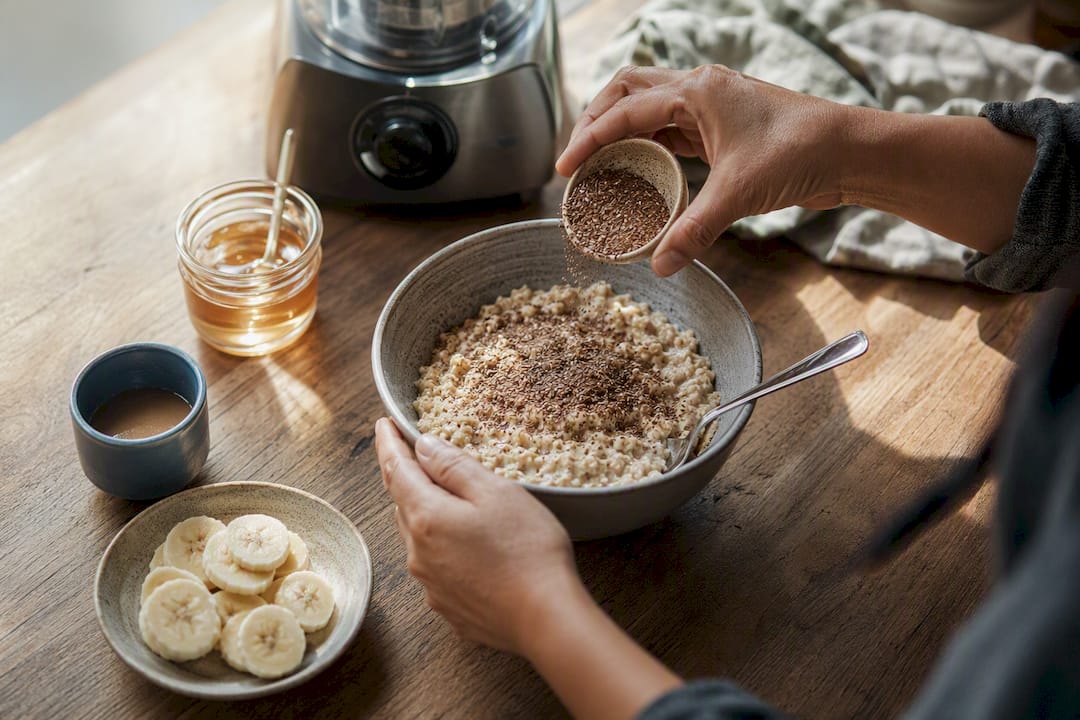
Pro Tip: Stir a tablespoon of ground flaxseed into oatmeal or a smoothie. It adds omega-3s without meaningfully raising your calorie count.
Why Carbohydrates Matter for Hair Growth
Hair follicles are metabolically expensive tissue. They demand a steady flow of energy to support the constant cell division that produces new hair, and carbohydrates are the body's most efficient fuel for that work. When carbohydrate intake drops sharply, as it does on very low-carb or aggressively calorie-restricted diets, the body starts rationing energy and hair growth often loses out first.
Mayo Clinic Health System's guidance points directly to this: drastic reduction in carbohydrate-derived calories can increase shedding. A broader systematic review of dietary factors and hair health also linked sugary and alcoholic beverages to increased hair loss risk, so the goal isn't unlimited carbs, it's the right kind, in the right amount.
- Choose whole grains, oats, and starchy vegetables over refined sugar.
- Pair carbs with your protein at meals rather than eating them isolated.
Cutting calories fast to lose weight is one of the most overlooked causes of hair thinning, precisely because the follicle is so energy-hungry that it's among the first tissues to feel a deficit.
Pro Tip: If you're dieting for weight loss, track total calories for two weeks. Unintentional under-eating is common and easy to miss.
How Do Vitamins and Minerals Fit In With Macronutrients?
Macronutrients supply the bulk material and energy, but vitamins and minerals are what let your body actually use them. Iron and vitamin D help regulate the hair growth cycle, B vitamins support energy metabolism inside follicle cells, and zinc plays a role in tissue repair. Protein without adequate iron, for instance, still leaves keratin production short-staffed.
The catch is that supplementing blindly doesn't reliably help. Harvard Health is direct about this: taking vitamins or minerals without a confirmed deficiency shows conflicting results, and popular choices like biotin can actually interfere with certain lab tests, muddying future diagnoses.
- Ferritin and iron studies to rule out iron-deficiency-related shedding.
- Vitamin D levels, since low levels correlate with hair loss patterns.
- A basic metabolic panel and thyroid screening (TSH).
Test before you supplement. A deficiency you can measure is worth correcting; a supplement taken on a hunch is, at best, a coin flip.
Pro Tip: Bring your lab results to your appointment printed or saved on your phone, and ask specifically which values fall outside the reference range before starting anything new.
What Does a Hair-Strengthening Day of Eating Look Like?
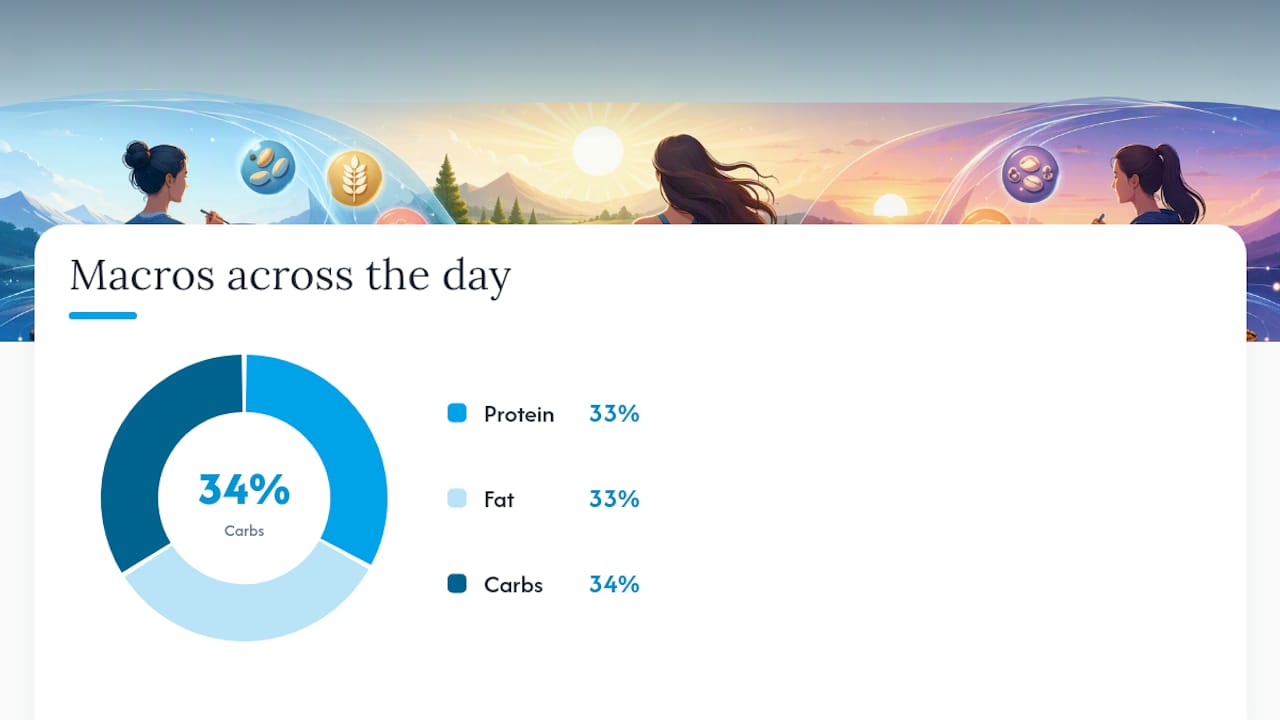
A realistic day covers all three macronutrient priorities without requiring a nutritionist's spreadsheet.
Breakfast: Two scrambled eggs, a slice of whole-grain toast, and half an avocado. That's protein, healthy fat, and carbohydrate energy in one plate.
Lunch: A grain bowl with quinoa, grilled salmon, and mixed greens dressed in olive oil.
Snack: Greek yogurt with walnuts and a handful of berries.
Dinner: Lean chicken or tofu stir-fried with brown rice and vegetables in a small amount of sesame oil.
Three swaps that make an outsized difference:
- Swap sugary cereal for eggs and fruit, cutting refined carbs while adding protein.
- Swap chips for walnuts and Greek yogurt, trading empty calories for omega-3s and protein.
- Swap a low-protein snack bar for edamame, which delivers plant protein and fiber together.
Shopping checklist: eggs, fatty fish, legumes, Greek yogurt, walnuts, flaxseed, olive oil, whole grains, and leafy greens. Myhair's food guide breaks these down further with specific recipe ideas if you want more structure.
Pro Tip: Batch cook a protein (grilled chicken, hard-boiled eggs, or baked tofu) at the start of the week. Sustainable nutrition changes fail less often when the protein is already ready to grab.
When Should You See a Doctor About Hair Loss?
Diet adjustments help a lot of cases, but certain signs mean it's time to stop experimenting and get evaluated. Rapid, diffuse shedding, distinct bald patches, or hair loss accompanied by fatigue, unexplained weight change, or sudden scalp irritation all warrant a visit to a clinician rather than another supplement purchase.
- Ferritin and iron studies, vitamin D, and a complete blood count are common starting points.
- Thyroid screening (TSH) rules out a common hormonal contributor.
- Targeted nutrient panels if history suggests a specific gap, like a restrictive diet.
Many nutritional causes of hair thinning improve once the underlying deficiency is corrected, which is exactly why testing before supplementing matters so much. A dermatologist or hair specialist becomes the right call if bloodwork comes back normal and shedding continues.
Pro Tip: Write down your diet history and any recent weight changes before your appointment. It saves time and gives your clinician a clearer starting point.
Applying This Without Overcomplicating It
Nutrition changes for hair rarely fail because the information is wrong. They fail because people expect results in three weeks and give up before the growth cycle even catches up. Hair growth timelines run in months, not days, so pairing dietary changes with a way to actually measure what's happening, like the scan-based tracking in the Myhair app, makes the wait easier to tolerate because you're watching real data instead of guessing.
Pro Tip: Set a check-in point at 90 days, not two weeks. That's roughly when follicle cycle changes start becoming visible.
See Your Progress, Not Just Your Plate
Eating better for your hair is only half the equation. The other half is knowing whether it's working, and most people never find out because they're relying on memory and a bathroom mirror. Myhair's AI-powered scan gives you an actual hair score and tracks density over time, so the protein-and-omega-3 changes you just read about get measured instead of guessed at.
Start with a baseline scan through Myhair's hair analysis onboarding before you change a single meal. That baseline is what turns "I think my hair looks fuller" into an actual trend line three months from now. If you're seeing rapid shedding, scalp changes, or other red flags alongside your diet changes, a scan is a helpful tracking tool, not a substitute for seeing a clinician.
Sources
- “Let Food be Thy Medicine”: Value of Nutritional Treatment for Hair Loss — PMC
- Vitamins, minerals, and hair loss: Is there a connection? — Harvard Health
- Get radiant hair, skin and nails naturally — Mayo Clinic Health System
- Best foods for hair growth — Healthline
- Diet for Healthy Hair and Hair Growth — WebMD
FAQ
What Are the Best Macronutrients for Hair Strength?
Protein, healthy fats, and adequate carbohydrates together support hair strength: protein builds keratin, fats support scalp health, and carbs supply the energy follicles need to keep growing.
Does Eating Keratin Help Hair Growth?
No. Ingested keratin breaks down into individual amino acids during digestion, so eating keratin supplements doesn't supply your hair with intact keratin protein.
Can Low-Carb Diets Cause Hair Loss?
Severe carbohydrate or calorie restriction can increase shedding because hair follicles need consistent energy to support high biosynthetic activity, according to Mayo Clinic Health System.
Should I Take Hair Growth Supplements Without Testing First?
Clinicians recommend confirming a nutrient deficiency with lab tests before supplementing, since taking supplements without a documented deficiency often shows conflicting benefits, per Harvard Health.
How Can I Track Whether Diet Changes Are Improving My Hair?
Scan-based tools like Myhair track hair density and score over time, giving you measurable feedback on whether dietary changes are working.