Natural hair care is a journey that celebrates your unique texture and promotes healthy growth. Surprisingly, the key to vibrant, luscious locks doesn’t lie solely in expensive products or complex routines. Instead, understanding the basics—like your specific hair type and its unique needs—can transform your hair from dry and lifeless to radiant and thriving. By embracing the fundamentals of cleansing, moisturizing, and protecting your hair, you can unlock its true potential. Get ready to delve into the world of natural hair care, where simple practices yield the most impressive results.
Understanding Natural Hair Basics
Natural hair care doesn't have to be complicated. Understanding the fundamental characteristics of your hair is the first step toward developing an effective routine that promotes health and growth. Natural hair refers to hair that remains in its original state without chemical alterations like relaxers or texturizers, preserving its natural texture, whether that's curly, coily, kinky, or wavy.
Know Your Natural Hair Type
Before diving into product selection and routines, it's essential to understand your specific hair type. Natural hair isn't one-size-fits-all—it spans a diverse spectrum of textures, densities, and porosity levels that influence how your hair responds to different care approaches.
Hair type classification typically ranges from 1 (straight) to 4 (coily), with subcategories (a, b, c) denoting variations within each type. For example, 4C hair tends to have tightly coiled strands with less defined curl patterns compared to 3A hair, which displays looser curls. According to natural hair experts, natural hair is inherently drier than straight hair types, making moisture retention a top priority in any natural hair care regimen.
Beyond curl pattern, understanding your hair's porosity—its ability to absorb and retain moisture—provides crucial insights for product selection. Low porosity hair has tightly closed cuticles that resist moisture absorption but retain it well once hydrated. High porosity hair readily absorbs moisture but struggles to retain it, while medium porosity strikes a balance between the two.
Essential Components of Natural Hair Care
Caring for natural hair revolves around four key pillars: cleansing, conditioning, moisturizing, and protective styling. Each component plays a vital role in maintaining healthy strands from root to tip.
Cleansing removes product buildup, excess oils, and impurities that can hinder growth and cause scalp issues. However, many commercial shampoos contain harsh sulfates that strip natural hair of its essential oils. Opt for sulfate-free cleansers or gentle co-washes (conditioner washing) that clean without depleting moisture.

Deep conditioning should become a non-negotiable step in your routine, providing the intensive hydration natural hair craves. Regular treatments help repair damage, improve elasticity, and enhance overall manageability. For maximum benefits, apply deep conditioners to freshly cleansed hair and cover with a shower cap to trap heat, allowing better product penetration.
Daily moisture maintenance involves the popular LOC method (Liquid, Oil, Cream) or LCO variation (Liquid, Cream, Oil), layering products in specific sequences to lock in hydration. Start with a water-based leave-in conditioner, followed by natural oils like jojoba or argan, and seal with a thicker butter or cream for lasting moisture.
Protective styling—braids, twists, buns, and updos—minimizes manipulation and shields ends from environmental stressors, promoting length retention. However, even protective styles require proper installation and maintenance to prevent tension and breakage at the hairline and edges.
By understanding these fundamentals and committing to consistent care, you'll establish the foundation for a successful natural hair journey that celebrates your hair's unique texture and promotes its overall health.
Key Takeaways
| Takeaway | Explanation |
|---|---|
| Understand Your Hair Type | Knowing your specific hair type and porosity is crucial for selecting the right products and developing an effective hair care routine. |
| Implement a Consistent Routine | Establish a daily hair care regimen that includes moisturizing, detangling, and protective styling to promote health and reduce breakage. |
| Utilize Protective Styles | Incorporating protective styles minimizes manipulation and shields fragile ends from environmental stressors, aiding in length retention. |
| Incorporate Targeted Treatments | Regularly use deep conditioning, pre-wash treatments, and DIY remedies to address specific concerns like dryness and breakage for optimal hair health. |
| Maintain Scalp Health | Regular scalp care, including massages and cleansing, fosters a healthy environment for hair growth, making scalp health essential to overall hair care. |
Daily Routines for Healthy Natural Hair
Establishing a consistent daily hair care routine is fundamental to maintaining healthy natural hair. Just as your skin benefits from regular attention, your hair thrives when given daily care tailored to its specific needs. The right daily practices can dramatically improve moisture retention, reduce breakage, and enhance your hair's natural beauty without requiring hours of your time.
Morning Moisture Ritual
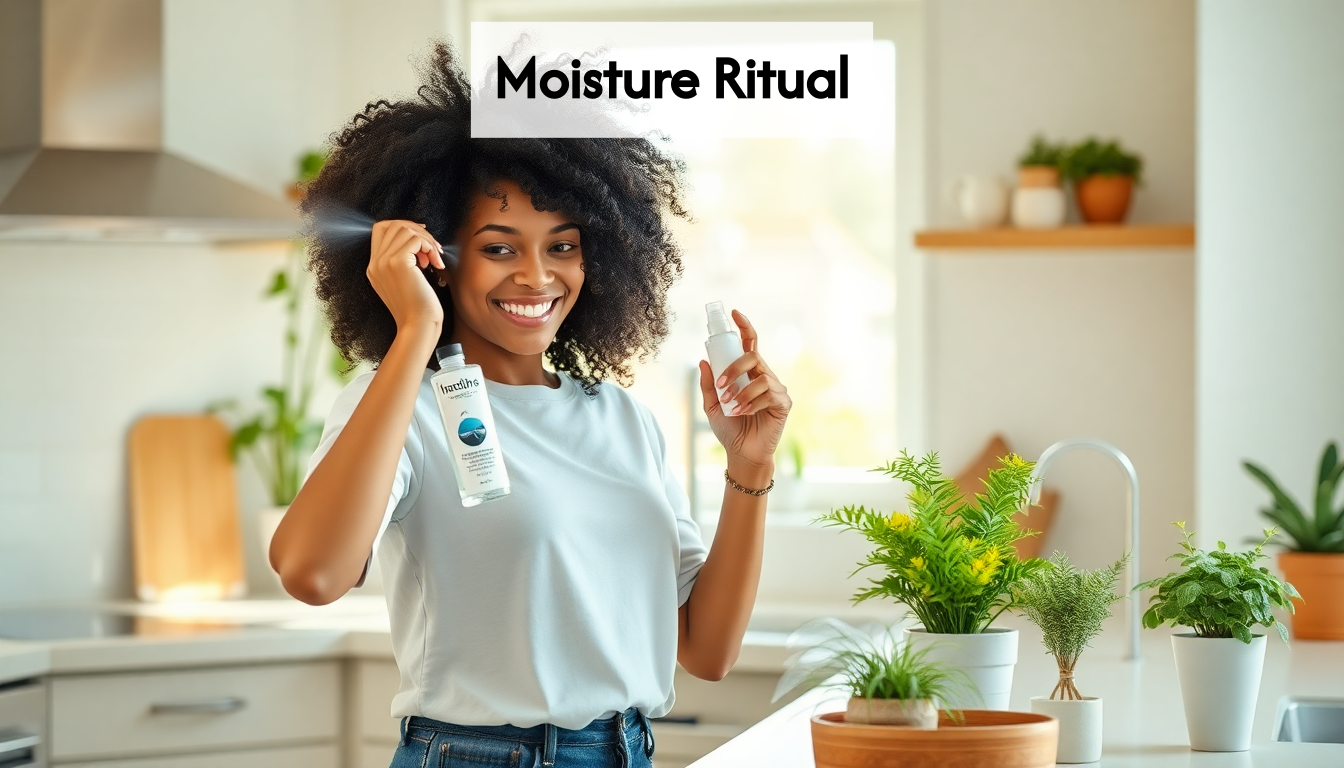
Morning care for natural hair focuses primarily on rehydration and style refreshing. Natural hair tends to lose moisture overnight, especially if you sleep without a satin or silk bonnet or pillowcase. Begin your day by lightly misting your hair with a water-based refresher spray—either store-bought or a simple DIY mix of water with a few drops of your favorite essential oil.
For tighter curl patterns (3C-4C), you'll likely need additional moisture. Apply a lightweight leave-in conditioner to damp hair, focusing on the ends which are typically the driest and most fragile part. Follow with a small amount of natural oil like jojoba, argan, or almond oil to seal in the moisture. Remember that with oils, less is more—start with a few drops and add more only if needed.
If you're refreshing a style like twist-outs or braid-outs, use your fingertips rather than combs or brushes to separate and fluff your hair, minimizing manipulation and potential breakage. For those with more defined curl patterns who wash their hair less frequently, a technique called "pineappling" (loosely gathering hair at the crown overnight) can help maintain curl definition between wash days.
Evening Protection Protocol
According to hair care experts, natural hair requires protection from friction that occurs during sleep. Your nighttime routine is crucial for preserving moisture and preventing the breakage that can occur from cotton pillowcases drawing moisture from your hair.
Begin by gently detangling your hair using your fingers or a wide-tooth comb, working from ends to roots to minimize breakage. For those with denser or more textured hair, section your hair to ensure thorough detangling. Apply a light moisturizer mixed with a few drops of oil, focusing on the ends and any particularly dry areas.
Before bed, protect your hair by using one or more of these methods:
- Loosely braid or twist your hair to minimize tangling
- Cover your hair with a satin or silk bonnet
- Use a satin or silk pillowcase if you prefer not to cover your hair
- For longer styles, gather hair into a loose, high ponytail (pineapple method)
This nighttime protection isn't just about preventing tangling—it's about preserving the moisture you've carefully applied throughout the day and reducing friction that can lead to split ends and breakage.
Midweek Maintenance
Between wash days, natural hair benefits from strategic maintenance to extend the life of your styles and boost hydration. Pay attention to how your hair feels—not just how it looks—to determine what it needs most.
If your hair feels dry by midweek, consider applying a light water-based moisturizer followed by a natural oil to seal. For scalp care, massage a few drops of tea tree, peppermint, or jojoba oil into your scalp to relieve itchiness and promote blood circulation, which supports healthy growth.
Midweek is also an excellent time to give extra attention to your edges and nape, which often experience the most friction and manipulation. Apply a small amount of a natural edge control product or light gel to smooth and protect these delicate areas.
The key to successful daily natural hair care is consistency without obsession. Listen to your hair's needs, adjust your routine seasonally (more moisture in winter, lighter products in summer), and remember that natural hair thrives with gentle, regular attention rather than occasional intensive treatments. By establishing these daily habits, you'll create the foundation for healthier, more vibrant natural hair that grows and retains length over time.
Nourishing Natural Hair Treatments
While daily maintenance forms the foundation of natural hair care, incorporating targeted treatments can dramatically improve your hair's health, moisture levels, and overall appearance. These deeper conditioning experiences address specific concerns like dryness, breakage, or stunted growth that regular daily care might not fully resolve. By implementing these treatments regularly, you'll provide your natural hair with the intensive nourishment it craves.
DIY Kitchen Remedies
Your kitchen likely contains powerful ingredients that can transform your natural hair. DIY treatments offer the dual benefits of affordability and transparency—you know exactly what's going into your hair.
An avocado and banana mask stands out as particularly effective for natural hair types. According to natural hair experts, this combination delivers intense moisture while improving hair elasticity. The healthy fats in avocados penetrate the hair shaft deeply, while bananas contribute potassium and natural oils that strengthen hair strands. To create this treatment:
- Mash half a ripe avocado and one ripe banana until smooth
- Add a tablespoon of olive or coconut oil for extra moisture
- Apply to damp hair, focusing on the ends and midshaft
- Cover with a shower cap and leave for 30-40 minutes
- Rinse thoroughly and follow with a gentle shampoo
Coconut oil makes another exceptional treatment for natural hair, particularly for those with high porosity strands that lose moisture quickly. Unlike many oils that simply coat the hair, coconut oil's molecular structure allows it to penetrate the hair shaft, reducing protein loss and enhancing moisture retention. For a simple hot oil treatment, warm 2-3 tablespoons of coconut oil until just melted, apply to dry hair in sections, cover with a shower cap, and allow it to work for 30 minutes to overnight before washing.
For those battling scalp issues, apple cider vinegar rinses can help balance pH and remove buildup without stripping natural oils. Dilute one part vinegar with three parts water, apply to the scalp after shampooing, allow it to sit for 5 minutes, then rinse thoroughly.
Pre-Wash Treatments
Pre-wash treatments (often called "pre-poo") serve as a crucial preparation step for natural hair, especially before shampooing. These treatments create a protective barrier that prevents the shampoo from stripping too much moisture from your strands.
Oil-based pre-poo treatments work wonderfully for most natural hair types. Apply a generous amount of olive, almond, or castor oil to dry hair, focusing on the ends. For enhanced effects, divide hair into sections to ensure thorough coverage. Cover with a shower cap and allow the oils to penetrate for at least 30 minutes before shampooing. This simple step dramatically reduces breakage during the washing process and leaves hair softer and more manageable afterward.
For protein-sensitive hair that needs moisture without heaviness, try a honey and aloe vera pre-poo. Mix 2 tablespoons of raw honey with 3 tablespoons of pure aloe vera gel, apply to dry hair, and leave for 20-30 minutes before washing. This combination draws moisture to the hair while the aloe soothes the scalp and reduces frizz.
Deep Conditioning Essentials
Deep conditioning represents perhaps the most transformative treatment for natural hair. While standard conditioners coat the surface of hair strands, deep conditioners penetrate the cuticle, addressing issues from within.
For optimal results, apply deep conditioners to freshly cleansed, damp hair. Work in sections to ensure even distribution, using a wide-tooth comb to detangle and distribute the product. Cover with a plastic cap and add heat—either through a hooded dryer or by wrapping a warm towel around your head—to enhance penetration. Allow the conditioner to work for at least 30 minutes before rinsing thoroughly with cool water to seal the cuticle.
The frequency of deep conditioning depends on your hair's porosity and condition. Low porosity hair may benefit from bi-weekly sessions, while high porosity or damaged hair often requires weekly treatments. Always pay attention to how your hair responds—increased elasticity and softness indicate you're on the right track, while unusual stiffness might signal protein overload.
Rotate between moisture-focused and protein-balanced treatments to maintain optimal hair health. Signs that you need more moisture include brittleness and dryness, while excessive stretching and mushiness indicate that your hair would benefit from protein.
By integrating these targeted treatments into your natural hair care regimen, you'll provide your hair with comprehensive care that addresses its unique needs. Remember that consistency yields better results than intensity—regular, moderate treatments generally outperform occasional extreme ones when it comes to natural hair health.
Styling and Protective Techniques
Natural hair thrives when it's both celebrated and protected. Styling isn't just about aesthetics—it's a crucial aspect of hair health that can either promote growth and strength or lead to damage and breakage. The key is balancing your desire for versatility with techniques that preserve your hair's integrity.
The Power of Protective Styling
Protective styles serve a vital purpose in natural hair care: they tuck away fragile ends, minimize manipulation, and reduce exposure to environmental stressors. When properly installed and maintained, these styles can significantly increase length retention and overall hair health.
According to hair care experts, effective protective styling begins with thorough preparation. Before installing any protective style, ensure your hair is:
- Properly cleansed to remove buildup
- Deep conditioned for optimal moisture
- Thoroughly detangled to prevent knots and breakage
- Well-moisturized with a leave-in conditioner and sealed with oil
This preparation creates the foundation for a successful protective style that nurtures rather than damages your hair.
Popular protective styles include box braids, two-strand twists, flat twists, cornrows, and Bantu knots. For those seeking low-manipulation rather than complete protection, styles like twist-outs, braid-outs, and roller sets allow you to showcase your texture while reducing daily handling.
Regardless of which style you choose, proper installation is crucial. Avoid excessive tension, particularly at the hairline, where traction alopecia commonly begins. Your scalp should never feel tight or painful during or after styling—this is a clear warning sign of potential damage.
Low-Tension Styling Approaches
Many naturals experience thinning edges and breakage due to consistently tight styling. Low-tension approaches offer beautiful alternatives that maintain hair health. When creating updos, buns, or ponytails, consider these techniques:
- Use seamless hair ties or fabric scrunchies instead of elastic bands
- Position ponytails and buns in different locations to avoid stressing the same area
- Incorporate finger-combing rather than brush-smoothing for edges
- Leave some slack at the roots when braiding or twisting
For those with 4C texture, which is particularly vulnerable to breakage, low-tension styling becomes even more critical. Opt for chunky twists or braids rather than micro styles, which exert less pull on the hair shaft and scalp. Consider crochet styles that can achieve the look of smaller braids without the tension typically required.
When styling with accessories, choose items specifically designed for natural hair, such as metal-free clips, seamless combs, and satin-lined headbands. These minimize friction and prevent the breakage that conventional accessories often cause.
Nighttime Styling Protection
The way you prepare your hair for sleep plays a significant role in its health. Nighttime protection should accomplish two goals: preserving your style and preventing moisture loss and friction damage.
For shorter styles, a satin bonnet or scarf provides sufficient protection. For medium to longer lengths, consider these nighttime styling options:
- Pineappling: Loosely gather hair at the crown using a satin scrunchie
- Multi-pineappling: Create several loose ponytails around the head for shorter styles
- Banding: Wrap stretched sections with satin strips to maintain length without tension
- Medusa method: Create several small, loose twists secured with bobby pins
Complement these techniques with a satin or silk pillowcase for maximum protection, especially if your bonnet or scarf tends to slip off during sleep.
Duration and Maintenance of Protective Styles
Even the most protective style can become damaging if worn for too long. As a general guideline, avoid keeping any style—including braids, twists, or weaves—for more than 6-8 weeks. Extended wear leads to excessive buildup, matting, and potential breakage when removed.
While your hair is protectively styled, maintain a consistent scalp care routine. Diluted witch hazel or apple cider vinegar on a cotton swab works well for cleaning the scalp between rows. For moisture, use a light spray formulated for braided or twisted hair, focusing on the exposed parts of your hair and ends.
When it's time to remove your protective style, patience is essential. Rush the process, and you'll lose much of the growth you've gained. Set aside ample time, use plenty of slip-enhancing product, and work in small sections to minimize breakage.
By embracing these protective styling principles, you'll harness the versatility of natural hair while promoting its health and growth. Remember that the most beautiful styles are those that respect the integrity of your hair, preserving its strength for the long term.
Expert Tips for Consistent Growth
Consistent length retention is often the most challenging aspect of natural hair care. Many naturals find themselves stuck in a frustrating cycle—their hair grows, but breakage prevents visible progress. The key to breaking this cycle lies in understanding that hair growth is primarily an internal process, while length retention depends on your external care practices. By implementing expert strategies, you can ensure your hair maintains the growth it naturally achieves.
Internal Factors That Support Growth
Hair growth begins from within. What you put into your body directly impacts how efficiently your hair grows and its overall quality. While genetics determine your maximum growth rate (typically 1/4 to 1/2 inch per month), proper nutrition can help you reach that potential.
Hydration stands as the foundation of hair health. Water facilitates every bodily function, including hair growth. Aim for at least eight glasses daily, adjusting upward based on activity level and climate. Notice how your hair responds during periods of increased water intake—many report improved elasticity and moisture retention.
Incorporate these nutrient-dense foods to support your hair's growth cycle:
- Protein-rich foods (eggs, fish, legumes) provide the building blocks for keratin, your hair's primary component
- Vitamin E sources like nuts and seeds protect hair follicles from oxidative stress
- Omega-3 fatty acids found in fatty fish and flaxseeds reduce inflammation and support scalp health
- Iron-rich foods including leafy greens prevent deficiency-related shedding
In some cases, targeted supplements can address specific deficiencies. Biotin, vitamin D, and zinc supplements may benefit those with confirmed deficiencies, though whole food sources remain preferable when possible.
Scalp Care for Optimal Growth
The scalp is your hair's foundation—the environment from which each strand emerges. Neglecting scalp health inevitably compromises growth, regardless of how well you care for the visible hair.
Regular scalp massages stimulate blood flow to follicles, delivering essential nutrients and oxygen. Dedicate 5-10 minutes daily to gentle circular motions across your entire scalp. For enhanced benefits, incorporate a few drops of stimulating essential oils like peppermint, rosemary, or tea tree (diluted in a carrier oil like jojoba).
Product buildup and excess sebum can clog follicles and hinder growth. Incorporate regular clarifying treatments—whether a specially formulated shampoo or an apple cider vinegar rinse—to remove residue without stripping moisture. For those with particularly dry scalps, consider pre-shampoo oil treatments focusing on the scalp rather than just the hair strands.
Balance is crucial—over-cleansing strips protective oils, while insufficient cleansing allows buildup. Most natural hair benefits from shampooing every 7-10 days, adjusting based on lifestyle, product usage, and individual scalp condition.
Trimming Strategically for Length Retention
The topic of trimming often causes debate within the natural hair community. While it seems counterintuitive to cut hair when trying to gain length, strategic trimming actually supports overall length retention by preventing splits from traveling up the hair shaft.
Rather than adhering to rigid schedules, learn to identify when your hair needs trimming. Watch for these indicators:
- Excessive tangling, even when properly detangled and moisturized
- Visible split ends or "fairy knots" (tiny knots at the ends of individual strands)
- Ends feeling significantly rougher than the rest of the hair shaft
When trimming becomes necessary, consider the "search and destroy" method—examining small sections of hair and snipping only the damaged ends, rather than taking a uniform amount off the entire head. This targeted approach preserves length while eliminating problems.
For those committed to maximum length retention, dust your ends—removing just 1/8 to 1/4 inch—every 8-12 weeks rather than waiting for significant damage to accumulate. This minimal yet consistent approach prevents major setbacks.
Documentation and Patience
Natural hair growth requires patience and perspective. Progress often seems invisible day-to-day but becomes evident over months. Maintaining a hair journal or regular photo documentation provides tangible evidence of growth and helps identify which practices yield the best results for your specific hair.
Track these aspects monthly:
- Changes in length (measured when stretched in the same state each time)
- Products and techniques that provided exceptional results
- Dietary changes and their apparent impact
- Seasonal shifts in your hair's needs and behavior
Remember that consistency trumps perfection. Developing sustainable practices you can maintain long-term will yield better results than sporadic intensive treatments. Your natural hair journey is precisely that—a journey—with continuous learning and adaptation along the way. By implementing these expert strategies while honoring your hair's unique characteristics, you'll create the conditions for optimal growth and retention, allowing your natural hair to reach its full potential.
Frequently Asked Questions
What is natural hair care?
Natural hair care refers to methods and practices that maintain and promote the health of hair in its original state, without chemical alterations like relaxers or texturizers. It embraces your natural texture and emphasizes cleansing, moisturizing, and protecting your hair.
How can I determine my natural hair type?
You can determine your natural hair type by classifying it into the curl pattern system that ranges from 1 (straight) to 4 (coily). Additionally, understanding your hair's porosity—its ability to absorb and retain moisture—is crucial for selecting the right products and routines.
What are the key steps in a natural hair care routine?
A natural hair care routine typically includes four essential steps: cleansing (removing buildup and impurities), conditioning (hydrating and repairing), moisturizing (using methods like LOC or LCO), and protective styling (minimizing manipulation and protecting ends).
How often should I deep condition my natural hair?
The frequency of deep conditioning depends on your hair's porosity and condition. Generally, low porosity hair benefits from deep conditioning every 2 weeks, while high porosity or damaged hair may require weekly treatments. Always pay attention to your hair's response to determine the best schedule.
Unlock Your Hair's Full Potential with Personalization!
As you embark on your natural hair care journey, you may encounter hurdles such as dryness, breakage, and the constant quest for the perfect routine. Understanding your unique hair type and its specific needs is crucial, as highlighted in our expert guide. However, navigating the vast world of hair products can often feel overwhelming.
That's where Myhair.ai comes in! Our AI-powered platform transforms your hair care experience by providing:
- Personalized hair analysis tailored to your specific type and porosity
- Custom product recommendations crafted from our partnerships with top hair care brands
- Bald spot detection to help you track your hair health
- Access to certified hair specialists for in-depth consultations
Imagine achieving the luscious, healthy, and radiant hair you've always desired—without the guesswork!

Don't wait! Take control of your hair journey NOW. Visit https://myhair.ai to upload your hair images and start receiving tailored recommendations today! Your hair's healthiest chapter is just a click away.